TAG Heuer Connected smartwatch discontinued: what it means
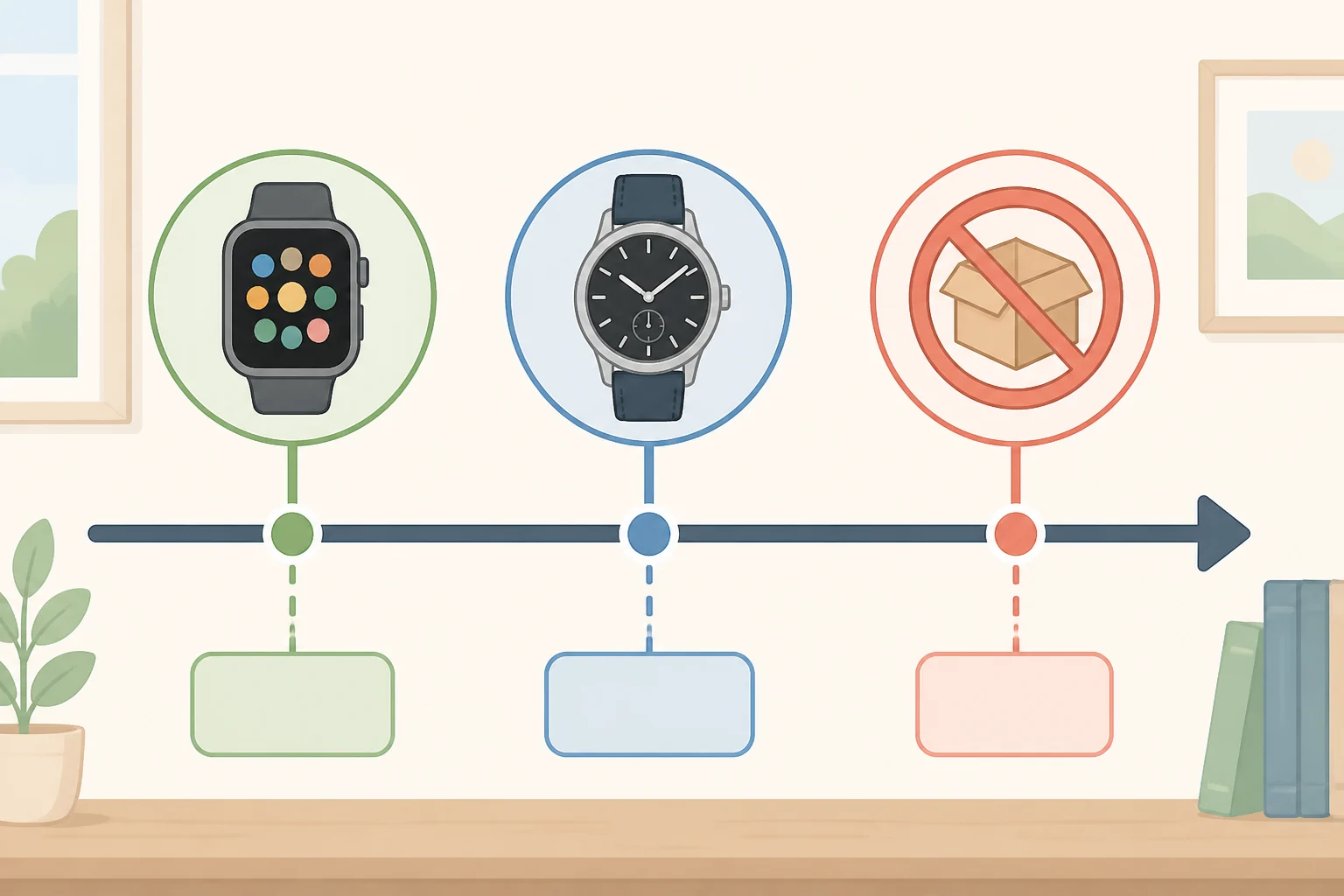
Seven months ago, TAG Heuer rolled out a titanium Formula 1 edition of its Connected smartwatch, complete with 24 race-inspired watch faces and a dedicated F1 companion app. Today the headline reads almost backward: TAG Heuer Connected smartwatch discontinued, according to a report this week from French outlet La Lettre, relayed by Trusted Reviews. Production reportedly stopped over the summer, with existing inventory expected to sell through the end of 2027.
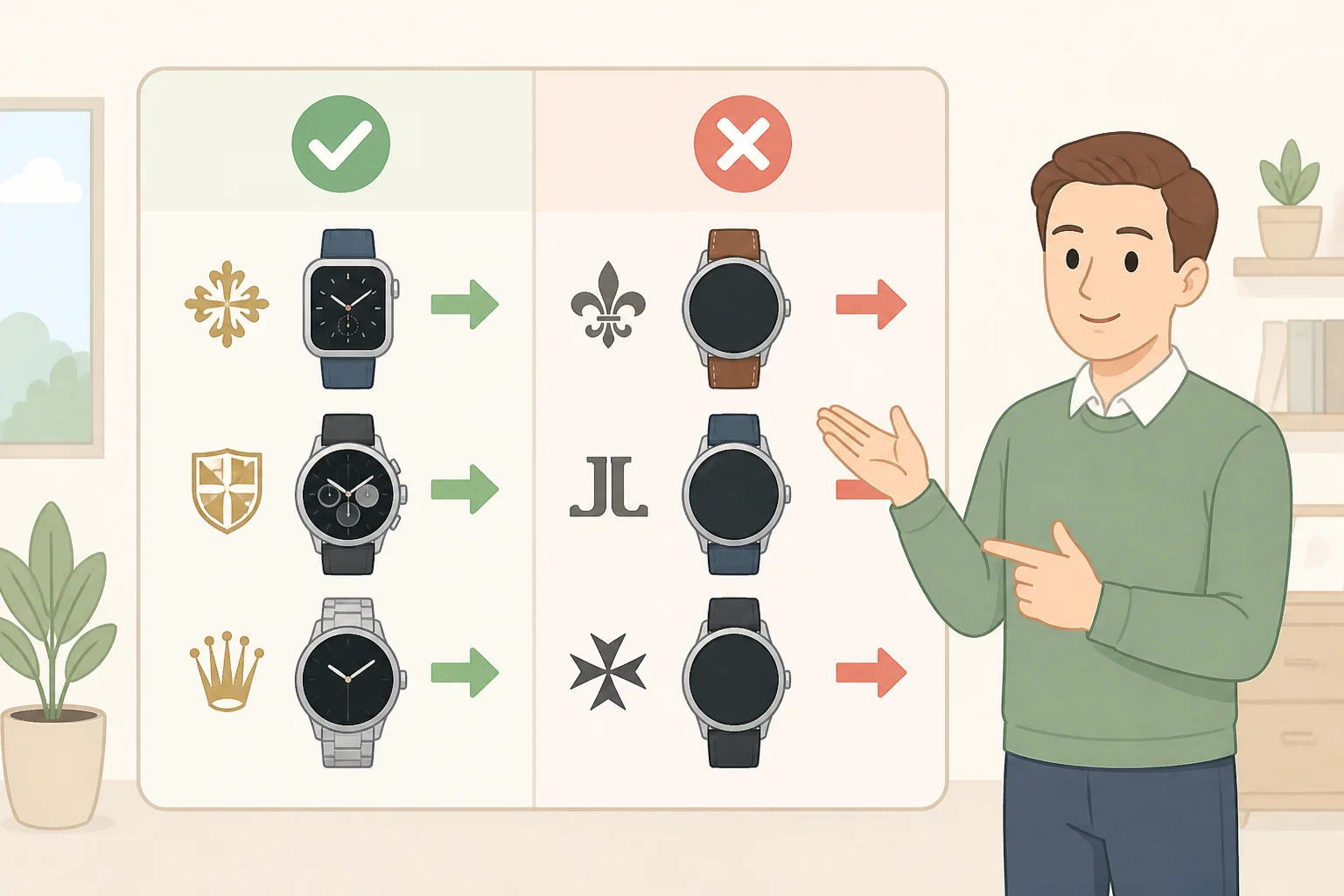
Neither TAG Heuer nor its parent company LVMH has confirmed any of this officially, Trusted Reviews notes. That matters, because everything below rests on an unconfirmed report, not a corporate announcement. But the timing lines up with something bigger than one brand's internal call. TAG Heuer was reportedly the last of the major Swiss luxury houses still refreshing a smartwatch line, after Hublot, Montblanc and Louis Vuitton had already gone quiet on theirs, according to The New York Times earlier this year.
None of this proves the exit was inevitable from day one. TAG Heuer kept building new Connected hardware and software right up until the reported shutdown, which is an odd way to wind down a product line if the decision had been locked in years ago. But set against the company's own public statements and the state of the category around it, the reported move reads less like a surprise and more like the next logical step in a strategy TAG Heuer had already described out loud.
Why TAG Heuer may be exiting the smartwatch market
Video of the Day
The Connected line launched in November 2015 at $1,500, built on Android Wear through a partnership with Intel and Google, and pitched as a luxury answer to mainstream wearables, per Trusted Reviews. A decade is a long run for any smartwatch platform, let alone one competing against companies that ship new silicon every year.
By the time The New York Times surveyed the category earlier this year, TAG Heuer was the only one of those four Swiss luxury brands still putting out new smartwatch models. Watch-industry consultant Oliver R. Müller, who runs the consultancy LuxeConsult, told the paper the category had become "a niche, loss-generating business with no emotional context and no prospects," adding that "the war is over" and the train had left the station for Apple, Samsung and Garmin. That's one consultant's reading, not an industry audit, but it tracks with what TAG Heuer's peers were actually doing: quietly stepping back rather than renewing.
Viewed that way, the story isn't TAG Heuer abandoning a market that was working for everyone else. It's TAG Heuer being the last company still showing up to a party the other guests had already left.
Video of the Day
TAG Heuer's own strategy had already turned toward heritage
CEO Frédéric Arnault laid out his priorities a few months before the reported shutdown, telling WatchPro that his focus was "a gradual repositioning and move upmarket in traditional watchmaking," citing mechanical projects like Plasma and Solargraph. Connected didn't come up as a centerpiece of that vision. Neither did software.
Around the same time, TAG Heuer cut 25% of its global points of sale, shrinking its retail footprint to under 3,000 locations while, in Arnault's words, "strengthening our partnership with the points of sale that we have kept." He called brand desirability the company's "cornerstone," with marketing leaning harder into motorsport heritage through Monaco and Formula 1.
That's a strategy built on scarcity, exclusivity and decades of heritage. It sits oddly next to a product category that, almost by definition, needs annual hardware cycles and constant software support to stay relevant. One side of the business is trying to feel timeless. The other needs a firmware update every few months just to keep working with the latest iPhone.
The 15% question: scale without resolution
Arnault told Europa Star, in comments reported by WatchPro, that Connected watches made up 15% of TAG Heuer's turnover, calling it "a good ratio." He also noted that traditional watchmaking was growing faster, meaning Connected had to expand just to hold its share of the business. If the shutdown report holds up, that 15% figure suggests scale alone didn't settle the strategic question. Revenue share isn't profitability, and nothing in the public record shows what it actually cost TAG Heuer to keep Connected running, or whether that cost was climbing faster than the revenue it brought in.
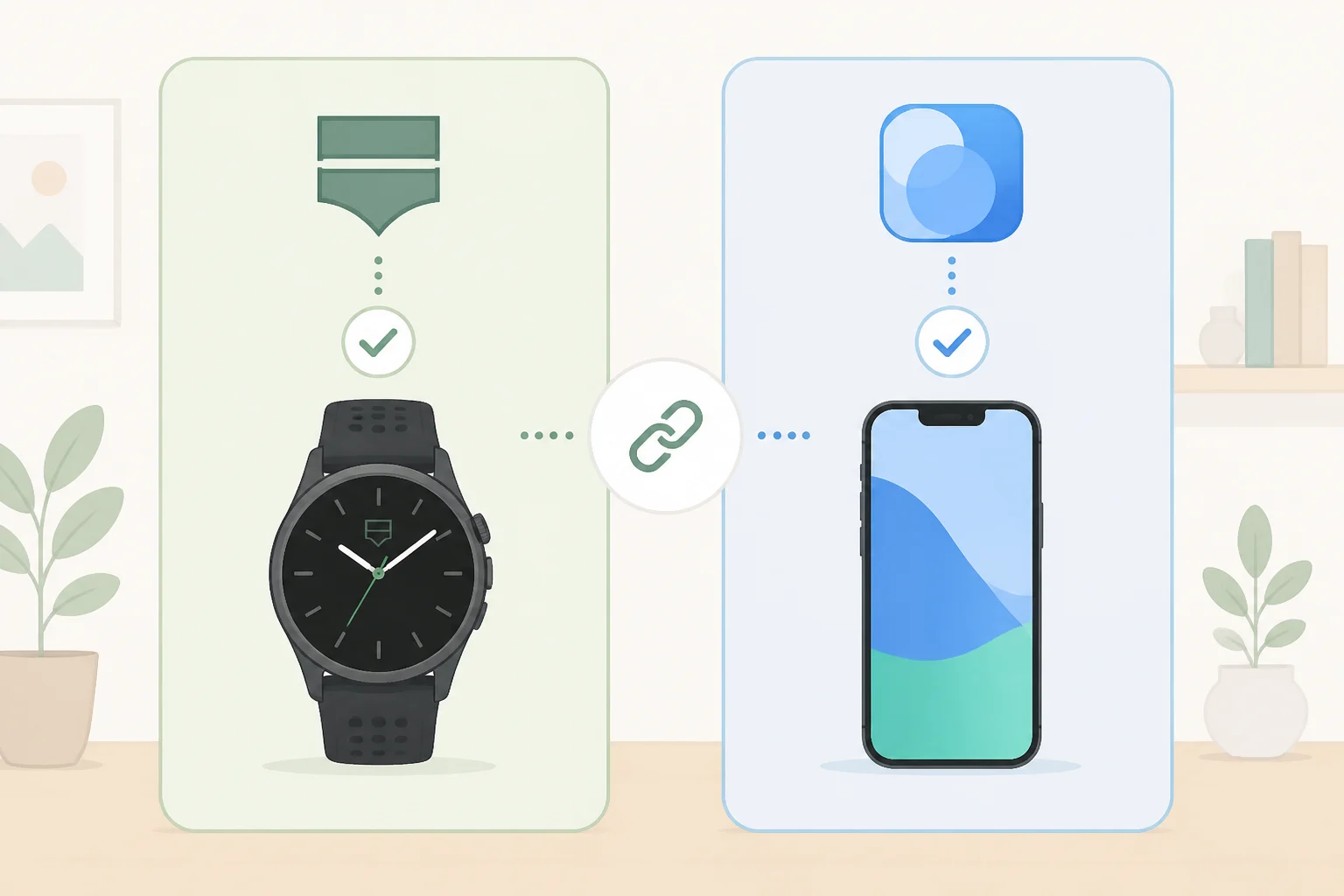
What makes the reported exit harder to square is the timing. TAG Heuer launched the Connected Calibre E5 in October 2025, replacing Google's Wear OS with its own in-house TAG Heuer OS, a substantial technical undertaking less than a year before production reportedly stopped, according to Trusted Reviews. The E5 also earned Apple's Made for iPhone certification, reflecting the company's own figure that roughly 70% of its smartwatch customers carry iPhones. That's not evidence of customers drifting toward Apple's hardware. It's proof that even a fully proprietary luxury OS still has to play nicely inside ecosystems TAG Heuer doesn't control.
Arnault flagged this tension years earlier. In a 2023 interview with SJX Watches, he said he didn't believe mechanical and connected technology could be merged without compromise: "If you want the best in Connected technology, it has to be fully Connected. If you want the best in mechanical technology, it has to be fully mechanical. And we don't like compromise." Building a full in-house operating system didn't resolve that tension so much as raise the stakes, since owning your own OS means owning every future update, every app-compatibility fix, every shift in iOS or Android that might break something. It's hard to look at a company simultaneously closing retail doors and funding mechanical watchmaking and conclude that an expanding software commitment was still the priority.
What the TAG Heuer Connected Calibre E5 report means for owners
None of this means Connected watches vanish overnight. Existing inventory, including the Calibre E5, is expected to stay available through the end of 2027, and the E5 still appears in TAG Heuer's catalogue, per Trusted Reviews. Anyone buying one today isn't buying a dead device, at least not yet.
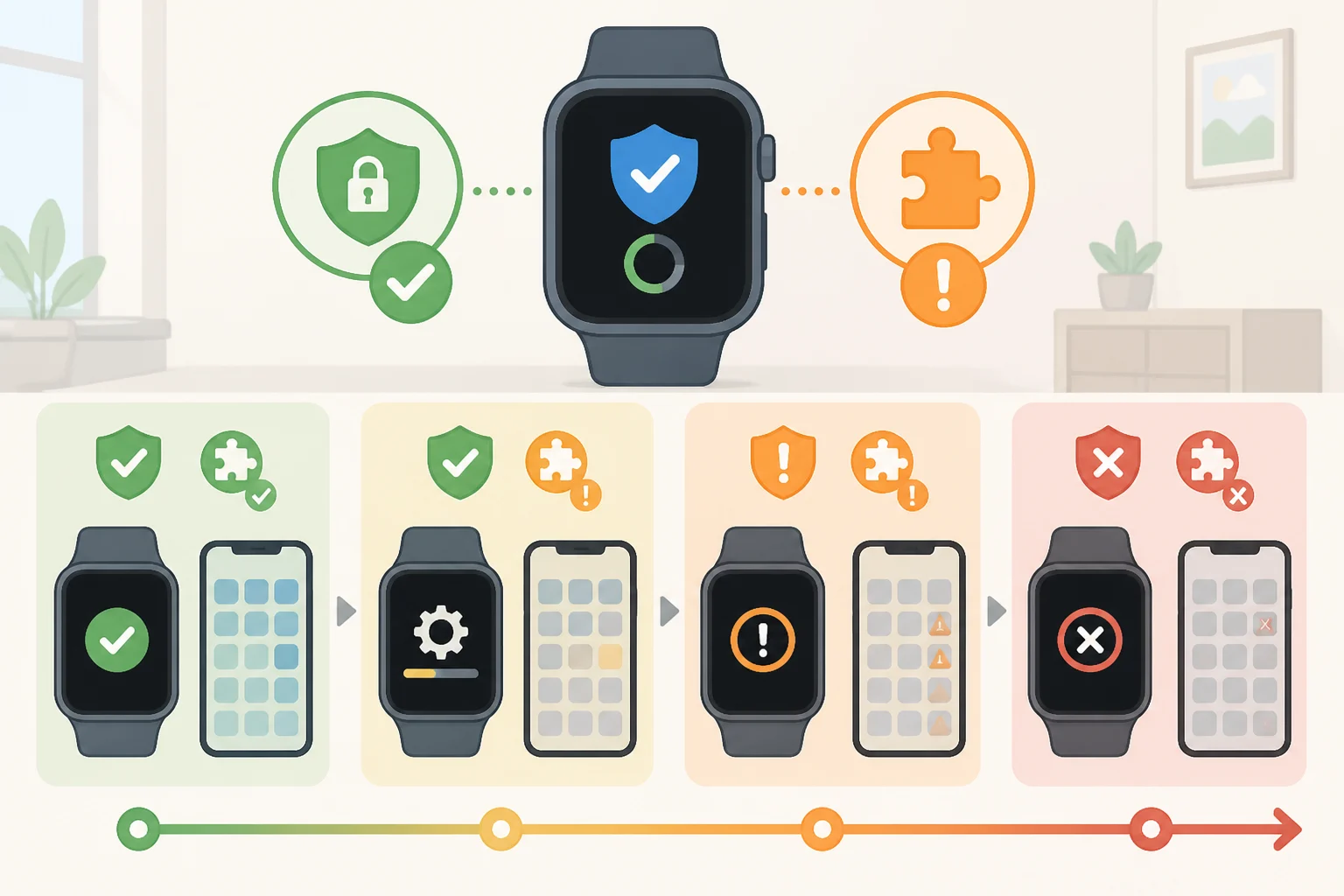
The open question is what happens after that. TAG Heuer hasn't said how long it plans to maintain software updates or after-sales servicing, and basic hardware repairs, batteries and straps are a separate issue from software support that the company also hasn't addressed directly. The risk isn't that these watches stop working the moment support ends. It's the slower kind of decay: security patches that stop arriving, companion-app features that quietly break, compatibility gaps that widen with every new iPhone or Android release. Because TAG Heuer OS is proprietary rather than built on a widely maintained platform like Wear OS, that risk is real, and nothing in the reporting confirms a timeline for it.
This is where the gap between luxury watchmaking and consumer tech stops being abstract. A mechanical TAG Heuer keeps running on a mainspring and a balance wheel, no server required. A smartwatch is only as good as whoever is still writing code for it, and right now nobody at TAG Heuer has said how long that will be.
Where this leaves owners, and the brand
The evidence doesn't prove TAG Heuer planned this exit from the start. The reporting remains unconfirmed, and the company was still shipping new hardware and software months before production reportedly stopped. What the evidence does show is a decision that lines up cleanly with everything TAG Heuer had already said about itself: a move upmarket, a smaller and more exclusive retail footprint, and a smartwatch category its closest peers had already stepped away from.
For anyone who already owns a Connected watch, the next few months matter more than the last decade did. Watch for an official statement on production, a stated end date for software support, clarity on what happens to app and account data, confirmation that repairs and battery service will stay available, and warranty terms for any E5 units still sold through 2027. TAG Heuer built its reputation on watches that outlast their owners. Whether that reputation survives contact with a product that needs a software team behind it is the question this reported exit actually raises.