Skullcandy Crusher 1080 ANC: What Bose Tech Actually Delivers
Skullcandy launched the Crusher 1080 ANC yesterday for $279.99, and the headline spec isn't the bass. The headline is what's now sitting alongside it: Bose QuietControl ANC, Bose TrueSpatial spatial audio, and the Bose WaveForm audio engine. The Crusher 1080 ANC is the first non-Bose headphone to carry all three in a single device, SoundGuys reported at launch.
It's also the second product from Skullcandy's Sound by Bose licensing arrangement, following last year's $130 Method 360 ANC earbuds, but marks a considerably deeper technical integration than that earlier collaboration, Engadget noted. WIRED framed the launch around the question the product is built to answer: whether Bose's involvement can help Skullcandy move past its budget-brand reputation. The specific claim being made is that Bose's technology addresses the exact problems that have kept Crusher headphones from being taken seriously: distortion at high bass levels and noise cancellation that never competed with dedicated ANC headphones.
What the Skullcandy Crusher 1080 ANC changes
Video of the Day
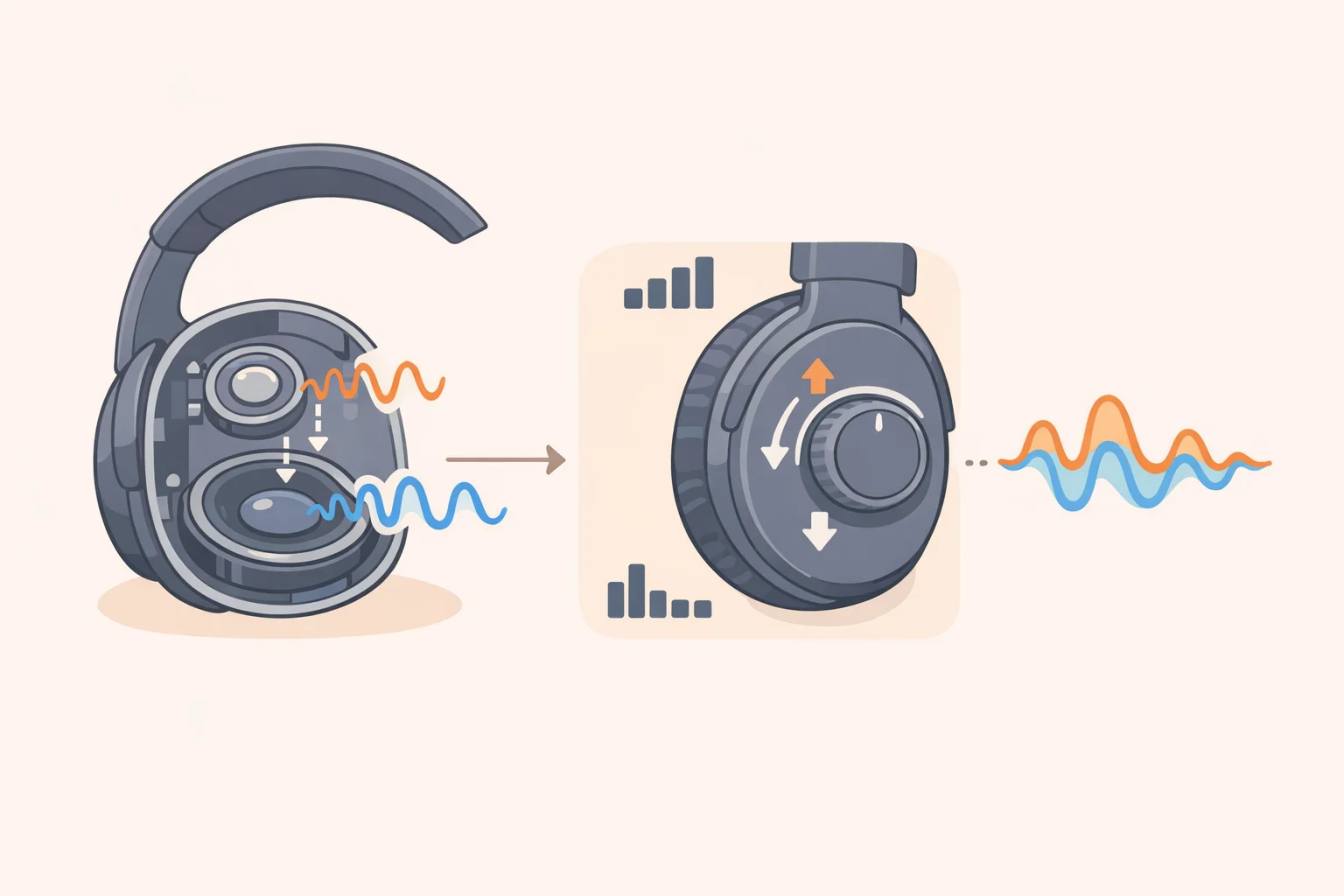
The Crusher line's architecture has always been its own biggest obstacle. Each earcup runs two drivers: a full-range driver handling the music, and a dedicated bass driver that produces a physical, subwoofer-like rumble you dial in via a wheel on the earcup or the Skullcandy app, anywhere from subtle to skull-rattling. The effect is tactile and unlike anything in mainstream headphones. It also has a well-documented flaw.
Skullcandy itself has acknowledged that heavy bass boost on earlier Crusher models could degrade overall audio quality, with the bass drivers creating distortion that bleeds into the rest of the listening experience when pushed hard, The Verge reported. The 1080 ANC addresses this with redesigned drivers featuring a stiffer "live edge" diaphragm intended to move more uniformly and reduce distortion, plus an enclosed rear acoustic cavity meant to improve passive isolation and clarity at high bass output, SoundGuys explained. Skullcandy says the redesign delivers enhanced clarity and detail at higher volume, The Verge reported, though independent testing of that specific claim is still pending.
The ANC side is where the Bose contribution is most directly targeted. The 1080 ANC's QuietControl system uses six microphones and real-time fit monitoring to adapt cancellation as ambient conditions shift, SoundGuys explained. Bose says the ANC supposedly holds up even when Crusher bass is cranked all the way up, WIRED reported. That's the engineering challenge specific to this product, and it's one no previous Crusher model ever attempted.
Video of the Day
What early testing actually found
One hands-on review exists as of this writing. It's not enough for a verdict, but it's enough to separate what's been observed from what's still a manufacturer claim.
ANC is the clear standout finding. In Engadget's hands-on testing, it was the most significant improvement over any previous Skullcandy headphone, outperforming both the Sennheiser HDB 630 and the Soundcore Space One Pro in direct comparison headphones that sit on either side of the Crusher 1080 ANC in price. The conclusion was direct: Skullcandy "deserves to be taken seriously" in ANC for the first time.
The broader assessment matched that. Engadget called the Crusher 1080 ANC the "most complete and mature" Skullcandy headphone it has tested, concluding it "finally delivers the fundamentals expected from a premium wireless headphone: enjoyable sound, capable ANC, good battery life and a feature set that feels relevant in 2026." Skullcandy's own claim that this is the best-sounding headphone it has ever made is consistent with, though not independently confirmed by, that assessment.
What's still missing matters. There are no lab ANC measurements, no multi-reviewer consensus on clarity at high bass levels, no long-session comfort data, and no published comparison against flagship ANC competition. Broader codec support beyond LE Audio and Auracast wasn't consistently detailed in launch coverage either. The ANC finding carries the most weight right now precisely because it came from a reviewer's own comparative testing rather than company positioning. Sound quality claims remain promising but rest primarily on early impressions and manufacturer specs.
Crusher 1080 ANC features and price: what $279.99 gets you
At $279.99, the Crusher 1080 ANC undercuts Bose's own QuietComfort Ultra by a wide margin while borrowing several of its headline features, SoundGuys noted. The Skullcandy app delivers a five-band EQ alongside the Bose feature controls, more tuning flexibility than the three-band EQ in Bose's own companion app a small but real advantage for buyers who actually adjust their sound.
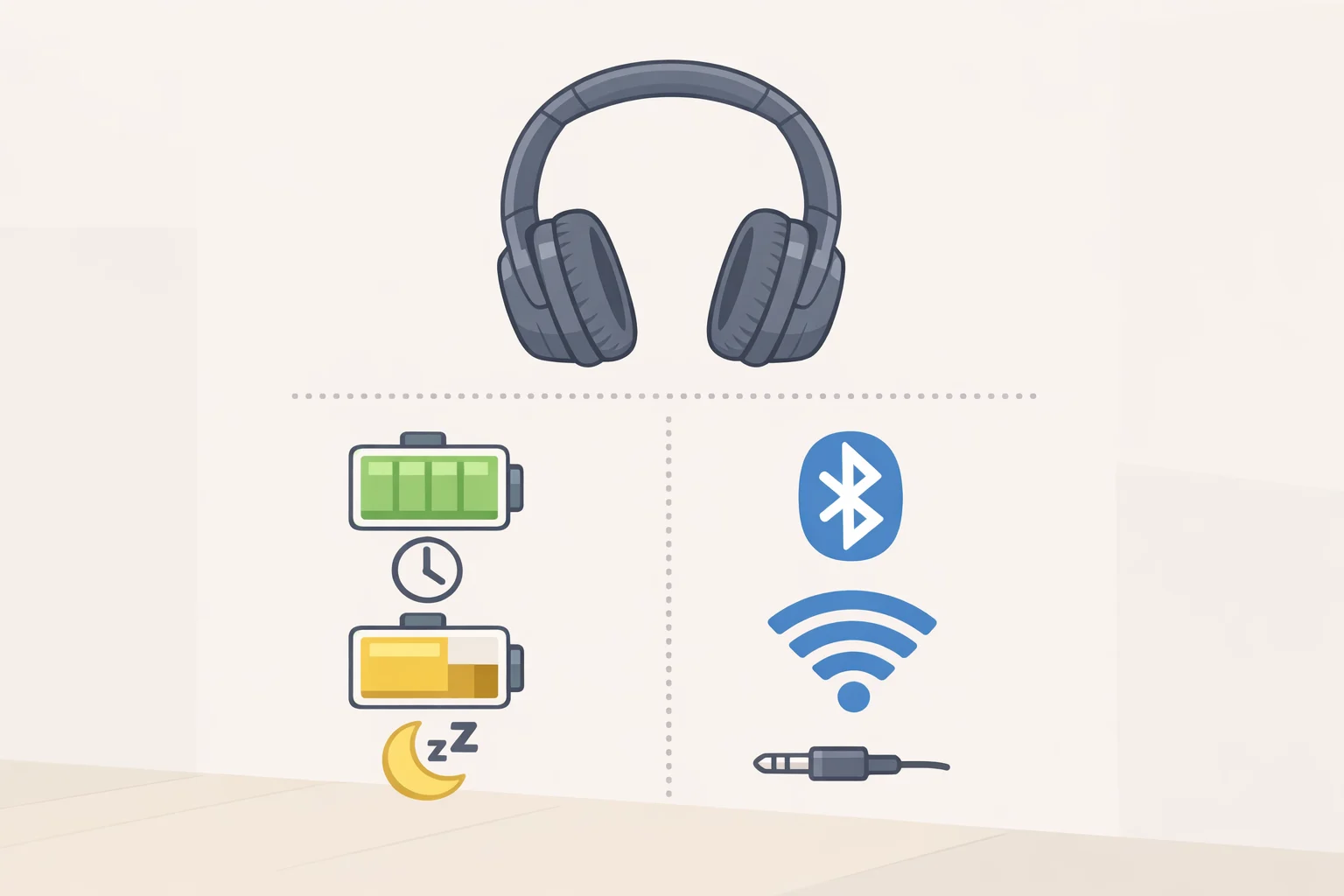
Battery life is rated at 60 hours with ANC off, 50 hours with it active, and 10 minutes of charging adds four hours of playback, The Verge and WIRED confirmed. Bluetooth 5.3 with LE Audio, Auracast, multipoint pairing, Google Fast Pair, wear detection, and both 3.5mm and USB-C wired connections round out connectivity, per Engadget. Bose SpeechClarity handles call quality via the six-mic array, SoundGuys noted.
The audience for this headphone is specific: buyers who want tactile, physically immersive bass and aren't willing to give up modern ANC or spatial audio to get it. For buyers who prioritize flat, reference-quality sound or want the most battle-tested ANC on the market, Sony's XM line and Bose's own QuietComfort Ultra remain well-established options. Those alternatives, though, don't do what the Crusher does with bass.
Before committing at this price, the gaps worth watching are independent lab ANC measurements, multi-reviewer comfort testing over longer sessions, codec confirmation, and at least one published head-to-head against flagship ANC competition. If broader testing holds up what Engadget found at launch, the Skullcandy Crusher 1080 ANC price starts to look like a genuine value proposition.
A real opening argument, with tests still to come
The Crusher 1080 ANC is the strongest case Skullcandy has made for premium headphone credibility. Bose's QuietControl, TrueSpatial, and WaveForm are not branding additions; they represent a real engineering commitment, and ANC in particular appears to have closed a meaningful gap with established competitors, based on Engadget's early hands-on.
Skullcandy has now run the Bose partnership twice, each time at a higher price and deeper integration. The unresolved question is whether ANC and sound quality hold up at high bass levels across a wider body of independent testing. That's the test prior Crusher models never passed. Whether this one does will be clear once the broader reviews arrive.