EU Smartwatch Replaceable Battery Rules Revised: No User Access by 2027
The European Commission promised that by 2027, Europeans would be able to swap the batteries in their portable electronics themselves. For smartphones, laptops, and earbuds, that promise still stands. For the device on your wrist, it has quietly been downgraded.
This week, the Commission published draft exemptions removing six device categories from the EU smartwatch replaceable battery rules that were supposed to take effect in 2027. Smartwatches, fitness trackers, smart glasses, and electronics integrated into clothing are all on the list. The batteries in those devices must still be replaceable under the revised approach, but only by independent professionals, not by the people who own them, The Register reported this week.
These exemptions are not yet final. Consumer groups and EU member states may still weigh in before the rules are locked in, though neither the draft text nor current coverage specifies what form that process takes. The direction is already clear, and the gap between what the regulation originally promised and what it now appears likely to deliver for wearables is significant.
This piece explains exactly what changed, what the distinction between user-replaceable and professionally replaceable means in practice, and what it implies for anyone buying a wearable now or in the next year.
The rule that was supposed to change everything, and what it now says
Video of the Day
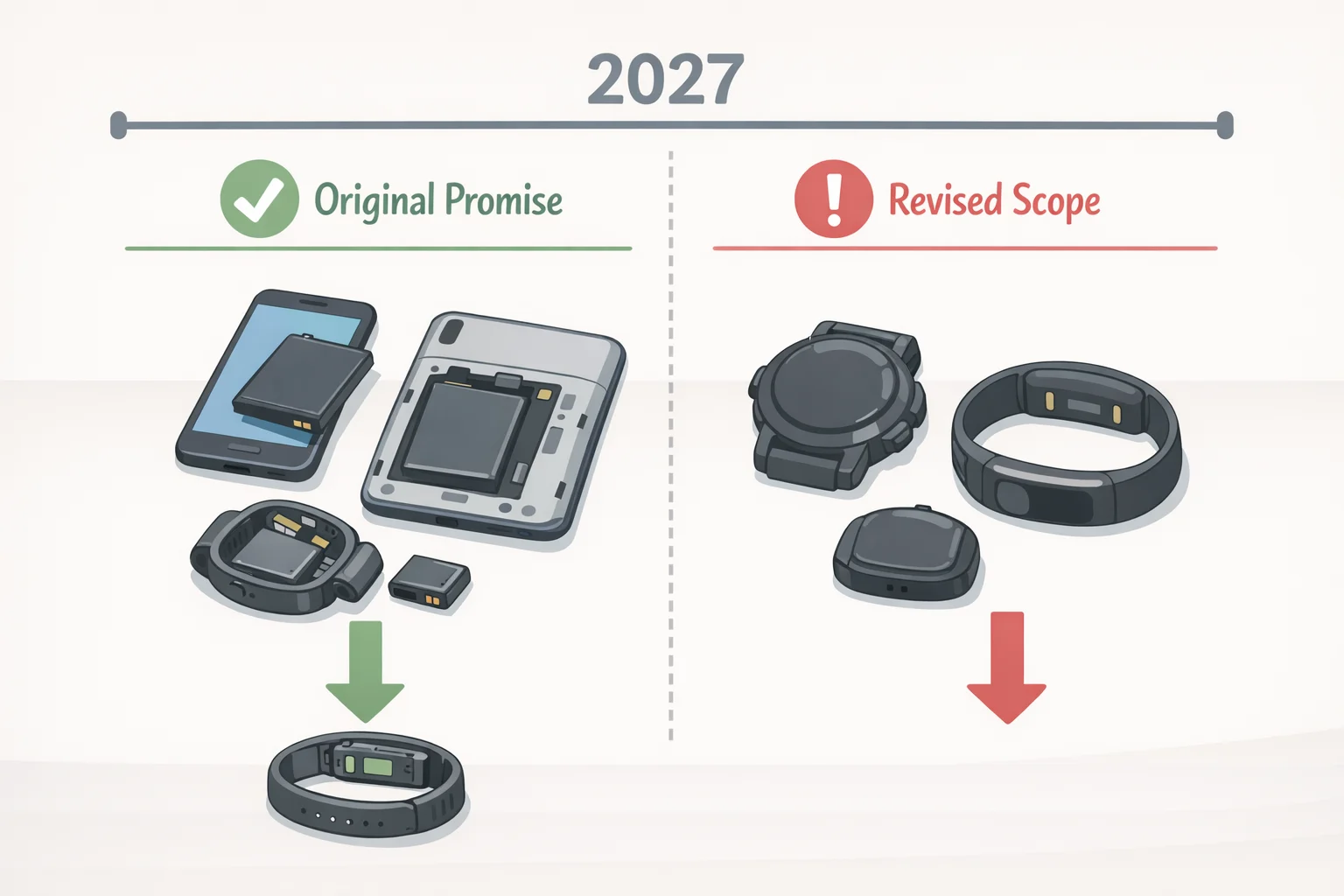
The EU's Batteries Regulation began enforcement in 2023 as a cornerstone of the European Green Deal. The specific provision requiring user-replaceable batteries in portable devices was always scheduled to arrive later, in 2027, giving manufacturers time to redesign products, Engadget reported this week.
The Commission's own original language was direct about the sustainability logic: mandatory replaceability would "extend the life of these products before their final disposal, encourage re-use and contribute to the reduction of post-consumer waste." That rationale still applies to phones and laptops that remain in scope. It will not, under the current draft, apply to the watches and fitness bands sold alongside them.
The draft exemptions cover six categories in total: wearables, certain medical devices, electronic toys, portable thermometers, roof-mounted telematics devices, and equipment rated for use in explosive environments. The wearable definition is broad. The Commission specifies smartwatches, fitness trackers, smart glasses, and any electronics integrated into clothing or accessories, per Engadget. A Garmin running watch and a jacket with embedded heating elements fall under the same umbrella.
The regulation hasn't been repealed. It's been narrowed in the category where design constraints are most severe and, as a matter of reasonable inference from how these processes typically work, where pressure to accommodate engineering realities was likely greatest. The Register asked the Commission directly whether the change was at least partly a response to industry pressure; that question had not been answered on the record at time of publication. The distinction between narrowing and repealing still matters for understanding what comes next.
Video of the Day
What the EU wearable battery exemption actually means, and why the details aren't settled
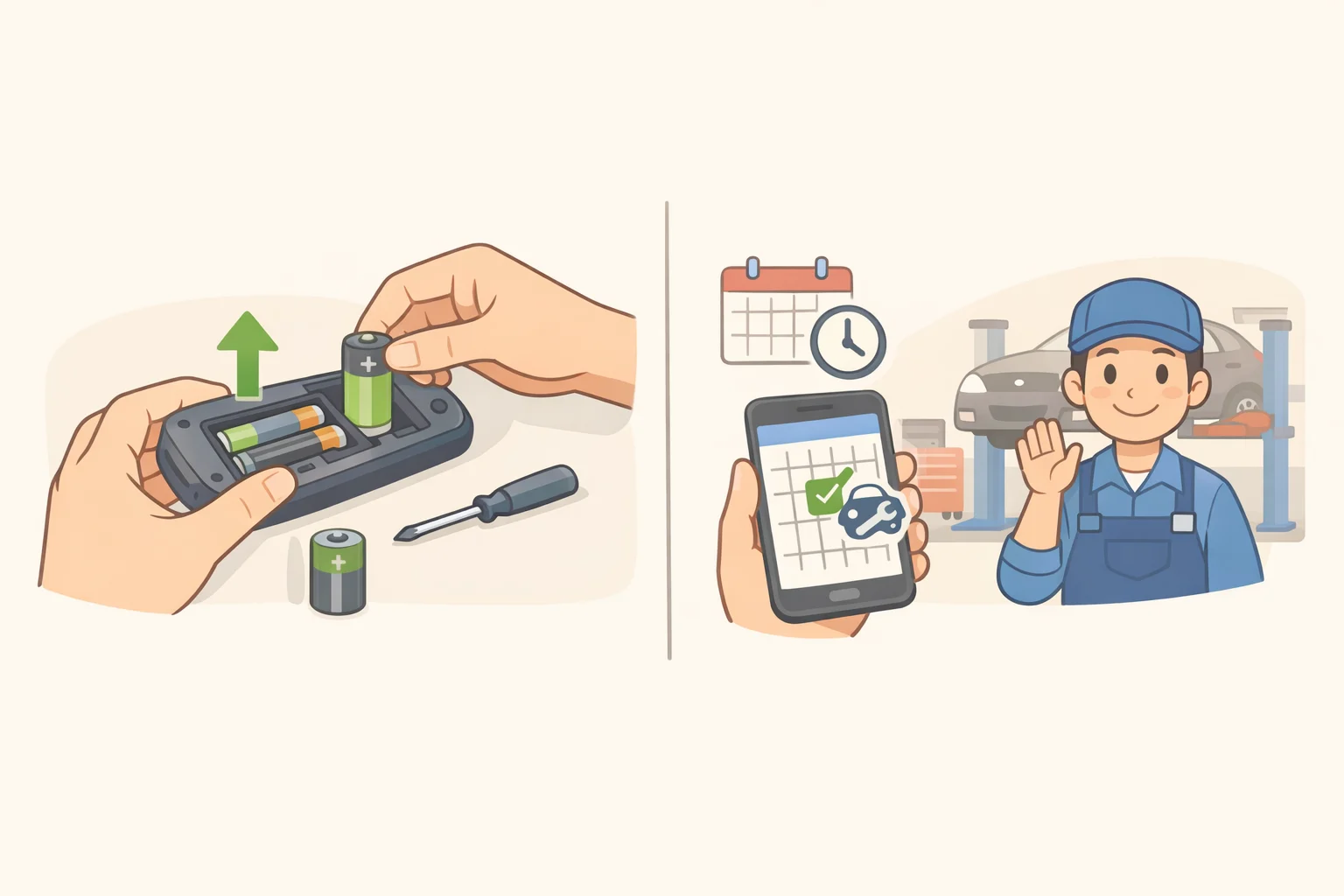
Under the Commission's revised framework, wearable manufacturers are not required to design batteries that owners can remove. They must ensure an independent professional can do so. The difference sounds minor. It isn't.
Think of it like being able to refuel your own car versus needing a mechanic to unlock the fuel cap first. The fuel is technically still accessible, but the friction, the cost, the appointment, the wait, changes whether most people ever bother. One model puts control in the consumer's hands; the other reintroduces gatekeeping at every step.
Dropping the user-replaceability requirement is a clear win for manufacturers. Redesigning smartwatches and smart glasses to meet full user-replaceability standards would have required significant engineering changes, The Register noted this week.
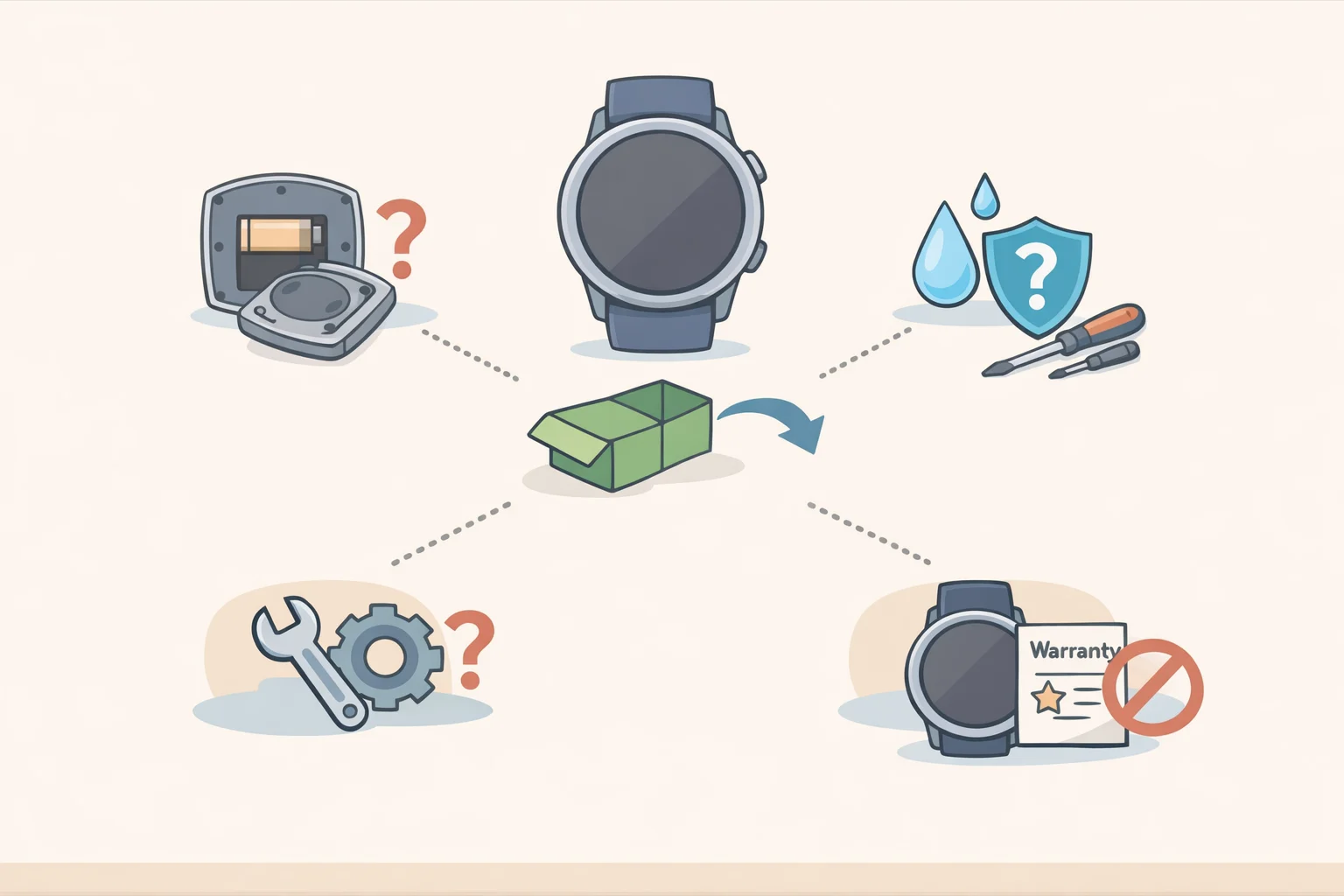
The practical questions the current draft leaves unresolved are not footnotes. They determine whether professional replacement functions as a genuine consumer right or as a compliance checkbox:
- The draft does not define what qualifies as an "independent professional," whether that means any trained technician or only manufacturer-authorized service centers.
- There is no established requirement for manufacturers to supply replacement batteries, tools, or service documentation to independent repairers.
- Software pairing restrictions, which can make a replacement battery unrecognizable to a device, are not addressed in the current draft. Consumer Reports documented in late 2024 that manufacturers have consistently built products with features that block repair, including software that ties a device's parts to the device itself. The current draft is silent on whether that practice changes.
- The draft does not address geographic access. Whether professional battery service is practically available, as opposed to theoretically permitted, is a question the regulation currently leaves open.
None of these are edge cases. They're the mechanism by which the exemption either becomes a real repair pathway or becomes paperwork.
What this means if you're buying a smartwatch in 2026 or 2027
Start with the baseline behavior the current system produces. A Consumer Reports survey from late 2024 found that roughly 62% of consumers replace a device entirely when the battery degrades, while only about 29% replace the battery. That data covers consumer electronics broadly, not wearables specifically, but the pattern is consistent with what constrained access tends to produce across a product category.
The more telling number comes from the same survey: when manufacturers provided an accessible battery-replacement option, 62% of respondents said they would use it as long as it didn't void the warranty, and another 18% said they'd replace the battery even if it did. The problem isn't consumer indifference. It's that the option rarely exists in a usable form.
For context on what's technically possible, the UNA Watch is built around a replaceable hard-shell battery alongside dual-frequency GPS, heart-rate monitoring, and SpO2 tracking, according to a MAXMAG review from earlier this year. The design philosophy is explicit: damaged or aging parts should not automatically end the life of the whole product. It's a niche product, not a mainstream one, and a single example doesn't establish what's economically viable at scale. But it does confirm that the design tradeoffs exist on a spectrum, not as a binary between "sealed and functional" and "repairable and compromised."
The honest framing is that "technically difficult" and "commercially inconvenient" overlap in this category. The exemption doesn't force any major manufacturer to find out where that line actually falls.
For anyone buying a smartwatch from a major brand in 2026 or 2027, the practical picture looks like this:
- User-accessible battery compartment: Don't expect one. The regulation that might have forced it has been revised before it ever took effect for wearables.
- Professional battery replacement: Theoretically possible, but worth checking whether the manufacturer supplies parts and documentation to independent repairers, or only to its own service network.
- Software restrictions: Check whether the manufacturer has a history of software-pairing components. If they do, professional replacement may be technically blocked regardless of what the regulation requires.
- Warranty terms: Consumer Reports found that 62% of people would replace a battery as long as it didn't void the warranty. Knowing the manufacturer's policy before purchase matters.
None of those questions have regulatory answers yet. Whether they get any depends on how the Commission finalizes the rules.
A draft, not a done deal, but the direction is clear
The 2027 deadline still applies to smartphones, laptops, and other portable devices. The Batteries Regulation isn't dead, and how it plays out across those categories will have implications for broader design norms, per both The Register and Engadget this week.
The professional-replacement pathway the Commission is offering for wearables is only meaningful if parts are available, service is affordable, and software restrictions don't block independent technicians. None of that is resolved in the current draft. The open questions around parts access, software unlocking, and service availability are exactly where advocacy groups focused on right-to-repair have room to push before the rules are finalized.
The UNA Watch demonstrates that repairable wearables can be built, its design centered on the principle that a failing component shouldn't condemn the whole device, per MAXMAG. Its niche status reflects how far market incentives currently are from producing that approach at volume.
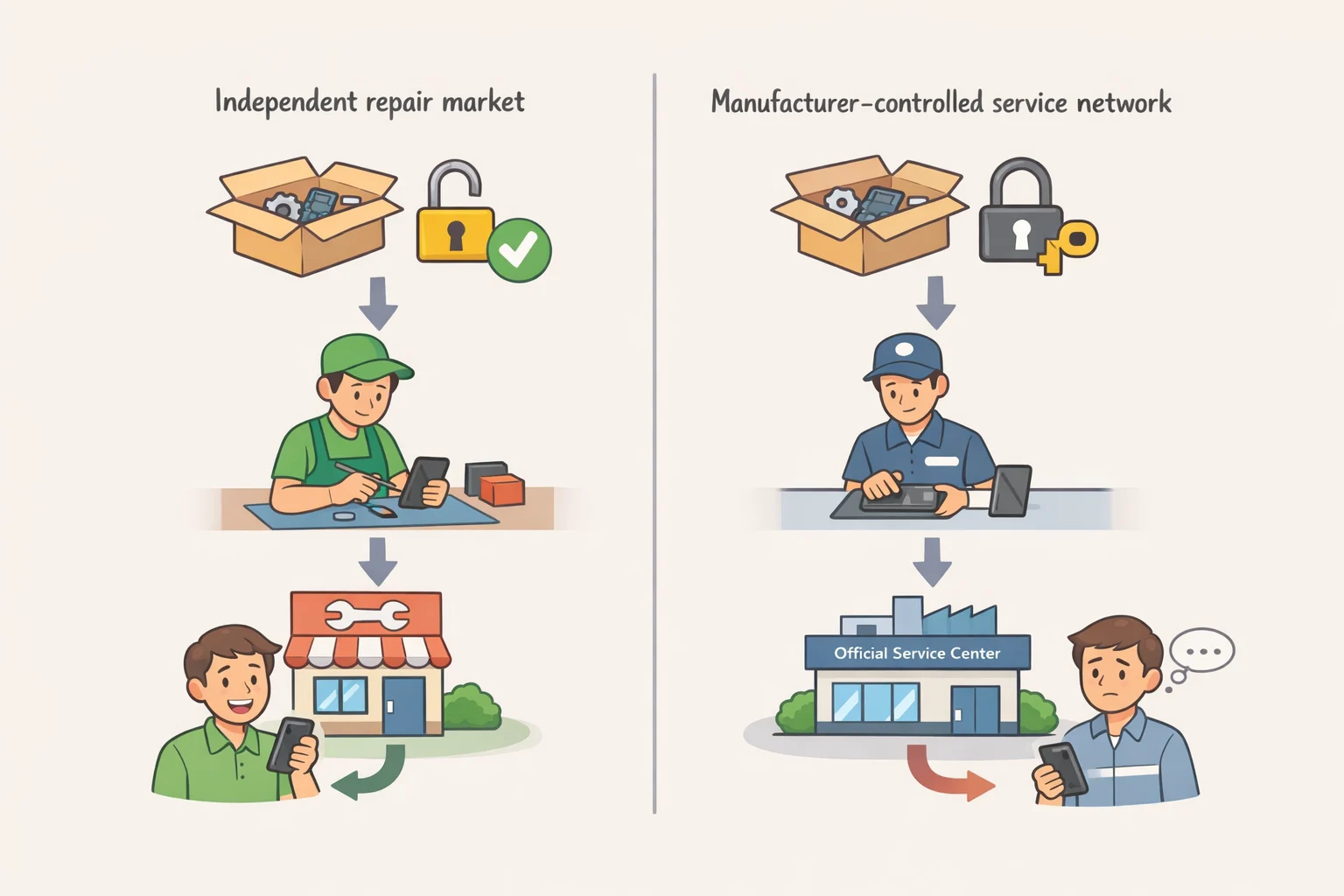
The bigger question the Commission hasn't answered is whether "replaceable by a professional" will produce a functioning independent repair market or a tightly controlled manufacturer service network in a different jacket. For anyone buying a wearable today and expecting EU rules to eventually force something closer to user-replaceable battery access, the realistic answer is: not from this regulation, not for this category, not on the current timeline. The rule changed before it arrived.