Roborock LiDAR Robot Lawn Mower Deal: Who Should Buy It
The Roborock RockMow X120H announced at CES in January as the RockMow X1 LiDAR launched on Amazon last week at an introductory $2,500, down from its $3,200 list price. The $700 discount on this LiDAR robot lawn mower is real. Whether it makes the machine worth buying depends almost entirely on whether your yard has a clear view of the sky.
That's not a vague criterion. It's the structural difference between the X120H and Roborock's own $1,299 RockNeo Q110H, which uses RTK combined with VSLAM navigation, according to The Verge, which covered the model six weeks ago. The X120H swaps that satellite-dependent system for a 360-degree LiDAR scanner that builds its map without any external signal or guide wires. For yards where RTK antenna placement is straightforward, that difference costs you an extra $1,201. For yards where it isn't, the premium has a clear technical justification.
No independent reviewers have tested the X120H yet. Every performance figure in this article comes from Roborock unless otherwise noted.
The one problem LiDAR solves and whether you have it
Video of the Day
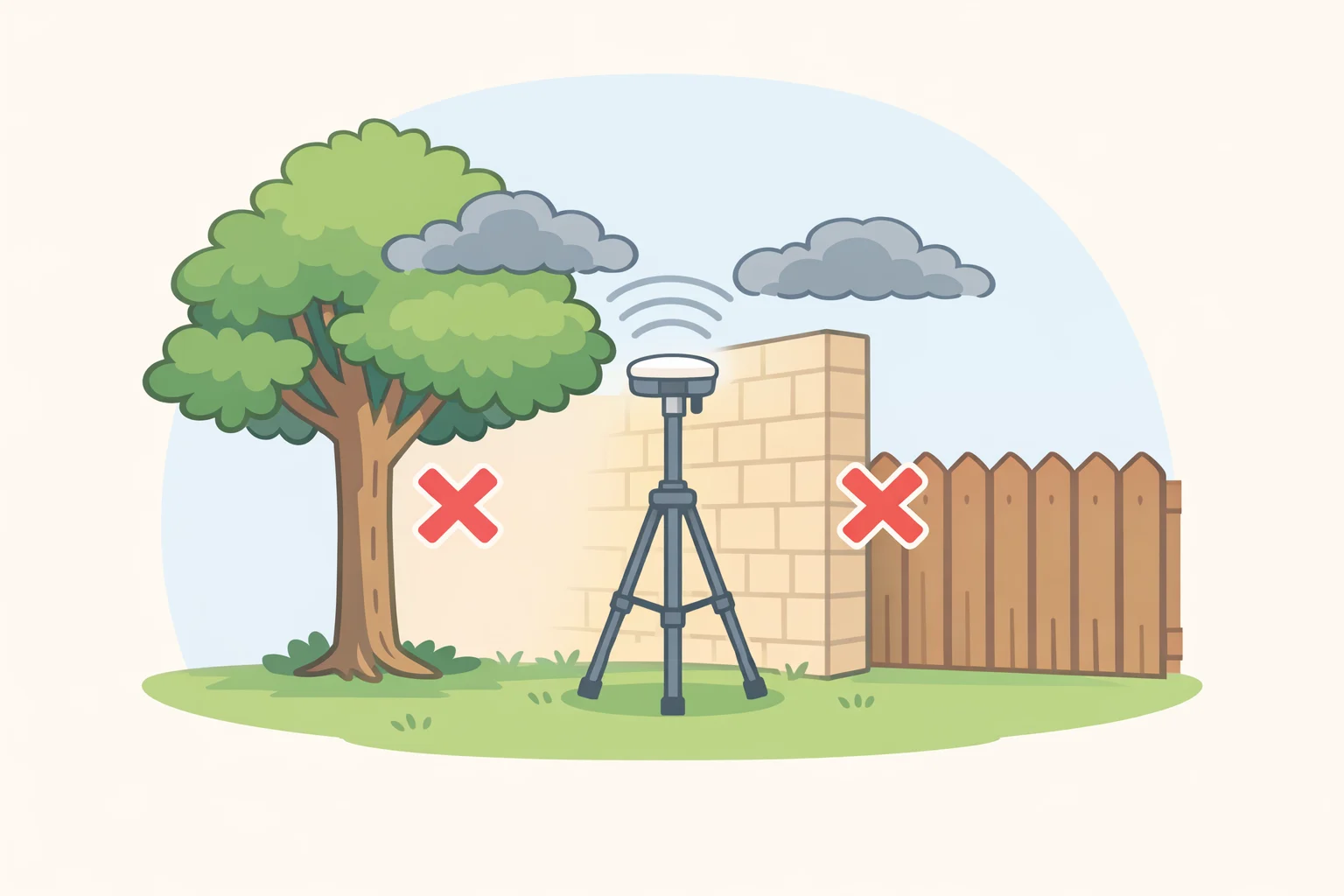
RTK navigation requires an antenna placed in an open area with a clear view of the sky, at least two meters from walls and trees, standing upright, Senses found while testing a related Roborock model six weeks ago. In a yard bounded by fencing, shaded by mature trees, or hemmed in by the house on multiple sides, that placement requirement can make reliable RTK setup genuinely difficult. Not as a one-time inconvenience as a structural constraint of the technology.
The X120H avoids the problem by not relying on a satellite fix at all. Its LiDAR scanner builds a map autonomously, and Roborock claims the machine can do this without any manual boundary input, Gizmodo reported last week. The navigation pairs LiDAR with VSLAM, The Verge noted at the CES announcement earlier this year.
During testing of the related RockMow Z1, Roborock pushed a software update that added AI mapping the mower detected its own operating boundaries without manual input, Senses reported six weeks ago. That test covers the Z1, not the X120H, so the proxy is imperfect. It does show the direction Roborock's LiDAR lineup is heading, and what the intended setup experience looks like in practice.
For yards that are open and flat with unobstructed sky access, the Q110H handles the same mowing job for considerably less. It manages 45% slopes and uses a floating cutting deck to absorb ground irregularities, The Verge reported six weeks ago. More independent reporting exists on that model, and the price gap is significant when the navigational advantage of LiDAR simply doesn't apply to your situation.
Video of the Day
What the Roborock RockNeo mower deal actually gets you at $2,500
The terrain capability is legitimately strong on paper. Roborock specs the X120H with all-wheel drive, slope handling up to 38.7 degrees, obstacle clearance up to 3.1 inches, and a cutting height adjustable from 1.6 to 3.5 inches, per Gizmodo. The IPX6 waterproof rating means it handles rain and can be hosed off after use a practical detail that matters more than it sounds for outdoor equipment that runs in wet conditions and accumulates grass clippings. The company also claims it covers up to half an acre per day, though that figure comes from Roborock and has not been verified by independent testing.
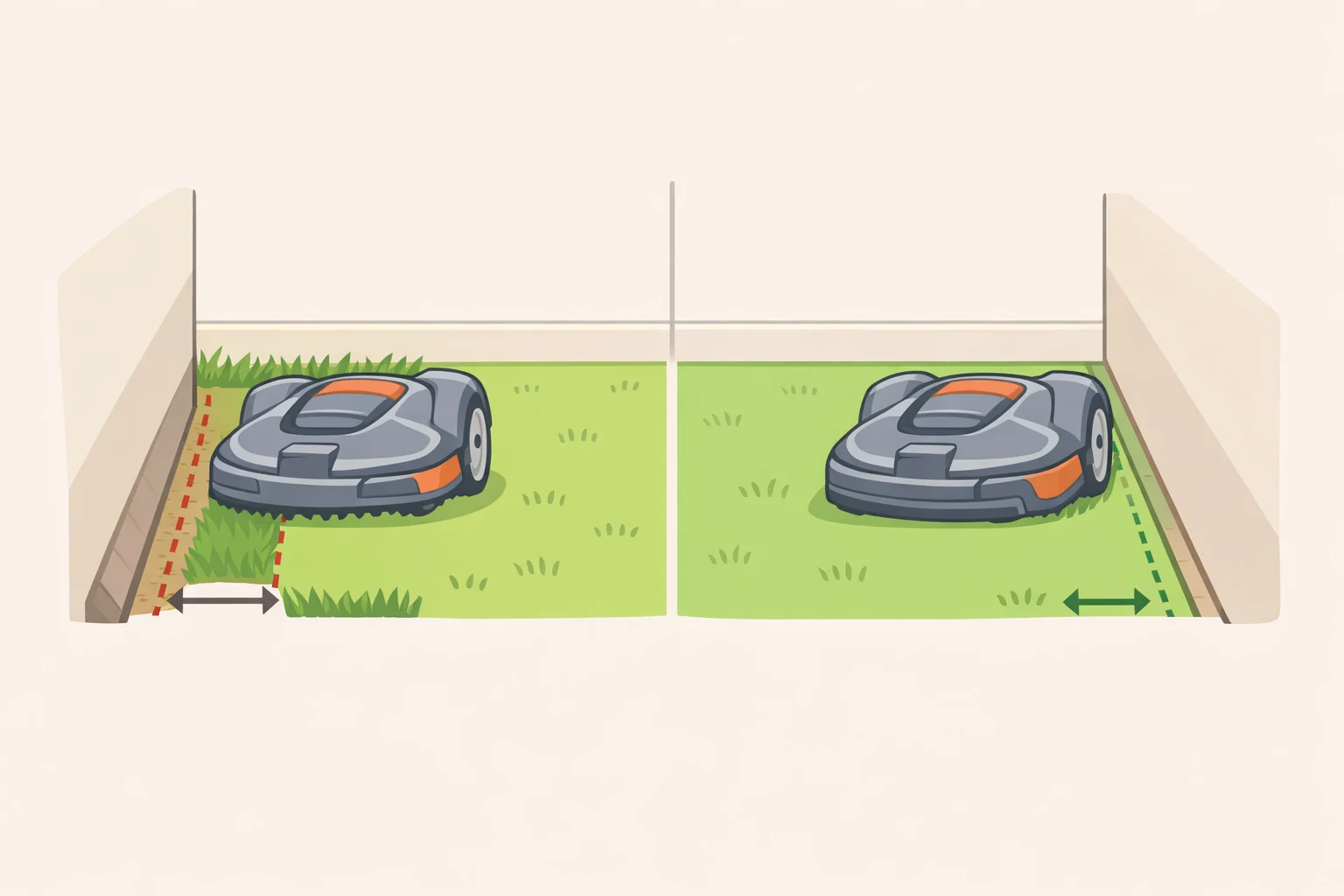
The edge-cutting claim needs a footnote. Roborock markets the X120H as capable of cutting within 3 centimeters of a wall. Technically accurate but it requires the optional PreciEdge module, sold separately at around 100 euros in Europe, Notebookcheck reported this week. Without it, the mower leaves roughly 10 centimeters uncut along edges, Senses found in testing six weeks ago. At $2,500 before accessories, that gap matters. Edge finish is an upsell, not a default, and US pricing for the PreciEdge module has not been confirmed.
The most useful real-world operating data available covers the entry-level RockNeo Q105, not the X120H. In measured testing under a three-sessions-per-week mowing schedule, the Q105 drew 10 watts at standby while docked and consumed approximately 9 kWh per month, Notebookcheck found this week. The Q105 is a smaller, simpler machine, so those numbers don't transfer directly to the flagship. But standby draw is a real operating cost that manufacturers rarely foreground, and Roborock's entry-level result is a useful data point for anyone keeping a dock powered through the season.
What remains unresolved before buying
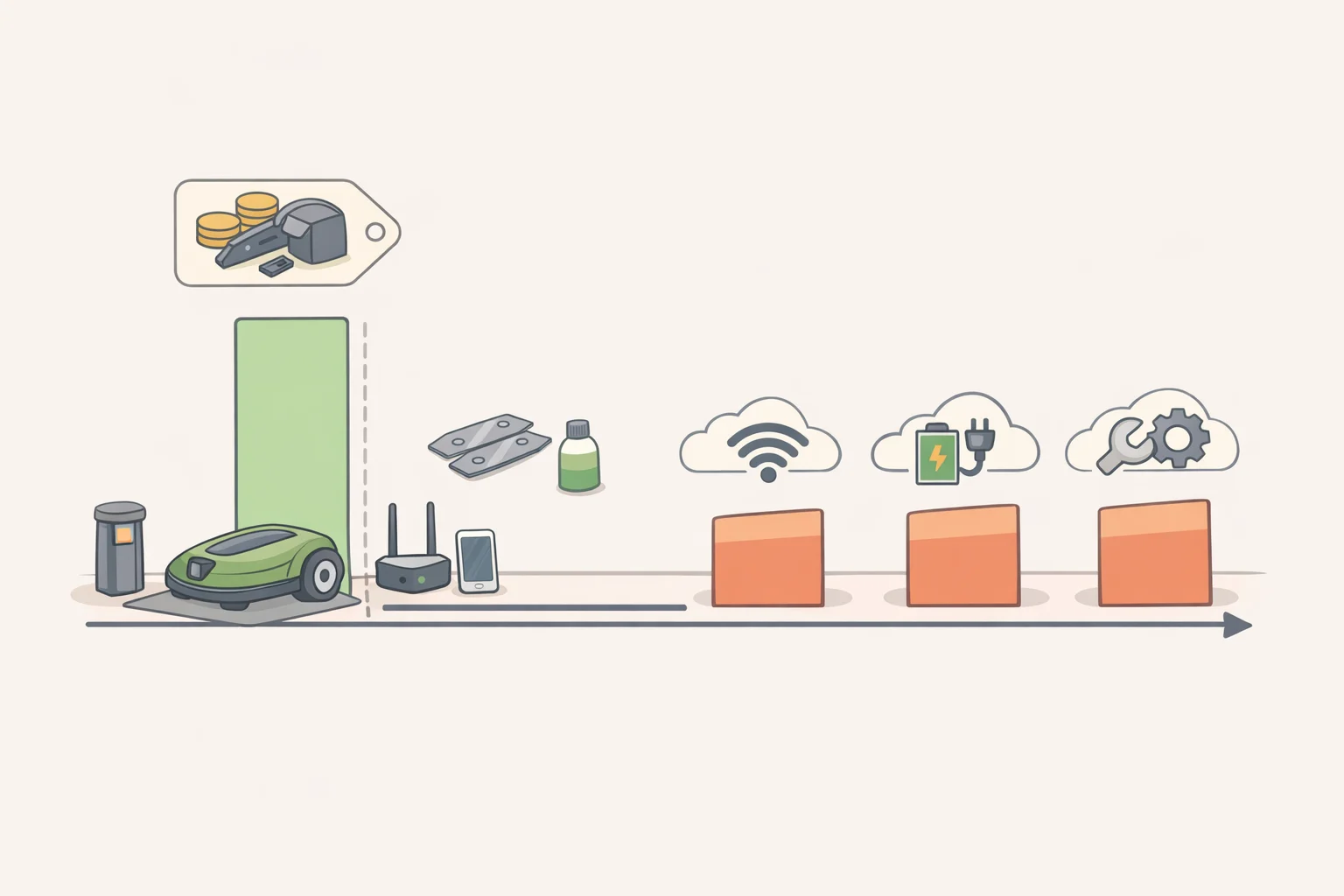
The X120H's total cost of ownership has several gaps Roborock hasn't filled.
The $2,500 price is described as introductory, which implies an end date. Roborock has not disclosed when it expires or what the price reverts to. The 4G connectivity runs three years before it potentially becomes a paid subscription what that costs afterward has not been disclosed, Gizmodo noted last week. Add the PreciEdge module, replacement blades, and eventual battery service, and the actual four- or five-year cost of ownership isn't calculable from currently available information. US accessory availability is unconfirmed across the board.
Roborock announced its first US robot lawn mowers at CES earlier this year, The Verge reported at the time. The X120H is the most technically ambitious product in that push, and it's entering a market where other LiDAR-based robot mowers already compete, so the technology itself isn't experimental. What's missing is a mowing season's worth of independent data on this specific machine how it performs across different grass types, weather conditions, and yard configurations that US buyers actually deal with.
The case for buying the X120H is straightforward for one specific buyer: someone whose yard makes RTK antenna placement genuinely impractical. For that person, $2,500 is a more defensible price than $3,200, and the LiDAR approach solves a real setup problem. For everyone else, the open questions on accessory pricing, post-trial connectivity costs, and the absence of independent performance data are good reasons to wait for the first proper reviews to land.