United Airlines Robot Ban: Which Robots Are Blocked and Why
United Airlines updated its dangerous-items policy on July 23 to prohibit humanoid and animal-like robots from all flights, placing them alongside other restricted cargo in the carrier's banned-items list, InsideFlyer reported this week. The United Airlines robot ban covers both cabin seats and checked baggage, applies regardless of a robot's size or function, and cites lithium battery hazards as the primary safety rationale. Delta Air Lines has done the same, joining Southwest, which moved first in May. Three major U.S. carriers have now restricted a device category that none of the available reporting links to any FAA or TSA guidance that preceded the bans.
That last point is what makes this more than a novelty story. Airlines appear to be writing device policy in a space regulators have not yet touched, and the definitions they produce now could serve as the starting point for whatever formal framework eventually follows.
What the United Airlines robot ban actually covers
Video of the Day
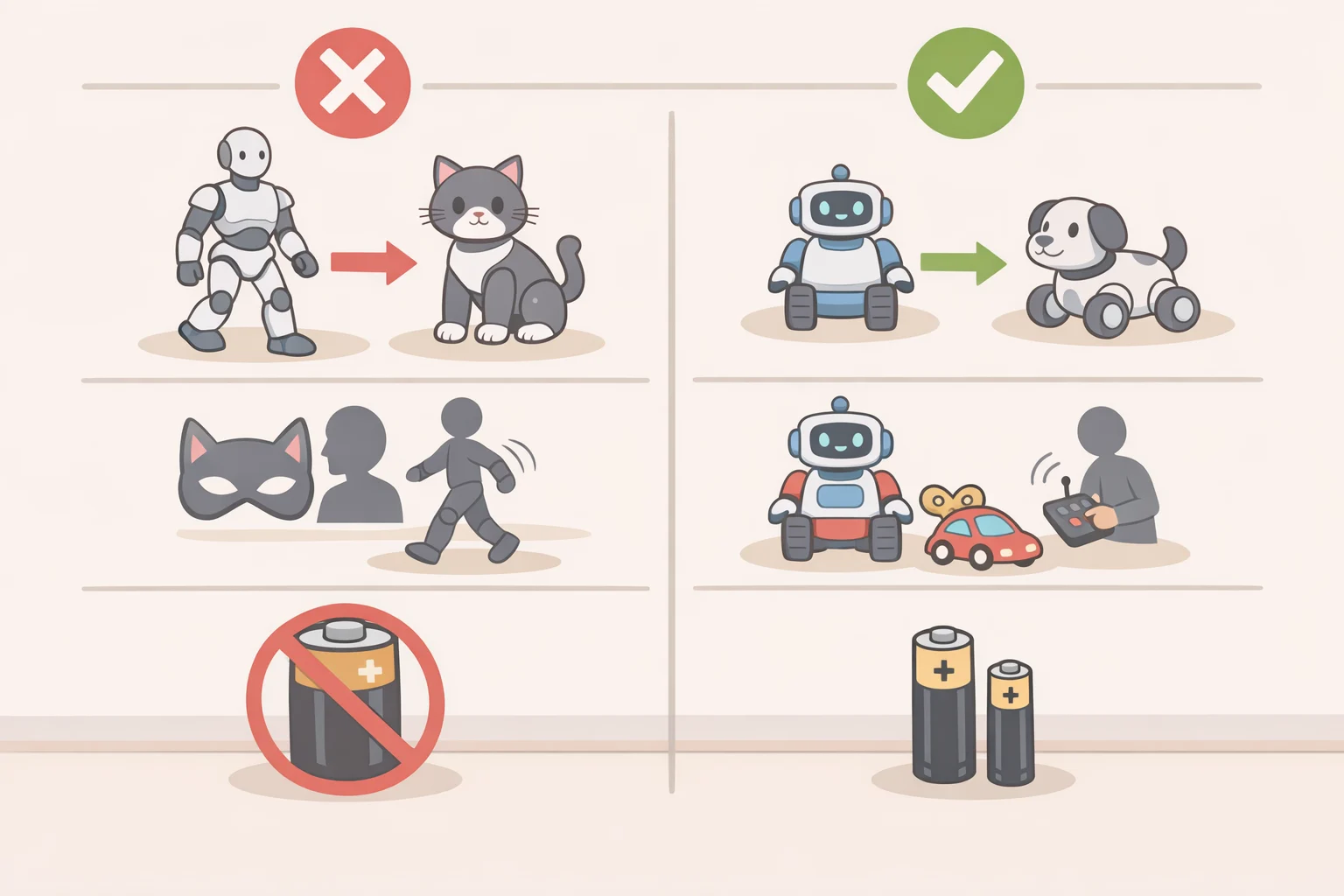
United's internal bulletin bans humanoid and animal-like robots as a category, not through individual battery assessments, InsideFlyer reported. The prohibition applies whether a robot is booked into a purchased cabin seat or loaded as checked baggage.
The policy language is specific about what qualifies. United defines a humanoid robot as an AI-driven or remote-controlled machine that mimics how a person looks, moves, thinks, or speaks. An animal-like robot is the same concept applied to animal appearance and behavior, per PCMag's coverage of the policy. Delta's version is somewhat broader, extending to any robot that resembles a human or animal in appearance, size, movement, or behavior, View from the Wing noted. The addition of "size" as a criterion could capture machines that don't closely mimic human or animal form but are proportioned like them.
Robotic toys remain permitted. Small human- or animal-shaped toys can still travel if they fit standard carry-on dimensions and comply with existing battery rules, View from the Wing and InsideFlyer both report. Delta's policy also specifies that banned robots do not qualify as assistive devices or trained service animals, heading off that classification before it becomes a workaround.
Enforcement runs from check-in to the gate. Employees have reportedly been told to stop prohibited robots before boarding, and if one reaches the aircraft, flight attendants are supposed to contact the gate and arrange removal before departure, View from the Wing reported. United has also added the restriction to its public dangerous-items page, making it visible beyond internal bulletins.
Video of the Day
The battery-safety rationale, and where it gets complicated
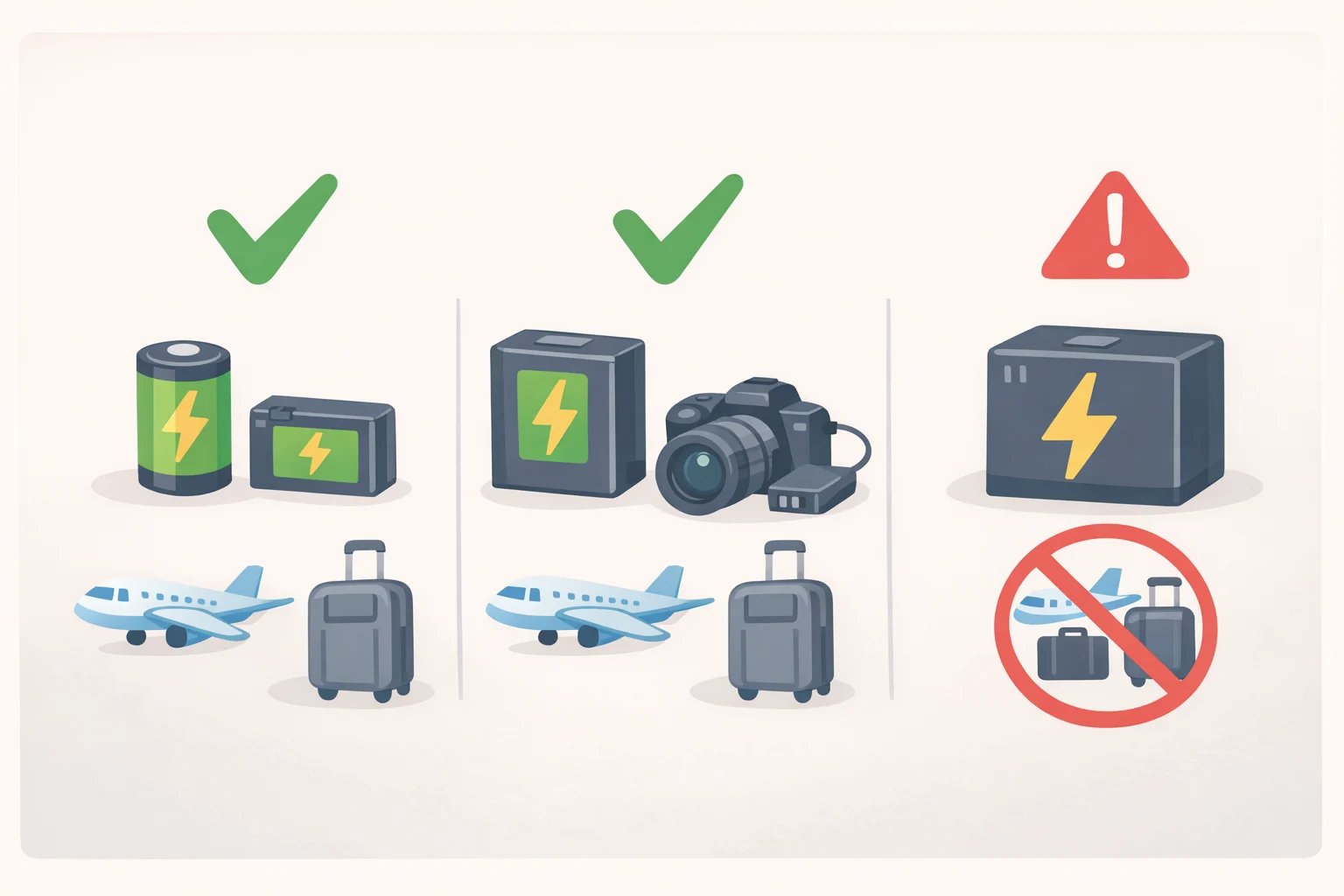
All three airlines have pointed to lithium-ion battery risk as the driving concern, InsideFlyer reported. United's existing battery thresholds cap a single cell at 100 Wh, limit two-battery devices to 160 Wh combined, and prohibit any device carrying three or more lithium batteries entirely, as TechSpot outlined.
The Stewie incident in May illustrated why those thresholds created a problem. Aaron Mehdizadeh, who runs a robot-rental studio in Dallas, flew the 3.5-foot robot on a Southwest flight from Las Vegas by purchasing it a seat and using a custom battery pack engineered to come in just under the legal limit, TechSpot reported. Technically compliant, but the kind of compliance that exposes a gap. Southwest banned robots outright two days later. A second robot, Bebop, was also cited in connection with airport delays and safety concerns around the same period, InsideFlyer noted. Southwest's position, as the airline put it, was that the restriction was necessary to ensure compliance with lithium-ion battery safety guidelines, TechSpot reported.
What none of the carriers have spelled out publicly is why a humanoid robot with a legal battery poses a different risk than a large camera system or an e-bike battery within the same watt-hour range. United's own language leaves that question open: the carrier says it will continue evaluating whether safe transport is possible, with no timeline attached, View from the Wing reported. That framing suggests the current ban is a precautionary hold, not a conclusion drawn from completed safety analysis.
Writing rules without a regulatory playbook
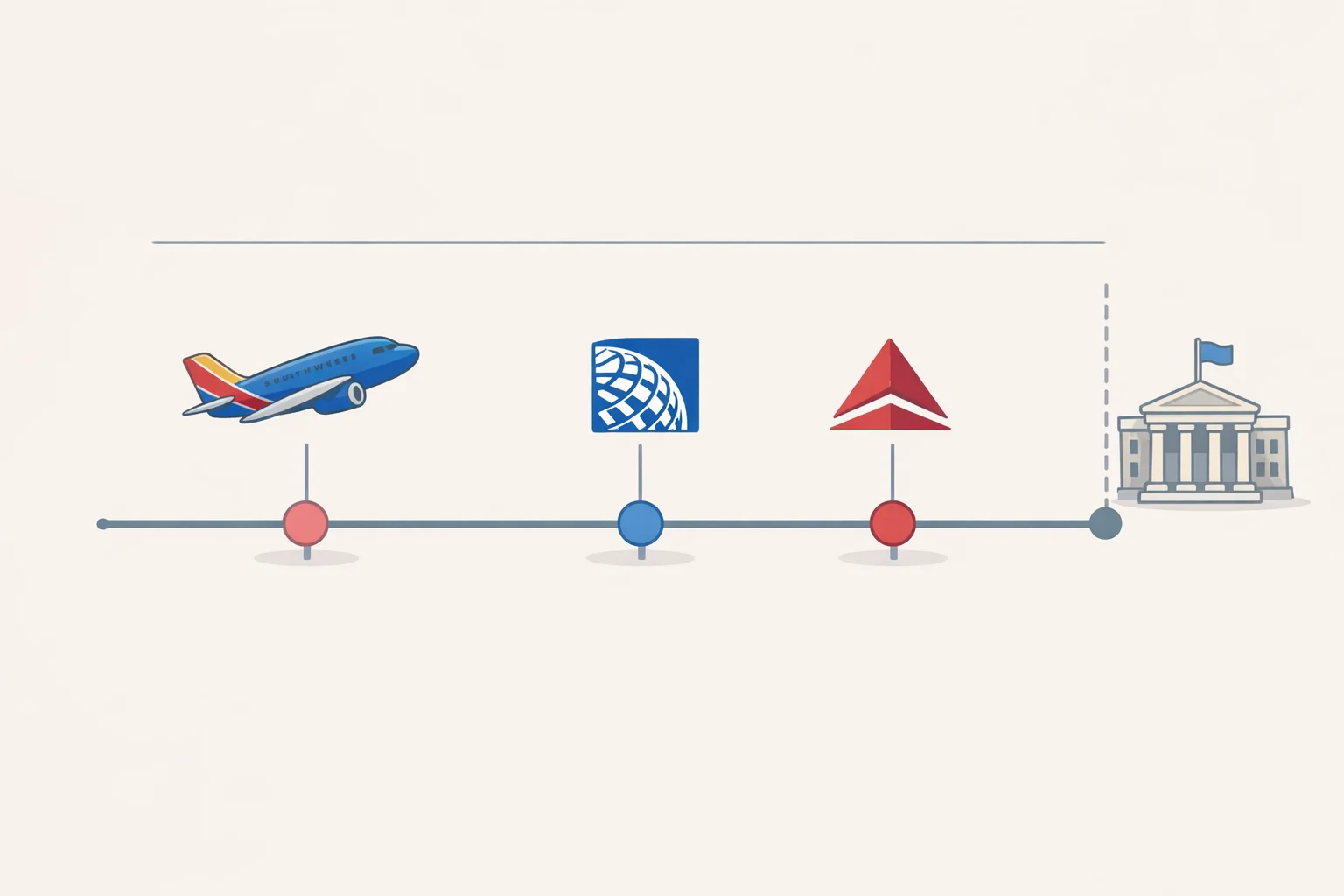
None of the reporting on these bans references FAA or TSA guidance that prompted or preceded them. Southwest moved first in May; United followed by late July; Delta's policy is already live, TechSpot reported. The sequence suggests each carrier responded to what happened to the one before it, rather than acting on shared federal direction.
The definitions they've written are functional but imprecise. The line between a banned humanoid robot and a permitted robotic toy rests on behavioral complexity and battery capacity, but neither criterion is codified with much granularity. As the hardware gap between a toy and a capable robot continues to close, those distinctions will face pressure. Delta has at least acknowledged the interim nature of what it's doing: its published baggage policy describes the ban as temporary, View from the Wing noted. United has set no review date and currently plans no exceptions for future models, InsideFlyer reported.
The broader pattern here is worth watching. Airlines moving to classify a new device category on safety grounds, before federal agencies have issued binding rules, could establish an informal industry standard that shapes how regulators eventually approach the same question. The speed at which three major carriers converged on similar policies, as TechSpot's reporting documents, shows how quickly that kind of consensus can form without any coordinating authority behind it.
What travelers need to know
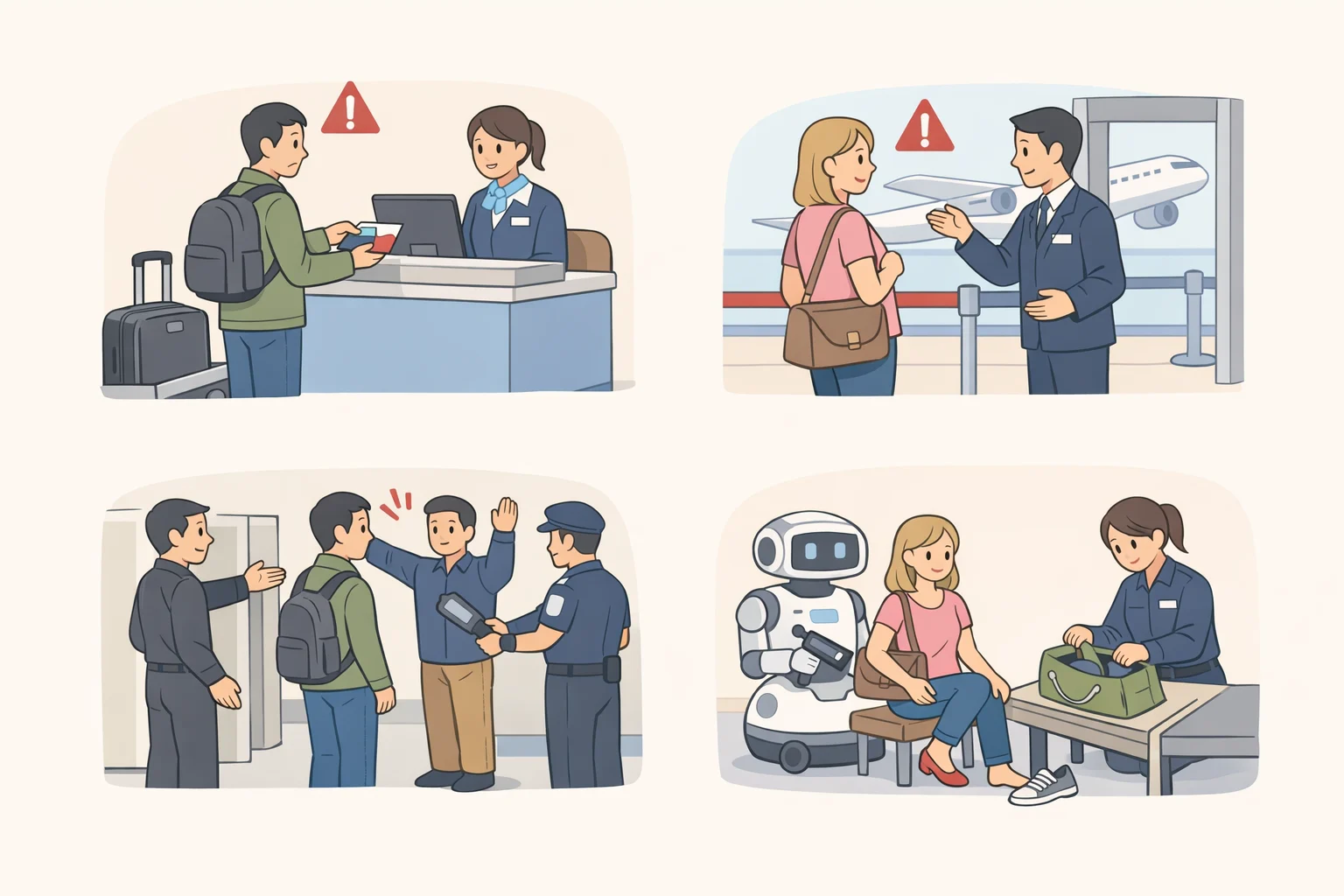
Humanoid and animal-like robots are now banned on United, Delta, and Southwest, in the cabin and in the hold. Anyone planning to travel with a lifelike robot should expect it to be flagged at check-in or the gate, InsideFlyer reported. Small robotic toys that meet standard carry-on size limits and battery restrictions remain permitted.
Three things are worth tracking from here: whether the FAA or TSA issues formal guidance, how Delta's explicitly temporary ban develops over time, and whether the toy exemption holds as consumer robotics hardware becomes more capable. The policies on the books today are placeholders written under pressure. What replaces them, and who writes the replacement, is still an open question.