Best Electric Kettle Brands Ranked: Top Picks Compared
Ask Consumer Reports and Bon Appétit to name the single best electric kettle brand, and neither will give a straight answer. They're two established outlets with different testing methods, and when you line up their results, nobody walks away with a clean sweep. For anyone trying to sort through best electric kettle brands ranked by actual lab and kitchen testing rather than star ratings on a retail page, that disagreement is the most useful piece of information available.
Consumer Reports put nine popular models through lab testing, with its results last updated roughly nine months ago. It found boil times running four to five-and-a-half minutes, only modestly quicker than the just-over-four-and-a-half minutes a gas stovetop took to do the same job (a microwave, for reference, needed nearly seven minutes). Bon Appétit has tested and retested 27 standard and gooseneck kettles over several years, with its list updated as recently as yesterday, and it still narrows things down to five standouts rather than one champion.
There's also a safety matter that has nothing to do with performance rankings. Nearly five months ago, Health Canada and the U.S. CPSC jointly recalled specific Zwilling Enfinigy kettle models over a handle defect. It gets its own section below, separate from anything about which kettle pours or brews best.
This isn't a ranking of every kettle on the market; the testing data simply doesn't support one. What follows is a close look at the models Consumer Reports and Bon Appétit have actually put through their paces, organized by what each one does well, followed by the recall details anyone shopping right now should check first.
How Consumer Reports and Bon Appétit actually test kettles
Video of the Day
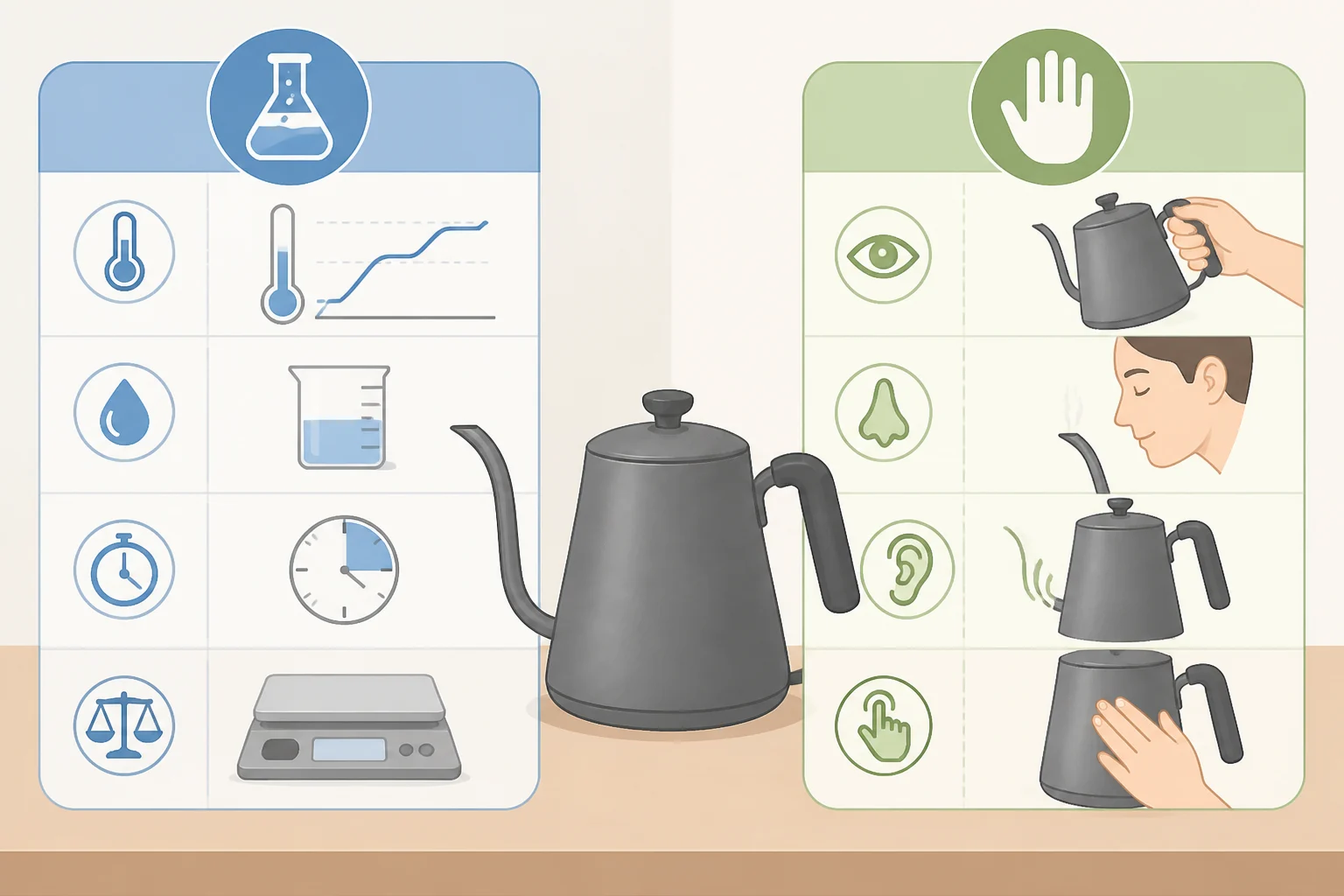
The two outlets aren't measuring the same things, and that's why they land in different places. Consumer Reports runs a lab-based comparison: boil time, heat retention (how long a kettle keeps water warm after boiling), how easy the water-level markings are to read, and how much effort it takes to clean the interior and the scale filter that traps mineral deposits. Across nine models, from brands including Amazon Basics, Bella, Black+Decker, Breville, Cuisinart, Hamilton Beach, Ovente, OXO, and Secura, capacities ranged from four to seven cups and prices spanned $20 to $180, according to Consumer Reports.
Only four of those nine made the outlet's featured list, and they're presented alphabetically, not ranked. The "top-rated" label Consumer Reports applies goes specifically to the Secura Original's score, not to a first-through-fourth hierarchy across the group, per Consumer Reports.
Bon Appétit's approach is more hands-on and editorial, built around a much larger pool. Its testers check temperature accuracy against an instant-read thermometer, how a kettle feels in hand when full, how smoothly it pours, how intuitive the controls are, and whether the water picks up any metallic taste, a complaint the outlet says showed up often enough in customer reviews to warrant its own test. Favorites also get used all year to see how they hold up beyond the first few pours, according to Bon Appétit. Two different test designs, two different sets of winners. Worth remembering before anyone reads a single "best kettle" review as gospel.
Video of the Day
The tested models, evaluated on their own merits
Each standout earns its spot for a specific, documented reason, not a vague quality score. Start with OXO, because the brand shows up in both outlets' tests, but not for the same product.
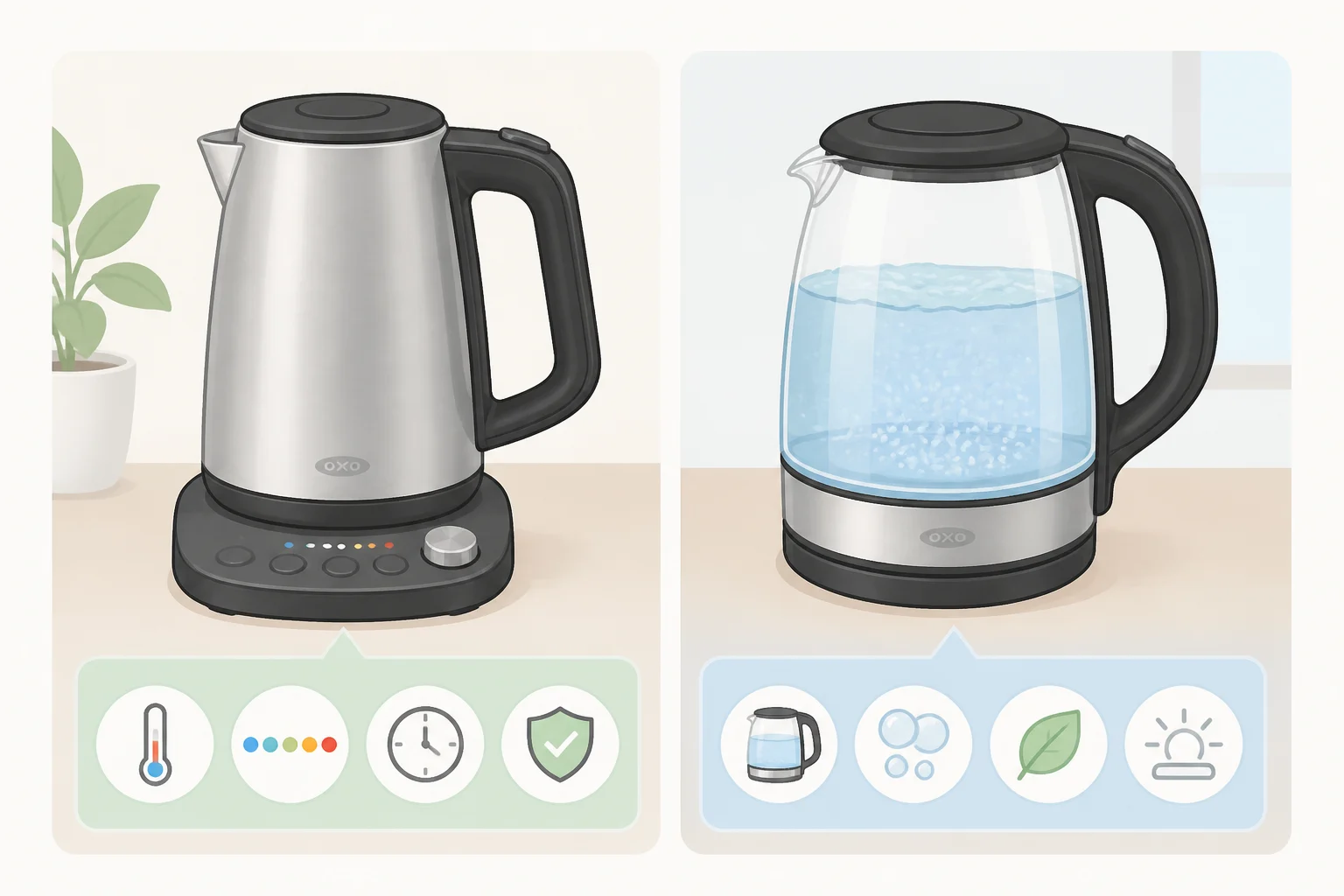
Bon Appétit's overall pick is the OXO Variable Temperature Electric Kettle, which it calls the only standard-spout kettle in its price range offering single-degree temperature control across the full range from 104°F to 212°F. Testers noted the kettle reached a rolling boil about two seconds before its digital display read 212°F and eight seconds before the chirp confirming target temperature. Its Keep Warm mode holds that temperature for up to 30 minutes, and it carries a two-year warranty, per Bon Appétit.
That's a different kettle from the one Consumer Reports tested. Its model is OXO's glass kettle, which came out as the easiest of the nine to clean, earning an excellent rating there. The tradeoff: it ran tall, just over 11 inches, the tallest in the test group, and it didn't retain heat as long as its competitors, according to Consumer Reports. Two different OXO products, two different strengths. Worth knowing before assuming one test result applies to the other model.
Fellow occupies the pour-over end of the market. The Stagg EKG Pro pairs a gooseneck spout with a brew stopwatch, adjustable hold times of 15, 30, 45, or 60 minutes, scheduled brewing, and guided temperature presets built for specific coffee and tea styles, a setup Bon Appétit describes as purpose-built rather than a general kitchen appliance. The simpler Fellow Clyde trades precision for capacity, holding 1.5 liters, more than many kettles in the test pool, but it's boil-only with no temperature programming, and it sits at a premium price point, per Bon Appétit.
Secura and Cuisinart split the difference between simplicity and features. Secura's Original kettle was Consumer Reports' top scorer for heat retention, holding four cups of boiled water warm for 75 minutes, longer than any other model tested, with a two-year warranty. Cuisinart's PerfecTemp CPK-17 counters with six temperature presets geared toward different teas and French-press coffee, seven-cup capacity, and a three-year warranty, the longest coverage among the four featured models, according to Consumer Reports.
At the budget end, Amazon Basics turns up in both tests with different models again. Consumer Reports' stainless-steel version boiled water in just under four minutes, a very good rating, but it was the hardest of the nine to clean and the smallest by capacity at four cups, backed by only a one-year warranty. Bon Appétit separately tested a 1.7-liter glass Amazon Basics kettle as a no-frills, boil-only option with no presets and no keep-warm function, just a blue indicator light that switches off once the water boils. Hamilton Beach's compact gooseneck also earned a niche recommendation from Bon Appétit for smaller kitchens where a full-size gooseneck kettle wouldn't fit comfortably on the counter.
Safety alert: what to know about the Zwilling Enfinigy recall
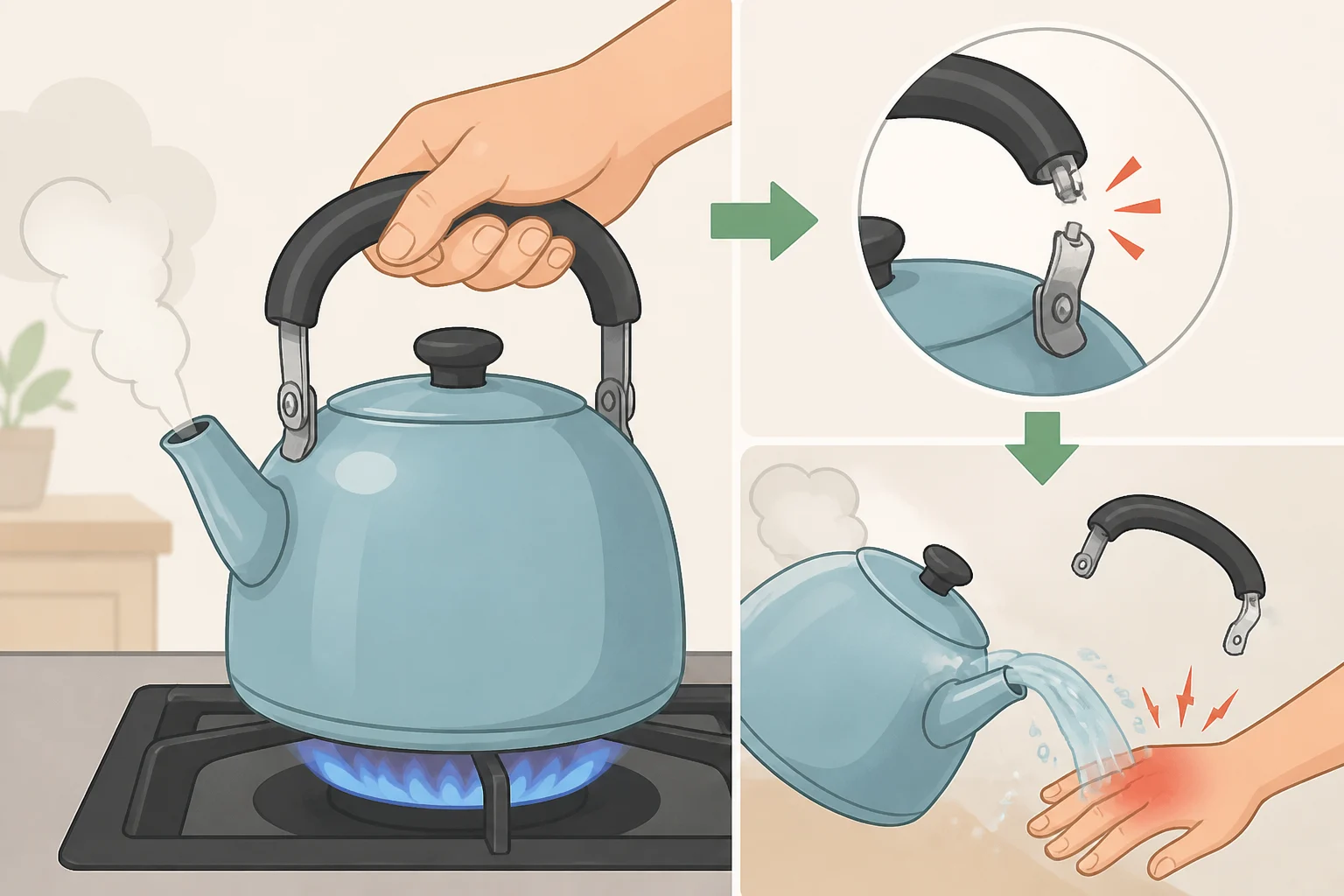
This part has nothing to do with how well a kettle boils water. Health Canada, working jointly with the U.S. CPSC and Zwilling, recalled the Zwilling Enfinigy Kettle and Enfinigy Kettle Pro, both 1.5-liter models, nearly five months ago over a handle defect. Affected units are marked "MAX 1.5 L" or list a maximum capacity of 10 cups, with the exact figure confirmed on a label inside the appliance.
The defect lets the handle loosen or detach entirely during use, which in isolated cases has caused hot water to spill and created a scalding risk, including to bystanders and small children nearby. As of mid-May 2026, Zwilling reported receiving 21 incident reports and one potential injury in Canada, along with 96 incident reports and one potential injury in the U.S., per Health Canada.
The company sold roughly 43,963 units in Canada and 113,590 in the U.S. between February 2020 and February 2026. Anyone with an affected kettle is instructed to stop using it immediately and register for a refund. In Canada specifically, the Consumer Product Safety Act also prohibits reselling, giving away, or otherwise redistributing a recalled product, so passing along an old kettle isn't an option there even informally. The notice is also listed on the OECD's Global Portal on Product Recalls. Anyone affected can reach Zwilling at 1-866-963-4583 or by email at [email protected], according to Health Canada.
This is scoped to two specific 1.5-liter models, not a verdict on Zwilling's broader product line. Still, it's worth checking that interior capacity label before anything else, including before reading the rest of this comparison.
Electric kettle brand comparison: which model fits your kitchen?
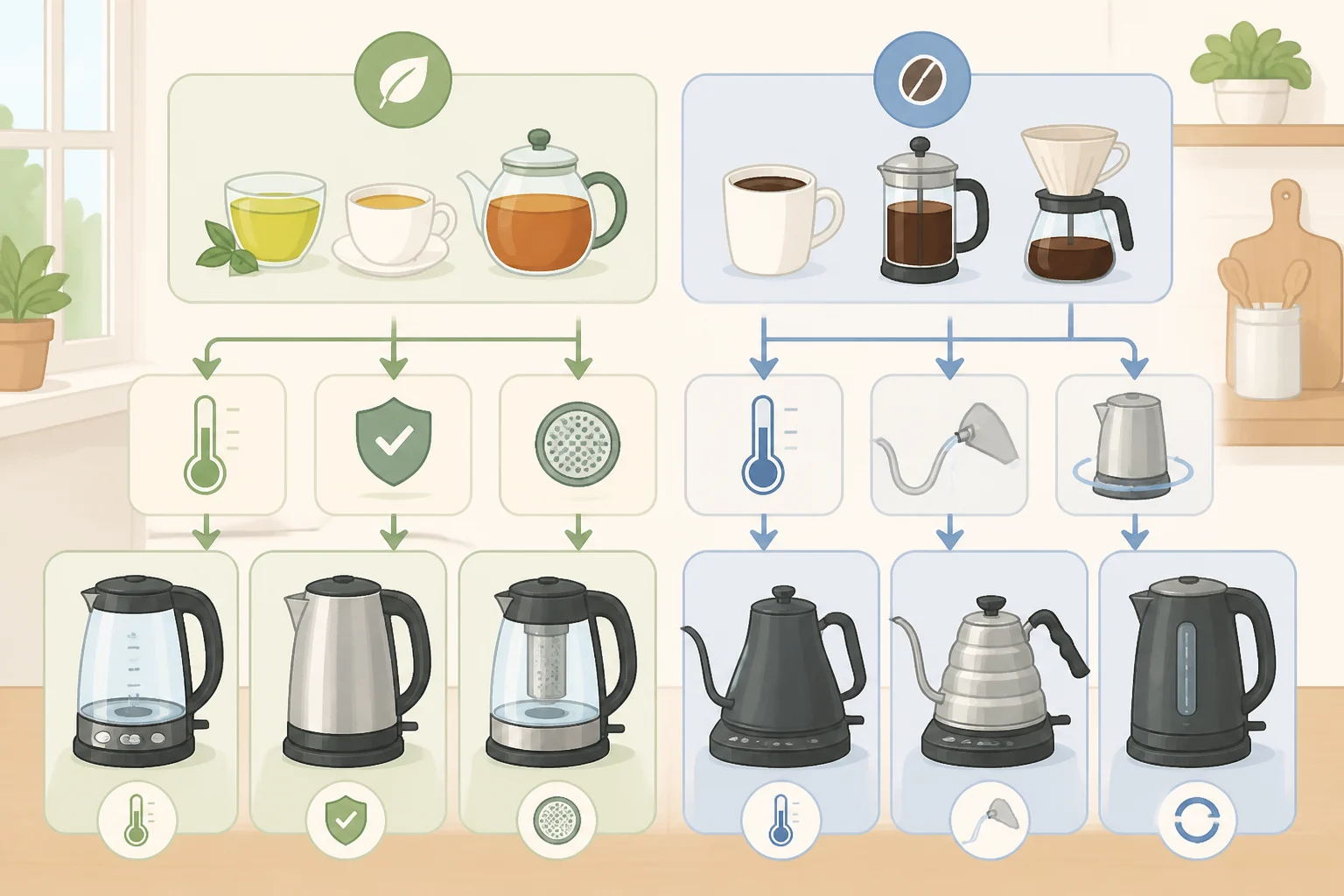
Once the recall check is out of the way, the question becomes which electric kettle brand actually fits how someone makes tea or coffee. The testing supports a short, specific answer for each use case rather than one brand that wins across the board.
For delicate teas that need precise, repeatable temperatures, the OXO Variable Temperature kettle's single-degree control stands out, since Bon Appétit found no other standard-spout kettle in its price range offering that level of precision. For controlled pour-over coffee, the Fellow Stagg EKG Pro adds scheduling, a brew stopwatch, and guided presets the OXO doesn't offer, a real difference for anyone dialing in a specific extraction rather than just getting water hot, per Bon Appétit.
Households that want water to stay hot for a while without a dedicated warming mode should weigh Secura's 75-minute retention result, the strongest Consumer Reports recorded. Anyone who wants preset temperatures without committing to a gooseneck spout has Cuisinart's six-preset PerfecTemp, which also offers the largest capacity among the four featured models at seven cups and the longest warranty at three years, according to Consumer Reports.
Buyers who care most about price can reasonably choose Amazon Basics, provided they accept the tradeoffs: a smaller four-cup capacity in the Consumer Reports model, a tougher cleaning process, and a shorter one-year warranty compared with the two- and three-year terms OXO, Secura, Fellow, and Cuisinart offer. For smaller kitchens where a full gooseneck kettle won't fit, Hamilton Beach's compact version is the one Bon Appétit singles out, per Bon Appétit.
No universal best, but a workable shortlist
No brand topped both outlets' tests because the outlets aren't measuring the same qualities. Consumer Reports is measuring lab-repeatable numbers: how long water stays hot, how easily a kettle's interior wipes clean. Bon Appétit is measuring lived-in experience: how a kettle feels in the hand, whether it hits a target temperature precisely enough for a specific cup of coffee. Recommending by category, rather than forcing a single winner, is the honest read of what the data actually shows.
Boil speed, long treated as the obvious differentiator, turns out to be a weak signal. Electric kettles beat a gas stovetop by well under a minute in Consumer Reports' test, which means warranty length, cleaning ease, and capacity do more to separate good kettles from great ones over years of daily use than a few seconds saved at the start.
The market keeps moving, too. Bon Appétit's latest round already tested newer entrants, the Saki Luna Pro, Aarke Electric Kettle, and Balmuda MoonKettle, and found them solid enough to earn a spot on the list without unseating any of the current picks. Consumer Reports' nine-model pool includes Bella, Black+Decker, Breville, and Ovente, brands that were tested alongside the four featured winners but didn't make that featured cut. None of that closes the book on which electric kettle brand is best going forward; it just means the current shortlist has held up against fresh competition so far. This is a comparison of what's actually been tested, not a final word on the entire market, and anyone shopping should treat it that way.