Amazon Alexa Tablet Kindle Mode: What Changes by Model
Amazon's three new Alexa tablets, unveiled yesterday, share a feature the company calls Kindle Mode: open a book in the Kindle app and the tablet silences notifications, dims blue light and shifts into a reading-focused display automatically, according to About Amazon. The Amazon Alexa tablet Kindle Mode feature runs on every device in the new lineup, from the $229.99 Alexa Tablet 8 up through the $549.99 version of the flagship Alexa Tablet 12 Pro.
What separates the three models is hardware, not software. Amazon's showcase reading upgrade, a Nanomatte display designed to reduce glare while preserving detail and color, is available only on the 12 Pro and adds to its price (WIRED; Engadget).
Amazon announced the lineup on Oct. 8 with Alexa+ built in and a jump to Android 16. Preorders are open now in the US, Mexico and Canada, with shipping set to begin Oct. 14 (WIRED).
Amazon Devices chief Panos Panay has framed the tension in the product directly. "You could argue that I'm challenging my own Kindle business by creating an Alexa tablet that does incredible Kindle work," he said, while calling the result "rad for the customer" (Engadget).
Three models, one feature: comparing the lineup
Video of the Day
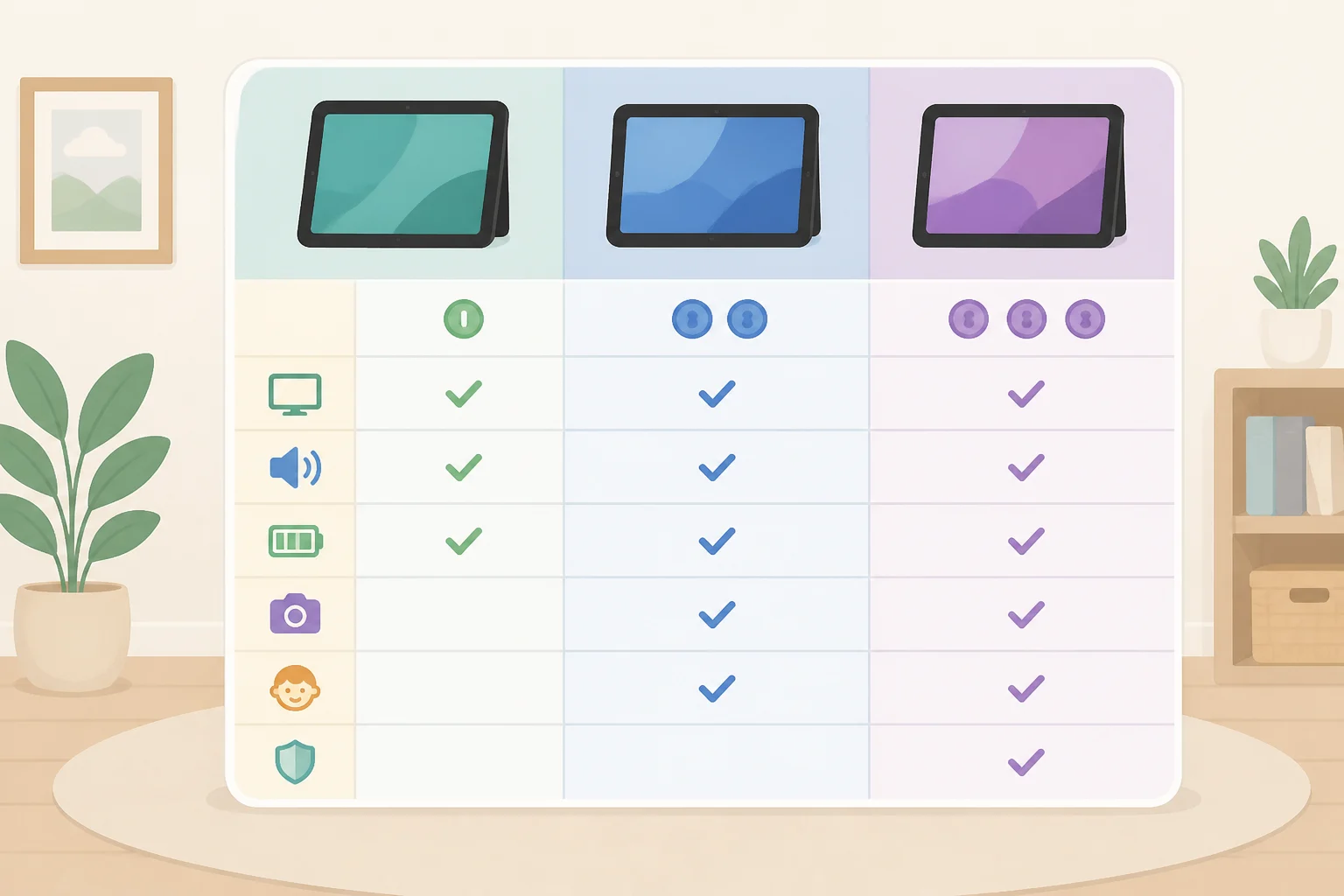
The pricing ladder is straightforward, even if the hardware underneath it isn't:
- Alexa Tablet 8: $229.99
- Alexa Tablet 11: $329.99
- Alexa Tablet 12 Pro: $499.99 with the standard display, $549.99 with Nanomatte
Kindle Mode itself is identical across all three, which means the Amazon Alexa Tablet Kindle experience, on paper, costs the same whether a buyer spends $230 or $550 (Engadget). What changes with price is the screen beneath that software: the optional Nanomatte finish is specific to the 12 Pro, and it's the one hardware upgrade that never trickles down to the 11 or the 8.
Video of the Day
Kindle Mode on Alexa tablets: the baseline every buyer gets
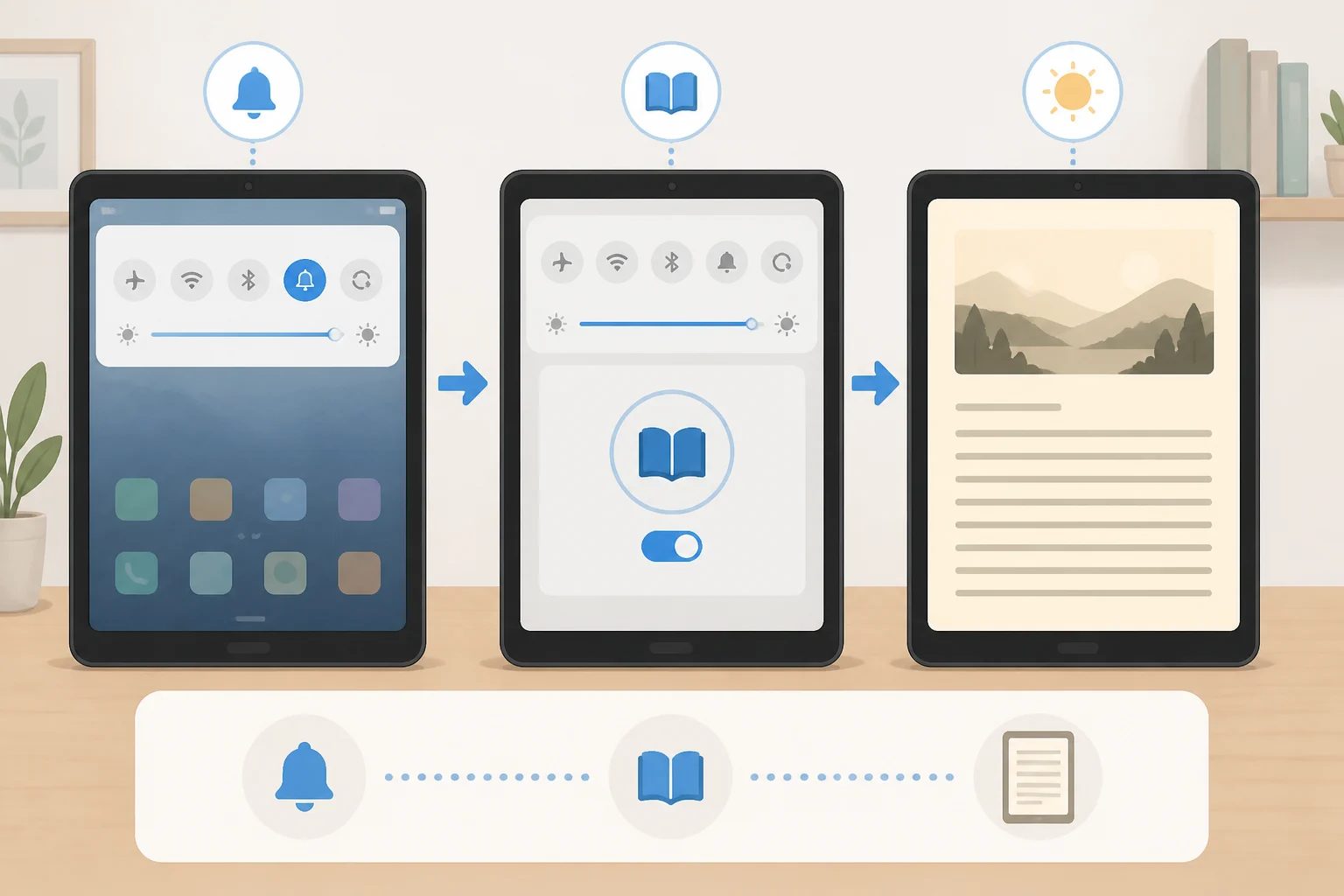
Opening a book in the Kindle app triggers a set of changes that apply across all three tablets. Notifications turn off, an adaptive display and blue-light filter switch on, and battery optimizations kick in that Amazon says allow for up to 20 hours of reading on a single charge (About Amazon; Engadget).
Readers can choose from three display themes, a warm natural look, a softened paper tone, or grayscale, and can designate specific contacts or apps that are allowed to break through the lockdown (About Amazon; Engadget). For now, the mode appears tied specifically to the Kindle app itself rather than functioning as a tablet-wide focus setting, according to Engadget's hands-on account of the launch.
WIRED's reporting notes the 20-hour battery figure runs lower on the smaller Alexa Tablet 11 and Alexa Tablet 8 (WIRED). That number, like most of Kindle Mode's specs, comes from Amazon's own testing. No independent review has yet confirmed real-world battery life on any of the three models.
The 12 Pro's Nanomatte display: where the hardware differs
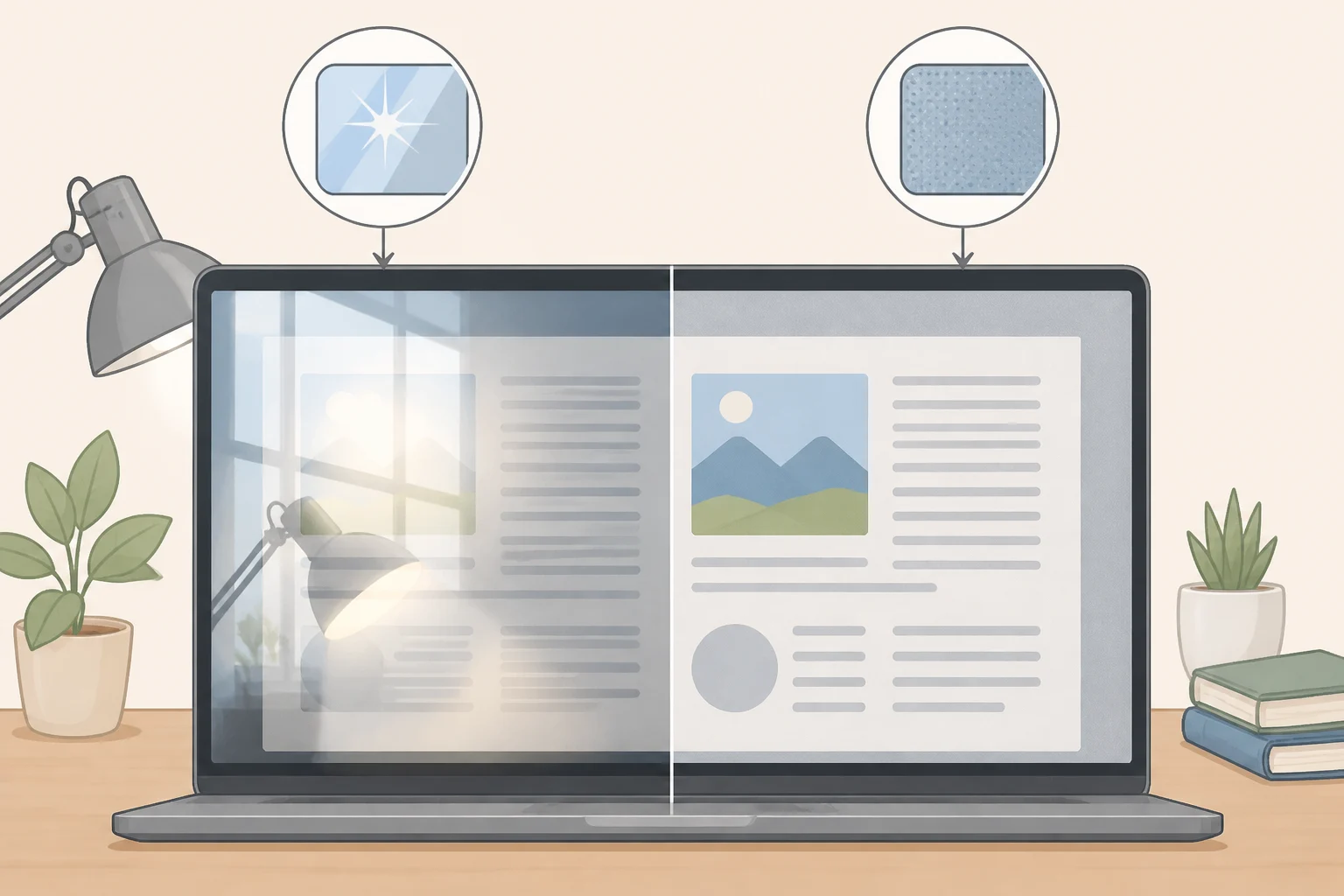
Amazon's showcase upgrade for the 12 Pro is optional, and it's the single hardware change that actually sets the flagship apart from the 11 and 8. The company built the Nanomatte finish with Corning, the glassmaker behind Gorilla Glass, texturing the surface to align with the panel's pixel grid to reduce glare while preserving detail and color accuracy (Engadget; About Amazon).
It ships only on the Alexa Tablet 12 Pro, taking the price from $499.99 to $549.99. At 500 nits of peak brightness, WIRED reports the panel "should still be bright enough to view in sunlight." The 500-nit figure is a specification, not an independent outdoor test (WIRED).
The strongest outside confirmation so far comes from The Verge, whose hands-on called the difference between the Nanomatte panel and the standard glossy screen "dramatic" (The Verge). That verdict speaks to texture and glare during a hands-on session. It says nothing yet about how the screen holds up across a multi-hour reading sprint or a full afternoon on a sunlit patio, questions that will need longer-term reviews to answer.
Pen input, multitasking and the Alexa+ layer
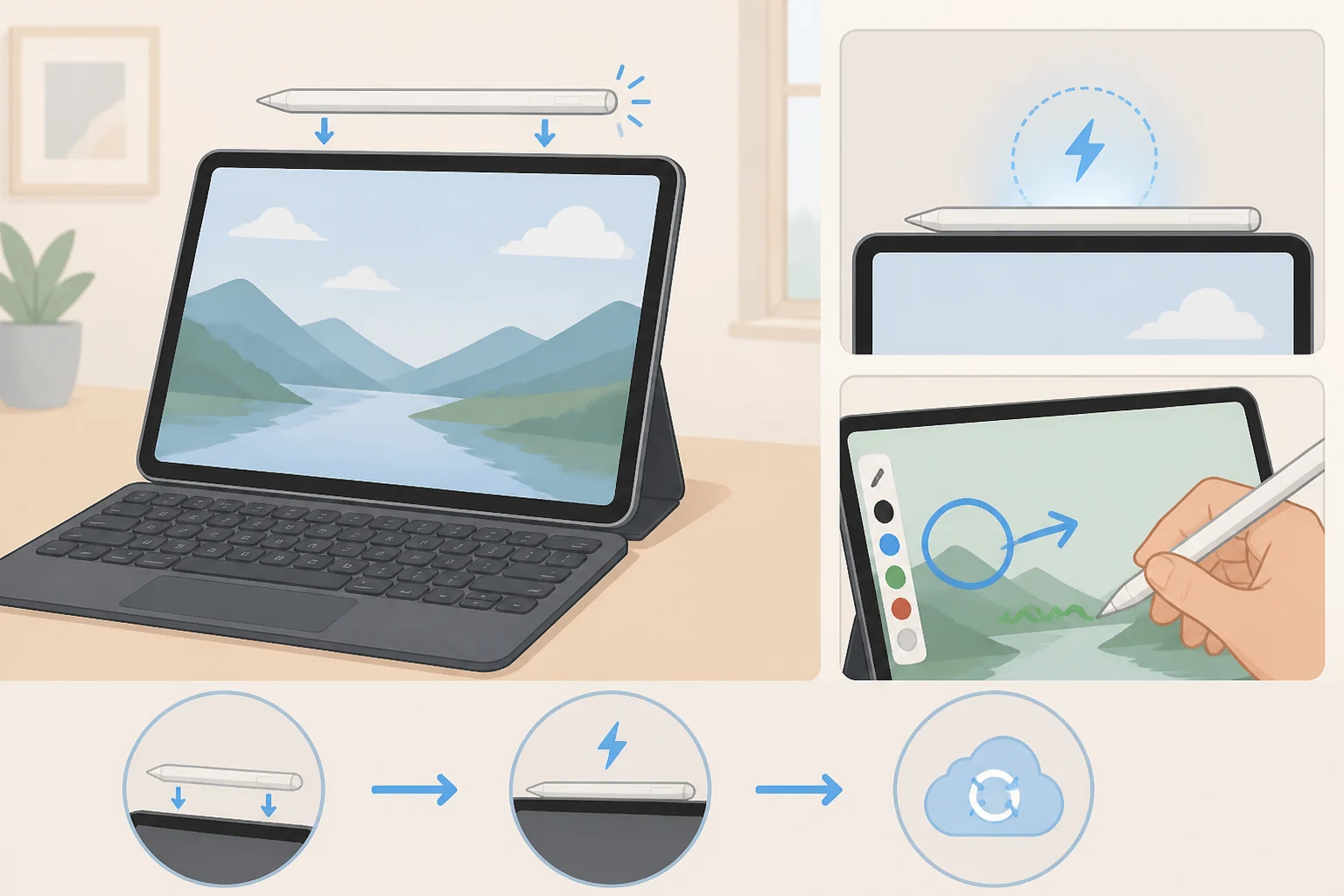
The 12 Pro's Nanomatte screen works with Amazon's new Pro Pen, a $90 accessory with 4,096 levels of pressure sensitivity and tilt detection that docks magnetically to the tablet's top edge for charging and pairing (WIRED). Users can highlight, underline, write notes and mark up pages with the pen, and those annotations sync across Kindle apps on pen-supported devices and on Kindle Scribe, Amazon's dedicated e-ink notepad (About Amazon).
Pair the 12 Pro with the optional $150 Pro Keyboard, which connects through pogo pins rather than Bluetooth, and the tablet picks up Android's multiwindowing features: split-screen apps, resizable windows and saved desktop arrangements (WIRED). That turns the 12 Pro into a productivity device as much as a reading device, a duality Panay has described as built around "two things that could hardly be further apart: reading, and lots of AI" (Engadget).
Alexa+ also supports live conversations without requiring the wake word at every turn, similar to Google's Gemini Live or ChatGPT's Voice Mode (WIRED). Amazon hasn't explained whether an active live session gets interrupted when Kindle Mode kicks in, which leaves one open question about how completely the reading mode seals off the rest of the tablet.
The kids' versions of the Alexa Tablet 11 and Alexa Tablet 8 run the same Android base with a heavily customized interface and built-in parental controls (WIRED). WIRED's Keith notes that one in five US children has an Amazon tablet, context for the company's family-tablet strategy as prices on the new models climb, though the article doesn't independently verify that figure.
What's confirmed, what's still unknown
Software support is one area where Amazon's claims are concrete across the entire lineup. The company is committing to at least four years of updates from each tablet's final ship date, launching on Android 16 with Android 17 expected in early 2027. WIRED reports Amazon plans to stop shipping the current hardware within a month or two; the four-year commitment runs from that last ship date (WIRED).
What isn't yet settled is how Kindle Mode performs outside a product demo. The Verge's "dramatic" verdict on the Nanomatte panel is the strongest hands-on evidence available right now, but it's a first impression, not a multi-day battery test or a read in direct sun. Reviewers haven't yet independently tested battery life, extended reading sessions or outdoor readability on retail units. Those tests should start arriving once tablets begin shipping on Oct. 14.