Insta360 Mic Review: Specs, Features, and Who Should Buy
Insta360 rounded out its wireless mic lineup yesterday with the launch of the Insta360 Mic, an "advanced midrange" option slotted between the entry-level Mic Air and the flagship Mic Pro. It's on sale globally starting today through the Insta360 Official Store, Amazon, and authorized retailers (Insta360, yesterday). This Insta360 Mic review sticks to what's actually confirmed at launch, because the spec sheet promises more than a single announcement can prove.
The short version: buy now if you already own a supported Insta360 camera and want to skip the receiver, or if backup recording that scales with a memory card solves a real problem for you. Wait if you need isolated tracks for multi-speaker projects, want to compare price against the Mic Pro or DJI Mic 3, or care about tested battery and noise-canceling performance. Insta360's launch material leaves every one of those questions open.
Confirmed features include a customizable E-Ink transmitter display, a microSD slot for optional 32-bit float internal recording, a dedicated AI noise-canceling chip, and support for up to four transmitters per receiver. Insta360 rates each transmitter at 13 hours per charge and 34 hours with the charging case (Insta360, yesterday). Think of this as an Insta360 wireless microphone review built around what's verifiable today, not a lab test. Pricing, capsule configuration, isolated-track support, and real-world battery and noise performance aren't in the announcement. An Engadget review of the new Mic also published today, but its specific findings aren't part of the confirmed record examined here, so read it separately rather than as a substitute for checking the specs below (Engadget, today).
What you can verify before buying
Video of the Day
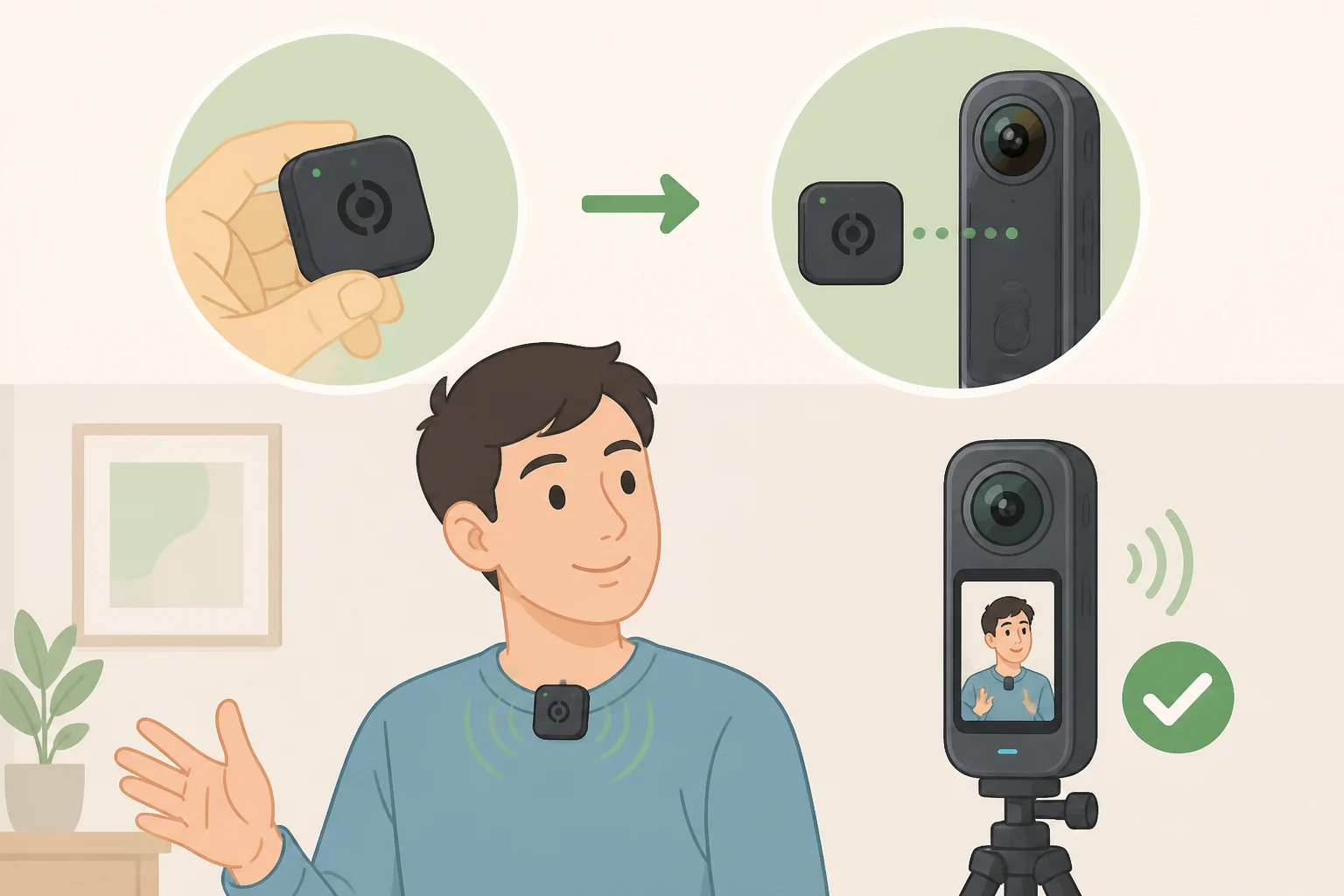
Insta360 positions the Mic for creators who want "more capable audio without stepping up to a flagship." It connects to phones, DSLRs, and mirrorless cameras through the included USB-C adapter or a 3.5mm cable, and clips on like a standard wireless lavalier (Insta360, yesterday).
The clearest reason to buy now is Direct Connect. The feature pairs the transmitter via Bluetooth to the X6, X5, Luna Ultra, Luna Pro, GO Ultra, and Ace Pro 2, skipping the receiver entirely and recording 48kHz audio straight to the camera. Only the X6 and Luna models can connect two transmitters at once; the rest support one at a time (Insta360, yesterday). Owners of one of those six cameras, or anyone who needs more than two transmitters feeding a single receiver, have a concrete reason to buy today. Everyone else gets a standard receiver-based setup instead. Insta360 calls that the "traditional wireless workflow," without claiming it matches Direct Connect's recording spec move for move (Insta360, yesterday).
The announcement also details a few Insta360 Mic audio quality features worth knowing before you buy. The new AI audio-processing chip handles noise suppression, and the system offers two automatic gain modes, Auto to prevent clipping and Dynamic to smooth out volume swings, plus three voice tone presets labeled Regular, Rich, and Bright (Insta360, yesterday). None of that has been tested independently yet, so treat it as a feature list to try rather than a performance guarantee.
Storage is the second thing worth checking, and it's the one place Insta360's "first" claim actually survives close reading. The company calls the Mic its "first customizable E-Ink wireless mic with expandable storage" (Insta360, yesterday). That phrasing is more careful than it first looks: the E-Ink display itself isn't new to the lineup. Independent Mic Pro coverage from two months ago already documents a "fully customizable" 1.22-inch, six-color E-Ink display on that model (PhotographyTalk, two months ago; TWICE, two months ago). What's genuinely new is pairing that Insta360 Mic E-Ink display with a microSD slot, rather than the Mic Pro's fixed 32GB of onboard memory per transmitter (PhotographyTalk, two months ago).
Insert a card and the new Mic records 32-bit float audio internally as backup to whatever the camera or phone captures. Leave the slot empty and it still records over Bluetooth or through the receiver, with nothing extra to manage (Insta360, yesterday). That distinction matters more than the screen does: recording length now scales with whatever card a buyer adds, instead of being capped at whatever capacity shipped in the box.
The third thing worth checking is how many speakers the setup needs to cover. One receiver supports up to four transmitters, and the new Mic can mix its own units with Mic Pro transmitters on the same receiver, which is useful if existing Mic Pro owners want to add a third or fourth mic for a group conversation without replacing gear (Insta360, yesterday). Separately, two transmitters can broadcast synchronized audio to as many as four receivers at once, letting a multicamera shoot send identical clean audio to every camera in the setup (Insta360, yesterday).
Video of the Day
Insta360 Mic vs Mic Pro: what buyers still need to know
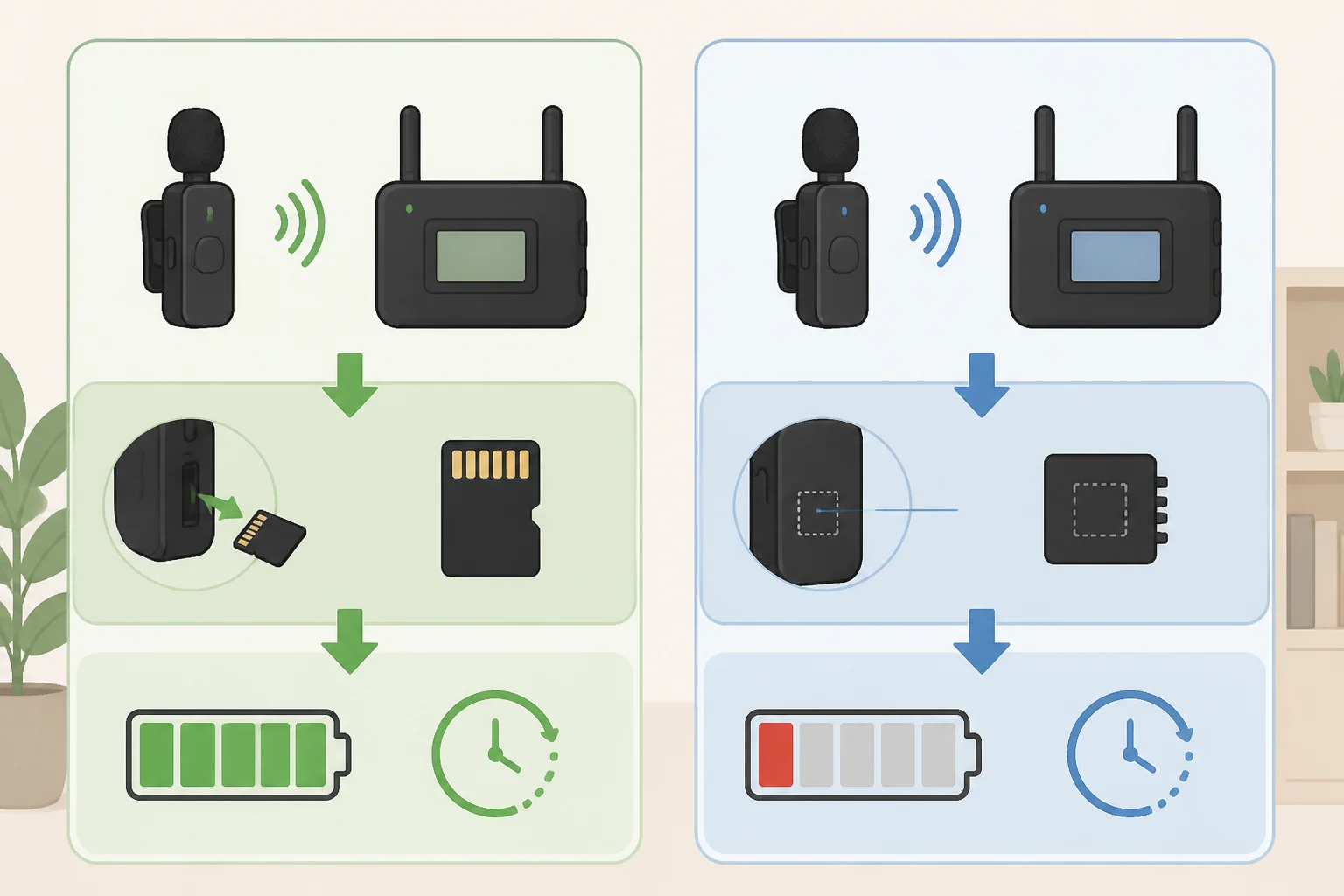
Comparing the new Mic against its flagship sibling sounds simple until the spec sheet runs out. Insta360's launch announcement confirms two differences: expandable microSD storage versus the Mic Pro's fixed 32GB, and a longer total battery claim of 34 hours with the case versus the Mic Pro's roughly 30 (Insta360, yesterday; PhotographyTalk, two months ago). Transmitters from both generations are confirmed to work on the same receiver, so current Mic Pro owners aren't locked out of pairing new hardware with what they already own (Insta360, yesterday).
Everything past that is a gap. The announcement doesn't list a price for the new Mic at all; that's absent from the launch material reviewed here, not necessarily nonexistent, but it leaves shoppers with nothing official to compare against yet. The Mic Pro, for reference, ships as a two-transmitter kit for $329.99 or as a single transmitter for $99.99 (PhotographyTalk, two months ago). Capsule count, pickup-pattern options, transmitter weight, and wireless range for the new Mic also go unmentioned. The Mic Pro packs three capsules into a 19.7-gram transmitter with four switchable pickup patterns, omni, cardioid, figure-8, and a beamformed voice-focus mode, and reaches roughly 400 meters line of sight to the receiver with a 130dB max SPL rating (PhotographyTalk, two months ago). Whether the new Mic matches any of that is unknown.
The isolated-track question deserves its own flag. Insta360's announcement attributes "separate tracks for each speaker" specifically to the Mic Pro when describing the full lineup, without repeating that claim for the new Mic (Insta360, yesterday). Four-transmitter support is confirmed; four separate audio files per speaker is not the same thing. Anyone planning interviews or multi-host podcasts around isolated tracks should get direct confirmation from Insta360 or a retailer before buying, rather than assuming the two features travel together just because both products support multiple transmitters.
Without a price, a full value comparison against rivals like the DJI Mic 3 isn't possible yet either. The Mic Pro has already been shown to cost more than the DJI Mic 3's $207 to $259 street price while offering more pickup-pattern flexibility and stereo 32-bit float recording where DJI records mono (PhotographyTalk, two months ago). That's a useful reference point for judging the new Mic once pricing goes public, not a stand-in for it.
What Mic Pro's track record suggests, and what it doesn't prove
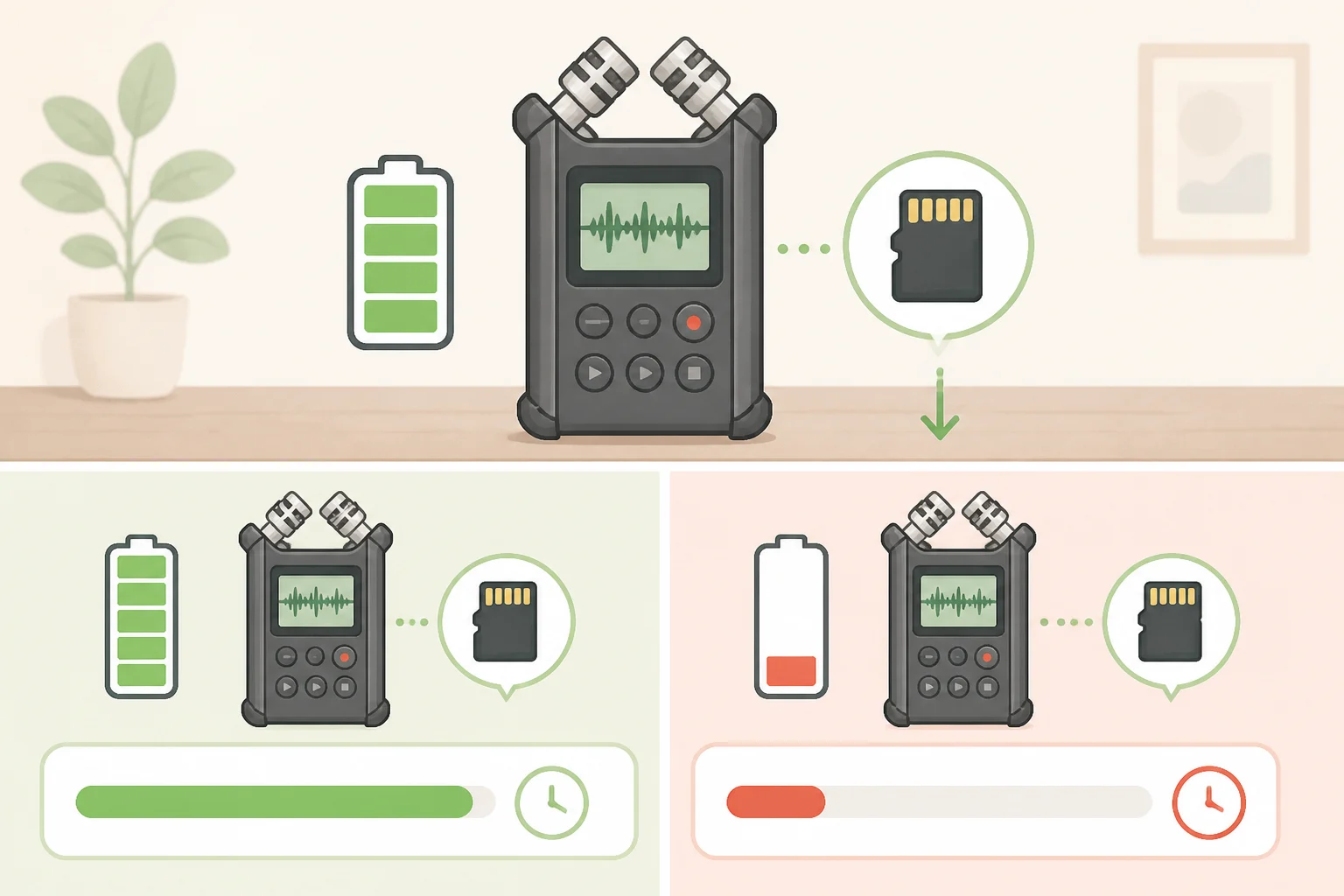
Insta360 has no independent testing history on the new Mic yet, but two months of Mic Pro ownership reports offer a reasonable preview of what to watch for, with the caveat that hardware differences could change the outcome.
Sound quality on the Mic Pro has drawn consistent praise from owners and reviewers. PhotographyTalk, though, found its strongest noise-canceling setting sounds "audibly processed" indoors, and recommended sticking to the weaker setting except in wind or traffic noise (PhotographyTalk, two months ago). The new Mic's AI noise-canceling chip is fresh branding for this launch, and its real-world performance hasn't been independently tested. If clean dialogue matters for a shoot, test the noise-canceling settings yourself beforehand rather than assuming the strongest option is automatically the best one.
TWICE described the Mic Pro's companion app as "quite busy," noting that changing a transmitter's display image requires going through the app, with no on-device control available (TWICE, two months ago). Insta360's announcement doesn't say whether the new Mic runs on the same app, so budget setup time for navigating it before a shoot rather than assuming the E-Ink customization is a quick in-the-field change.
Battery life is the clearest case where a headline number and real-world use can diverge. One Mic Pro owner measured a 25% battery drop during a single hour of 32-bit float stereo recording, cutting effective runtime to roughly four hours in that mode despite a 10-hour rated baseline measured with internal recording off (PhotographyTalk, two months ago). Insta360's launch announcement doesn't state how internal recording affects the new Mic's 13-hour estimate, so treat that figure as a best case until someone tests it with a microSD card actively recording.
One more caveat on scope: the Mic Pro's windscreen gaps and reported internal-recording timecode drift, documented by three owners at between three seconds and 65 minutes off receiver timecode on specific firmware versions, have an unclear cause beyond those owner reports (PhotographyTalk, two months ago). The new Mic's capsule count and internal timecode handling aren't confirmed, so there's no basis for assuming those specific issues carry over. What's reasonable to watch, since the two products likely share underlying software, is anything tied to the companion app experience rather than the recording hardware itself.
Who should buy now, wait, or choose the Mic Pro instead
The decision splits along what's already in a creator's kit and what the workflow actually demands.
Owners of a supported X6, X5, Luna Ultra, Luna Pro, GO Ultra, or Ace Pro 2 who want Direct Connect, with X6 and Luna handling two simultaneous transmitters, can buy and use the new Mic today with no open questions blocking that specific use case (Insta360, yesterday). The same goes for anyone who wants backup recording that scales with a memory card instead of a fixed internal cap.
Multicamera creators should confirm the two-transmitter-to-four-receiver sync mode actually fits their rig before buying extra receivers to support it. Interview and podcast creators planning around isolated per-speaker tracks should get direct confirmation from Insta360 or a retailer that the new Mic produces separate files, since the launch announcement reserves that specific claim for the Mic Pro rather than the new model.
Anyone relying on all-day backup recording should hold off trusting the 13-hour figure until independent testing measures battery drain with a microSD card actively recording. And anyone comparing cost against the Mic Pro or DJI Mic 3 has no official price to work with yet, so waiting for Insta360 to list one, and reading today's Engadget review in full rather than treating this piece as a stand-in for hands-on impressions, beats guessing at value now.