How to Submit a New Emoji Proposal That Unicode Will Accept
Anyone can submit a new emoji to the Unicode Consortium. No credentials, no institutional backing required. The Emoji Standards & Research Working Group reviews public submissions every year, according to the Unicode Blog. That door is genuinely open.
The catch: most proposals don't advance. Not because the filing process is complicated, but because the argument inside the proposal PDF isn't strong enough. Unicode Emoji 17.0 approved eight new emoji characters plus additional sequences from all public and institutional submissions worldwide, per the Unicode Blog's alpha repertoire announcement. Eight characters. Understanding what separates those eight from everything that didn't make it is the whole point of this guide.
This covers how to assess your concept before committing to a draft, how to build the evidence-backed case reviewers actually want, and how to file when you're ready.
Should you submit this idea? How to assess your emoji proposal before drafting anything
Video of the Day
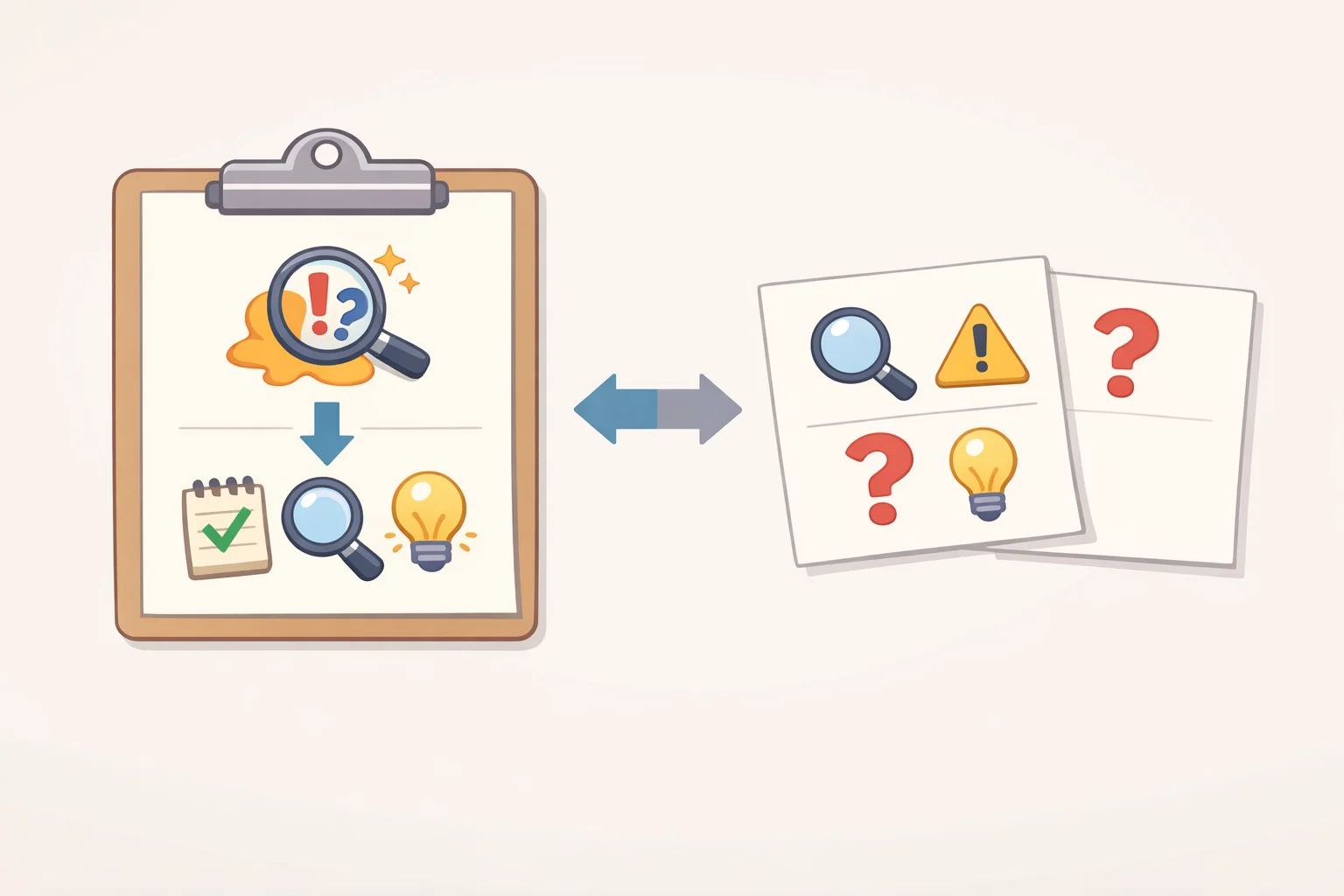
A lot of work goes into a proposal PDF. None of it matters if the underlying concept has already been rejected, can't be visually distinguished from existing emoji, or lacks the written-language evidence reviewers require. Work through these questions first.
Start with the rejection history. Any emoji concept formally declined within the past four years is ineligible for re-review, regardless of how the proposal is reworded or who submits it, per the Unicode Blog. Check Unicode's records before drafting a single word.
Test for visual distinctness. Reviewers evaluate whether a proposed emoji would be meaningfully different from those already in the standard, not just in name, but in what it communicates at actual rendering sizes. Browse the full emoji set and ask honestly: is there a situation where someone would reach for this new emoji when nothing existing works? A close variation on something already in the standard won't clear that bar.
Check the breadth of use. Concepts need to work across cultures, languages, and contexts. Niche references, inside jokes, and ideas with narrow demographic appeal are weak candidates from the start.
Run frequency searches before writing anything. A proposal without quantifiable evidence of the concept appearing in written language has a structural problem no amount of polished prose can fix. Open Google Books and Google Ngram Viewer and search for the concept now. Look for frequency trends over time, year-by-year patterns, volume comparisons. If the numbers aren't there, the proposal isn't viable yet.
Unicode promoted a webinar during the 2024 intake cycle titled "How to make your emoji proposal the best that it can be" (Unicode Blog). If similar sessions are offered in future cycles, they're worth attending before you start drafting.
Video of the Day
How to submit a new emoji proposal: building the case

The filing form takes minutes. The evidence-backed argument inside the PDF is where proposals live or die.
Pull frequency data from approved sources only. Google Search and Bing Search were previously accepted for this purpose, but both removed the query-volume features that made them usable for frequency evidence (Unicode Blog). Current proposals need statistics from Google Books and Google Ngram Viewer: specific numbers, frequency trends, year-by-year usage patterns. Vague claims that a concept is "widely discussed online," social media engagement figures, and petition signatures are not substitutes.
Here's what the evaluation process looks like in practice. Say you want to propose a "brain freeze" emoji. It's everywhere on social media, which sounds promising. But a Google Ngram search might reveal low written-language frequency, heavy clustering in English-speaking markets, and a sharp drop in usage after the 1990s. A reviewer would then compare it against the existing cold-face emoji and ask whether "brain freeze" fills a genuine communication gap or just duplicates what users already express with something already in the standard. That's the analysis to do before you submit, not after.
Visual collapse is a separate trap. A concept can sound distinct from existing emoji in words and fall apart completely at rendering size. An emoji representing "deep thought" might seem clearly different from the thinking-face emoji when described in a proposal, but rendered at 20 pixels on a phone screen, the two could be functionally indistinguishable. If the visual read isn't obvious at small sizes, the distinctness argument doesn't hold regardless of how it's written up.
Prepare reference images that make the concept legible. The proposal PDF must include visual representations of the emoji. Production-quality design isn't required; the images need to clearly show what distinguishes this concept from anything already in the standard and how it reads at small sizes across different platforms.
Structure the PDF as a brief, not a pitch. The official proposal guidelines linked from the Unicode Blog's call for submissions define the criteria reviewers apply: visual distinctness, broad communicative use, cross-cultural applicability, and written-language frequency. Your PDF should address each criterion directly with specific evidence, not describe an idea you find appealing.
Filing your Unicode emoji proposal: the submission steps
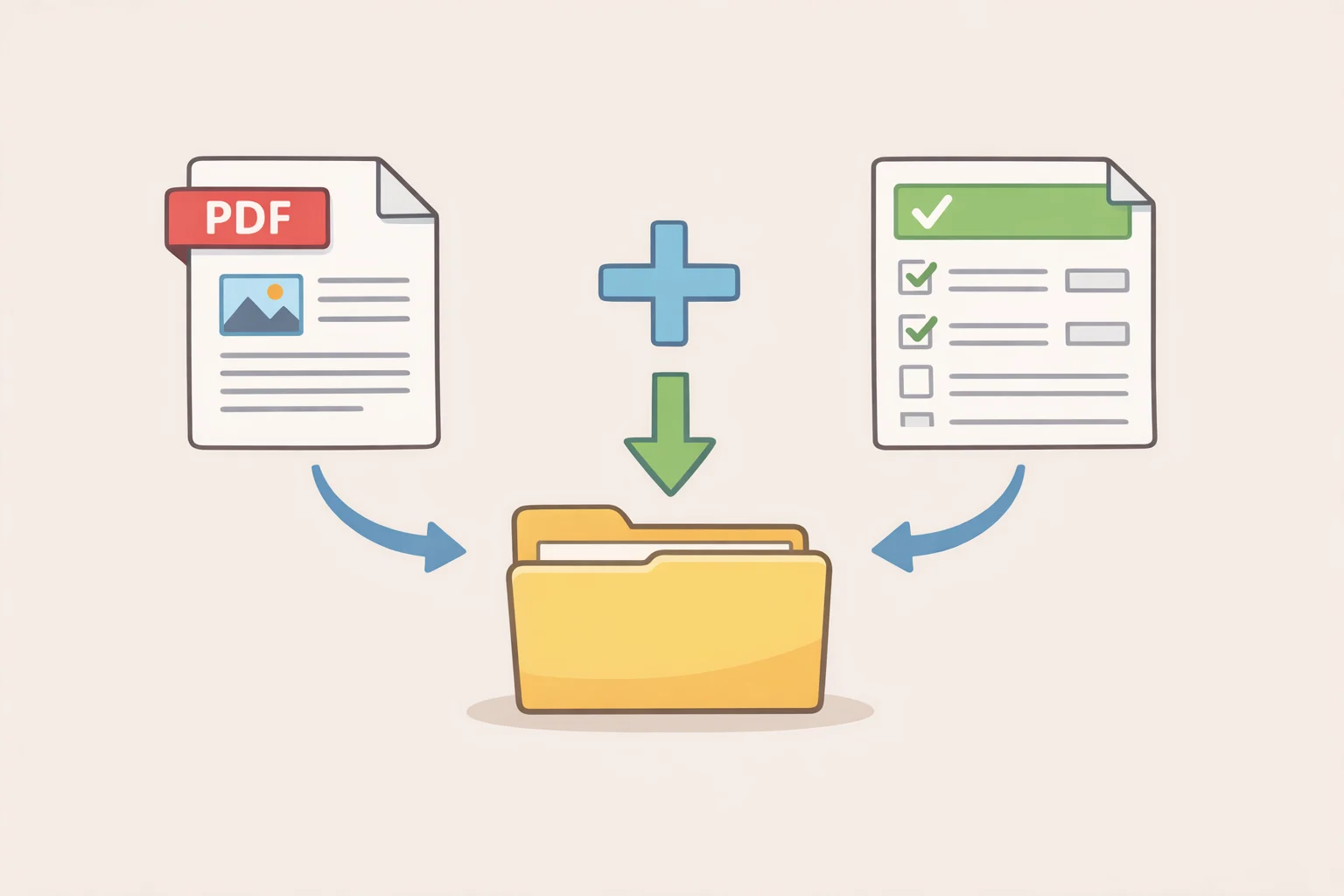
With evidence gathered and a PDF drafted, the submission itself is procedural. The requirements are exact.
Step 1: Finalize your proposal as a PDF. The core document must be formatted as a PDF and must include reference images. This is what reviewers evaluate; the form is the delivery mechanism, not the argument (Unicode Blog).
Step 2: Complete the Unicode Emoji Submission Form. The form collects your proposal details and requires acceptance of the Emoji Proposal Agreement & License. A complete submission is the finished form plus the proposal PDF, both required (Unicode Blog). Neither component alone constitutes a valid submission.
Step 3: File within the open submission window. The 2024 cycle ran April 2 through July 31, with all submitters notified of their status by November 30 of that year, a roughly four-month turnaround (Unicode Blog). The 2025 cycle closed last July. Watch the Unicode Blog for the current cycle's opening announcement.
Read the official guidelines before drafting, not as a final checklist. They define what a complete, competitive submission looks like, and catching a structural gap after you've written a full PDF is a poor use of anyone's time.
Why proposals get rejected
Inadequate evidence is the most common failure mode. A proposal that can't demonstrate written-language frequency through approved sources has no path forward, regardless of how compelling the concept sounds in words. Concepts with narrow cultural applicability face the same problem: they may be perfectly coherent ideas that simply don't meet the cross-platform, cross-cultural threshold reviewers apply.
Prior rejection is a hard stop. Four years must pass before a declined concept can be reconsidered (Unicode Blog).
Visual overlap with existing emoji is the other common reason proposals stall. Insufficient distinctness at actual rendering sizes, not just in concept description, is what trips proposals up here. If you can't articulate the difference in a sentence and show it clearly in a reference image, that's a signal.
What happens after you submit
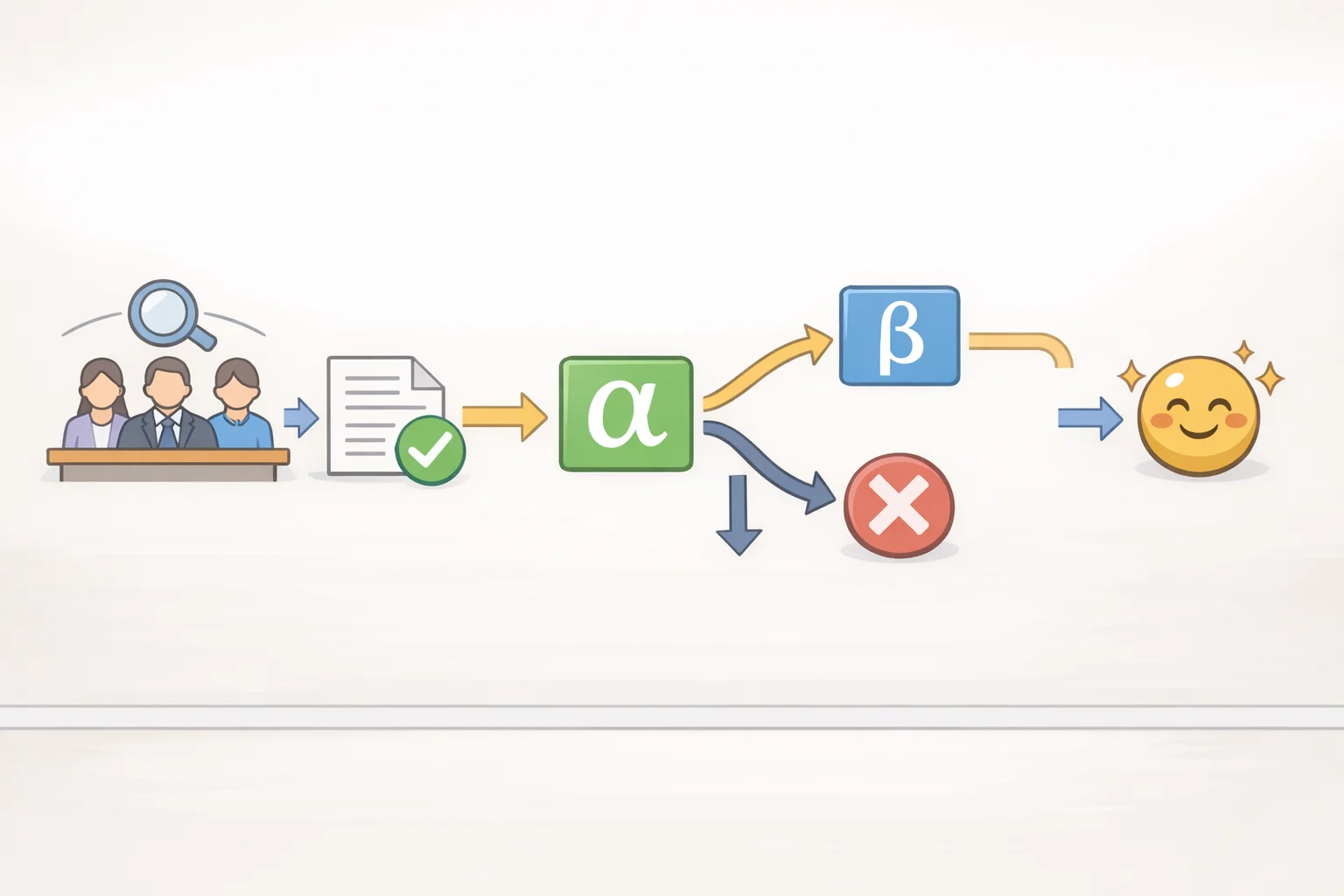
Getting through initial review is the first gate, not the last.
The 2024 cycle ran roughly four months from submission close to status notification (Unicode Blog). Proposals that survive enter the Unicode Technical Committee's encoding process, which spans multiple committee meetings. Inclusion in an alpha release is not a guarantee of finalization: during the Unicode 17.0 beta cycle, three characters that had cleared the alpha stage were removed based on expert feedback received during that review, per the Unicode Blog. The standard isn't locked until it's finalized.
Even after Unicode encodes an emoji, platform vendors including Apple, Google, and Samsung each decide independently when and how to implement it. An emoji can be officially in the standard and still absent from most devices for months.
Where to start, in order
- Check the rejection history. Four years of ineligibility after a declined submission applies regardless of who resubmits or how (Unicode Blog).
- Run Google Books and Ngram searches before committing to a concept. If the frequency data isn't there, reconsider before spending time on a full proposal (Unicode Blog).
- Read the official proposal guidelines before drafting. The Unicode Blog's call for submissions links directly to them.
- Draft the PDF as a structured brief, attach it to the completed submission form, and file within the open window.
Unicode Emoji 17.0 approved eight new emoji characters from all submissions worldwide (Unicode Blog). The bar is real. So is the process, and it's open to anyone who takes the evidence seriously enough to build the case first.