Lenovo Tab Plus Gen 2 US Release: JBL Speakers, Specs, and Open Questions
Lenovo's Tab Plus Gen 2 is now on sale in the US for $399.99, bringing a 12.1-inch Android tablet built around a nine-unit JBL speaker system to North American buyers who've been watching since the European launch last month. The speaker array can also operate as a standalone Bluetooth speaker an unusual enough concept that the real question isn't whether the hardware exists. It's whether the premise holds up. That part remains untested.
Notebookcheck confirmed the North American launch today, with listings live on both the US and Canada storefronts. Lenovo announced the device on June 16 and began global sales on June 19, per GSMArena. The US follows a quieter European rollout last month.
PCMag and Trusted Reviews both examined the device ahead of launch and reached the same conclusion: audio is the product's identity, not a secondary spec. Neither piece included independent audio measurements. What US buyers have today is a tablet whose central pitch is backed by hardware claims and marketing language but not yet by any published test data.
Lenovo Tab Plus Gen 2 price, US specs, and what's confirmed
Video of the Day
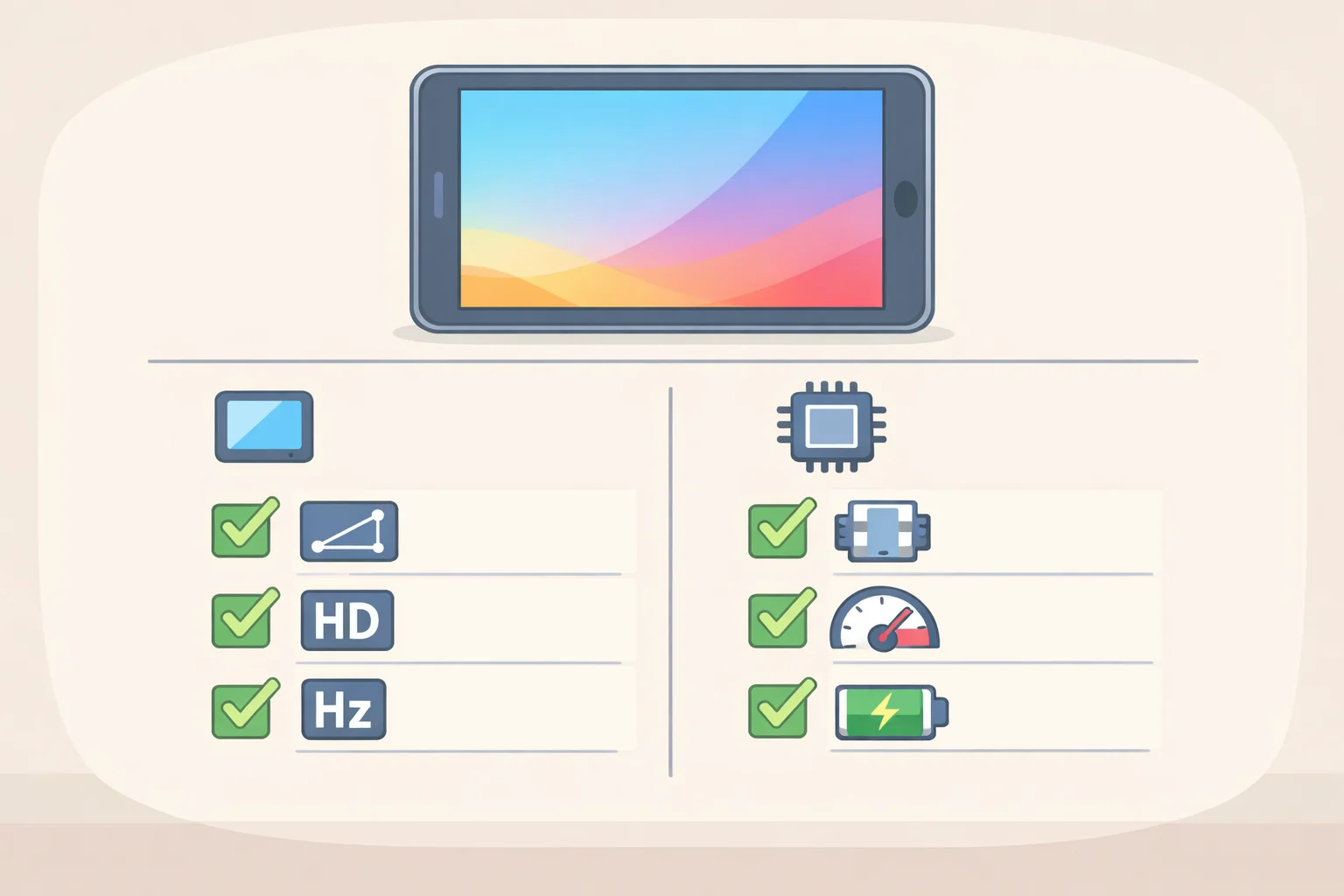
The US configuration ships with 8GB of RAM and 128GB of storage at $399.99, Notebookcheck reported today. Canada gets the same spec at CA$559.99. UK buyers, at a comparable price point, receive a 256GB variant, Notebookcheck noted. Whether a higher-capacity US configuration is coming is currently unclear.
The display specs are straightforward. The 12.1-inch IPS LCD runs at 2,560 x 1,600 resolution, 249 pixels per inch, with a 120Hz refresh rate, Dolby Vision and HDR10 certification, and 800 nits of peak brightness in High Brightness Mode, per GSMArena. The processor is a MediaTek Dimensity 7400 octa-core chip. The device ships in Celestial White.
Battery and charging figures come with the standard caveats. The 10,200mAh battery is rated for up to 15 hours of YouTube streaming, a figure Lenovo's own footnotes flag as based on internal testing under optimal laboratory conditions, per the Lenovo announcement. The 45W fast charging is supported, though the compatible charger is sold separately. The device is also compatible with the Lenovo Tab Pen Plus and Lenovo Wireless Keyboard, both sold separately.
The software support terms are explicit. Lenovo is committing to two OS upgrades, from Android 16 through Android 18, and four years of security patches through 2030, per the Lenovo announcement. That's a published timeline with a specific end date, a level of specificity worth noting in a segment where update commitments are frequently left open-ended or unstated entirely.
Video of the Day
Why the JBL speaker system is the real swing factor
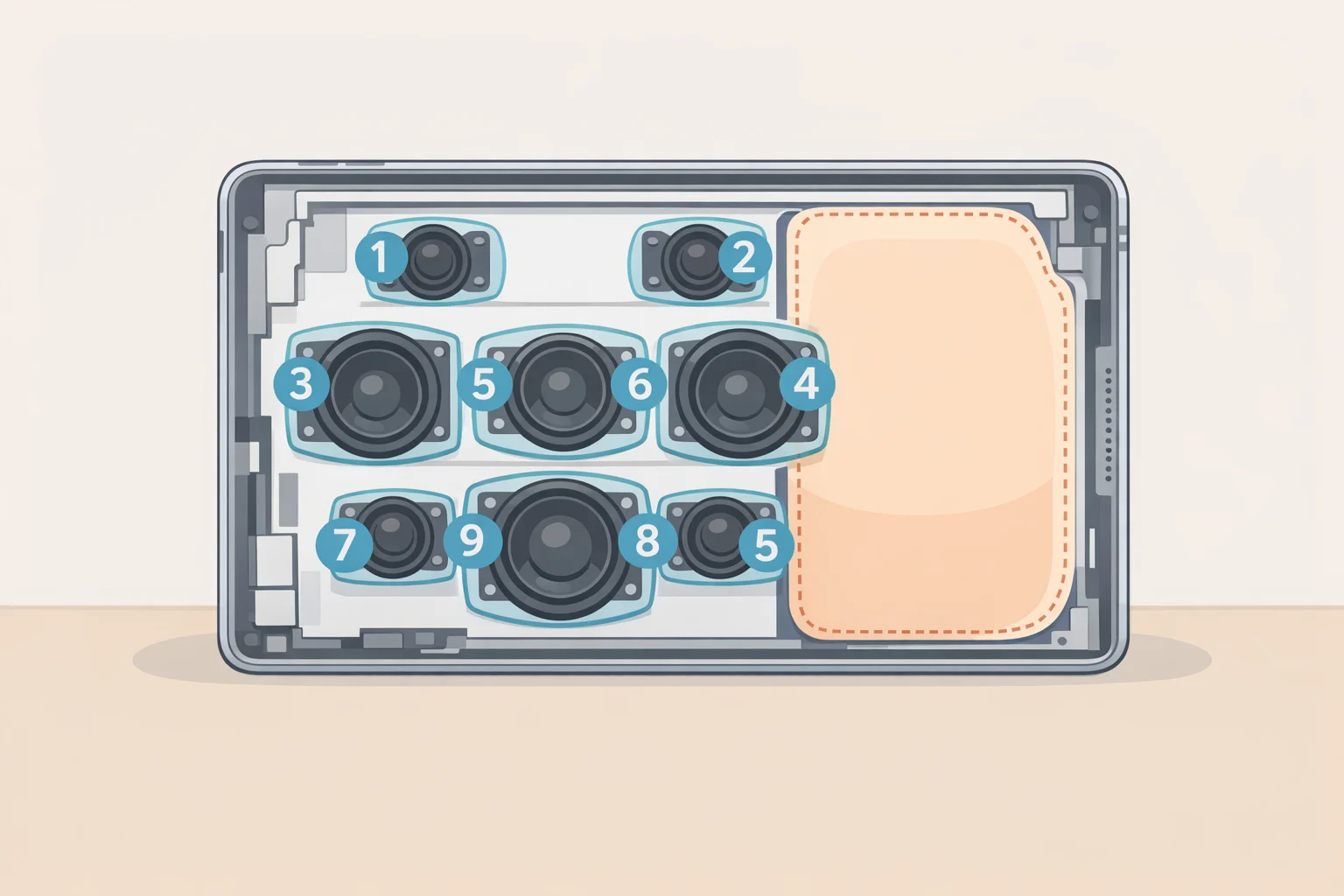
The audio hardware represents a genuine generational step, not a cosmetic upgrade. The original Tab Plus shipped with eight JBL speakers flanking the sides of an 11.5-inch chassis; the Gen 2 adds a ninth unit and more than doubles the speaker enclosure volume, from 22cc to 43cc, according to Notebookcheck. A larger enclosure typically allows more bass extension and higher output before distortion sets in. PCMag, which handled the first-generation device in person, described the predecessor as "already excellent" and framed the Gen 2 as a refinement of something that worked, not a concept being floated for the first time.
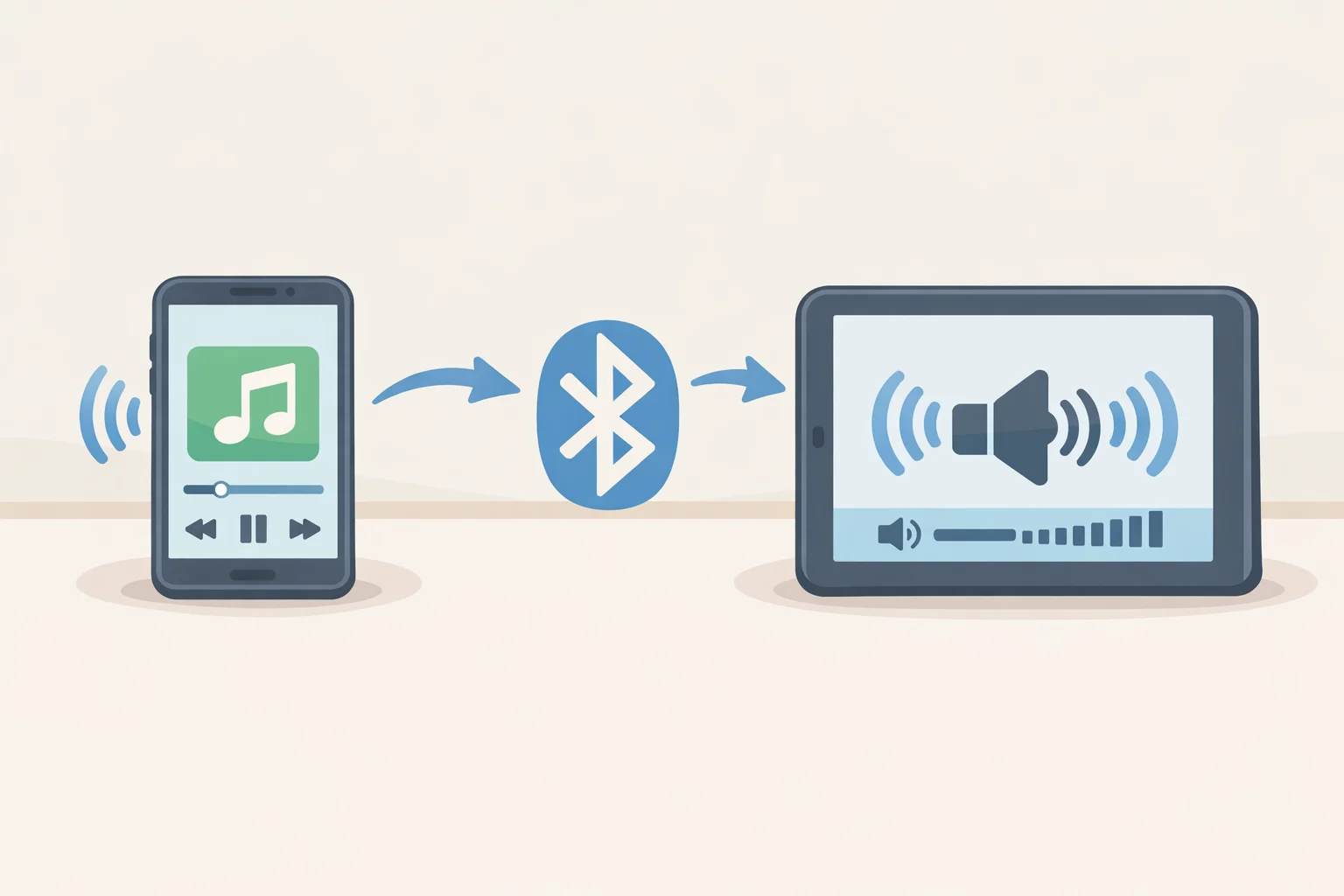
The Bluetooth speaker mode is where the device's identity gets specific. Lenovo describes a mode in which the tablet accepts audio input directly from a connected phone, letting users stream music or podcasts without touching the tablet's own apps, per the Lenovo announcement. The system runs a JBL 9-unit Pro speaker configuration tuned with Dolby Atmos, with Dolby Audio processing offering switchable Dynamic, Movie, and Music presets for in-tablet playback. Trusted Reviews highlighted the Bluetooth speaker mode as the feature's distinguishing claim: the Tab Plus Gen 2 isn't pitching itself as a tablet that happens to sound good; it's positioning itself as a portable speaker you don't have to buy separately.
Lenovo describes the audio as delivering "richer, more immersive sound," per its announcement. That's a positioning statement. No published test has addressed loudness at distance, distortion behavior at high volume, stereo separation, bass response, or whether the Bluetooth speaker mode performs reliably during extended use with the screen off. The nine-unit system and the larger 43cc enclosure are the hardware argument. Whether real-world performance supports the pitch is a question that survives the spec sheet.
What's confirmed now and what reviews still need to answer
The core specs on record are coherent for the $399.99 price point. The 12.1-inch display, 10,200mAh battery rating, 45W fast charging, MediaTek Dimensity 7400 processor, and explicit Android 18 upgrade commitment are all confirmed through Notebookcheck's launch report and GSMArena's spec sheet. For buyers whose primary interest is a large-screen Android media tablet with a long support window, those are established facts.
The Bluetooth speaker mode is a different kind of claim. Trusted Reviews described it as allowing users to stream music and podcasts directly from a phone without switching devices, a feature Lenovo is positioning as the tablet's most distinctive use case. Whether that mode holds up as a daily-use feature, rather than a demonstration, is something no published review has yet addressed.
Storage is a separate open question. The 128GB US configuration is the only option at launch, one step down from the 256GB variant UK buyers are receiving at a comparable price, Notebookcheck confirmed. Lenovo has not announced whether a higher-capacity US variant is planned.
When full reviews arrive, the audio section will be the one to read first. The nine-unit JBL speaker system, the 43cc enclosure, and the Bluetooth speaker mode are what differentiate this device from a standard midrange Android tablet at the same price. PCMag characterized the predecessor as "already excellent" and this iteration as a genuine upgrade, per its hands-on report. The confirmed hardware specs support the ambition. Independent test results, when they come, will determine whether the ambition is matched.