AYANEO KONKR Pocket Advance: GBA Form Factor Meets PS2-Level Power
There are two kinds of people who want a Game Boy Advance-shaped handheld in 2026. The first wants the best possible GBA experience: pixel-perfect scaling, authentic form factor, low price. That buyer already has an answer. The Anbernic RG34XX runs $73–$79 and handles everything up to PS1 cleanly on a native 3:2 panel, widely reviewed as the standout GBA-form device on the market. The second buyer wants that same horizontal shell but with enough power to run PS2, GameCube, and PSP. For that buyer, nothing currently exists. The AYANEO KONKR Pocket Advance is an attempt to build it.
Today, AYANEO posted the first official image of the device, what the company itself described as a "first reveal" a design confirmation rather than a product launch, per Android Authority. What AYANEO confirmed today is the name and design direction. Everything else performance tier, target buyer, and price fit still has to be inferred from the image and the company's recent Android handheld history. No chipset, price, or release date has been announced, per Notebookcheck.
Every performance claim that follows is inference from platform precedent and hardware context, not confirmed spec. The piece works through what the Pocket Advance would need to be in order to fill the gap it's targeting, and what it would need to cost to justify choosing it over alternatives that already exist.
What the reveal image actually tells you
Video of the Day
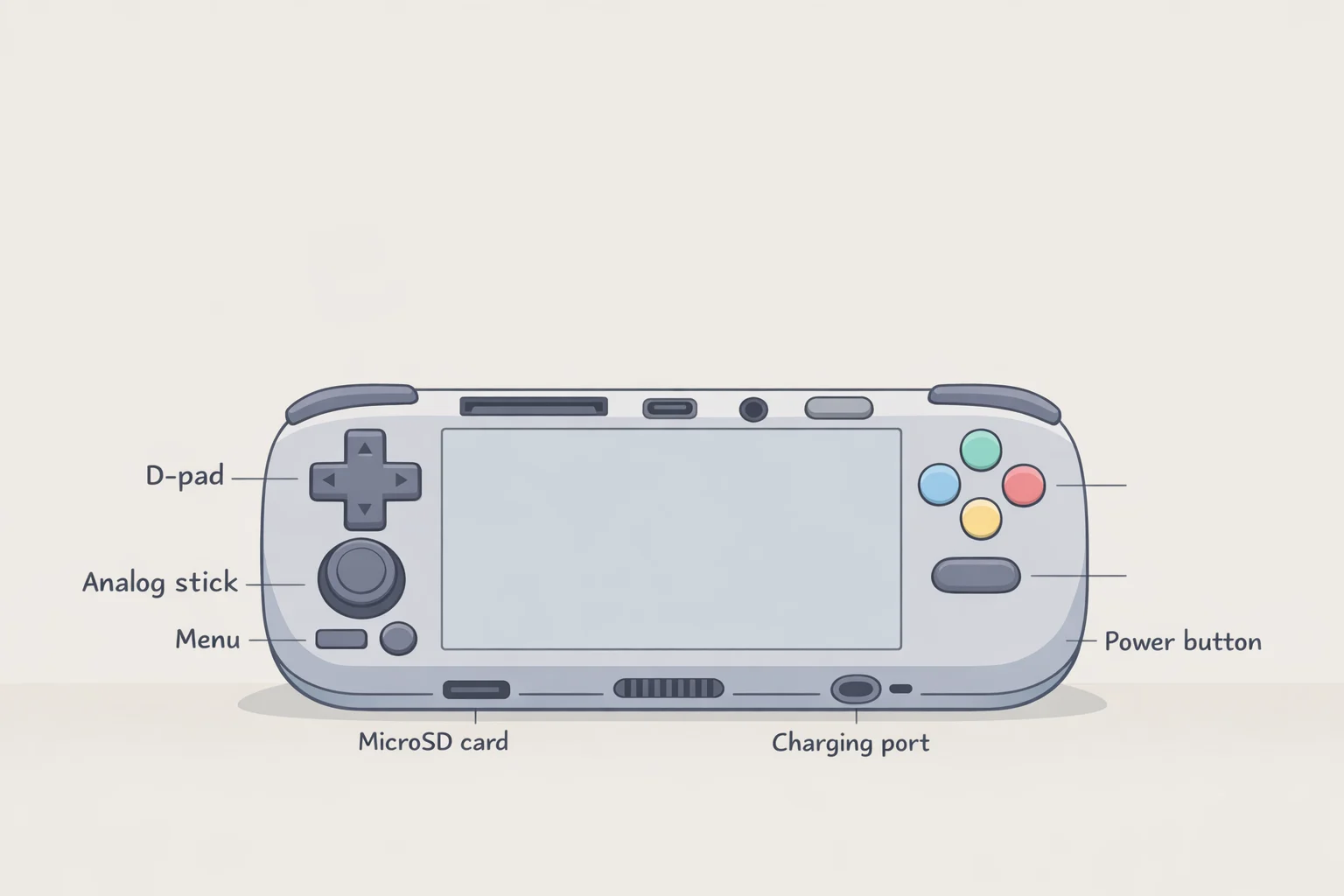
The image shows a cross d-pad, four face buttons, prominent top triggers, and two additional menu buttons on the right side a notably expanded control set relative to the original GBA's paired A/B layout, per TechTimes. Visible IO from the same image includes USB-C at the bottom for charging, a microSD card slot on the left, a volume wheel on the right, and what appears to be a 3.5mm headphone jack. These are the control requirements of a device targeting a library well beyond GBA titles.
The most informative single detail in the image is less obvious. Cooling vents are visible at the bottom edge of the shell, per Android Authority. The Allwinner H700 powering the Anbernic RG34XX doesn't generate enough heat to require active venting. Those vents suggest a higher thermal target than low-end chips like the H700, though AYANEO has not confirmed the SoC. That's the clearest available inference that this device is not being built around budget silicon.
On the display, one fact is confirmed and one remains open. The screen appears larger than the GBA's original 2.9-inch, 240×160 panel. GamesRadar's Phil Hayton estimated it at approximately 5 inches based on comparative render measurements, cited by TechTimes a visual estimate, not a confirmed measurement. What is confirmed: the display is widescreen. That's not a minor detail, and it's addressed directly in the next section.
The Pocket Advance is also not a standalone product. AYANEO's KONKR sub-brand is its Android line, distinct from the company's Windows PC handhelds. The brand launched in summer 2025 and has already produced the Pocket FIT and the Pocket Block, an AI-integrated compact vertical device announced in May 2026, per TechTimes and Engadget. AYANEO has also released the Pocket DMG, based on the original Game Boy, and the Pocket Micro series, which reimagines the Game Boy Micro, per Trusted Reviews. AYANEO confirmed the Pocket Advance is the first of a new series within KONKR, per Notebookcheck.
Video of the Day
The two specs that determine whether the AYANEO Pocket Advance fills the gap
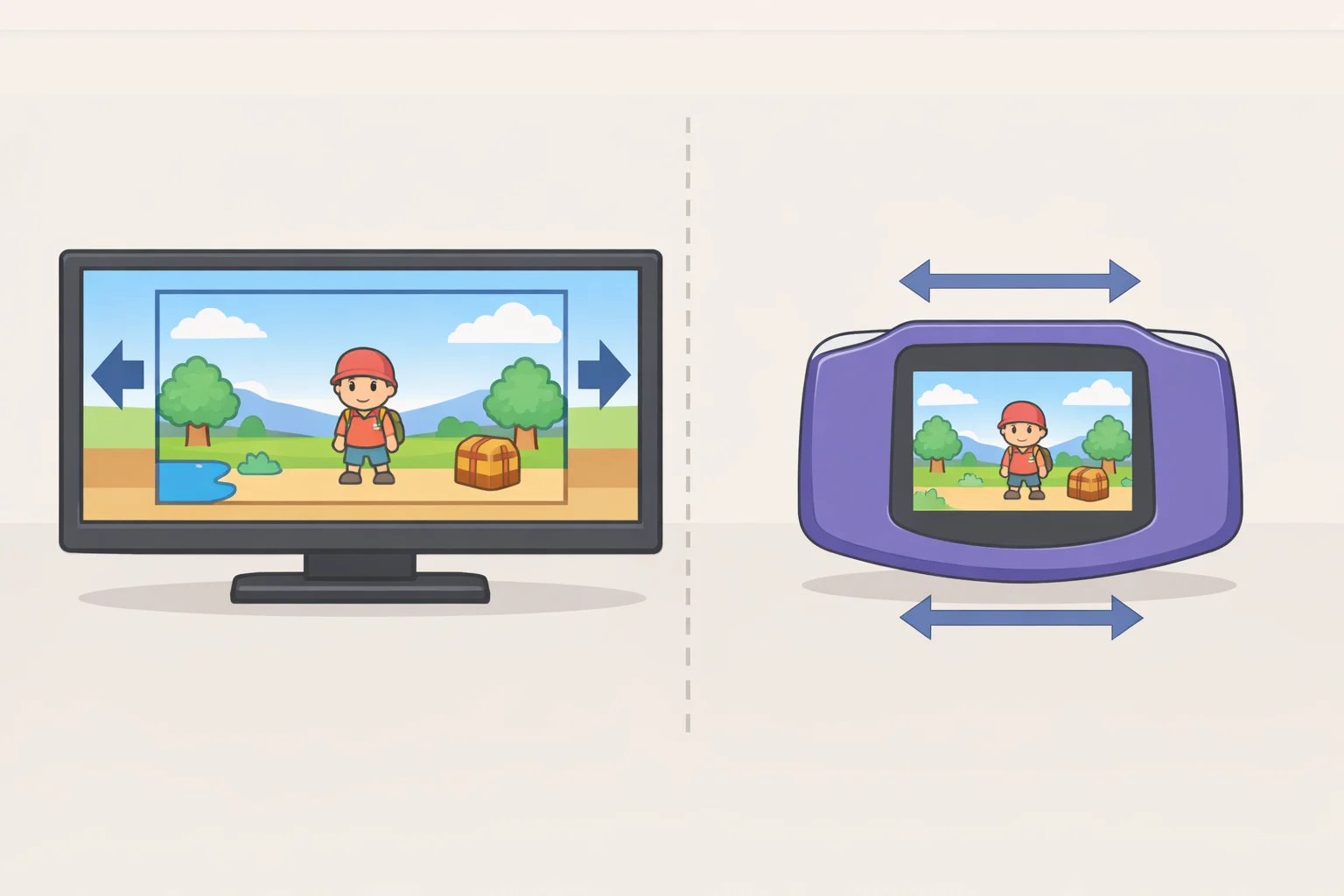
The widescreen display has already ruled out one buyer and defined another. The original GBA ran a 3:2 aspect ratio, which is why GBA titles display without black bars on the Anbernic RG34XX its matching panel delivers pixel-perfect scaling, per TechTimes. A confirmed widescreen panel on the Pocket Advance means GBA titles will either letterbox or require software stretching that distorts pixel art. For buyers prioritizing accurate GBA presentation, this matters. For those targeting PS2, GameCube, and PSP, widescreen is the correct call and the tradeoff is minimal. The display choice implicitly answers the question of who AYANEO is building for.
The chipset is the performance ceiling, and KONKR's established hardware is instructive here. The sub-brand's first device, the Pocket FIT, launched in summer 2025 with either the Qualcomm Snapdragon G3 Gen 3 or the Snapdragon 8 Elite, per TechTimes. Because KONKR runs Android, a chip in that class would open access to Dolphin (GameCube/Wii), AetherSX2 (PS2), and PPSSPP (PSP) through the open Android emulator ecosystem, without requiring manufacturer-specific software certification. That is the practical meaning of a higher emulation ceiling: the difference between stopping at PS1 and reaching PS2 and GameCube inside the same GBA-shaped shell. The Pocket Advance is specifically positioned for retro emulation and Android gaming it will not run Steam titles natively. "Powerful" here means powerful enough to push into sixth-generation hardware territory. The confirmed SoC will either validate or undercut the thermal evidence from those vents.
Price is the third variable, and two existing products bracket the Pocket Advance's likely target position. The Anbernic RG34XX handles NES, SNES, GBA, and PS1 competently but cannot run PS2, GameCube, PSP, or Nintendo DS and it costs $73–$79. The Retroid Pocket Nova runs a QCS8550 (comparable to the Snapdragon 8 Gen 2), handles PS2 and GameCube confidently, and costs $229 but on a 4.5-inch 4:3 AMOLED panel with no GBA horizontal form factor, per TechTimes. If AYANEO confirms a Snapdragon-class chip and prices the Pocket Advance at or below $229, it occupies a genuinely unoccupied slot. Above $250 without clear specification justification, there's no clean landing spot between those two existing options.
For readers tracking the Pocket Advance: the questions that matter
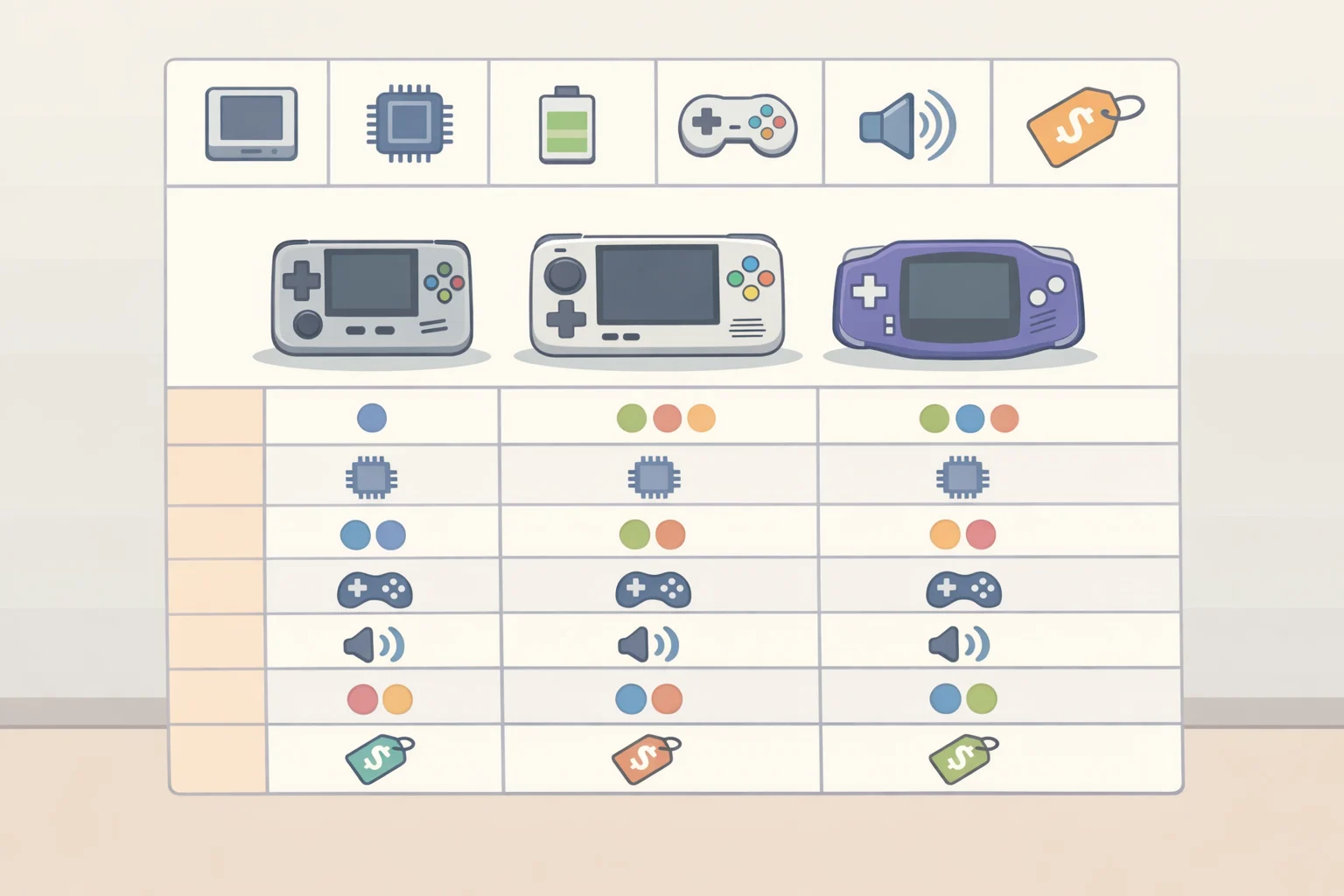
For buyers prioritizing accurate GBA presentation, the RG34XX remains the obvious choice. Its 3:2 ratio delivers pixel-perfect scaling, the price is under $80, and the emulation ceiling covers everything through PS1 which covers most of what a nostalgia-driven buyer actually wants. The Multicore review from early last year makes a persuasive case that it's already the standout device in its class. Waiting for the Pocket Advance to improve on something the RG34XX already does well is not a reason to wait.
For readers interested in a GBA-shaped device that can also run sixth-generation hardware, the unanswered questions are chipset, price, and service support. No current product combines that form factor with that performance tier. But the calculus depends on specifics: if the SoC falls short of Snapdragon-class performance, the thermal case made by those vents collapses. If the price significantly overshoots the Retroid Pocket Nova's $229, there's no obvious justification. And one additional practical variable applies regardless of specs. In a January 2026 service announcement, AYANEO stated that "we have not yet been able to establish a full global after-sales service network," meaning international buyers may face delays on warranty support, per TechTimes. That belongs in the purchase calculation alongside chip, aspect ratio, and price.
Four things to verify before ordering:
- Confirm the chipset and look for independent PS2/GameCube benchmark coverage once available
- Confirm the display aspect ratio and decide whether the widescreen tradeoff fits your actual use case
- Confirm price relative to the Retroid Pocket Nova at $229
- Check warranty terms for your region given AYANEO's acknowledged service network gaps
What the reveal actually settles
The Pocket Advance would be a meaningful product if AYANEO confirms two things: a chip capable of running PS2 and GameCube-class emulation, and a price that doesn't overshoot the Retroid Pocket Nova without justification. Deliver both, and AYANEO will have a device with no current equivalent. Miss on either, and the nostalgia is carrying more weight than the hardware.
The broader question this device will eventually answer is whether there's a real market for a premium GBA-form Android handheld or whether buyers who want GBA accuracy have already settled on sub-$80 hardware that covers their actual library, while buyers who want more power have accepted that it comes in a different shape. AYANEO is betting enough buyers sit in the gap between those two positions to build a product line around. Today's reveal confirms the design direction. Specs and pricing will determine whether the bet pays off, per TechTimes.