Light Flip Dumb Flip Phone Explained: Design, Specs, and Open SDK Risks
Light Phone launched the Light Flip today, a $299 minimalist flip phone with no touchscreen, no outer screen, no app store, and a physical keypad that defaults to T9 input. The announcement landed one day before Samsung's Galaxy Unpacked event, where the mobile giant is expected to debut its latest AI-powered foldables. That timing was deliberate, WIRED reported today.
The device ships in April 2027. But the more immediate question raised by the announcement is what Light is actually betting on: that a phone nobody would mistake for a smartphone, running an open-source OS the company doesn't fully control, can hold its minimalist identity once third-party developers start building for it.
That tension runs through everything Light said today, and it starts with how the Flip was designed.
What the Light Flip dumb flip phone actually is
Video of the Day
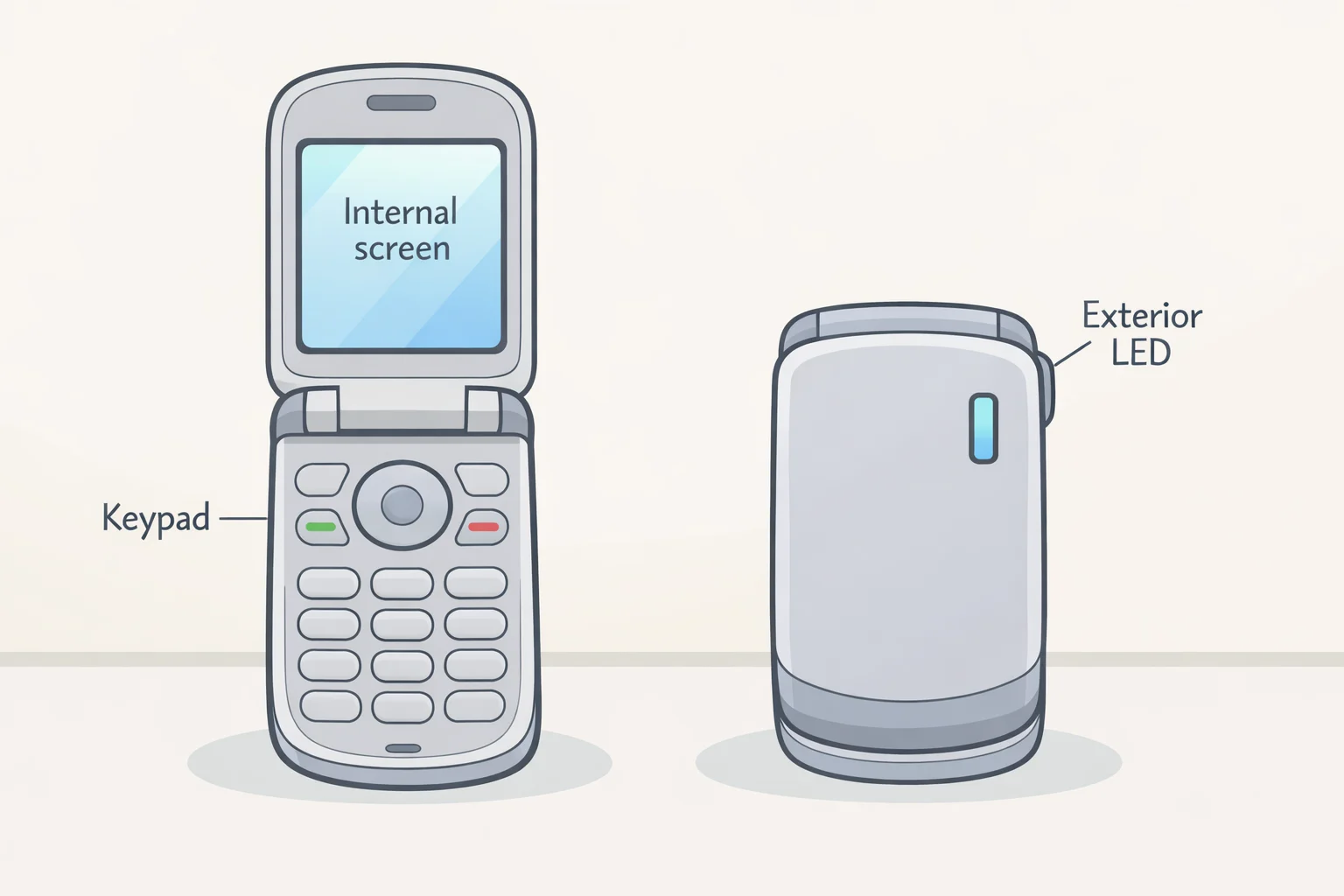
The Flip is a clamshell built around deliberate constraint. Open it and there's a 2.8-inch OLED display not a touchscreen. All input comes from the bottom half: a 12-button numeric keypad, a D-pad, three function keys, and T9 predictive text, per WIRED and Engadget. Close it and the exterior is entirely matte plastic, no screen, just a notification LED that blinks when something arrives.
Specs: MediaTek MT8873 processor, 6GB of RAM, 128GB of storage, 5G, Wi-Fi, Bluetooth, USB-C, Nano SIM and eSIM support, a 50-megapixel rear camera that outputs 12-megapixel images, a replaceable 1,800-mAh battery, a headphone jack, and IP54 water and dust resistance, per The Verge and Engadget. No NFC, which means no tap-to-pay. No front-facing camera. The plastic body, versus the Light Phone III's all-metal build, keeps the price down and opens up six color options.
The software is LightOS, the same custom Android-based platform as the Light Phone III. Tools include calls, messaging, navigation, calendar, notes, media playback, and photo management. Tang confirmed to The Verge that tap-to-pay is the only LightOS capability the Flip loses relative to the III, absent without an NFC chip.
One caveat worth stating plainly: no independent reviewer has tested the Flip. Battery life, call quality, camera performance, and keypad responsiveness are all unverified. Everything that follows is based on launch-day reporting and founder interviews.
Video of the Day
Why Light says it built it this way
The short version, per Light's own account, is that the Light Phone III wasn't un-smartphone-like enough.
Younger users told the company that the III, with its touchscreen OLED display and metal body, still felt too close to what they were trying to leave behind. "They don't want to be seen as using a smartphone," Tang told WIRED, describing more than two dozen Gen Z consumers the company interviewed. Co-founder Joe Hollier told Wallpaper* that those same users described AI seeping into daily life as something they "hate" not a mild preference, a point of real friction.
Tang pointed to the Summer of Ludd festival in New York, where attendees booed people who pulled out smartphones to record video, as evidence the sentiment is culturally organized. "The sentiment of pushing back on smartphones is so strong; they don't like AI," he told WIRED. "They want these different form factors that make them feel proud or completely separated from smartphone app stores."
There's at least some market data behind that instinct. Feature phone sales rose 13% year-over-year at UK retailer Currys, with Nokia's 2660 and 105 models up roughly 50% and 49% respectively, according to The Telegraph earlier this month. One retailer, one market not a mass-shift indicator but it suggests the audience Light is designing for exists and is growing.
The flip form factor matters for reasons beyond nostalgia. Tang told The Verge that younger users are drawn to the idea of closing the phone and having it disappear what Hollier calls "symbolic closure," per Wallpaper*. The physical act of shutting the device is the product working as intended. A touchscreen slab doesn't offer that; a clamshell does.
Who Light thinks will buy the Light Flip
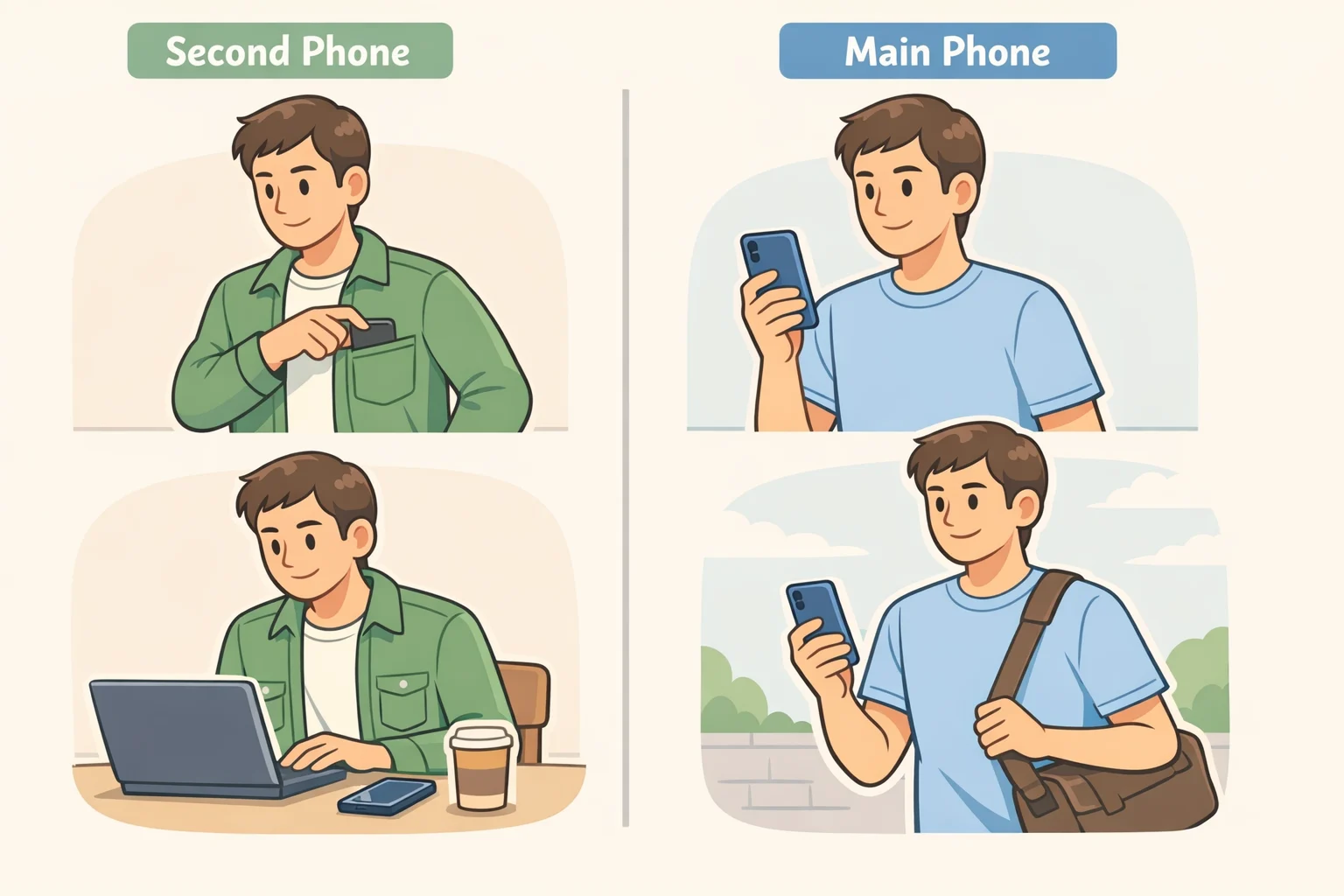
Tang described the Flip primarily as a second phone, per The Verge something to carry when you want to leave your iPhone or Galaxy at home, rather than a full smartphone replacement. The pricing structure fits that framing: $299 outright, or $39/month over 24 months bundled with Light's MVNO service covering unlimited calls and texts plus 1GB of data, running on AT&T and T-Mobile's networks, per WIRED.
A Consumer Reports review of the Light Phone III from three months ago is instructive context: the reviewer tried an old-school flip phone for a week and found it helped reset her relationship with her iPhone, but it couldn't replace it outright. That's roughly the use case Light is designing around.
The LightOS limitations that come with the territory are real. No clickable links in messages (they forward to email instead), no streaming apps, a separate browser dashboard required for managing media all of that carries over from the III, per that same Consumer Reports review. The Flip layers physical keypad input on top of all that. Tang told WIRED that users who've been tolerating broken hardware and uncertified networks on older dumbphones stick with them anyway, because the intent matters enough to absorb the friction. The Flip's pitch is that it clears enough of those practical obstacles to bring in people who sympathize with the goal but haven't yet committed.
The open-SDK problem
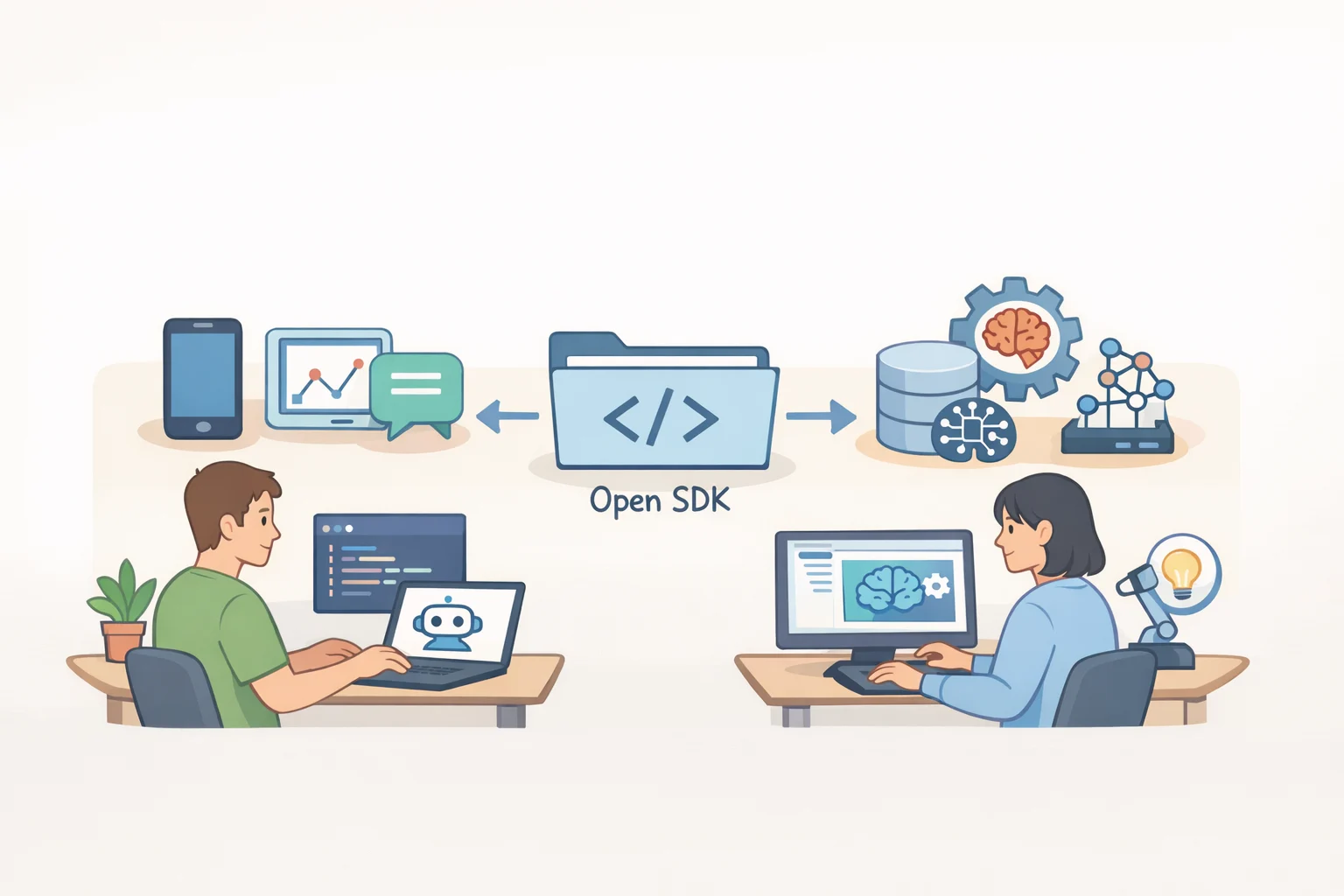
Light released its developer SDK in May and expects third-party tools to start rolling out this fall, per Engadget. That's where the Flip's core tension becomes concrete.
Tang told The Verge that he expects some developers will hack AI agents into LightOS and build ways to communicate with home servers running local AI models and said he doesn't intend to stop them. "You own the device. You own your software." Wallpaper* noted that LightOS has been open-sourced and that Light is actively cultivating a developer community around it, per Wallpaper*.
That's a principled stance on user ownership. It also means the Flip's minimalism is a starting condition, not a guarantee. Whether the device stays distraction-free depends on what the developer community builds, how Light curates its third-party tool library, and whether buyers want the phone to stay constrained once they have it in hand. None of that is settled.
The Light Phone III's rising price adds pressure. RAM shortages are forcing the III from $699 to $899, WIRED reported today, after earlier tariff-driven increases. At $299, the Flip becomes the realistic entry point for most buyers. Affordability and open extensibility together raise a fair question: is this a disciplined alternative to the smartphone, or a flexible platform that happens to start life without social media?
What to watch before reserving one
The April 2027 ship date gives Light nine months to deliver on hardware nobody has touched yet. Battery life, keypad feel, camera quality, and LightOS responsiveness on physical navigation remain entirely untested by independent reviewers. Reservations are open, but the practical reality of the device is still entirely Light's word.
Two things will determine whether the Flip earns its pitch. First, whether LightOS stays usable enough as a keypad-only interface that people actually carry it instead of falling back on a smartphone. Consumer Reports found the Light Phone III "comes closer than most to being both a practical and an effective solution" in its review three months ago high praise, with the implicit caveat that it still didn't get all the way there. The Flip has to hit that bar on harder input constraints.
Second, whether the SDK rollout this fall reshapes the device into something closer to what it was designed to replace. If developers build AI tools and the community embraces them, the Flip becomes a different product than the one announced today.
Light's bet is that the form factor itself provides enough structural resistance the physical act of closing it, the blank exterior, the keypad that makes extended text sessions genuinely effortful that the device stays distinct even as the software grows. Plausible. Also unproven, and won't be answerable until the phone ships, gets reviewed, and lives in people's pockets long enough to see what they actually do with it.