Facebook Selfie Verification Goes Free as Meta Quietly Drops Key Term
Facebook this week launched a free verified badge that requires users to record a short video selfie, which the system checks against existing profile photos to confirm a match. The badge appears across Marketplace, Dating, Groups, and Profile pages, with Feed placement to follow, according to Meta's announcement. The launch carries a notable omission: in late 2024, Meta described a similar user-facing workflow as "video selfie verification using facial recognition technology." This week's announcement does not use either of those last two words.
That terminology shift matters. An active Illinois lawsuit accuses Meta of scanning faces for Messenger AR filters without the consent and retention notices required under the Illinois Biometric Information Privacy Act a law under which Meta has already paid $550 million to settle one class action and $68 million to settle another, according to The Center Square.
How Facebook selfie verification works
Video of the Day
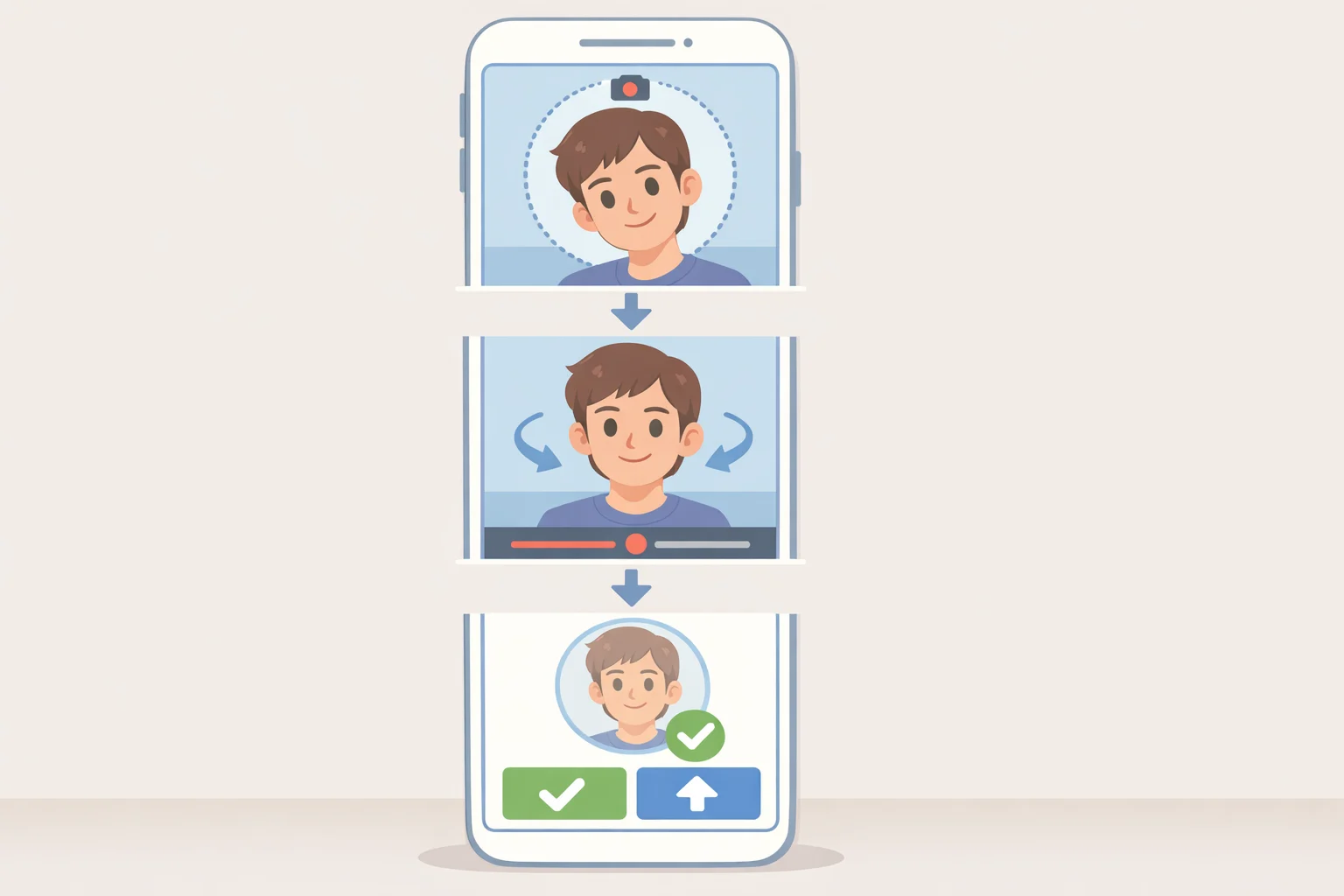
Users record a brief video selfie; Meta's system checks it against photos already on their profile, per Meta. The process is free, requires no subscription, and needs to be completed only once after that, the verified badge travels with the account across Marketplace, Dating, Groups, and Profile, with Feed posts to follow.
Eligibility is restricted. The badge is available only to users 18 and older who are in good standing under Community Standards, specifically the rules covering fraud, scams, and deceptive practices, with no history of inauthentic behavior. Pages and ProMode accounts do not qualify, Meta said. The rollout is phased, starting in select markets with global expansion planned but no timeline published.
What the badge confirms is also explicitly bounded. It means a real person completed verification and meets Meta's trust and safety standards. It does not, by Meta's own statement, mean that Facebook endorses the user or guarantees their trustworthiness. Verified users remain subject to Community Standards and Commerce Policies, same as everyone else.
That distinction is worth holding onto. A verified badge in Marketplace means the seller's face matched their profile photos at the time of verification not that they will ship the item. Meta states this limitation directly. It will still be missed by many of the people the badge is meant to reassure.
Video of the Day
How Meta's language around the same public-facing process has changed
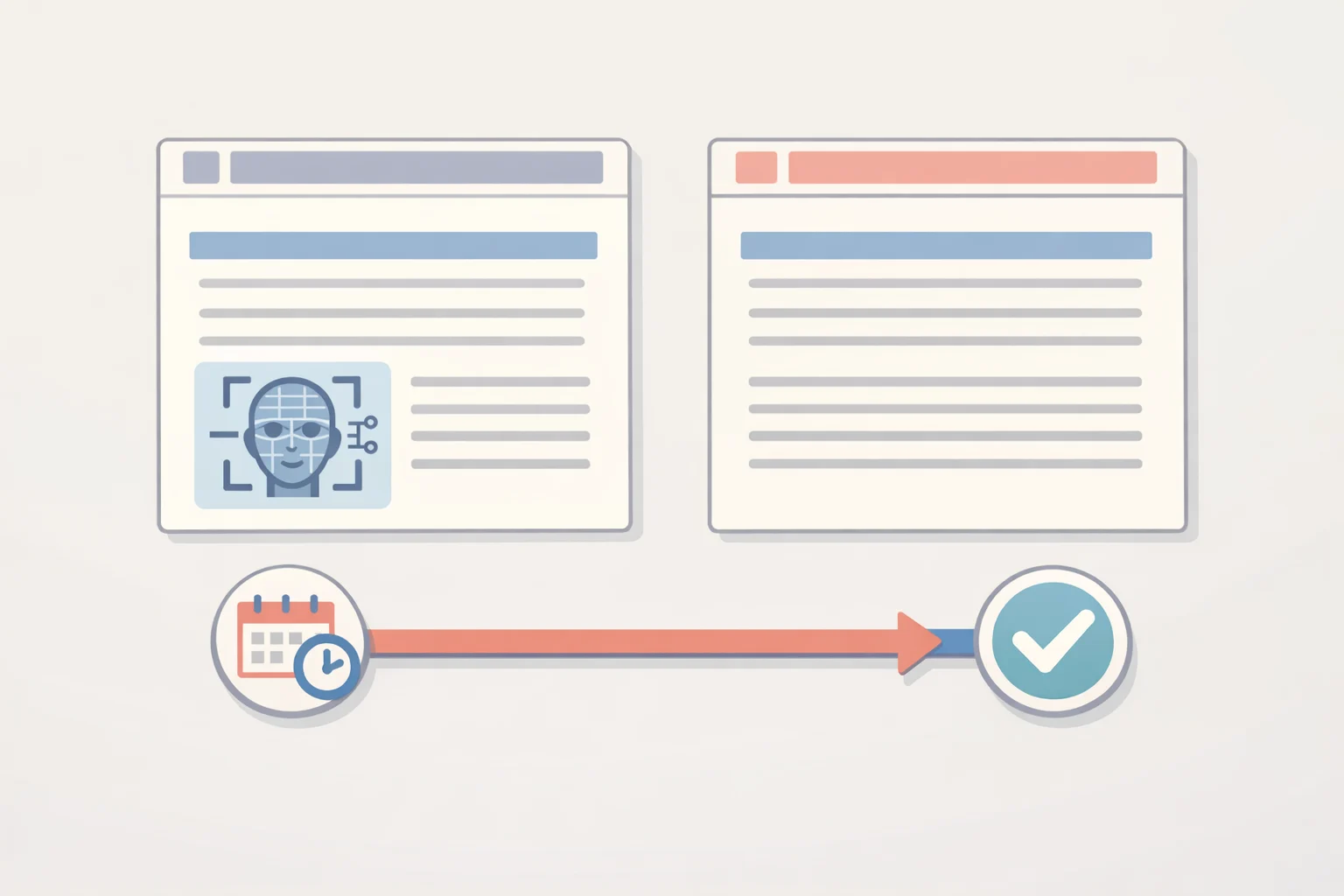
Two years ago, Meta was explicit about what it was doing. Its October 2024 announcement described "video selfie verification using facial recognition technology" as an optional identity tool and confirmed facial recognition measures were rolling out in the UK, EU, and South Korea for scam detection and account recovery, according to Meta's newsroom. The public-facing steps record a video selfie, have it checked against a stored image are the same steps Facebook Verified describes today. Whether the underlying systems, algorithms, or data pipelines are equivalent is something Meta has not addressed.
By May 2026, the company was actively disclaiming the label for adjacent tools. When Meta announced a separate AI system that scans photos and videos for physical characteristics including height and bone structure to flag users who may be under 13, it got ahead of the obvious question: "We want to be clear: this is not facial recognition," as reported by The Verge. The system still performs image-based physical analysis. The disclaimed label was the thing that changed.
This week's Facebook video selfie verification announcement describes matching a selfie against profile photos and uses the phrase "facial recognition" zero times, per Meta's product page.
Across those three points, the record shows Meta moving from openly claiming "facial recognition technology" in 2024 to pre-emptively disclaiming it for adjacent systems by mid-2026, while continuing to describe face-matching workflows in its user-facing products. Whether that reflects a genuine technical distinction different algorithms, different processing pipelines or something else is not explained. Meta has not said. The legal frameworks governing this space are built around definitions, which is precisely why the shift is worth noting.
Why "facial recognition" is a phrase with a dollar figure attached
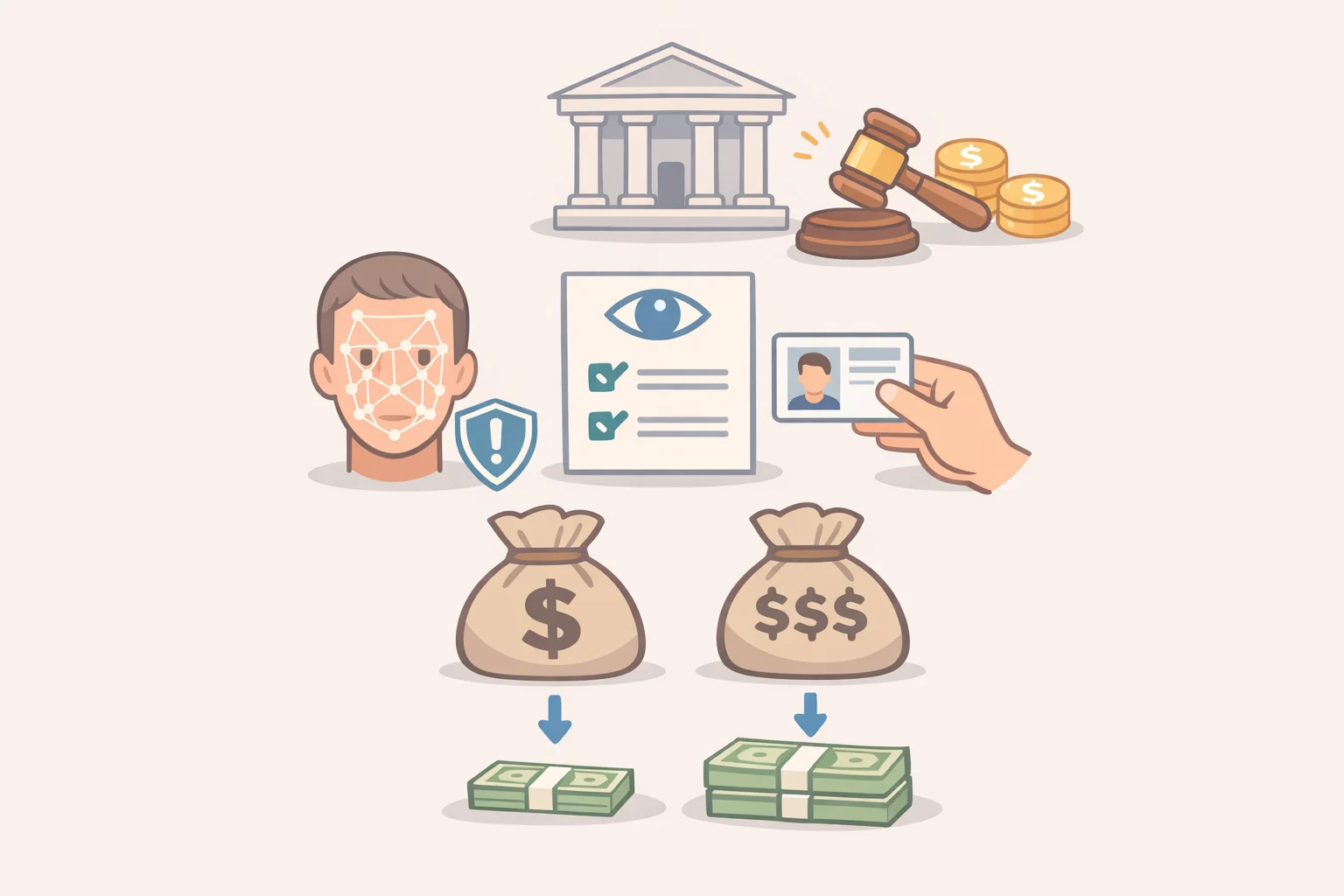
Meta's biometric litigation history gives the terminology question concrete weight. An active Illinois case accuses Meta of scanning users' faces to activate augmented reality filters in Messenger and Messenger Kids without first securing the authorization or providing the retention notices required under BIPA, according to The Center Square. The central issue is not that face-scanning occurred it is that proper consent and disclosure allegedly did not.
Meta has already settled two separate BIPA class actions: $550 million for scanning Facebook users' faces in uploaded photos, and $68 million for similar conduct on Instagram, per The Center Square's reporting. Both settlements turned on consent and retention failures, not on the act of scanning itself.
The 2024 rollout included specific data commitments. Meta said facial data from one-time ad comparisons is deleted immediately after the check, and that broader facial data is deleted "as soon as it's no longer needed," with the process subject to an internal privacy review, according to Meta's 2024 announcement. No equivalent disclosure appears in this week's Facebook Verified announcement.
What Meta hasn't said

The absent disclosures are specific. Today's launch does not address how long video selfie data is retained after verification completes, whether derived matching templates are stored separately from raw footage, which markets are included in the initial rollout, or what recourse users have if verification fails or is later revoked.
Under BIPA, those disclosures are not optional they are the central requirement the prior settlements were litigated over. Meta's own 2024 announcement named the UK, EU, and South Korea as markets where it was deploying facial recognition measures, per its newsroom, which makes the silence on market sequencing in today's launch more pointed. Users submitting a video selfie today are doing so without answers to the questions that prior litigation was built around asking.
Whether regulators in Illinois treat the absence of those disclosures as relevant to the active BIPA case remains to be seen. Whether the badge actually reduces fraud in Marketplace and Dating or whether the verification step proves easy for bad actors to pass and hard for ordinary users to see past is a question the rollout itself will have to answer.