Boox Picco Tiny E-Reader Confirmed: Specs, Features, and Unknowns
Onyx Boox confirmed this week that it is entering the ultra-compact e-reader market with the Boox Picco tiny e-reader, the first device in a new Tile lineup. The Picco will feature a 3.97-inch front-lit grayscale e-paper display and an SD card slot for expandable storage, The Verge reported. No price, no release date, and no further specs have been disclosed.
Boox is entering a format that Xteink made visible but hasn't fully solved. The category still looks unforgiving on the basics lighting, input method, and getting books onto the device and Boox is betting it can clear that bar where its smaller rival hasn't. Whether it can do so at a price that makes sense against Xteink's $69 and $99 lineup is the only question that matters right now.
Teaser images are already public, which Notebookcheck takes as a sign that a formal launch is not far off, though Boox has not confirmed a timeline.
Boox Picco vs Xteink: what's confirmed and what isn't
Video of the Day
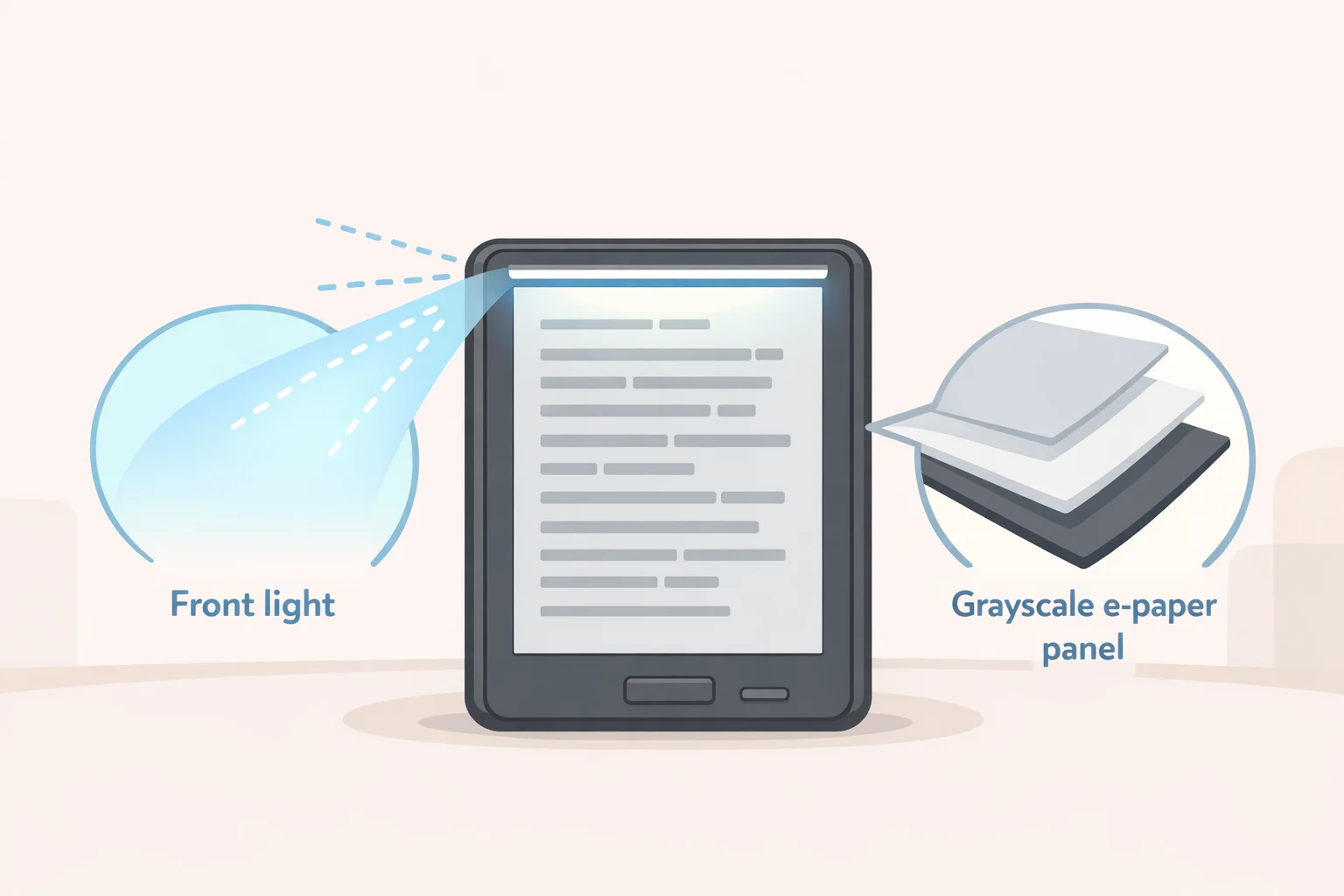
Two specs are locked in: the front-lit display and SD card expansion, both confirmed by Boox. Everything else resolution, internal storage, battery, touchscreen support, price remains unannounced, per The Verge.
Those two confirmed specs are not incidental. The front light directly addresses the most complained-about gap in Xteink's original device. The $69 Xteink X4 launched without any screen lighting, requiring a lamp or flashlight for night reading. Xteink later released a $99 X4 Pro with a front light as its headline upgrade. The Picco enters with that feature already built in, The Verge reported.
The software picture is murkier. Via Good e-Reader, The Verge reported the Picco may run a minimal tiled interface with a limited app selection NeoReader, a music player, and a podcast app. If accurate, that would place the Picco in a very different category than the Palma, which runs a full Android ecosystem on a 6.13-inch 300 PPI display for $279.99, as reviewed by Reviewed. Treat the software report as tentative: it comes through a secondary source, and Boox has not publicly confirmed what the Picco will or won't run. The simpler interface, if real, would suggest Boox is deliberately positioning this as a focused reading device rather than a shrunken Palma.
Promotional images show physical buttons on the device. Whether the Picco also includes a touchscreen is unknown, The Verge noted. That question matters more than it might appear, and the Xteink experience explains why.
Video of the Day
Where Xteink went wrong
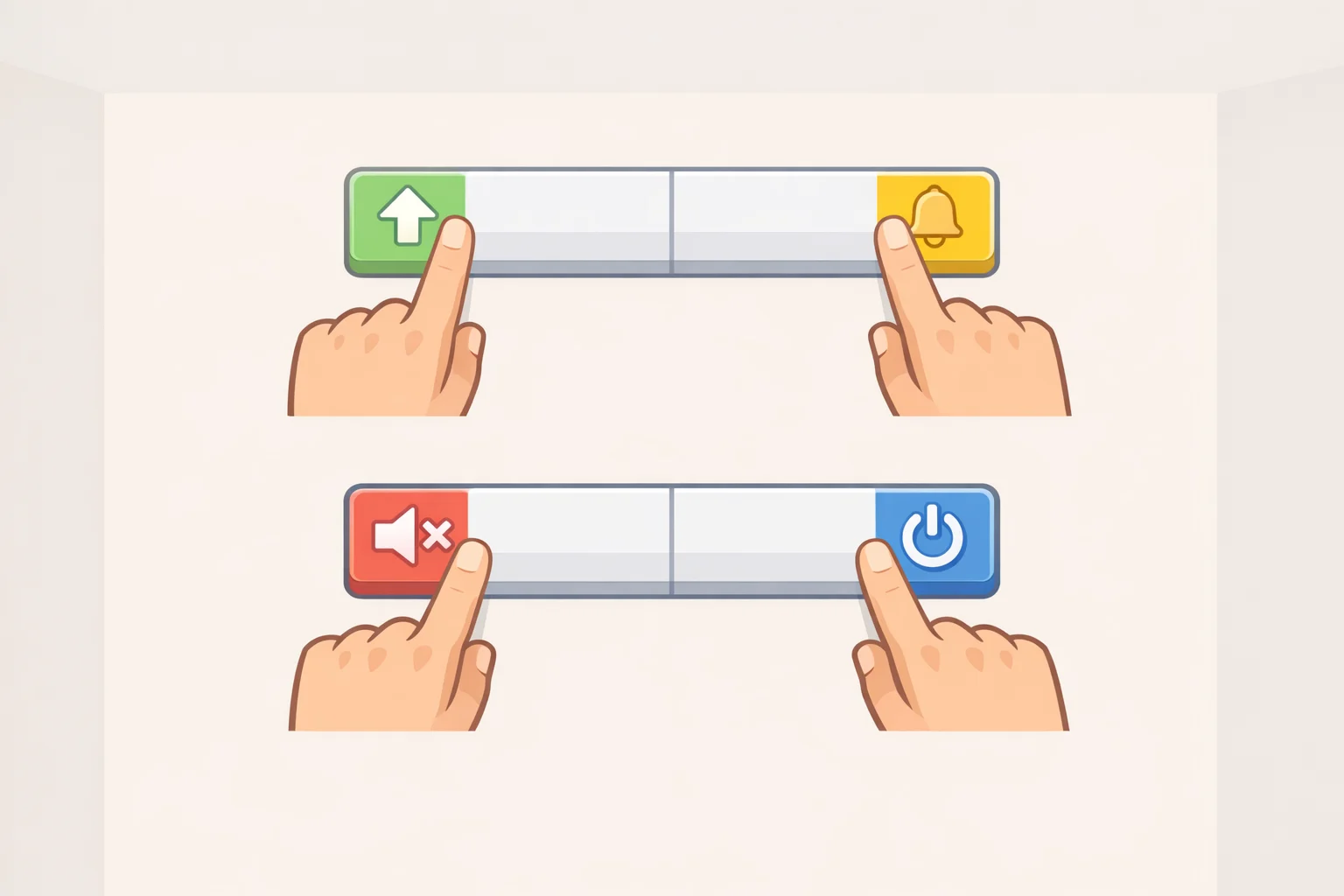
The Verge's hands-on with the Xteink X4 from earlier this year catalogued a specific and instructive set of problems. The 220 PPI display fell short of the 300 PPI standard on current Kindle and Kobo devices. The physical buttons carried no labels and changed function depending on where you were in the interface three of them were two-sided, doing different things depending on which edge you pressed. Wi-Fi file transfer was either broken or marked "in development." The device wouldn't mount as a USB drive when connected to a computer.
The file transfer situation was particularly rough. The X4 has no built-in bookstore, so users need to source DRM-free EPUB files and find a working way to load them. With Wi-Fi sync unreliable and USB mounting unavailable, the most practical option was pulling the microSD card which sits deep inside the device and can be difficult to remove without tools.
The interface frustration accumulated to the point where users turned to an alternative open-source firmware called CrossPoint Reader, which added onscreen button labels, simplified navigation, and expanded reading options. It's a useful fix, but the fact that it exists at all signals how rough the stock experience was for early adopters.
Xteink has pushed software updates since the X4 launched, and the company hasn't locked down the hardware, which is what made community firmware possible in the first place. Progress has been slow, The Verge noted, but the openness is worth acknowledging it's not a dead end, just a slow one.
What Boox can fix, and where the comparison gets harder
Those shortcomings map out exactly where Boox has room to win. A front light is already confirmed. If the Picco ships with NeoReader and a navigation system that doesn't require memorizing which edge of an unlabeled button does what whether via touchscreen, clearly labeled physical controls, or both it resolves the two biggest pain points without needing to do anything novel. Boox has spent years refining NeoReader and building hardware with functional interfaces. The baseline conditions for improvement are already in place.
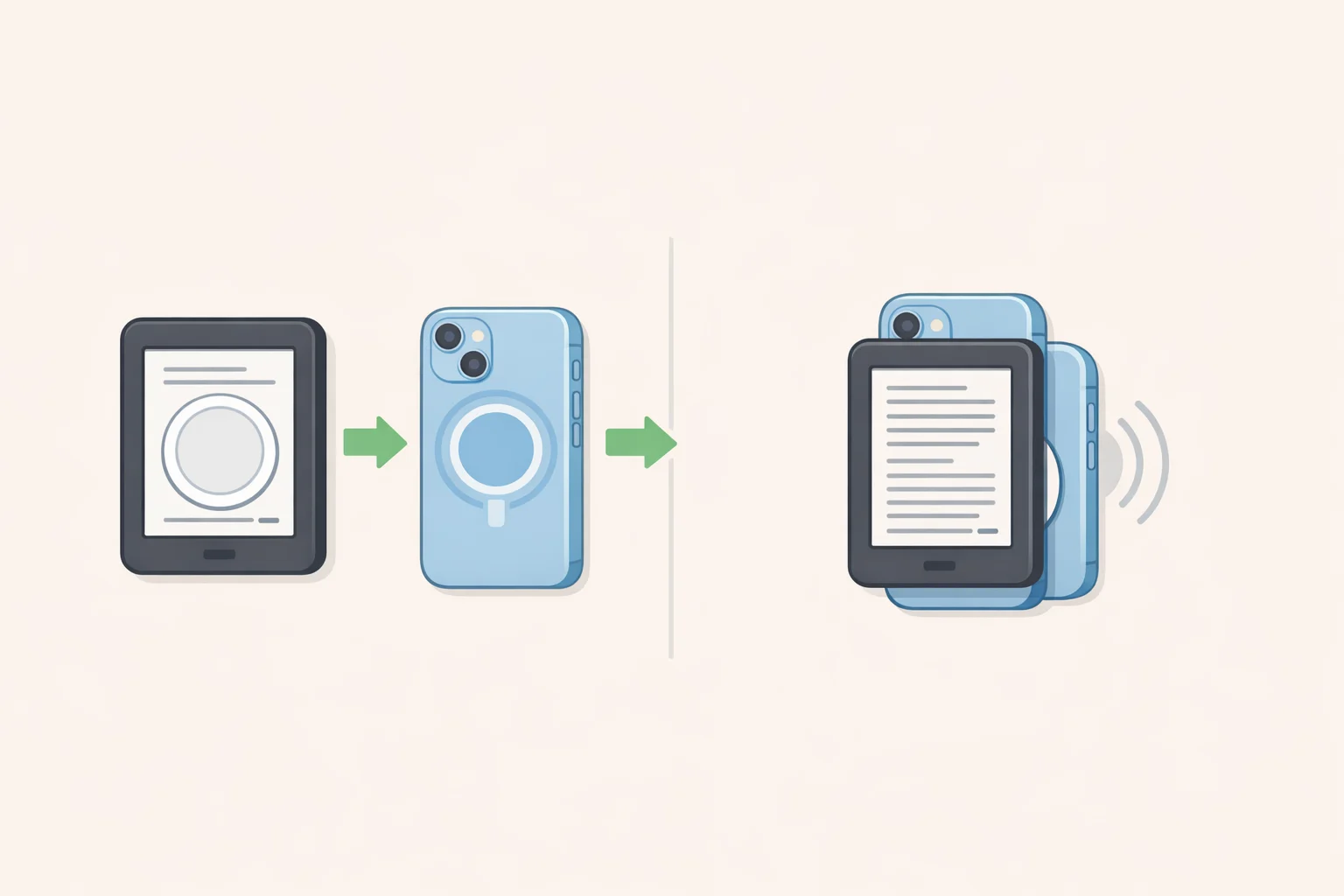
The physical differentiator comparison is harder to call. The X4's MagSafe-compatible back, which lets the device attach directly to an iPhone, appears to be its clearest hardware hook genuinely practical for commuters, distraction-averse readers, or anyone who wants a secondary reading device that goes where their phone goes. There is no indication the Picco includes anything similar, The Verge reported. Worth noting: the MagSafe alignment wasn't perfect on all iPhone models at launch, requiring adhesive magnetic rings as a workaround, so it's a compelling feature with its own rough edges.
If the Picco doesn't match that use case, Boox is competing primarily on software quality and navigation coherence. That may be sufficient for buyers who want a small e-reader that simply works without the learning curve. It narrows the appeal somewhat, but it's not a weak position for a company with Boox's track record.
What the launch needs to get right
Price will determine more than any single spec. Boox's promise of an "accessible price point" is relative compared to the $279.99 Palma, a $150 Picco sounds accessible; compared to Xteink's $69 and $99 range, it doesn't. A sub-$100 price would put the Picco directly against Xteink's current lineup on cost while potentially beating it on usability. That's the scenario where this category starts looking different.
Above that threshold, the value case becomes harder. Not impossible, but it would require clear wins on specs that haven't been disclosed yet, particularly display resolution. The difference between 220 PPI and 300 PPI is visible in text sharpness not catastrophic at 220, but noticeable when you're comparing devices side by side.
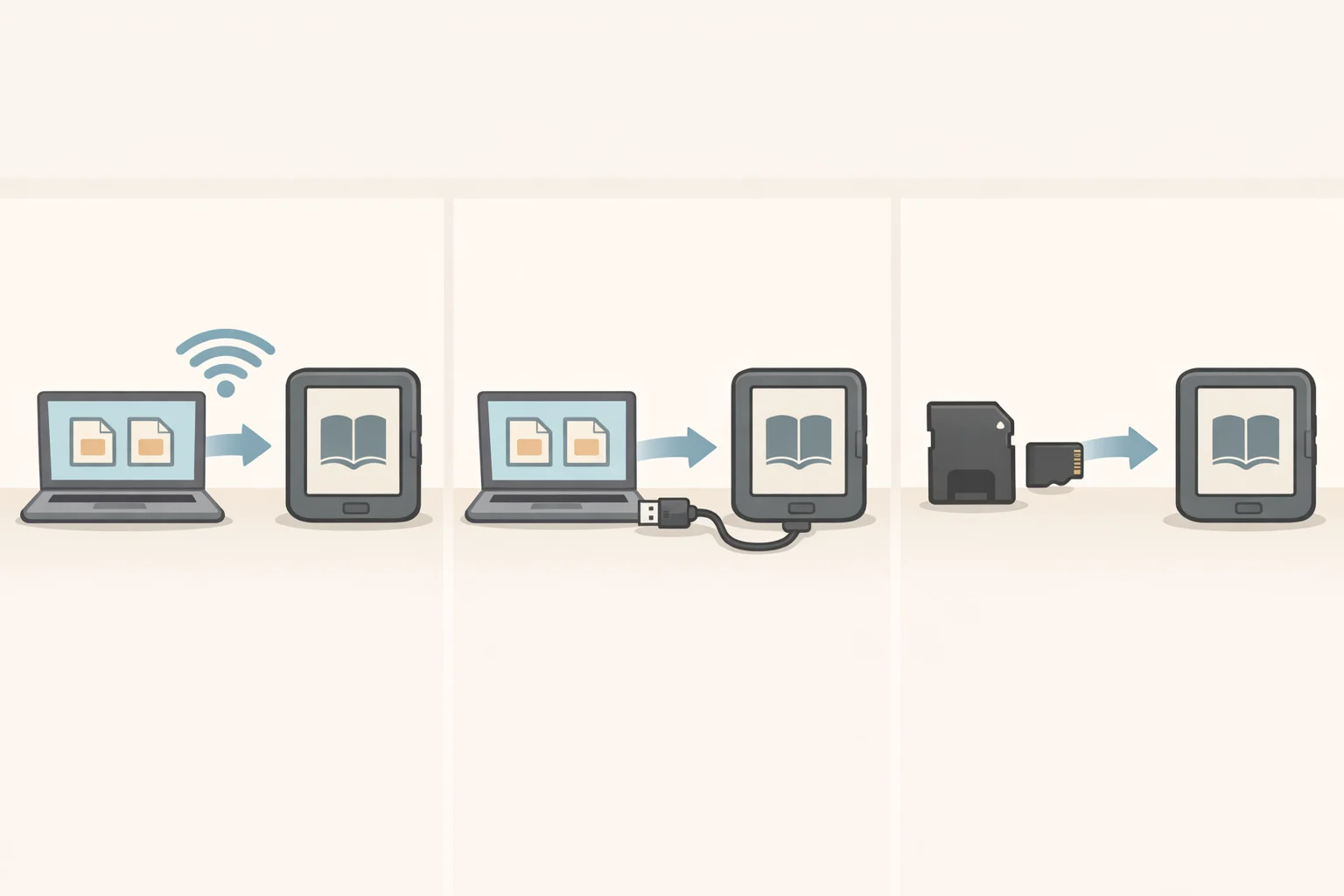
Three other unknowns will determine whether the Picco is practically usable at launch. First, input method: buttons-only navigation was the X4's most persistent daily frustration, and whether the Picco includes a touchscreen is a real buying decision, not a footnote. Second, file loading: if the Picco can't reliably get books onto the device via Wi-Fi sync, USB transfer, or a built-in store the reading experience is irrelevant. Third, the actual price.
A MagSafe-style attachment would matter for a specific type of user, but it's a differentiator on top of a functional foundation, not a substitute for one. Boox needs to nail the foundation first.
Boox is a credible company entering a category where the reference point has real appeal and genuine usability problems. The Picco likely has a better shot at making tiny e-readers click for mainstream buyers than anything that's come before but that shot depends on a price Boox hasn't named and specs it hasn't confirmed.