Fujifilm Camera Price Increase: 5 Models Cost More by Sept. 1
Fujifilm is raising list prices on five camera models in Europe by between €100 and €500, with all changes fully in place by September 1, 2026. The Fujifilm camera price increase was disclosed through a notice from German retailer Fuji-Store and reported by PhotoRumors this weekend. The manufacturer cited rising semiconductor market costs and higher manufacturing costs. This is not the first round: PhotoRumors noted that Fujifilm pushed through several price increases last year, which puts this round in a different frame than a one-time adjustment.
The confirmed scope covers European pricing only. No equivalent announcements have been made for North America, Asia, or other markets as of publication.
Which cameras are affected and by how much
Video of the Day

Five models are confirmed, across both body-only and kit configurations, per Fuji-Store via PhotoRumors this weekend:
| Model | Current MSRP | New MSRP (from Sept. 1) | Increase |
|---|---|---|---|
| Fujifilm X100 VI | €1,799 | €1,999 | +€200 |
| Fujifilm X-E5 (body) | €1,549 | €1,649 | +€100 |
| Fujifilm X-T50 (body) | €1,499 | €1,599 | +€100 |
| Fujifilm X-S20 (body) | €1,399 | €1,499 | +€100 |
| Fujifilm GFX100 II | €7,999 | €8,499 | +€500 |
Kit versions of the X-E5, X-T50, and X-S20 carry equivalent increases. Both the manufacturer's suggested retail prices and dealer purchase prices are rising in parallel, per the retailer's notice, meaning retailers cannot absorb the difference and are passing it through in full.
The GFX100 II increase has the clearest competitive consequence. At €8,499, the body would sit €1,000 above the list price of the Hasselblad X2D II, which competes directly with the GFX100 series on its 100-megapixel medium-format sensor, according to Notebookcheck this week. For buyers weighing those two systems, that price gap is now hard to ignore.
The X100 VI increase is more straightforward. The official MSRP rises from €1,799 to €1,999 on September 1, per Notebookcheck.
Video of the Day
Rollout timeline and what a pre-order actually guarantees
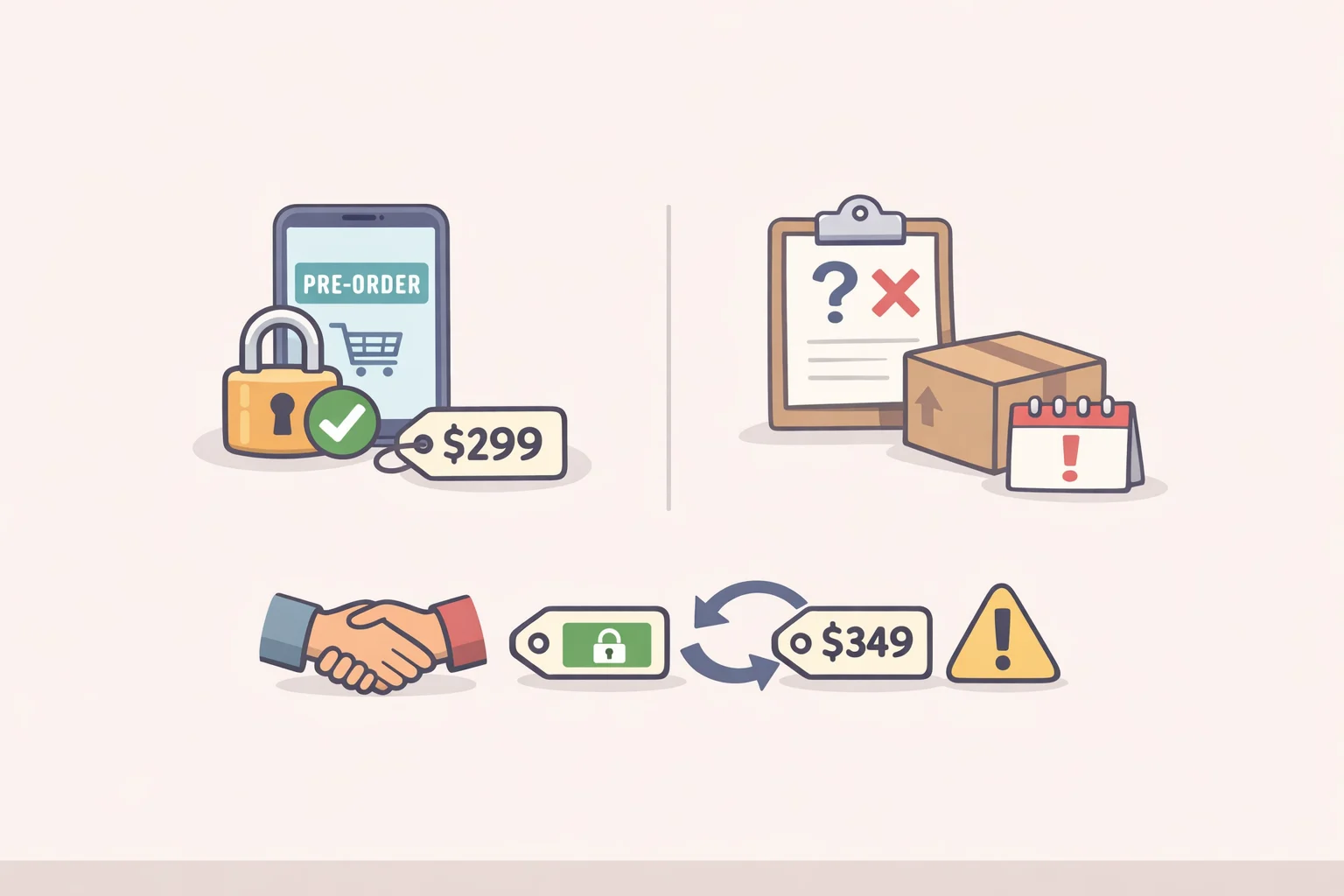
The transition is not a single flip. Price adjustments begin gradually from August 1, with the full move to new pricing complete by September 1, per the retailer's notice. For high-demand models or those with longer lead times, the increase may arrive before August 1.
Pre-orders placed through July 31 lock in current pricing at this retailer, but the terms include a meaningful caveat. The retailer explicitly reserved the right to cancel orders or propose a revised price if delivery failures or further cost increases occur, and stated it would only proceed with any revision with buyer consent, per the notice. A pre-order at today's price is conditional on supply holding steady, not a firm contractual guarantee if conditions deteriorate further.
For buyers outside Europe, the confirmed increases are euro-denominated and sourced from a single German retailer. Notebookcheck assessed a global rollout as likely, given that the underlying semiconductor costs are not region-specific. That remains an assessment, not an announcement. Non-European buyers should monitor local MSRP pages rather than assuming the confirmed changes apply to their market.
Why Fujifilm cameras are getting more expensive: the semiconductor market behind the hike
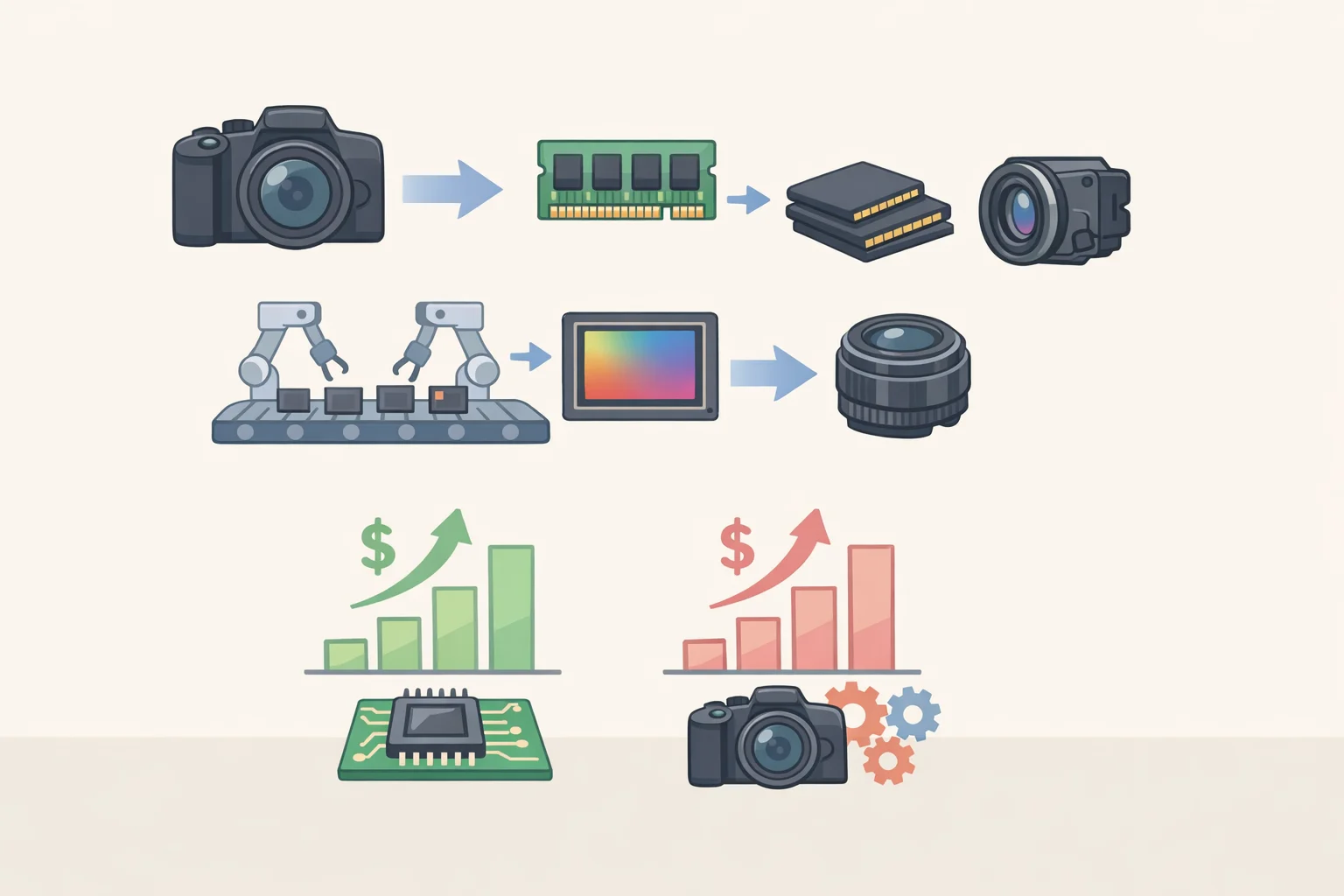
Fujifilm's stated rationale is deliberately broad: rising semiconductor market costs and higher manufacturing costs. That breadth is accurate, not evasive. Notebookcheck reported this week that the DRAM crisis is pushing up costs across DRAM, NAND flash, processors, and camera sensors. Modern mirrorless cameras draw from all of these supply chains: image processors, buffer memory, stabilization controllers, and sensors are each affected. Fujifilm has not broken out how much of the increase is attributable to memory versus sensors, logistics, or currency, so the precise contribution of any single component is unknown.
The most documented force reshaping that cost environment is AI infrastructure demand. Memory chipmakers have been accelerating the shift of production capacity toward high-end AI-grade specifications, draining supply of older mobile memory standards used across consumer electronics. TrendForce described this migration in June 2026 as an "irreversible trend," warning of severe supply disruption in the near term for devices relying on legacy specifications. That analysis covers the smartphone supply chain, not cameras directly, but the component overlap is substantial: modern mirrorless cameras share mobile DRAM, NAND, and processor families with smartphones, so the pressure is at minimum directionally relevant.
What the DRAM outlook means for buyers waiting on prices to fall
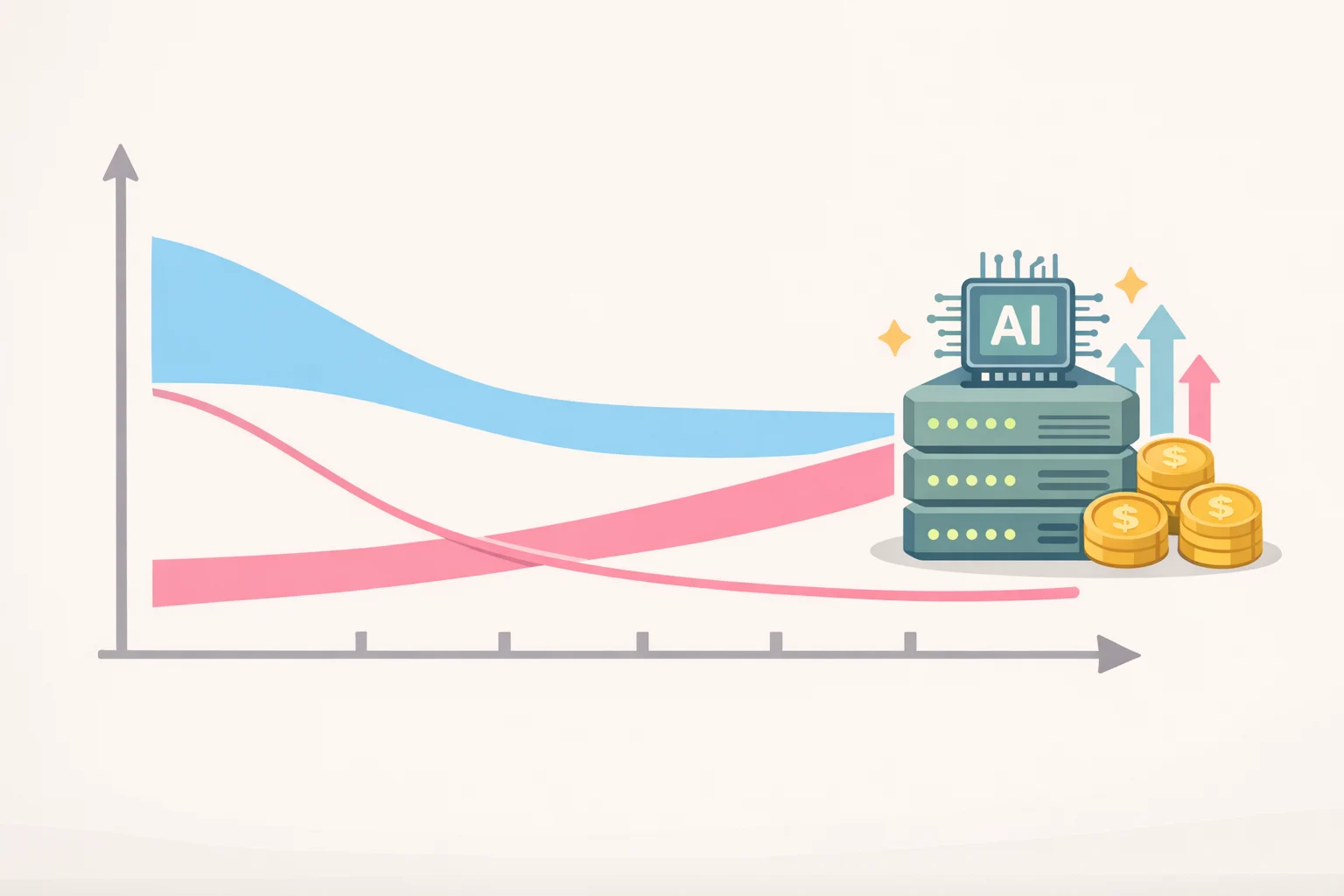
The supply picture does not improve quickly. TrendForce projected last week that AI server demand will continue to widen the supply gap for DRAM through 2027, sustaining elevated prices. NAND flash may face correction pressure in the second half of 2027, as process migrations boost bit output and consumer demand stays weak. But TrendForce noted that if DRAM costs remain elevated, any NAND softening would deliver only limited relief on total component costs for consumer devices.
TrendForce also flagged that 2027 pricing carries a high degree of uncertainty, with AI adoption rates and supplier capacity expansion plans likely to be the decisive variables. The projection is informed, not settled.
What this means in practice: buyers hoping to wait out the current cycle before purchasing one of the affected models have no near-term structural basis for expecting prices to reverse. The cost pressures that prompted this round of increases are, by the available evidence, still building.
What the broader pattern suggests
The confirmed scope is five Fujifilm models, European pricing, effective September 1. What lies beyond that involves varying degrees of uncertainty.
On the question of other manufacturers: Notebookcheck assessed this week that since the same semiconductor pressures affect all camera manufacturers, further price increases from other brands are conceivable. That is their view, not a confirmed development. No announced price changes from Sony, Canon, Nikon, Panasonic, or others have emerged as of publication.
The prior-hikes context matters here too. This round follows multiple Fujifilm price increases last year, per PhotoRumors. Taken together, the pattern is one of sustained upward pressure rather than a single correction. If semiconductor costs continue on the trajectory TrendForce projects, there is no structural basis in the current data for treating September 1 as a ceiling.
Two things are worth watching in the weeks ahead: whether Fujifilm publishes equivalent pricing changes in non-European markets, and whether other camera manufacturers announce similar moves. The cost pressures driving this hike are global and not specific to any one brand. How quickly that reality shows up elsewhere will tell buyers a great deal about how broad and durable this shift actually is.