Where to Buy Vintage Digital Cameras: 4 Sources Ranked
A Panasonic PV-DC1580 bought on eBay for $75 powered on, fired its shutter, and took pictures. Then its owner discovered the screen was dead, meaning there was no way to format a memory card, change a single setting, or pull the photos back off the camera (Consumer Reports). The camera worked, technically. It just couldn't do the one thing anyone buys a camera to do.
That gap between "powers on" and "works" is the whole problem with figuring out where to buy vintage digital cameras. Interest was already substantial when Consumer Reports reported that the #DigitalCamera hashtag had logged more than 300 million views on TikTok, and that eBay searches for Nikon Coolpix models had jumped 90% between 2021 and 2022 (Consumer Reports, citing The New York Times). When Consumer Reports bought five vintage digicams to test the market firsthand, only two produced downloadable images (Consumer Reports).
This guide ranks four places to buy one, from safest to riskiest, using a simple framework: whether the sale includes a return window, whether there's a warranty, whether the specific unit can be inspected before paying, and how much accountability the seller carries once money changes hands. Move down the list and selection improves while certainty drops. After the rankings, a verification checklist covers what to check before you pay and the moment a camera arrives, plus a short note on whether any of this applies to VCRs.
Best places to buy vintage digital cameras, ranked by risk
Video of the Day
1. Specialist used-camera dealers: safest
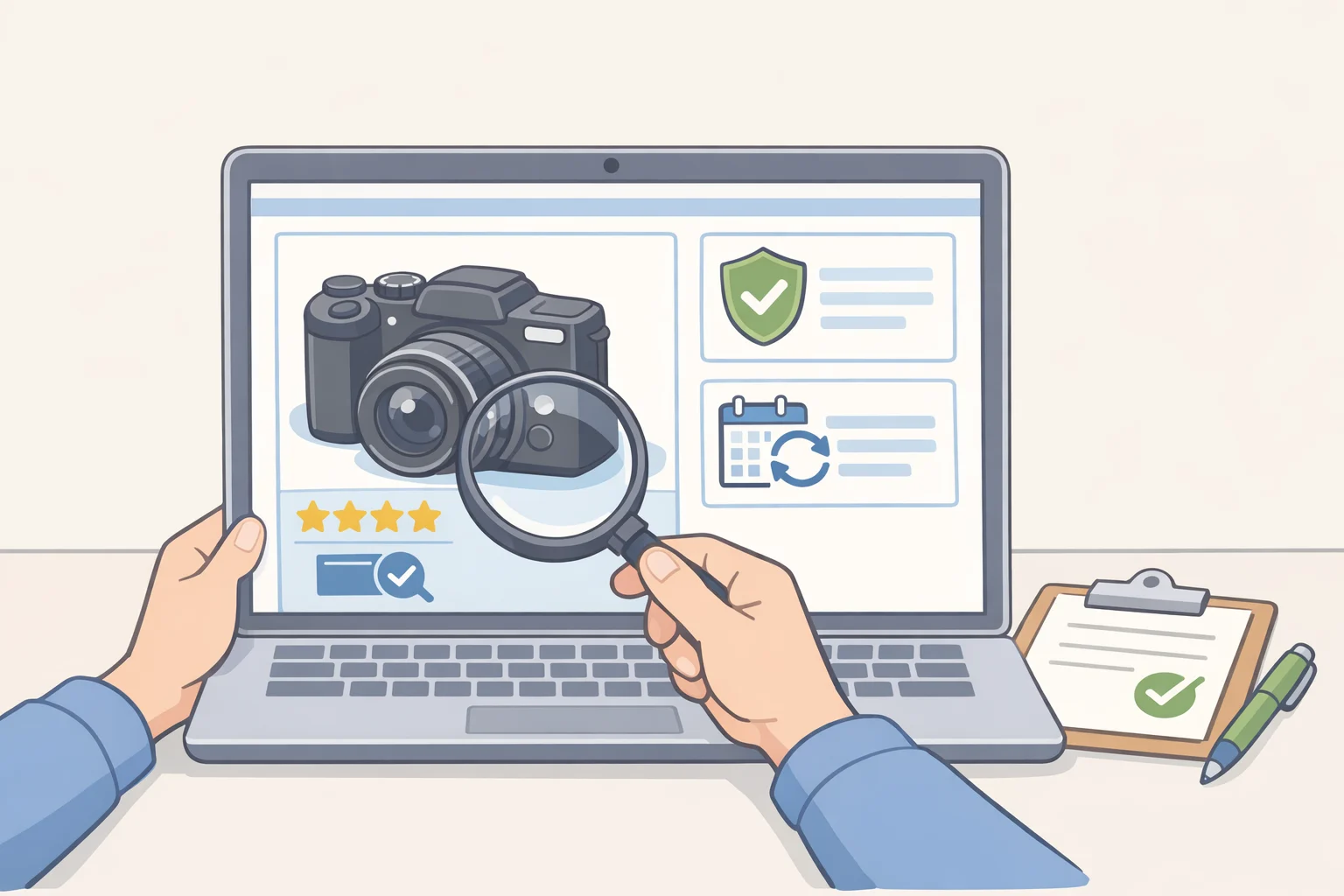
PCMag identifies specialty stores as one of three main channels for buying used camera gear, alongside general retailers and private sellers, and separately flags private sales as the riskiest of the three (PCMag, updated earlier this year). By elimination, specialist dealers are the safest starting point in this guide because they pair retailer accountability with returns and warranties.
KEH is the largest used photo dealer in the U.S., and MPB is another major dedicated used-camera retailer (PCMag). PCMag reports that retailers in this category allow returns for the cost of shipping and back purchases with short warranties (PCMag). Confirm the exact return window and warranty length on the current listing before buying, since terms and vintage stock both shift.
Lensrentals belongs in the conversation too, with a caveat. Its Keeper program lets renters buy the specific unit they've already tested by using it, and the company separately sells used gear (PCMag). Nothing in the research confirms how much older consumer digicam stock actually moves through that program, so treat it as worth checking rather than a guaranteed source for a 1999 point-and-shoot.
The tradeoff is price. Expect to pay more than in a comparable private sale, but that higher price can buy a return window and a warranty that a private seller won't offer (PCMag). Buyers are working from the dealer's grading and photos rather than the exact physical unit they'll receive, which is the one real gap between this tier and buying in person with cash. Best for buyers who want a working camera with recourse if it isn't.
2. B&H Photo and Adorama: low risk, less vintage depth
B&H Photo and Adorama, the two largest national camera retailers, both sell used equipment online and in their physical stores (PCMag). They extend the same return-and-warranty protection as dedicated dealers like KEH and MPB (PCMag).
What the research doesn't settle is how deep their vintage digicam inventory runs compared to a specialist, or whether a store clerk will let a shopper power on a specific unit before buying it. Call ahead and check current listings rather than assuming either. A physical storefront is a real advantage if the model turns up there, but it's no guarantee that a 2001 Olympus is sitting in the case. Best for buyers who want retail-standard protection and are willing to browse without a guarantee of vintage stock.
3. eBay and other marketplaces: more selection, more verification
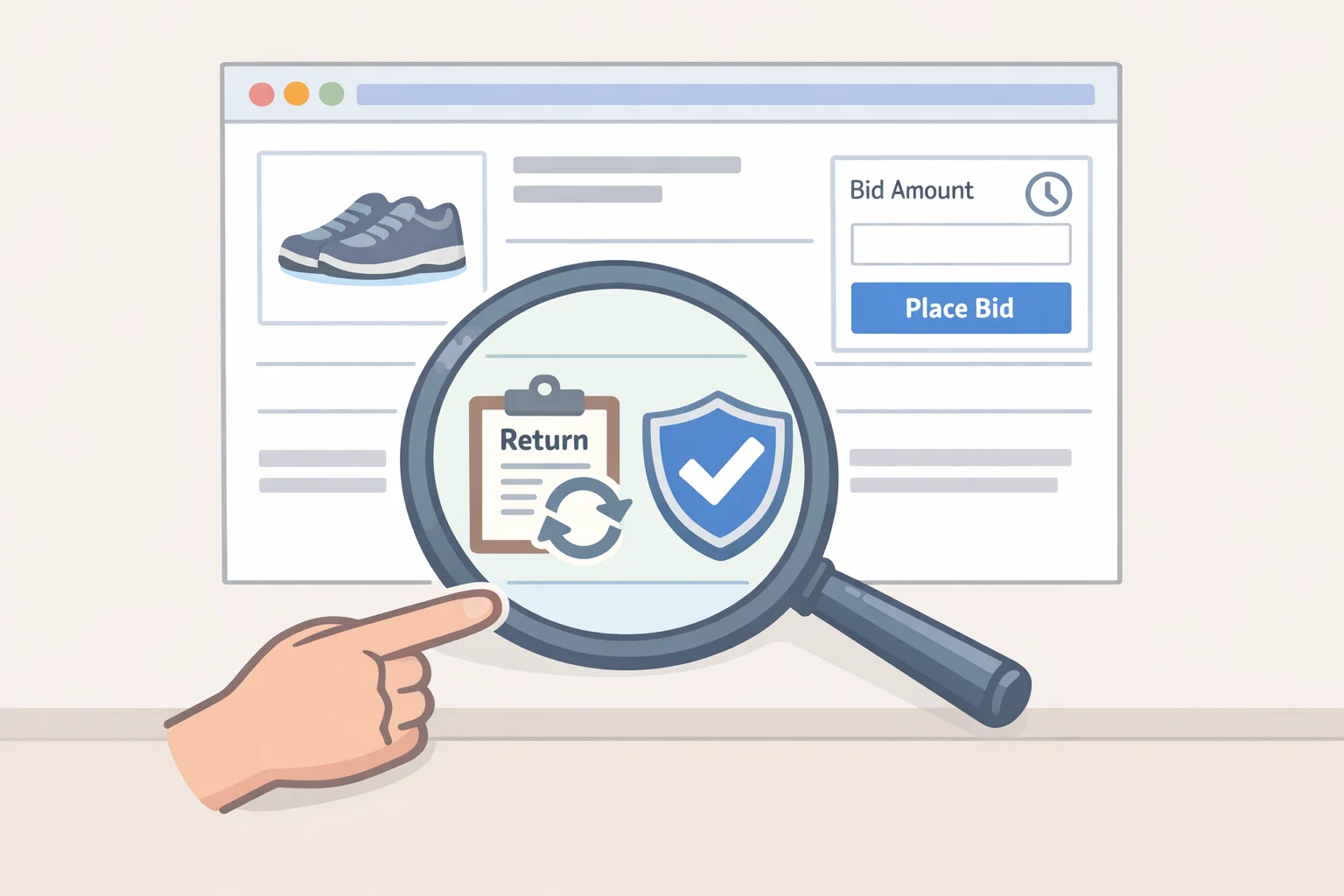
For anyone still asking where to find old digital cameras once the dealers come up short, eBay is the default answer. It's the largest camera marketplace, and PCMag calls its buyer protections the strongest safety net of any online platform in this category (PCMag). That safety net matters here more than anywhere else on this list, because many discontinued-camera listings are private sales, and PCMag flags private sales as the riskiest way to buy used gear overall (PCMag). Inspect each seller's stated return terms before bidding rather than relying on the platform alone.
The 90% jump in Coolpix searches between 2021 and 2022 is a decent proxy for why buyers end up here at all: discontinued and niche models often aren't sitting in dealer inventory, so shoppers turn to eBay to buy used digital cameras online when nowhere else has the model (Consumer Reports, citing The New York Times). eBay's buyer protection is a remedy if the transaction goes wrong, not proof the camera was tested before it was listed. The checklist below runs through real eBay purchases that passed some tests and failed others outright. Best for buyers hunting a specific model that dealer inventory doesn't carry.
4. Hobbyist communities: highest trust burden

Photography-focused groups offer a private-sale alternative with at least some filtering built in. PCMag cites a Camera Gear group of roughly 30,000 members restricted to photo hobbyists and professionals (PCMag). Restricted membership doesn't change the nature of the transaction, though. These are still private sales, and groups like this one typically lack a dealer return policy or a company-backed warranty (PCMag).
This is the tier for a specific model that isn't turning up anywhere else, bought from a seller willing to prove over video call that the camera works before any money moves. That reduces the risk of buying blind, but it doesn't eliminate it; a camera can pass a live demo and still fail after shipping. If a seller won't do the demo, there's no upside left to justify the risk. Best for a specific niche model, only if the seller proves it works before money changes hands.
Video of the Day
How to verify a vintage digital camera before you buy
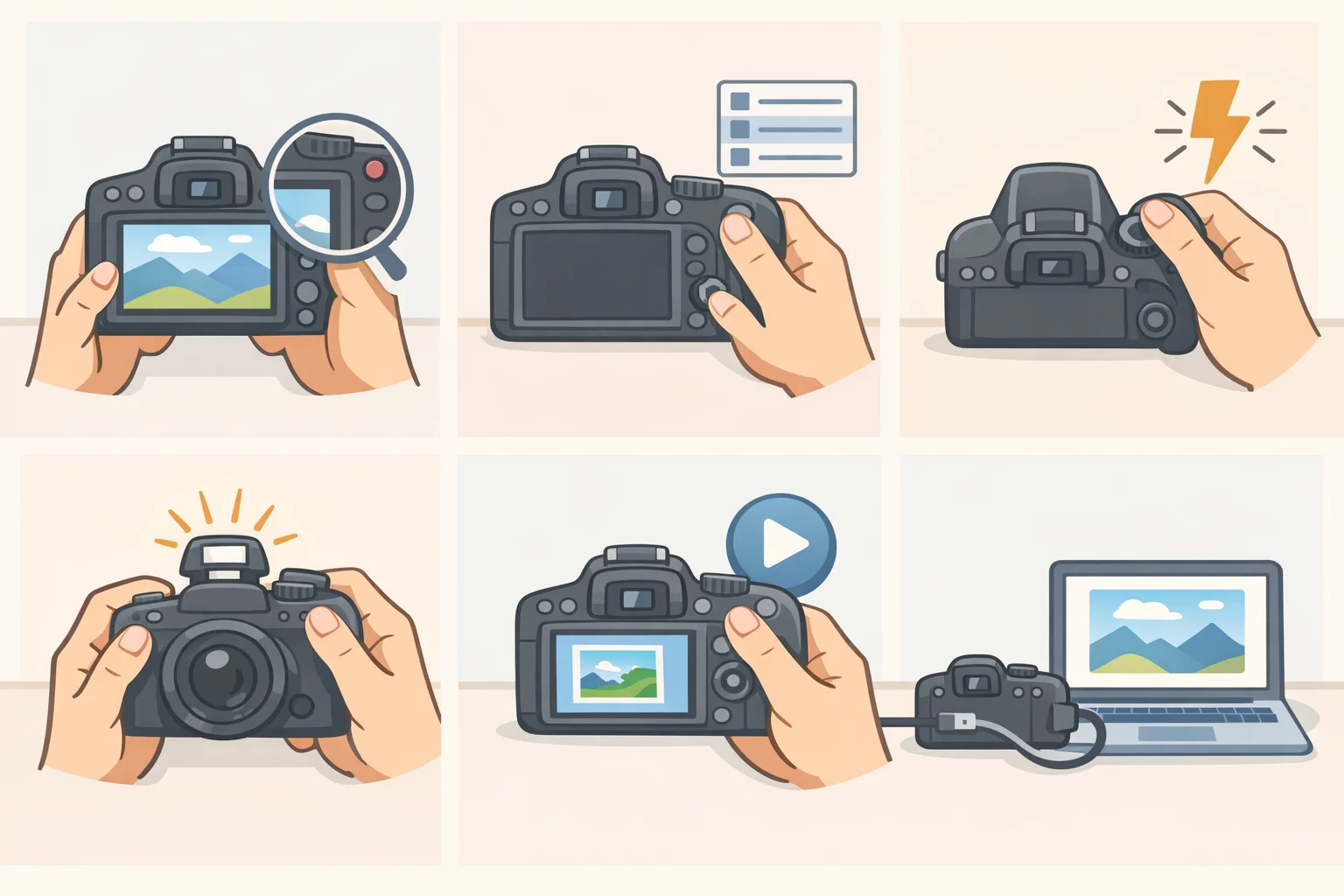
Run this checklist before paying and again the moment the camera arrives, ideally within a return window if one exists.
Ask before you pay. Request close-up photos of the battery compartment, an exact list of included accessories such as the cable, driver disk, or charger, and a sample image shot with that specific unit rather than a stock photo of the model. A seller who can't produce any of these is one to walk away from.
Test on arrival. Check that the LCD and menus respond, the shutter fires, the lens motor or zoom moves, autofocus locks, the flash fires, images play back on the camera's own screen, and files actually transfer to a computer. The Panasonic PV-DC1580 from the opening powered on and took a photo, but its dead screen prevented several essential steps after that, including formatting the card, changing menu settings, and extracting images (Consumer Reports). Powering on tells a buyer far less than it seems to.
Check power and storage before buying, not after. Most cameras in Consumer Reports' 1998 and 1999 ratings ran on standard AA batteries, which are easier to source today than a discontinued proprietary rechargeable pack (Consumer Reports). If a camera uses a built-in proprietary rechargeable instead, confirm a replacement still exists before buying (PCMag).
Plan the transfer. Confirm the entire chain works, not just the memory card format. Consumer Reports' Kodak Digital Science DC210 used CompactFlash and let them download images once they bought a $15 card reader, though the source also noted framing inaccuracies and a noticeable shooting lag (Consumer Reports). Its Olympus C-2000 Zoom used a SmartMedia card and arrived without original cables, leaving no way to get images off that particular camera (Consumer Reports). Its Ricoh RDC-300Z needed the original cable plus a floppy-disk driver, a serial adapter, and an external floppy reader just to move photos anywhere (Consumer Reports). None of that proves CompactFlash is safe and SmartMedia is doomed; it proves the format's name alone tells a buyer nothing, so confirm a working reader, adapter, or cable exists for that exact camera before buying it.
Look for corrosion. Leaked alkaline batteries leave a distinctive white, caustic residue, and RetroTechCollection warns that untreated corrosion keeps spreading along circuit traces until a board becomes unrepairable (RetroTechCollection, earlier this year). Spotting that residue in a listing photo is reason enough to pass; diagnosing or fixing it from an image isn't realistic.
Research the model. The Leica M9, for one, carries a documented sensor-corrosion manufacturing defect that didn't surface until years after its release (PCMag). Every model has its own history of quirks and known failure points worth a quick search before spending real money.
Walk away if the seller won't provide battery-compartment photos, won't confirm the exact model and included accessories, can't produce a sample image or a live demonstration, or the sale offers no workable return window. Any one of those is reason enough to stop.
Does this apply to buying vintage tech and VCRs, too?
The overlap isn't new. A November 1998 issue of Consumer Reports ran its digital-camera feature alongside advice on buying a VCR, two products that were hugely popular then and aren't manufactured today (Consumer Reports). The corrosion risk carries over directly: battery leakage, capacitor failure, and electrolyte corrosion are common failure points across vintage electronics from the 1980s through the early 2000s, the same production window as most VCRs (RetroTechCollection, earlier this year).
Neither PCMag nor Consumer Reports identifies a VCR-specific equivalent to KEH or MPB, so this guide can't responsibly rank four VCR sources the way it just did for cameras. Anyone shopping for where to buy vintage tech and VCRs should apply the same underlying logic, favoring accountable sellers over anonymous ones, but the ranking above doesn't transfer automatically without dedicated reporting on that market.
Bottom line
The choice among used camera stores and marketplaces comes down to one question: is a working camera needed soon, or is a specific discontinued model worth the wait? Buyers who want something reliable fast should start with KEH, MPB, B&H Photo, or Adorama, where a return window and warranty absorb most of the risk. Buyers chasing a particular Coolpix or Ricoh that isn't sitting in dealer inventory can move to eBay or a hobbyist group, but only after confirming battery type, storage format, transfer chain, and return terms before paying, not after the camera shows up dead on arrival.