Who Owns Anker? What Public Shareholder Data Shows
Who owns Anker, the company behind Anker-branded chargers and power banks? Public shareholder data lists the largest holder as "Meng Yang, Founder and Executive Chairman," with a 39.91% stake. Wikipedia's account of the company's history, however, names its founder as Steven Yang, not Meng Yang (Longbridge; Wikipedia). Neither source reconciles that difference, so this article treats it as an open question rather than a settled fact.
The short version: Anker Innovations is headquartered in China, and the shareholder data reviewed here shows its disclosed shares concentrated among a small group of executives and insiders. That's the extent of what a shareholder-tracking snapshot can establish. The sections below explain exactly where that picture runs out.
Anker's company history, as described by Wikipedia, starts in Shenzhen in 2011; the headquarters later moved to Changsha, Hunan (Wikipedia). Until 2016, the company sold almost exclusively through Amazon Marketplace and Newegg, a distribution choice that shaped how American shoppers still think of the brand (Wikipedia). In the first half of 2024, Anker reported revenue of roughly $1.36 billion, up 36.55% from the same period the year before (KrAsia/36Kr).
This article separates three things readers tend to blur together: who holds shares in Anker Innovations, who runs the company day to day, and whether any government has a controlling position. It also looks at why Anker's Chinese identity keeps drawing attention, without treating that attention as evidence about ownership.
Is Anker a Chinese company built inside American retail?
Video of the Day
Yes, according to the sources available here. Wikipedia's account identifies Anker as a Chinese electronics manufacturer, founded by Steven Yang in Shenzhen in 2011 before the headquarters relocated to Changsha, Hunan (Wikipedia). The company started with replacement laptop batteries, then expanded that same year into smartphone chargers, wall adapters, portable power banks, and conferencing hardware (Wikipedia).
What confused the ownership picture for many American shoppers is distribution, not incorporation. Until 2016, Anker sold almost exclusively through Amazon Marketplace and Newegg (Wikipedia). Online sales are still central to the business: in the first half of 2024, online channels made up more than 60% of Anker's total revenue, and Amazon accounted for over half of that online-channel figure, a share that has been gradually shrinking as Anker expands into retail and other e-commerce partnerships (KrAsia/36Kr). That's a narrower fact than "Amazon drives half of everything Anker sells."
Charging and energy-storage products, the category commonly associated with Anker's brand, made up roughly half of the company's revenue in the first half of 2024 and were its fastest-growing segment, up 42.81% year over year (KrAsia/36Kr).
None of that history changes who owns the company. It explains why so many people assume Anker is an American brand, or even an Amazon subsidiary: Amazon does not appear among the holders displayed on Longbridge's shareholder page, and distribution history and corporate ownership are separate facts. Conflating them is the most common misconception this article aims to correct.
Video of the Day
Who owns Anker? Shareholders, executives, and control
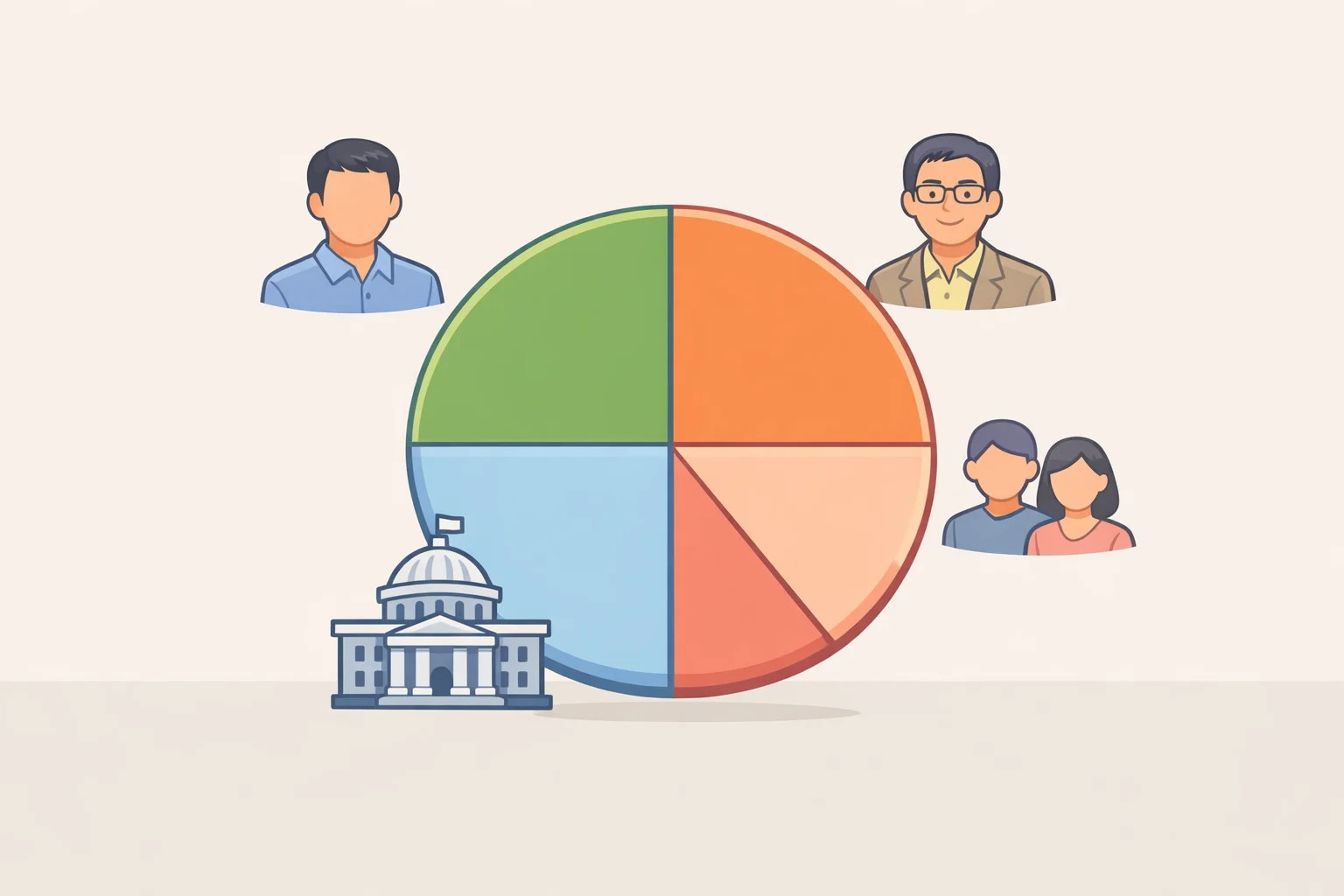
Longbridge, a shareholder-tracking platform, identifies Anker Innovations under ticker 300866.SZ and displays a breakdown of who holds stakes in the company (Longbridge). That listing hasn't been checked here against a primary exchange filing, so treat every figure below as a data snapshot rather than a certified disclosure.
| Holder (as displayed) | Stake shown | Listed role |
|---|---|---|
| Meng Yang | 39.91% | Founder and executive chairman |
| Dongping Zhao | 10.86% | Co-founder, president and executive director |
| Individuals and insiders (combined) | 60.42% | n/a |
| National Council for Social Security Fund | 2.04% | Fund whose name identifies it as state-linked |
The two names atop that disclosed ownership list also carry the two named executive titles on the same Longbridge page: Meng Yang as founder and executive chairman, Dongping Zhao as co-founder, president, and executive director (Longbridge). A separate account cited by Wikipedia describes an executive who joined Anker in early 2014, previously Google's head of sales in China, and became president in 2020, naming that person Zhao Dongping (Wikipedia). The two sources may simply be using different name orders, Zhao Dongping versus Dongping Zhao, but this article doesn't independently reconcile them.
On the state-ownership question, the only holder whose name identifies it as state-linked is China's National Council for Social Security Fund, at 2.04% (Longbridge). That's a minority stake by share count alone, and the data doesn't say whether the fund carries board seats or special voting rights, or rule out other unidentified holders with government ties. The displayed entries also include institutional holders such as Baillie Gifford, Principal Global Investors, Schroder Investment Management, JPMorgan Chase, and Norges Bank (Longbridge), though nothing in the research behind this article classifies the government ties, if any, of every name on that list.
The Longbridge snapshot displays no holder with a controlling percentage, and it doesn't display a separate Anker parent company sitting above Anker Innovations. That's not enough to establish the full ownership or voting structure. It doesn't rule out undisclosed beneficial ownership, coordinated voting agreements between Meng Yang and Dongping Zhao, dual-class shares, or shares held indirectly through other entities. Those specific questions, plus board composition beyond the names already listed, could potentially be answered by Anker's own Shenzhen Stock Exchange filings or annual report, documents not reviewed for this article.
The Longbridge page carries a header date of September 30, 2025, but several individual rows show update dates running into July 2026, after that stated snapshot date (Longbridge). Because the header and the row dates don't line up, the percentages above should be checked against Anker's own disclosures before being reported as current, confirmed figures.
The same caution applies to the founder-name question. Wikipedia's account says Steven Yang founded Anker in Shenzhen in 2011 (Wikipedia); the Longbridge shareholder page lists "Meng Yang" as founder and executive chairman, holding the largest single stake (Longbridge). Nothing reviewed here explains whether the two names refer to the same person. Who founded Anker, on the record as it currently stands, is unresolved rather than settled.
Why Anker's Chinese identity keeps drawing scrutiny
Last year, John Moolenaar, chair of the House Select Committee on China, asked the U.S. Department of Commerce to investigate Anker over potential security risks and tariff evasion, according to a summary of that congressional correspondence cited by Wikipedia (Wikipedia). That's a request for scrutiny from a single lawmaker, not a finding against the company, and no investigation outcome appears in the sources reviewed here.
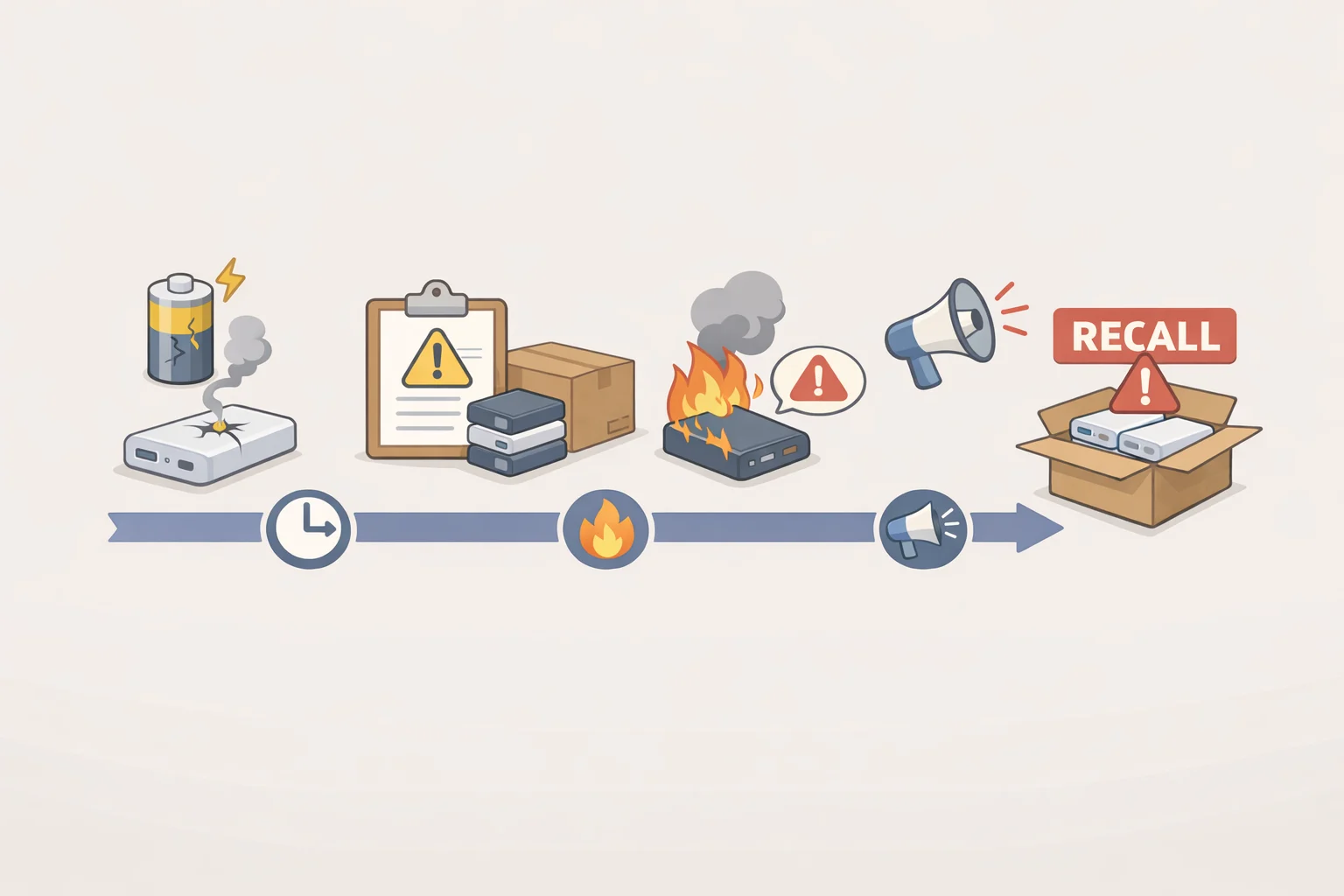
Anker has also faced consumer-facing controversies that say nothing about who owns its shares. The company has recalled multiple power-bank models for fire risk since 2023, including a June 2025 voluntary recall of five PowerCore models tied to a manufacturing defect in lithium-ion cells from a single battery vendor; a regulatory update cited by Wikipedia that September reported 33 fire or explosion incidents and roughly 481,000 affected units, though the underlying CPSC notice itself wasn't reviewed directly for this article (Wikipedia). Separately, Eufy, Anker's smart-home brand, marketed its cameras as strictly local-storage and encrypted, but The Verge reported in late 2022 that footage could be streamed using the free VLC media player from across the United States with no encryption involved; Anker initially denied this was possible, and Eufy later changed its privacy-commitment page and blocked the specific access method The Verge used, though an address already obtained kept working (The Verge). The congressional request, the recalls, and the Eufy reporting may explain why Anker's Chinese corporate identity keeps resurfacing in coverage, but they're regulatory and product-safety matters, not ownership evidence.
The bottom line on Anker's ownership
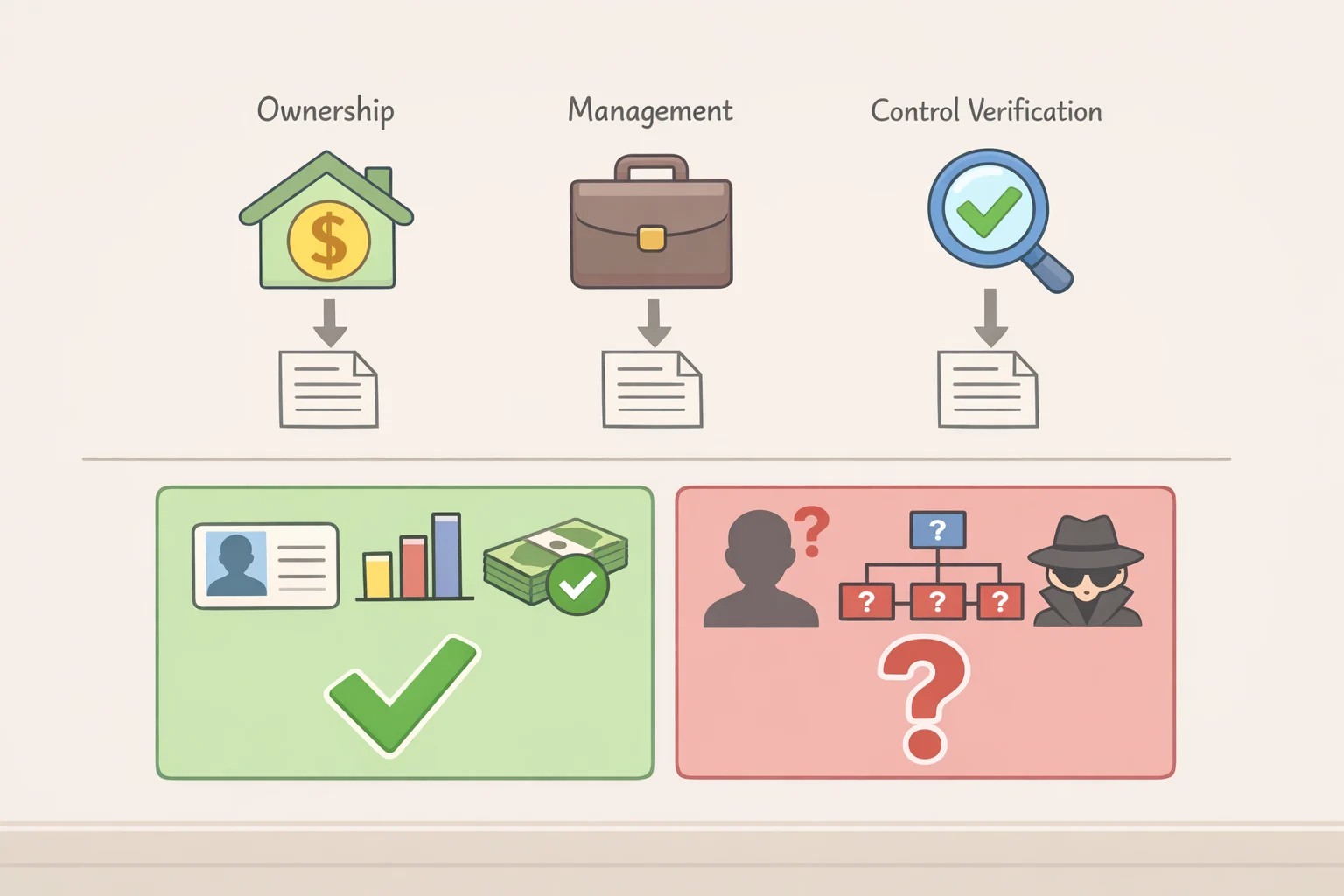
Three separate questions produce three separate answers. The disclosed shareholding is heavily concentrated: Longbridge categorizes 60.42% of shares as held by individuals and insiders, with Meng Yang and Dongping Zhao as the two largest named holders (Longbridge). Management overlaps with that same ownership list, since the two people with the biggest disclosed stakes also hold the top executive titles shown on the same page. Voting control and the full corporate structure behind those numbers remain unverified by anything reviewed here.
Anker's own Shenzhen Stock Exchange filings and annual report are the logical next place to check for the founder-naming discrepancy, the Zhao name-order question, and whether Yang and Zhao vote as a coordinated bloc; that would settle a full picture of Anker Innovations ownership that a shareholder-tracking snapshot alone cannot. Any formal Commerce Department response to last year's congressional request would be worth watching too. Until those documents surface, the ownership picture shown here is provisional and incomplete.