What Are Flashlight Gloves? Uses, Fit, and Buying Tips
A flashlight lights up a room. A headlamp follows wherever your head turns. Flashlight gloves do something narrower: they light up exactly where your fingers are pointing, which matters the moment both hands are busy in a dark, cramped space. Here's what flashlight gloves actually are, and what they're built to do.
Flashlight gloves are wearable gloves with small LEDs built into the fingertips, most often the thumb and index finger, powered by a built-in rechargeable battery. Put them on, point a hand, and the light follows the motion. No torch to hold, no separate beam to aim while the hands do something else.
Flashlight gloves typically stick to that two-light setup, though configurations vary. Some brands spread additional LEDs across the knuckles for wider coverage instead of two concentrated points of light, and these gloves typically run on a built-in rechargeable battery rather than disposable cells (SlashGear, yesterday). What follows is how the mechanics work, who the gloves are actually built for, and what to check before spending money on a pair.
What are flashlight gloves and how do they work?
Video of the Day
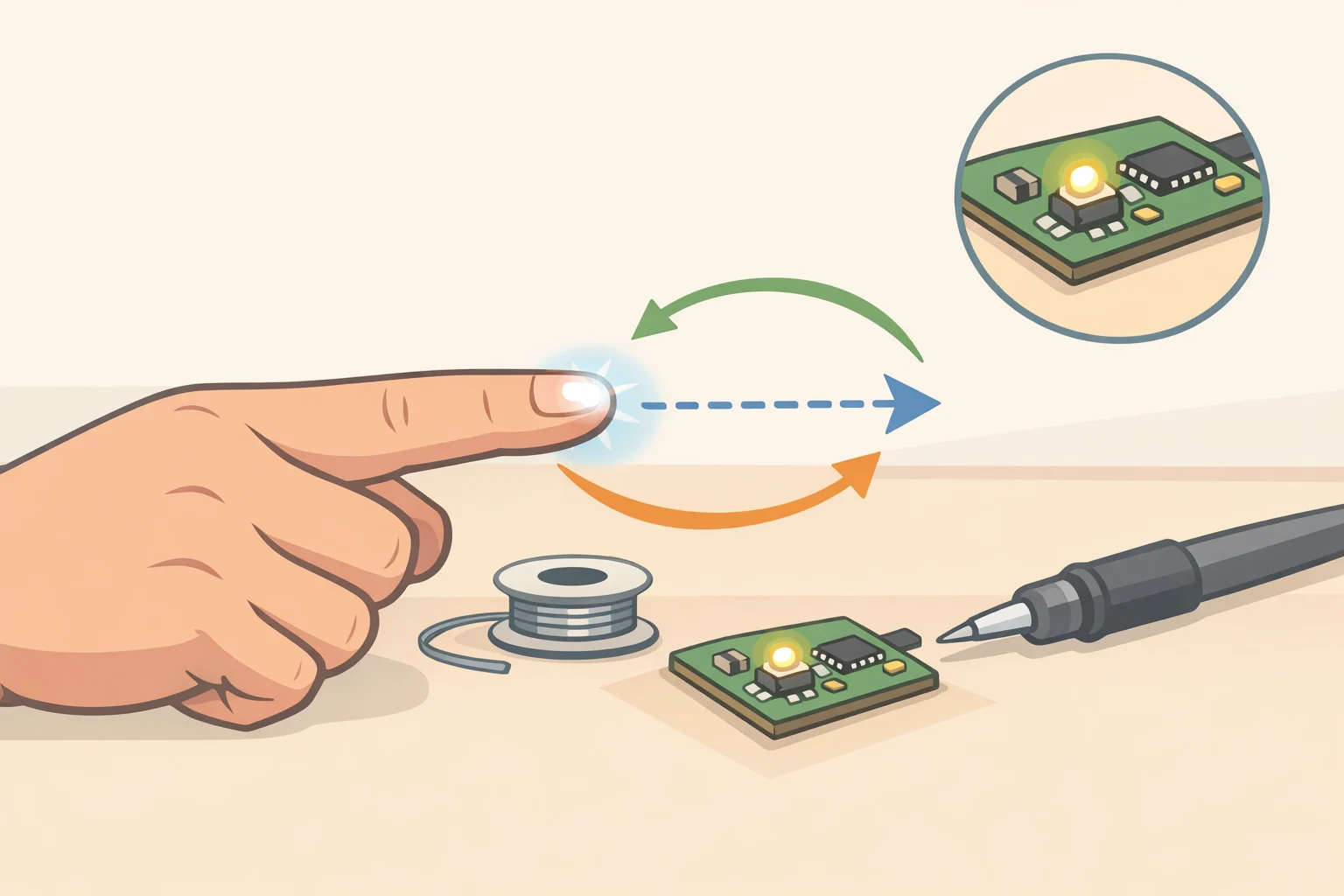
LEDs sit at the fingertip, usually the thumb and index finger, wired to a built-in rechargeable battery and switched on with a button. The light tracks wherever a hand points. That's the functional difference from the other two hands-free lighting options: a headlamp's beam follows head movement, a handheld flashlight's beam follows whatever hand is holding it, and flashlight gloves put the light source on the hand doing the pointing, freeing the other hand for the task itself.
That's also the design tradeoff. A light mounted on a fingertip is built for aiming at close range, not for flooding a wide area the way a headlamp or handheld flashlight can. Think of flashlight gloves as a spotlight for the hands, aimed at whatever the fingers are doing, rather than a substitute for broader-beam lighting.
Portwest's Rechargeable LED Light Gloves show how that plays out in a specific product. The LEDs sit over the thumb and index finger, and the two can be pointed in different directions independently rather than moving together as a single beam (GS Workwear, last year). As an illustration of how that split might work, one hand could hold something steady while the other angles its light toward the exact spot being worked on, though the actual division of labor will vary by task.
Charging runs through a standard USB to USB-C cable, and Portwest's gloves ship with two 3.7V, 150mAh lithium batteries (GS Workwear). That's a modest capacity on paper. How long it actually lasts on the hand during real use is something to verify through product-specific reviews rather than assume from the spec sheet alone.
Video of the Day
Who actually needs hands-free lighting gloves?
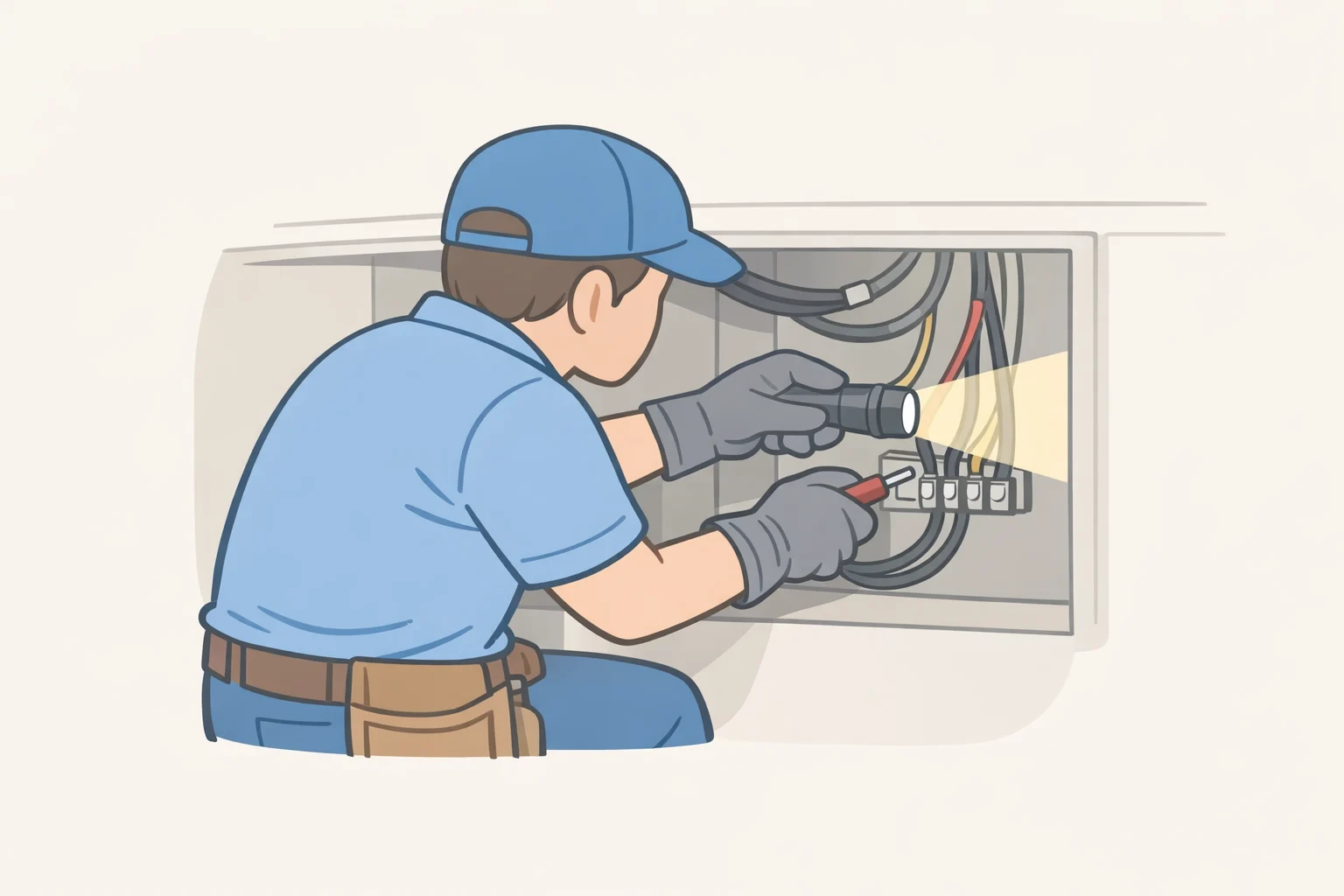
The clearest audience is anyone doing close, two-handed work in a dark or cramped space where holding a flashlight isn't practical. Portwest markets its gloves directly at plumbers, electricians, and mechanics working in confined spaces, which says a lot about the intended use case (GS Workwear). Those are trades where the job often happens inside a wall cavity, under a sink, or behind a panel.
SlashGear points to automotive repair as another strong fit, since engine bays and undercarriages combine tight quarters with poorly lit working areas (SlashGear). The same outlet also cites low-light fishing as a practical use, since baiting a hook or handling tackle after dark is fiddly work that benefits from light aimed exactly where the fingers are (SlashGear).
The common thread isn't the profession, it's the physical setup: two hands occupied, the space dark and tight, no free hand or mounting point for a separate light. Anyone who occasionally needs both hands and a light source at once, not just tradespeople, fits the use case.
The category also includes plenty of brands beyond Portwest, with several highly rated options on the market, so shoppers aren't locked into one design if fit or durability becomes an issue (SlashGear).
Who should skip flashlight gloves?
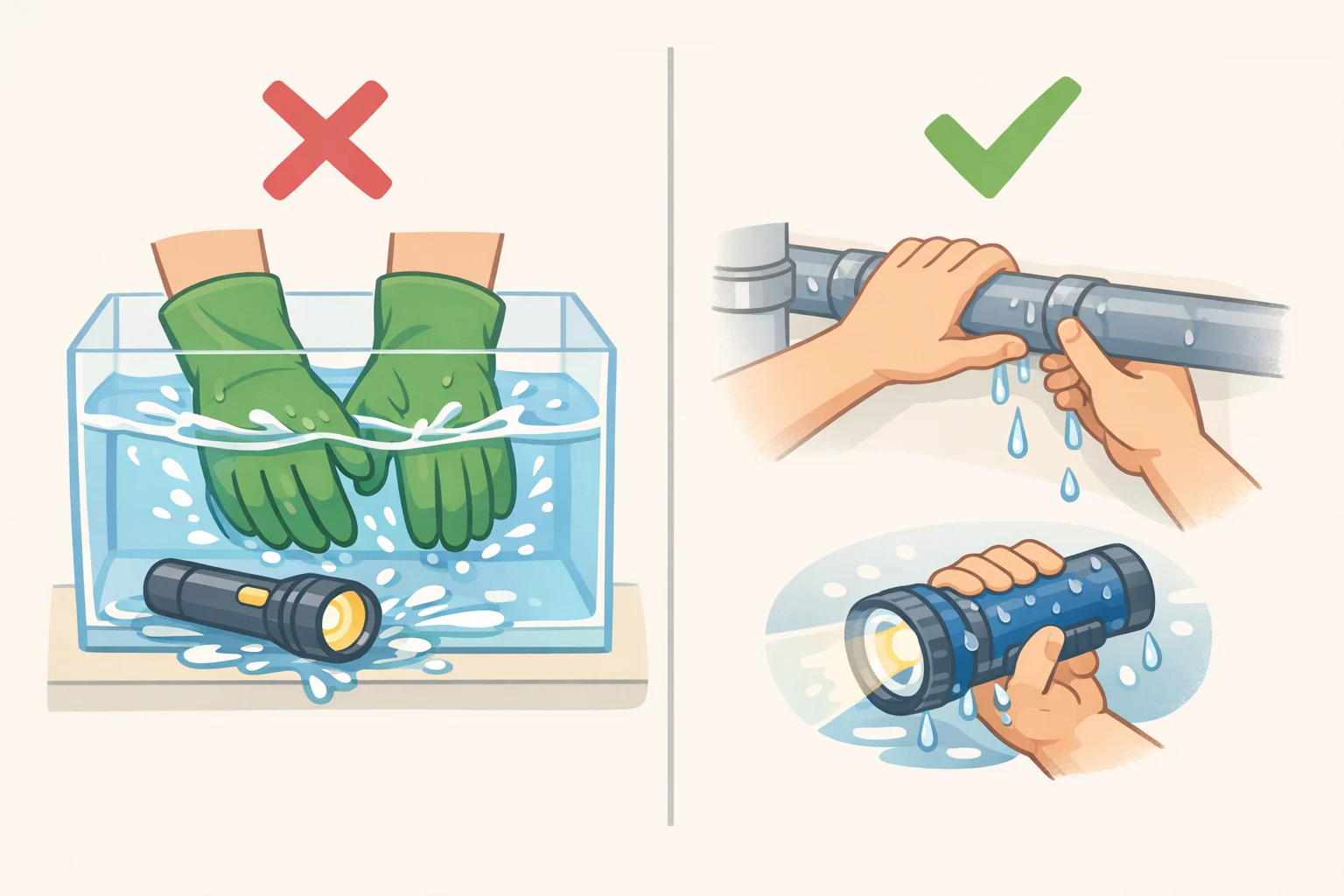
Flashlight gloves aren't the right tool for every dark-space problem. Jobs that need a wide flood of light rather than a beam aimed by a fingertip are better served by a headlamp or a handheld flashlight with a broader lens. SlashGear is explicit that none of these gloves are designed for submersion, so anyone working somewhere genuinely wet, not just splashed, should look elsewhere (SlashGear).
Beyond that, the available research doesn't establish runtime, brightness, or impact resistance for this category. If a job depends on long battery life or rugged, drop-proof protection, compare those specifications on the individual product page rather than assume a fingertip light can substitute for a work-rated flashlight.
Are flashlight gloves right for you? What to check before you buy
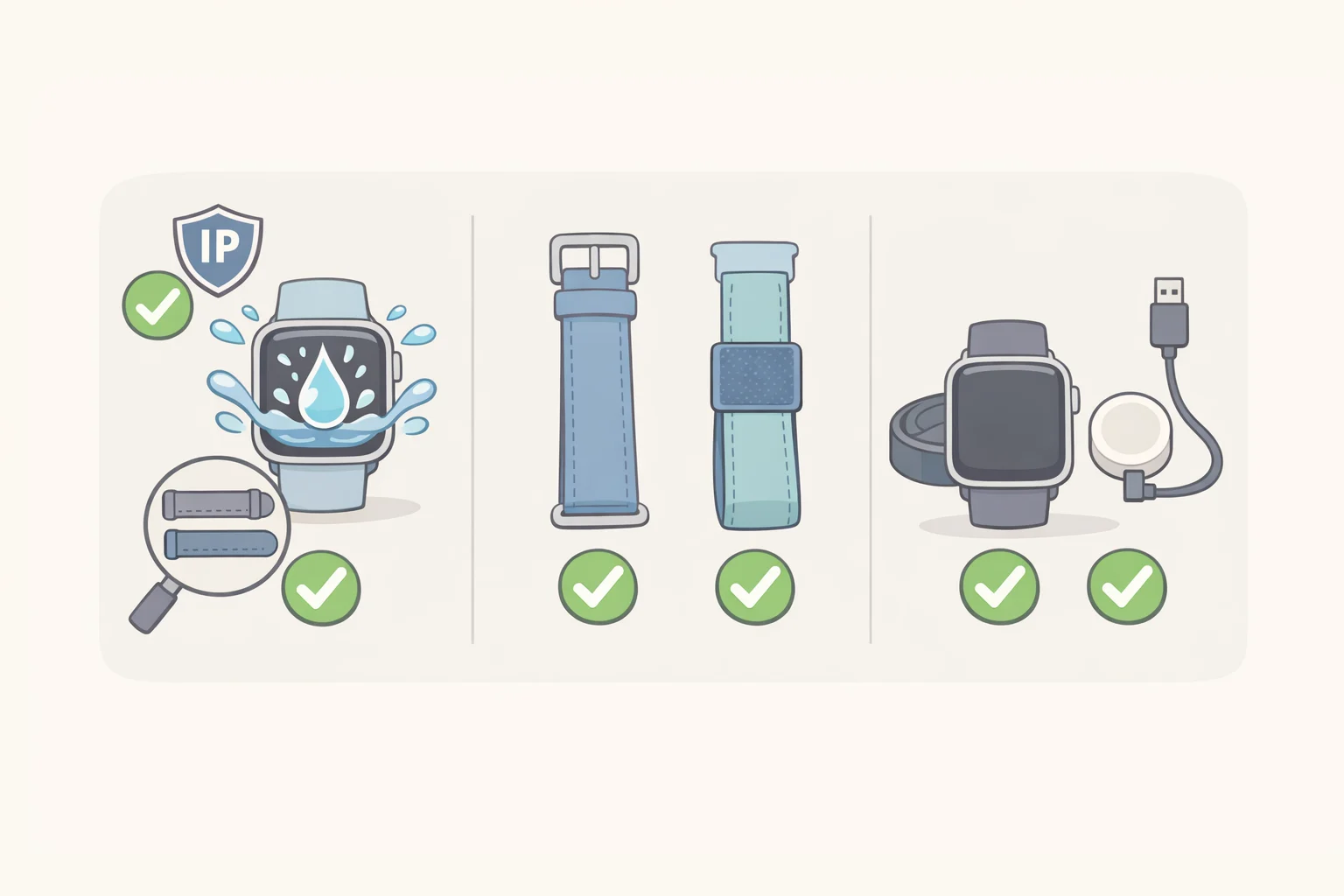
Weather resistance is the first thing worth checking, since it varies by product and manufacturers don't always spell out exactly what a rating covers. Portwest lists an IP44 rating, described as dust and water protection, for this model (GS Workwear). That shouldn't be read as permission to submerge the gloves: SlashGear says flashlight gloves generally aren't designed for submersion (SlashGear).
Sizing is the other recurring issue. SlashGear reports that customer reviews have described one-size-fits-all gloves as either too loose or too tight, with fabric that doesn't hold up well over repeated use (SlashGear). Portwest's gloves are also sold in one size, addressed with a wrist strap and a hook-and-loop closure meant to help secure the fit (GS Workwear). A strap and closure help, but they don't erase what those reviews describe: one-size designs that don't fit every hand equally well.
Before buying a pair, run through a short checklist: the fit and closure system, whether an IP rating is listed and what it actually covers, the charging method and batteries included, and any patterns in reviews about durability over repeated use.
The bottom line on flashlight gloves
Flashlight gloves put light exactly where a hand points, which is the one thing a headlamp or handheld flashlight can't quite do while both hands are occupied. That's the whole pitch, and it's a narrow one: precise light on nearby work, not broad illumination at range.
Choose them when the job is close and two-handed: wiring behind a panel, a fitting under a sink, tackle in a box after dark. Choose a headlamp or a conventional flashlight instead when the job needs distance, a wide beam, or weather resistance beyond a rating like Portwest's IP44 (GS Workwear).
Anyone comparing models is better served reading a few product-specific reviews on fit and battery life than assuming one glove performs like another, given how much fit and durability vary between "one-size-fits-all" products in this category (SlashGear).