Which drones are banned in the US? FCC rules explained
"Which drones are banned in the US?" has no single-list answer. The FCC's Covered List rules block new drones built in a foreign country from entering the US market, but they don't reach the drones already sitting in people's garages, according to the FCC's FAQ published three weeks ago. Ownership, resale, and new-model authorization are three separate questions, and the agency treats them that way.
The policy traces back to that FAQ, where the agency said it added "uncrewed aircraft systems (UAS) and UAS critical components produced in a foreign country" to its Covered List, alongside the communications and video surveillance equipment named in Section 1709(a)(1) of the FY25 National Defense Authorization Act (FCC). The addition followed an Executive Branch national security determination, the agency said.
Equipment newly added to the list cannot receive FCC equipment authorization, including through the simplifyd Supplier's Declaration of Conformity process (FCC). That restriction applies to new covered equipment; it does not revoke authorization already granted to existing device models.
This piece breaks down what those market-access rules actually restrict, walks through how to check whether a specific model is affected, and flags where the FCC's own public record still leaves gaps. FAA flight rules and state or local drone ordinances are a separate legal matter, and they aren't covered here.
Which drones are banned in the US under the FCC rules?
Video of the Day
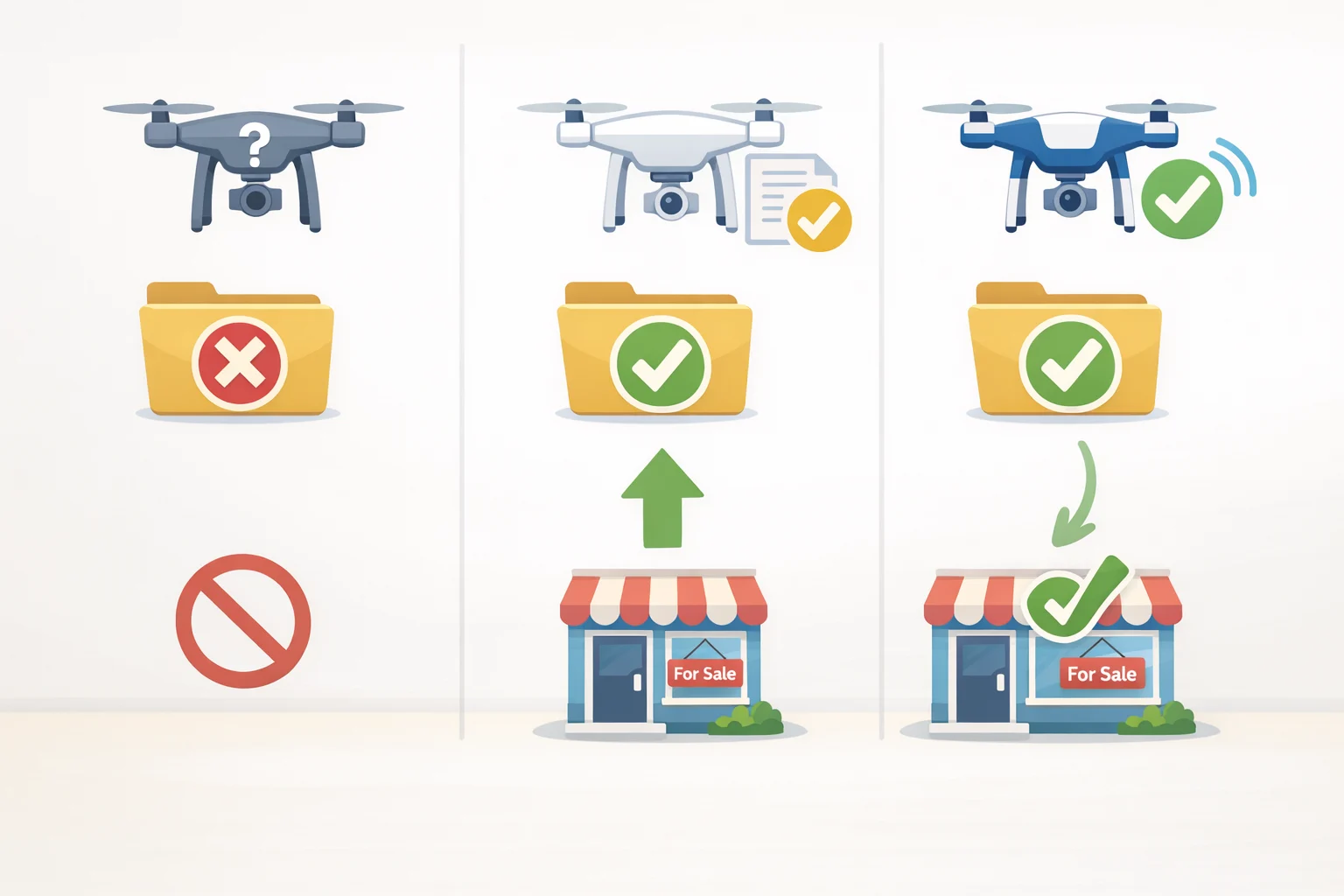
The FCC's framework sorts into three categories, depending on a model's authorization history:
- Previously authorized models: continued import, sale, and use are "not prohibited" by the Covered List addition, according to the FCC.
- Newly covered models without authorization: these generally cannot be legally imported or sold in the US, the FCC says.
- Exempt or conditionally approved systems: models on the Blue UAS Cleared List, qualifying "domestic end products," Toy Drones, or systems granted a conditional approval fall outside the restriction, though confirming that status requires checking the applicable FCC record directly.
Video of the Day
How the FCC drone equipment authorization ban works
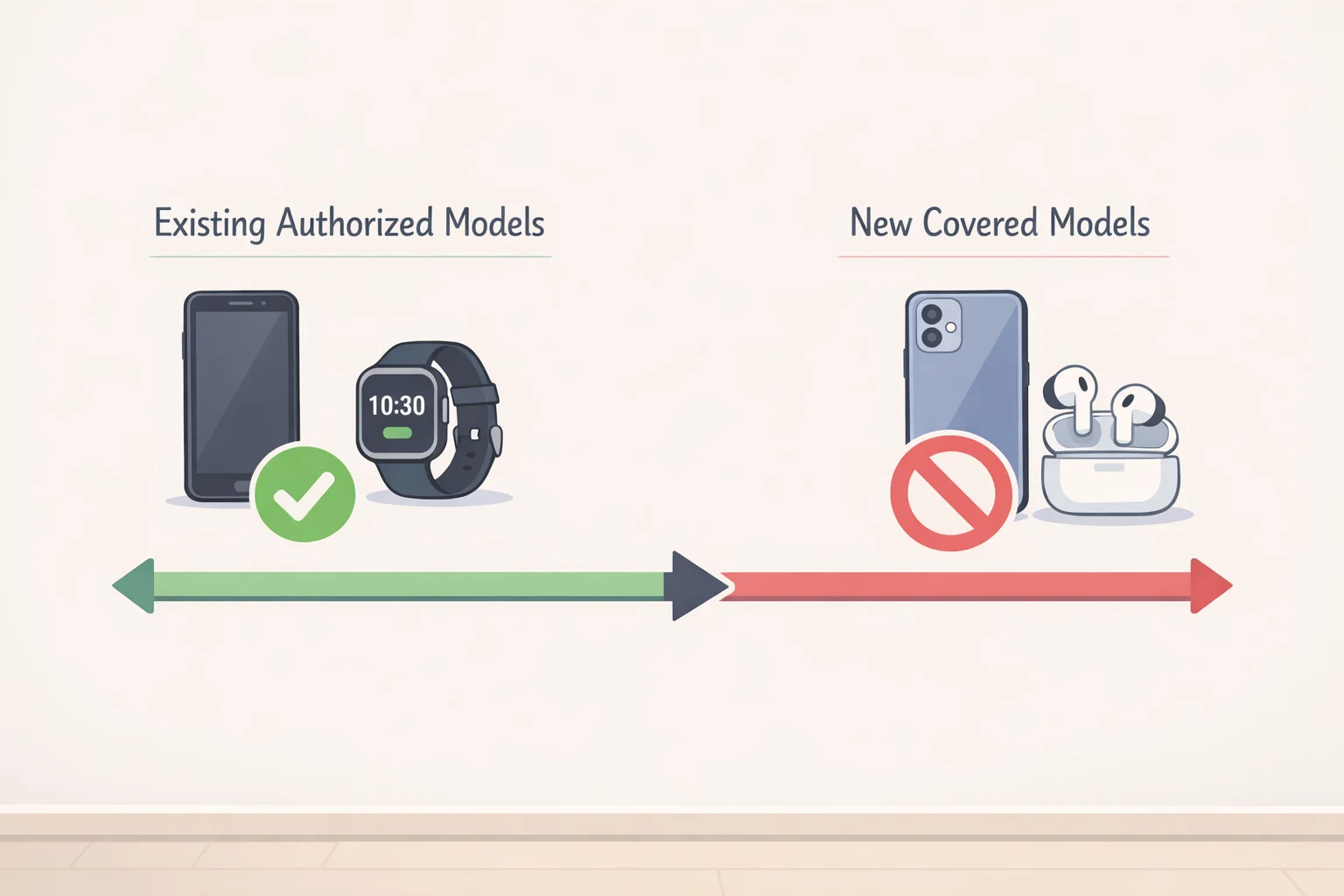
Consumers who already own a device the FCC authorized before it landed on the Covered List can keep using it under these rules. The agency states plainly that additions to the list "do not prohibit the import, sale, or use" of device models it had already authorized, and that there is "no direct restriction" on operating them (FCC).
Buying one of those same models from a US retailer falls under that same protection. The FCC groups import, sale, and use together when describing what's unaffected, so the relevant test is whether a model already carries an authorization, not when a particular unit changes hands.
New foreign-produced models that haven't cleared authorization sit on the other side of that line. Covered UAS or components without FCC authorization generally cannot be legally imported or sold in the US, full stop (FCC).
Component makers face a new certification step, too. RF-device applicants must now certify, as part of standard equipment-authorization filings, that their product isn't a UAS or critical component "produced in a foreign country" (FCC).
One caveat is worth flagging directly. In a blog post published five months ago, the FCC said it separately adopted rules allowing it to prohibit import and sale of already-authorized devices, and began blocking authorization for products built with covered modular components. That's a broader enforcement tool than the specific UAS listing described in the FAQ, and nothing in the available record shows it has been applied to drones. Still, it means the FCC has given itself room to revisit the "already authorized, so you're fine" answer down the line.
What counts as "produced in a foreign country," and how a drone becomes exempt
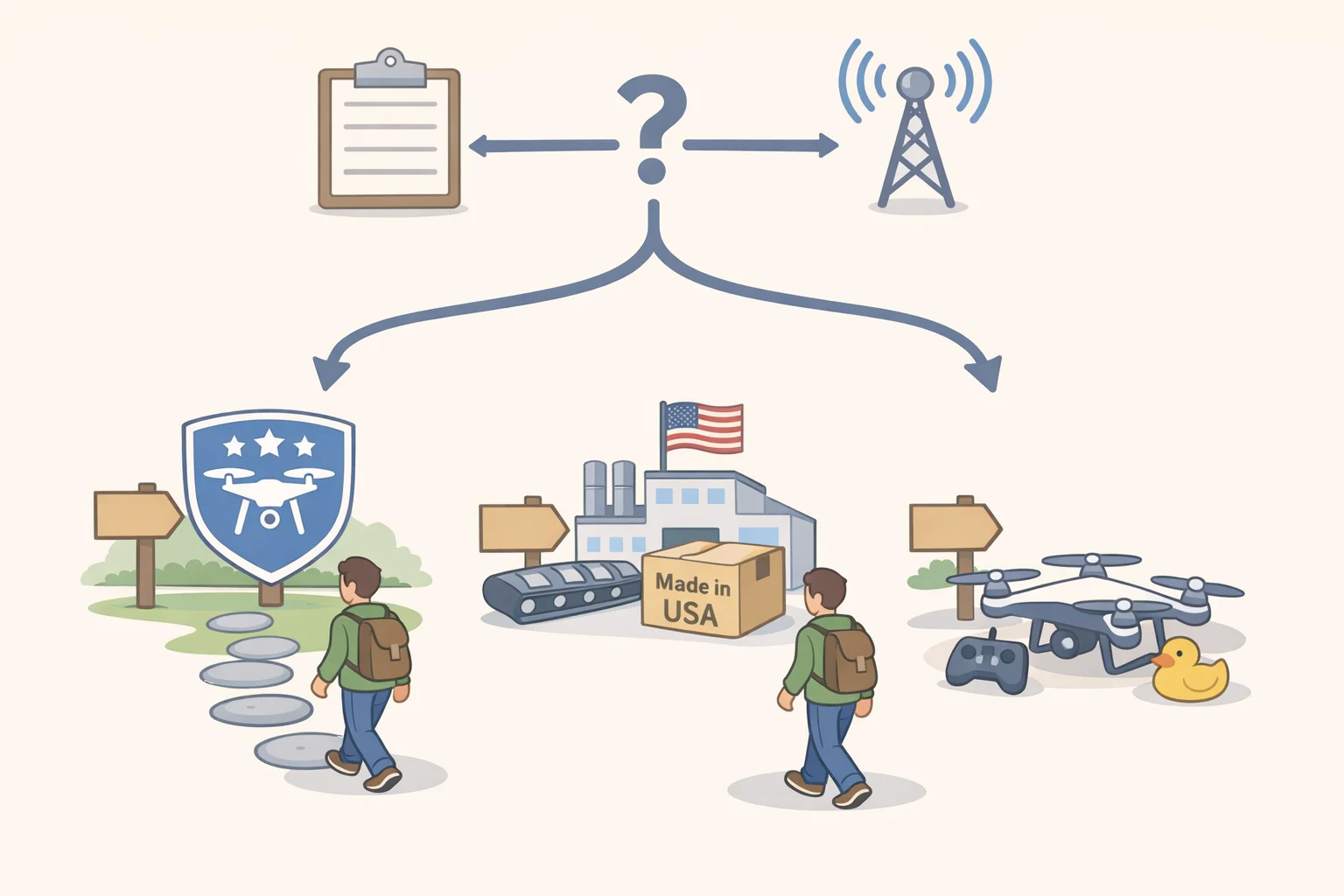
The Covered List provision is deliberately broad. It reaches UAS and UAS critical components produced in a foreign country, plus the communications and surveillance equipment and services named in Section 1709(a)(1) of the NDAA, which makes this a category-based test rather than a single-brand or single-country designation (FCC).
Three carve-outs exist. UAS and components on the Defense Contract Management Agency's Blue UAS Cleared List are excluded, as are products qualifying as "domestic end products" under the Buy American Standard (48 CFR 25.101(a)), along with "Toy Drones" as defined in a Department of War determination (FCC).
The Blue UAS exclusion has a confirmed expiration: it terminates January 1, 2027 (FCC). The FAQ also references a separate January 2028 date elsewhere in the document, but the underlying record doesn't clearly tie that date to a specific carve-out, so it isn't treated here as a confirmed fact.
There's also a case-by-case route. The FCC's FAQ notes it issued its first UAS Conditional Approvals on March 17, 2026 (FCC); a public notice detailing that mechanism, DA-26-253 (PS Docket Nos. 18-89, 21-232, 21-233), followed the next day, establishing a process for specific systems or components to be exempted from the Covered List. That notice, issued five months ago, confirms conditional approvals exist, but it doesn't identify which commercial models they cover or spell out the full conditions attached to them.
None of this makes the policy absolute. It just points to what actually does the legal work here: the "produced in a foreign country" test, not a brand name or a manufacturer's reputation.
How to check whether your drone is affected
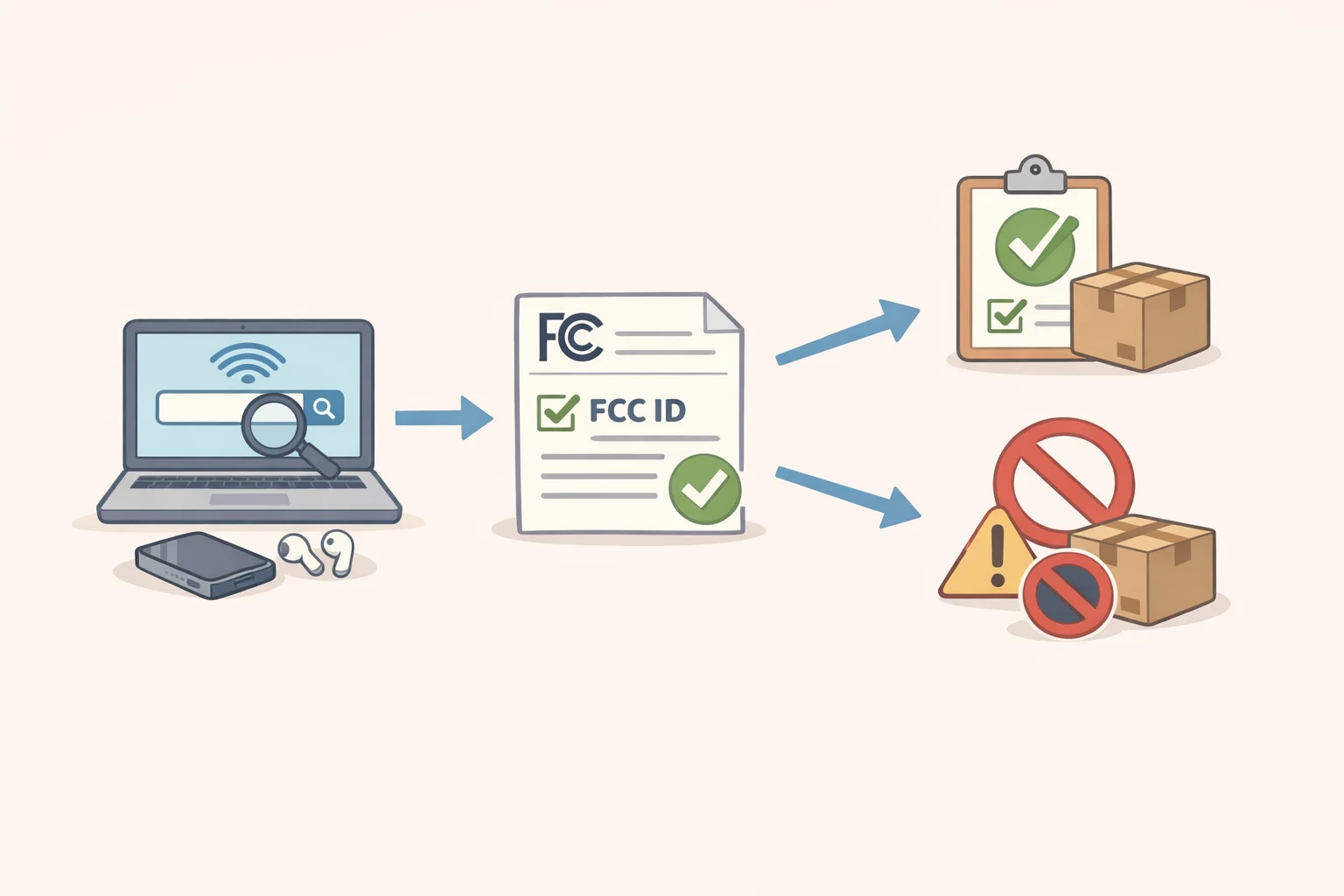
The core question is straightforward: has the specific model received FCC equipment authorization. Existing device models the FCC previously authorized aren't affected by additions to the Covered List, while newly covered devices without authorization generally can't be imported or sold (FCC).
There's a wrinkle beyond any single model's authorization status, though. Entities formally named on the Covered List are generally barred from using the SDoC process even for their non-covered products, under 47 CFR §§ 2.906(d) and 2.907(c) (FCC). A clean authorization history for one model doesn't settle the question if the manufacturer itself sits on the list.
An authorized-for-sale model answers only that question, too. FCC clearance governs import and sale, not whether it's legal to fly the drone under FAA rules, airspace restrictions, or local ordinances.
Are DJI drones banned in the US?
DJI's situation shows how unsettled parts of this policy remain. The FCC filed a motion to dismiss in SZ DJI Tech. v. FCC, No. 26-1029 (9th Cir.), three months ago, confirming the case is active.
The filing confirms litigation exists but doesn't detail which products or claims DJI is contesting. Until the case resolves, DJI's status is a pending legal question, not evidence that any particular DJI model is currently blocked from sale.
Enforcement and other edge cases
Owners of already-authorized "covered" devices still get software support. A rules waiver lets these devices continue receiving basic software and firmware updates to maintain usability, the FCC says.
A narrow trade-show exception also applies. Companies can import covered UAS in limited quantities strictly for demonstration, as long as the units aren't offered for sale (FCC).
The agency has paired the rule with supply-chain enforcement. Through what it calls Operation Clean Carts, it coordinated with e-commerce platforms to remove more than 3 million illegal covered-equipment listings, a figure covering covered equipment broadly rather than drones alone (FCC).
The FCC's Enforcement Bureau also opened an investigation into all nine entities named on the Covered List, which the agency describes as its largest-ever national-security investigation, according to the FCC.
Three things could still reshape this picture: whether the FCC exercises its newly claimed authority to restrict already-authorized devices, whether the DJI litigation changes how the designation applies, and what conditions turn out to govern the systems that received the first conditional approvals. None of that is settled in the public record reviewed here.
Anyone shopping for a specific model should verify its FCC authorization status directly, rather than relying on brand reputation or a retail listing, and check FAA and local flight rules separately. FCC clearance answers a market-access question, not a flight-permission one.