Polaroid Pikachu Camera Explained: Specs, Price, Release
Polaroid and The Pokémon Company announced a nine-piece collaboration on August 18, timed to Pokémon's 30th anniversary: three cameras, three film products, and three accessories, released as the Polaroid x Pokémon Special Edition range (Polaroid Newsroom). The Polaroid Pikachu camera and a matching Sylveon edition are priced at $99.99, and a Poké Ball-themed camera tops the range at $139.99, according to Polaroid.
The two Go editions are functionally identical to the standard Go, while all three cameras are existing Go Gen 3 and Now Gen 3 models with new Pokémon designs, according to The Verge and PetaPixel. The Poké Ball camera is the exception worth tracking, since it also swaps in a larger film format.
Polaroid Go Generation 3 Pikachu Edition: same camera, new finish
Video of the Day
The Pikachu camera, officially the Polaroid Go Camera Generation 3 – Pokémon Pikachu Edition, is finished in bright yellow with Pikachu line art, a Poké Ball-shaped shutter button, and a wrist strap shaped like Pikachu's lightning-bolt tail (Pokémon.com; PetaPixel). The Sylveon edition takes the pink, white, and blue Go Gen 3 and adds character line art and a matching strap; it skips the specially shaped tail but still gets a color-coordinated strap rather than a generic one.
PetaPixel reports that both Go editions are functionally identical to the standard camera, sharing its 64mm polycarbonate lens with dual f/14.4 and f/32 apertures, its 1.9 by 1.8-inch image area on a 2.1 by 2.6-inch print, and its Xenon flash (PetaPixel). Polaroid launched that standard Go Gen 3 on June 2 at $89.99, calling it the smallest instant camera the company has built, with a selfie mirror, self-timer, and double-exposure mode aimed at travel and spontaneous shooting (Polaroid Newsroom).
The Poké Ball camera sits in a different tier. PetaPixel identifies it as a special-edition Polaroid Now Generation 3, the larger camera line that shoots i-Type and 600 film instead of Go film. Where the Go format tops out at a 1.9 by 1.8-inch image, the Now format produces a roughly 3.1 by 3.1-inch image, more than double the print area (PetaPixel). Polaroid launched the standard Now Gen 3 in March 2025 at $119.99, built around an upgraded two-lens autofocus system, a built-in tripod mount, and filter compatibility (Polaroid Newsroom). The supplied coverage does not directly compare the Pokémon Now edition's lens or flash with the standard model, so whether Polaroid changed anything beyond the shell on that camera remains unconfirmed.
Video of the Day
Pikachu Polaroid camera price: what the premium covers
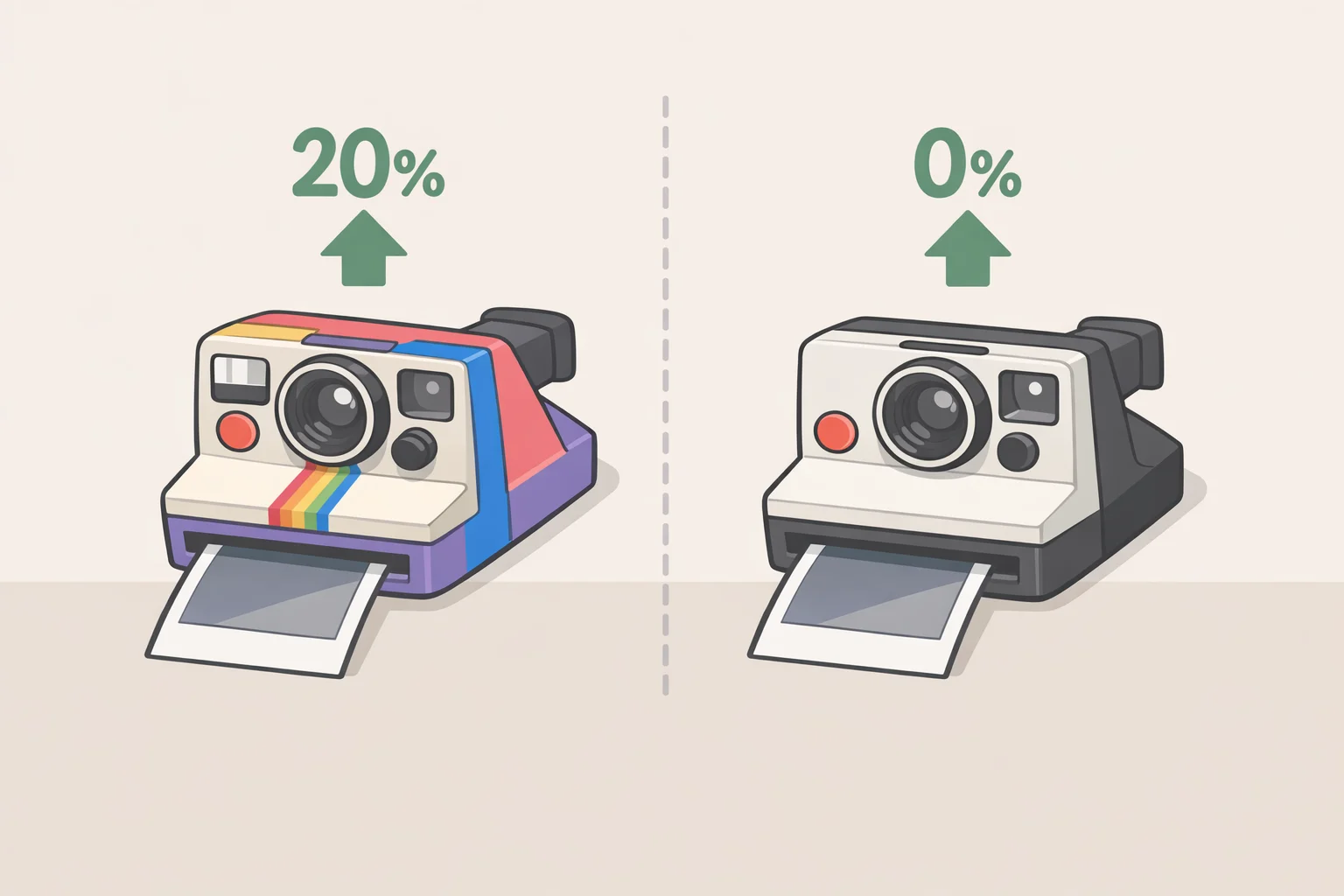
The Pikachu and Sylveon Go Gen 3 cameras cost $99.99 against the standard Go Gen 3's $89.99, about an 11% markup. The Poké Ball Now Gen 3 costs $139.99 against the standard Now Gen 3's $119.99, a steeper premium of roughly 17% (Polaroid Newsroom; Polaroid Newsroom; Polaroid Newsroom). Neither the announcement nor the launch coverage explains why the Poké Ball camera carries the wider gap; the larger format and different film stock are the only functional differences documented in the supplied launch coverage.
Preorders for the full collection open August 25 through Polaroid.com, with release scheduled for October 5, a timeline confirmed by Polaroid's announcement and PetaPixel's coverage.
The film and accessories extend the Pokémon design
The film side breaks into two Go double packs, one for each camera character, plus a single Color i-Type pack sized for the Poké Ball camera. Go Color Film comes in Pikachu and Sylveon editions at $24.99 per double pack, with frames showing Pikachu in playful poses or subtle Sylveon and Poké Ball silhouettes, according to Pokémon.com. The Color i-Type Film pack costs $22.99, two dollars less than the Go double packs, and carries silhouettes of Bulbasaur, Charmander, Squirtle, Gengar, Umbreon, Mimikyu, and other Pokémon. Individual borders come in different colors: PetaPixel points to a light blue Snorlax frame, a dark purple Gengar frame, a beige Togepi frame, and an orange Charmander frame (PetaPixel).
Mathieu Galante, senior director of licensing at The Pokémon Company International, said the collaboration would help fans "turn their favourite memories into tangible keepsakes," framing it as a natural extension of what Pokémon has represented for three decades: discovery, connection, and exploration (Polaroid Newsroom). The Verge noted the collection goes further than Fujifilm's own Pokémon collaboration from five years ago, pointing to Polaroid's film frames printed with characters including Pikachu and Snorlax (The Verge).
That i-Type pack's lower price also comes with fewer exposures, according to The Verge, so the smaller sticker price doesn't necessarily mean a lower cost per print. Rounding out the lineup: a Go camera case and a Go photo album, both $24.99, plus a camera strap at $14.99 that Polaroid specifies works with both camera lines (Polaroid Newsroom).
Even the dark slides, the plastic cards normally discarded when a fresh film pack loads, carry their own Pokémon silhouettes, an attempt by Polaroid to make them collectible rather than instant trash, The Verge reported. The result is that the branding surfaces every time someone reloads film, not only at the point of purchase.
Where the Polaroid x Pokémon instant camera ships first
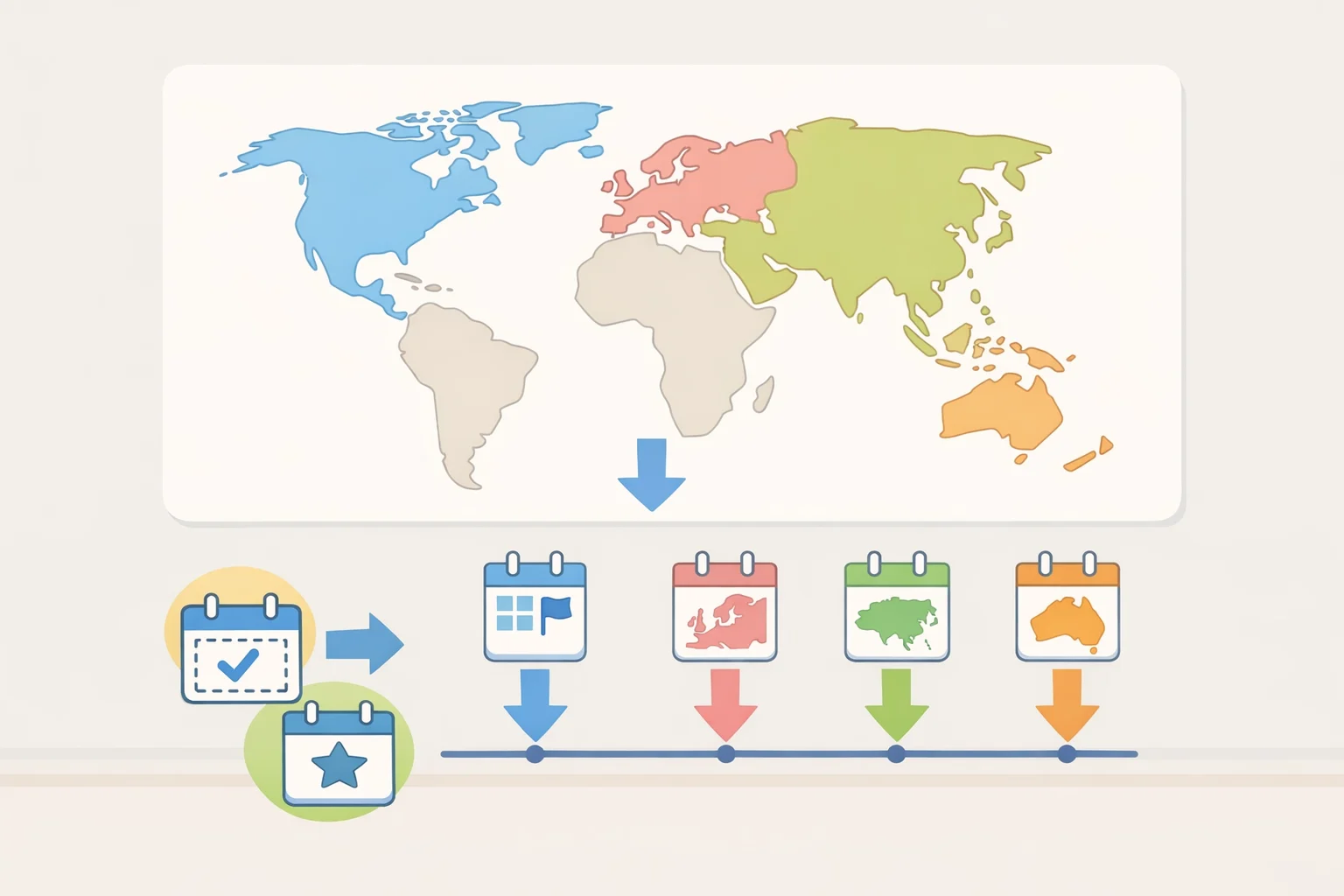
Availability is the one place the two main sources diverge. Polaroid's announcement frames the launch as global, available in limited quantities through Polaroid.com, with added access via Pokémon Center in the U.S., U.K., and Canada. The Verge reports that the August 25 preorders are limited to those same three markets through the Polaroid and Pokémon Center websites, with a global release "expected" to follow on October 5 (The Verge). Polaroid's release gives no production figure behind its limited-quantities language, leaving how scarce the run turns out to be an open question.
Both dates hold across every account: preorders open August 25, full release follows October 5. What's less settled is who gets first access. Buyers outside the U.S., U.K., and Canada should watch for updates on the global rollout Polaroid has promised, since The Verge's reporting doesn't extend preorder access beyond those three markets.