Bose Noise Cancelling Wired Earbuds: How ANC Works
Bose returned to wired earbuds today, ending an 11-year absence from the category with the $99 Bose Noise Cancelling Wired Earbuds, a USB-C model built with no internal battery at all (Bose, today). The earbuds plug directly into a phone, tablet, or computer and draw power for both audio processing and active noise cancellation straight from that device (Bose, today).
"No charging needed" sounds like Bose solved ANC's power problem. It didn't. Noise cancellation and signal processing still need electricity; Bose relocated where that electricity comes from, pulling it from a compatible USB-C host device in real time instead of storing it in an earbud cell (Stereo Guide, today).
These are Bose's first new wired headphones since 2015. Raza Haider, president of Bose Premium Consumer Audio, called wired earbuds' return a "cultural renaissance" and said the company wanted to bring its latest advancements to a category it hadn't touched in over a decade (Bose, today; HotHardware, today). That's Bose's characterization of the market, not an independently confirmed trend, and nothing in the reporting available establishes how broad or durable this shift actually is.
How Bose USB-C noise cancelling earbuds run ANC without an internal battery
Video of the Day
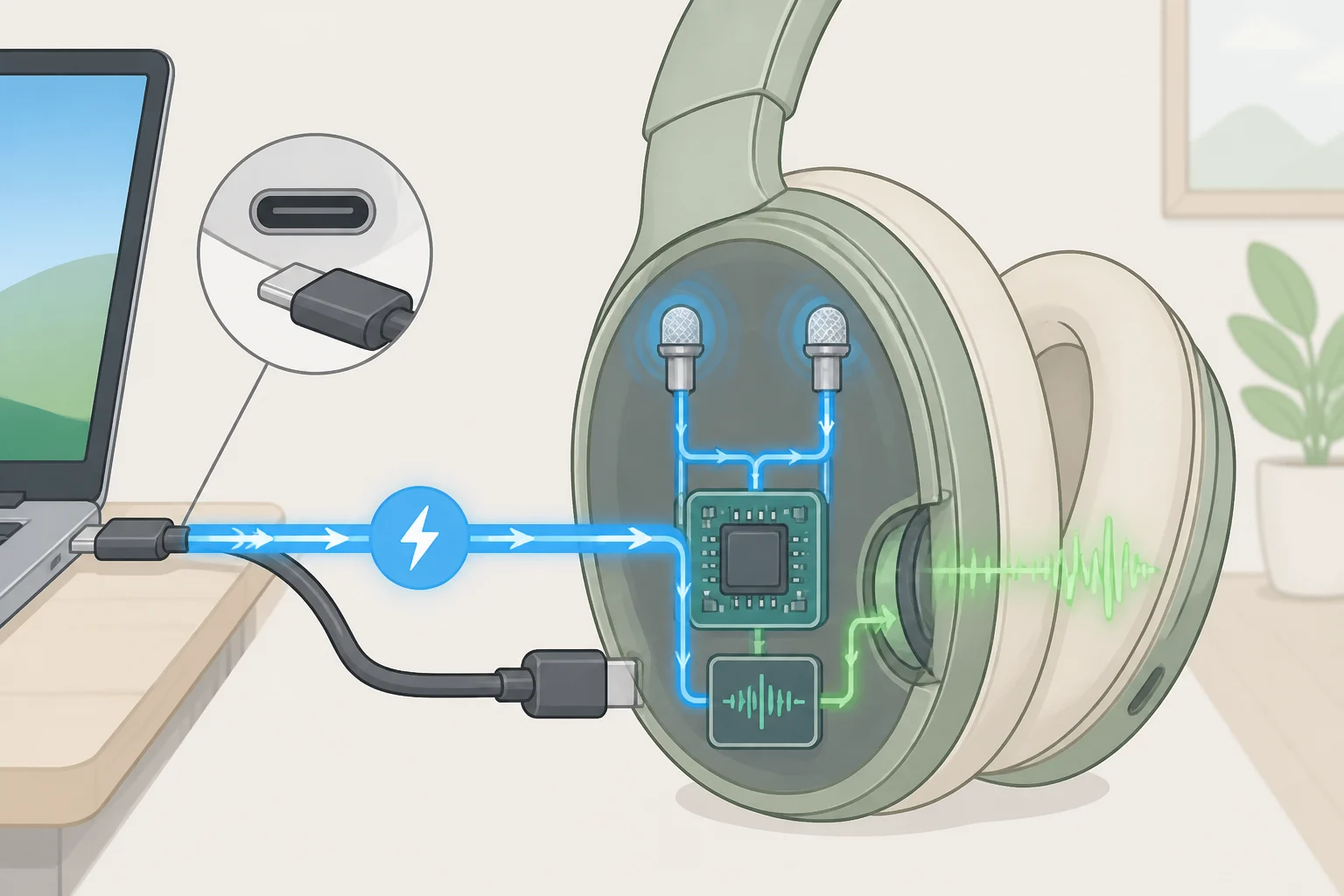
Four microphones, two per earbud, continuously monitor ambient sound to power Bose's proprietary QuietControl noise cancellation system (Bose, today; The Verge, today). Listeners cycle through three modes using an inline remote, without an app or Bluetooth pairing: Quiet Mode reduces outside distractions, Aware Mode lets ambient sound through, and ANC Off strips out active cancellation entirely for plain wired listening (Bose, today).
Bose says the earbuds carry no internal battery specifically because they draw their power from a compatible USB-C host device, a design choice that removes the charging step but doesn't remove the underlying power demand (Bose, today).
Video of the Day
Audio quality, latency, and what "lossless" actually means here
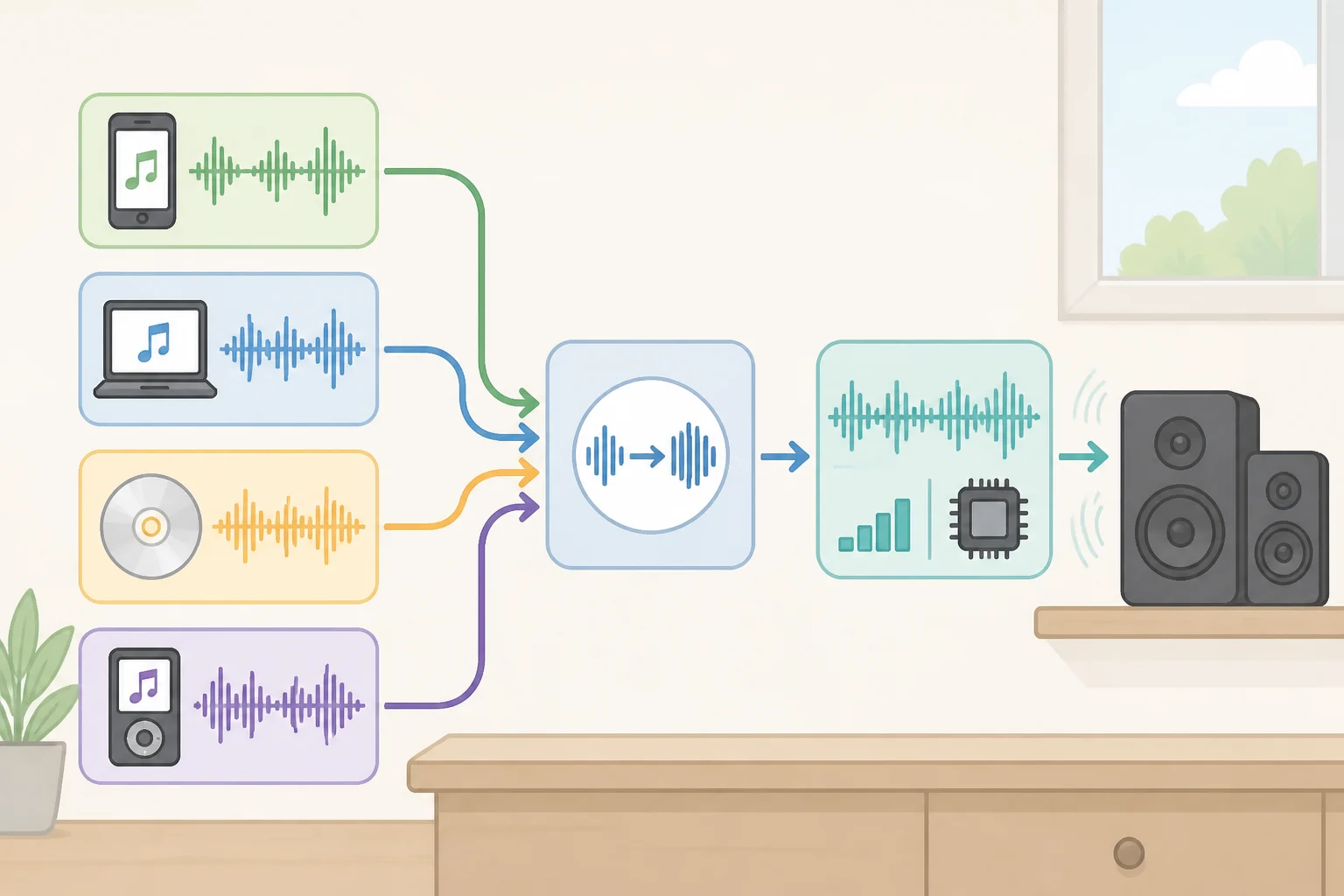
The earbuds run on Bose's SoundDesign digital signal processing paired with the USB Audio Class 2 protocol, which accepts source audio at varying sample and bit rates (Bose, today; Stereo Guide, today). Playback output, however, is fixed at 24-bit/48kHz, so higher-resolution source files get converted to that format before they reach the earbuds (Bose, today; TechSpot, today).
Bose still describes the connection as lossless, and that claim holds on its own terms. Lossless refers to how the audio data travels to the earbuds, not whether the format itself counts as hi-res, and those are separate questions Bose tends to blur together in its marketing.
The direct wired connection also delivers minimal latency, which Bose says matters for watching video, gaming, or recording content where audio and video need to stay locked together (Bose, today; Stereo Guide, today). The inline remote handles volume, playback, and call controls, and it includes an additional microphone on the remote itself for phone calls (The Verge, today).
WIRED said the earbuds outperform cheaper wired competitors like Apple's EarPods on sound quality and noise cancellation, though that's an early hands-on reaction rather than a completed review (WIRED, today). Bose's own claim of "clear call quality" hasn't been independently tested either (Bose, today).
Compatibility and the questions Bose hasn't answered
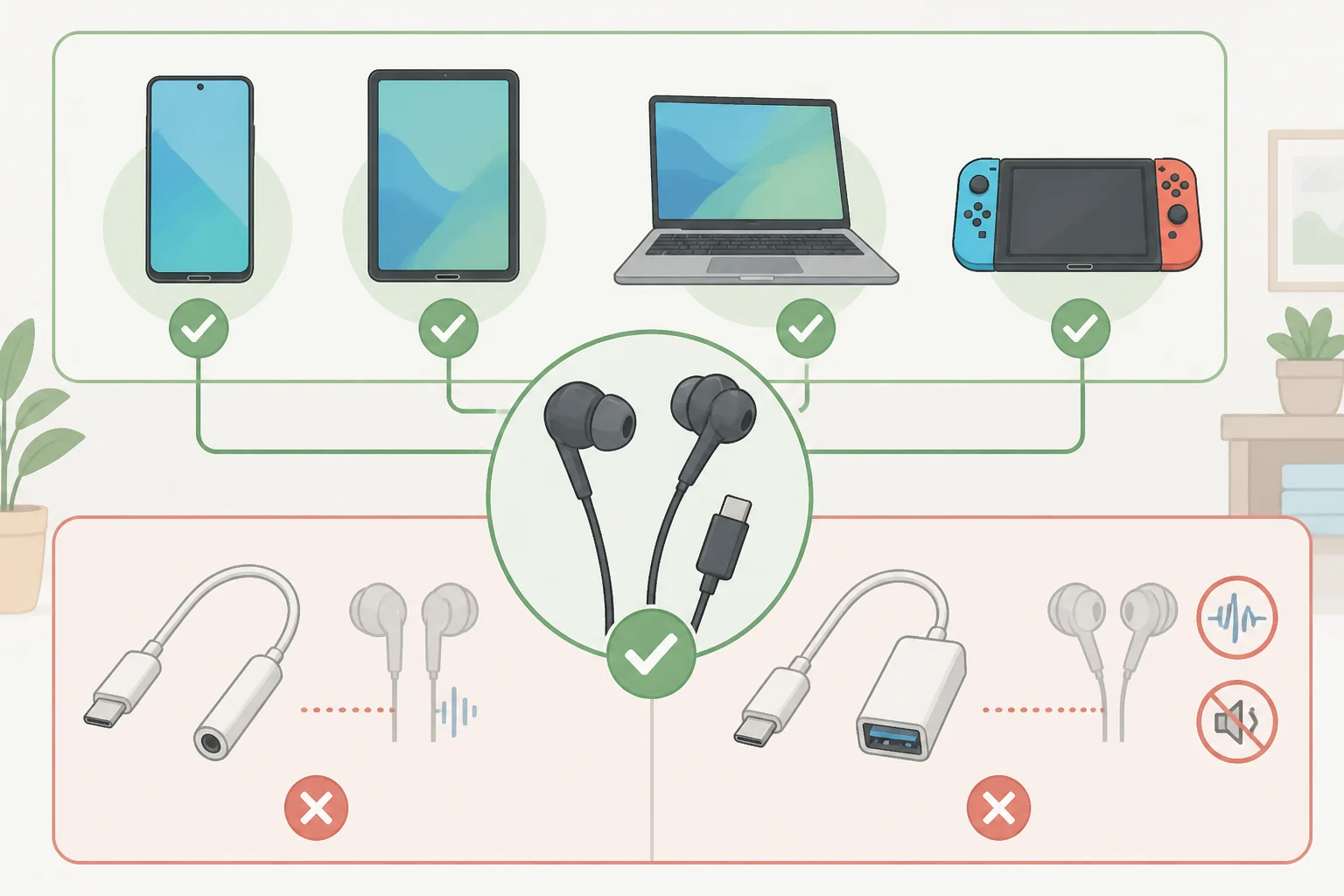
The earbuds need a compatible USB-C phone, tablet, or computer to work. Bose lists current Android devices, newer USB-C-equipped iPhones, and laptops as supported hardware (Bose, today; Stereo Guide, today).
Non-USB adapters won't work, according to Bose, because of the power requirements involved in running ANC and DSP through the connection (Stereo Guide, today). Bose hasn't named which specific devices fall outside that compatibility list beyond the broad categories above.
Since ANC and signal processing draw from a compatible USB-C host device rather than an earbud cell, using these earbuds will require power from that device. Bose hasn't published a figure for how much charge that costs, so the actual hit to a phone's or laptop's battery life stays unclear until someone measures it directly.
On the physical side, the package includes a 4.2-foot cable, S/M/L silicone eartips, M/L stability wings, an IPX4 splash rating, and a zippered carrying case (Bose, today; The Verge, today). Bose says buyers can mix and match tip and wing sizes to find a secure fit, and notes some listeners may prefer skipping the stability wings altogether (Bose, today).
What to check when reviews arrive
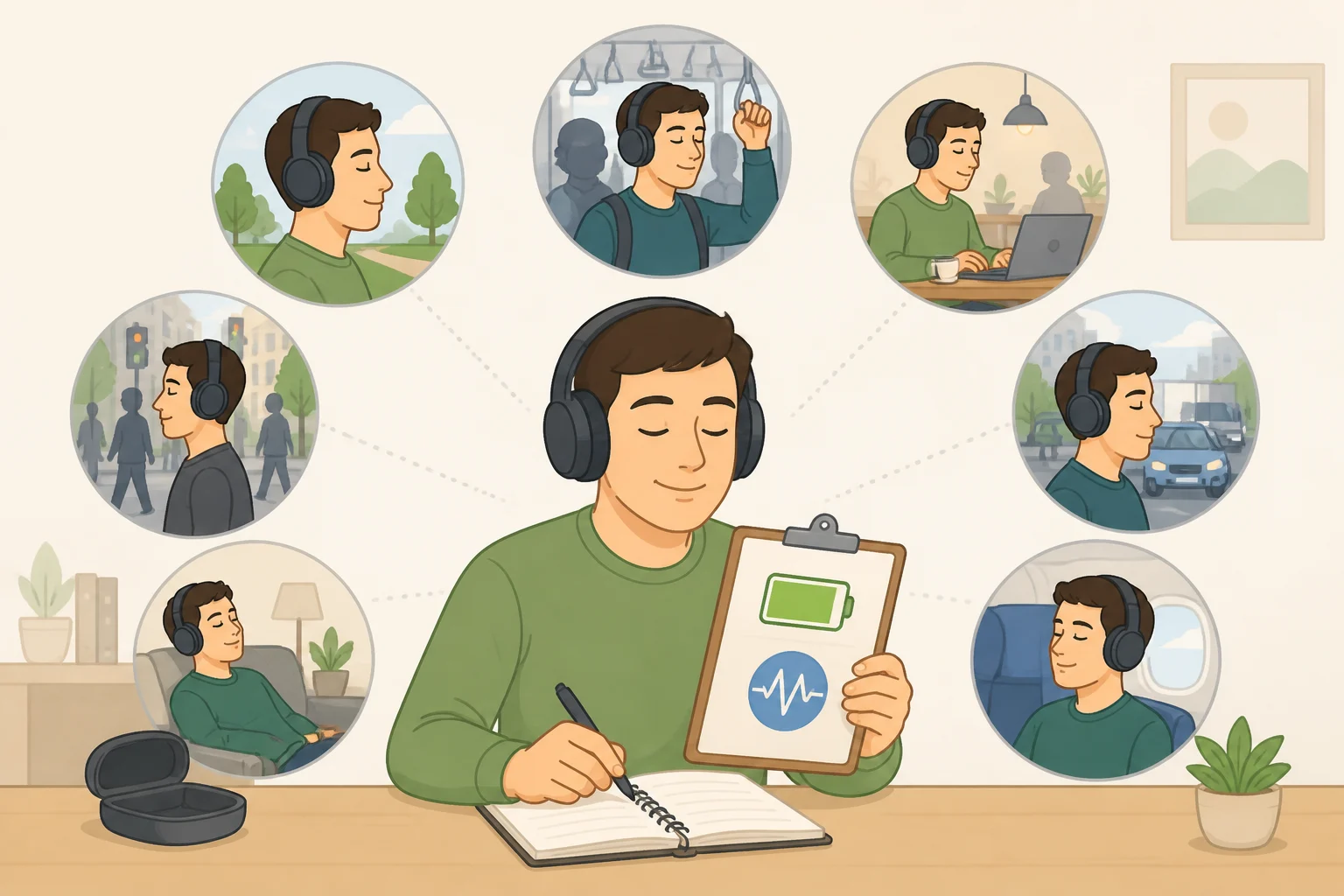
Bose's announcement answers the basic questions: what the earbuds cost, what's in the box, how the ANC system works mechanically. It doesn't answer how any of that holds up once the earbuds are in actual ears, plugged into actual phones and laptops.
A few points stand out as things independent testing will need to settle:
- How much battery a phone or laptop loses over a day of typical use with ANC running, a figure Bose hasn't quantified anywhere in its materials (Bose, today).
- Whether QuietControl performs as well in transit or in a busy office as Bose's marketing implies, since the only public impressions so far come from WIRED's early hands-on reaction rather than a completed test (WIRED, today).
- How clear the inline remote's microphone sounds in noisy environments, given Bose's "clear call quality" claim hasn't been checked independently (Bose, today).
- Which specific USB-C phones, tablets, computers, and docks work reliably, beyond the broad device categories Bose has listed so far (Stereo Guide, today).
- Whether the October 15 ship date in Bose's press release or the October 13 date on Bose's own store turns out to be the accurate one (The Verge, today).
None of these are predictions. They're the gaps between what Bose has said and what reviewers will need to confirm once units start shipping.
Bose Noise Cancelling Wired Earbuds price and release date
The earbuds cost $99 in the U.S. and €99.95 in Europe, and they're open for My Bose exclusive preorder starting today (Bose, today; Stereo Guide, today).
Retail timing gets murkier from there. Bose's own release names Best Buy as a preorder channel starting today, but HotHardware reports Best Buy preorders won't open until October 1 (Bose, today; HotHardware, today).
Shipping dates carry a similar mismatch. Bose's press release lists October 15, while The Verge reported that Bose's store listed October 13 for the same product (The Verge, today).
Launch colors are Black and White Smoke, joined by a limited-edition Dewdrop Mint that Bose says pulls its look from 1990s style (Bose, today; The Verge, today).
The design removes Bluetooth pairing and earbud charging, but it requires a compatible USB-C device and leaves the user tethered to it by a cable. That's the trade at the center of Bose's return to wired earbuds.
What happens once reviewers get retail units in hand after the October shipping window will determine whether that trade is worth $99 for most buyers.