How to Spot an iPhone Duo Preorder Scam, Per the FTC
The FTC alerts reviewed for this article do not identify an iPhone Duo preorder scam by that name. But the pattern behind the phrase is well documented. Across separate consumer alerts published in 2024 and 2025, the agency describes scammers impersonating known brands on social media, advertising prices far below market, and funneling buyers toward fake websites designed to steal money or personal information (FTC, Aug. 2025; FTC, May 2024).
A rumored iPhone release checks one of the two boxes the FTC ties to this scam pattern: a recognizable brand name attached to a product people want badly enough to preorder. The cited alerts don't say anything about buyer urgency specifically, and neither describes a device called Duo. Whether that adds up to an actual iPhone Duo scam is something only a confirmed case, not this reporting, could establish.
This piece walks through how the ad-to-checkout scheme works, what separates a real preorder from an imitation, and which recovery steps apply depending on what, if anything, a reader has already shared.
How the fake-discount funnel works
Video of the Day
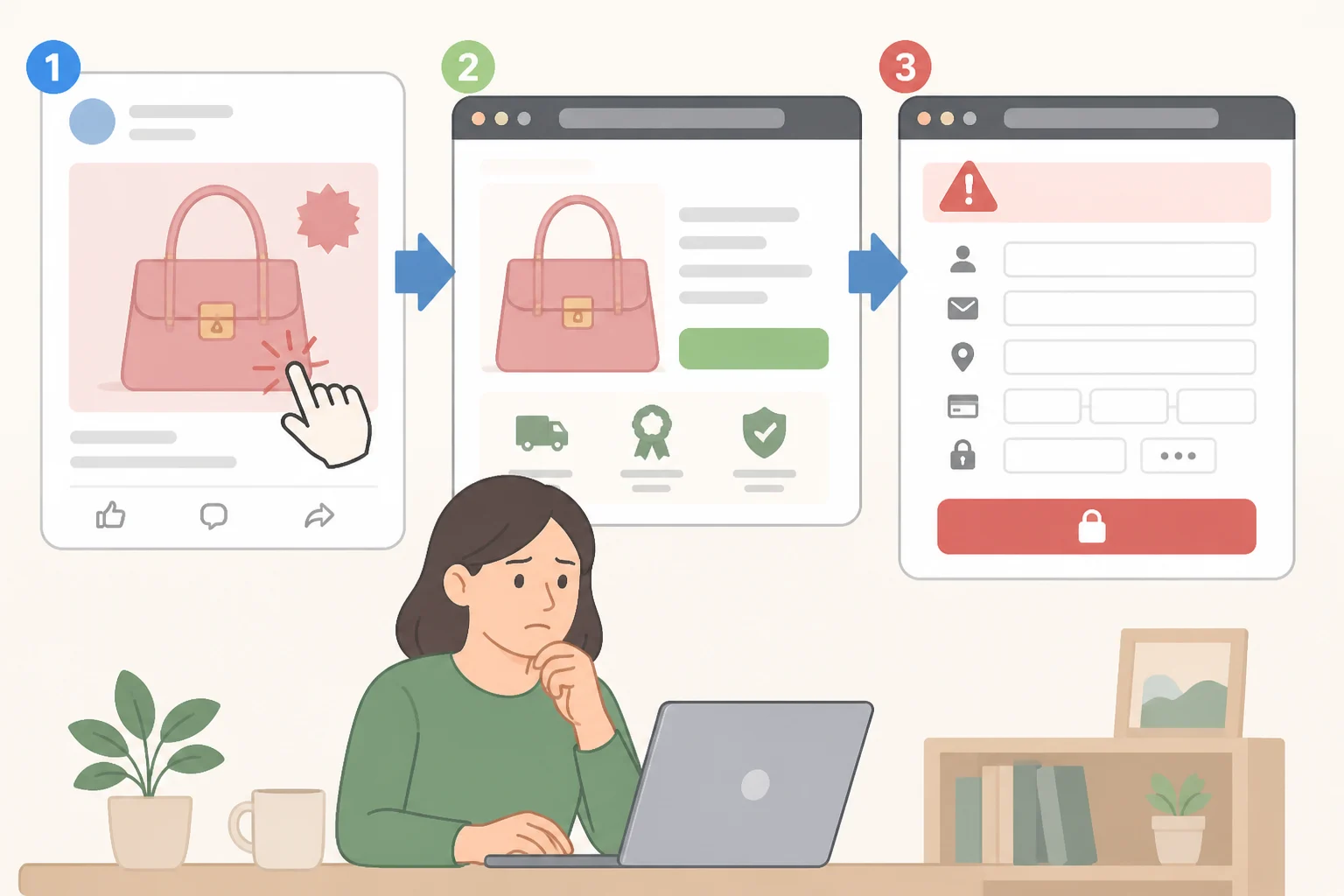
The pattern starts small. An ad or post borrows a recognizable brand name to advertise a price noticeably below market (FTC, Aug. 2025). Clicking through can lead to a fake website designed to steal payment details or sensitive information, including Social Security or bank account numbers (FTC, Aug. 2025).
Buyers who go ahead and pay may get a cheap knockoff, or nothing at all (FTC, Aug. 2025; FTC, May 2024). The cited alerts describe a payment and personal-information scam, not a vulnerability in the device itself. Any fraudulent iPhone Duo preorder offer would need the same two ingredients: borrowed branding and a storefront that never intended to ship anything.
Video of the Day
Fake ad, fake text, or real preorder?
Three formats can look alike at a glance: a social media ad, a text message, and an actual preorder listing. The FTC's guidance addresses these unevenly.
The clearest match is the social ad. The alerts describe exactly this setup, an ad impersonating a known brand at a price well below market, and warn against assuming the seller is who the ad claims (FTC, Aug. 2025).
A text message is a related but separate format. No FTC alert reviewed here discusses iPhone preorder texts specifically. A different alert on fake loan texts does document the pressure tactics scammers use to rush a reply, lines like "this is the last step" or a request to reply "YES," meant to get someone acting before they think (FTC, Jan. 2026). That same source calls the tactic what it is: a phishing scam, not a real follow-up to anything the recipient did. A fake iPhone Duo preorder text using similar countdown language would fit that same phishing pattern, though no agency has documented one yet.
The third format, an actual preorder, is what the other two are imitating. Confirming one means entering the retailer's or manufacturer's address independently and checking whether the same listing and price show up there, rather than trusting the link a message provides.
How to spot an iPhone Duo preorder scam offer
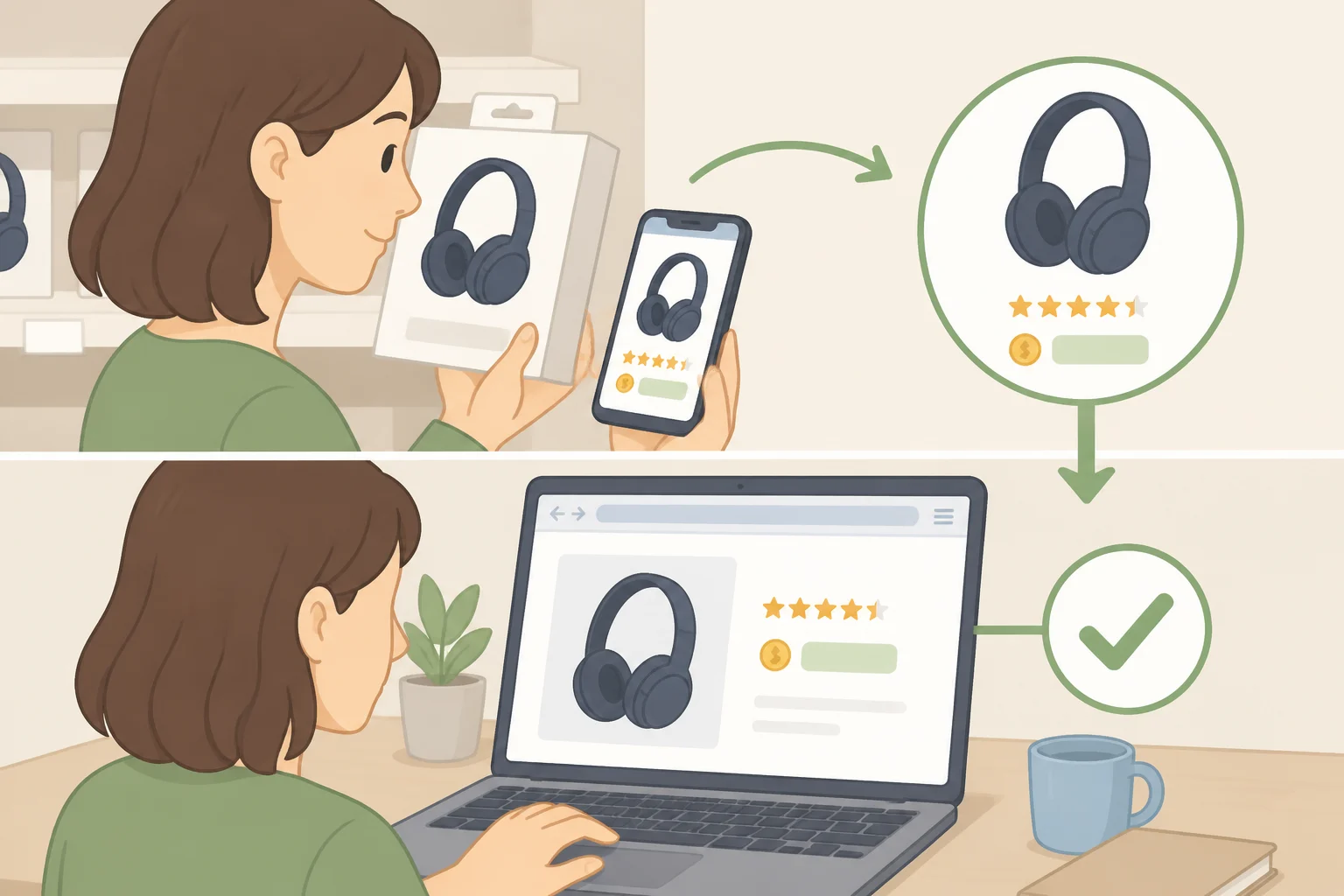
The FTC's advice for spotting these ads doesn't change based on the product involved, which is part of why it applies here even without a confirmed case. Search the seller's name, using a search engine rather than the social platform where the ad appeared, alongside terms like "scam," "complaint," or "review" (FTC, Aug. 2025; FTC, May 2024).
Comparing prices is part of the same guidance. A discount that's dramatically below market is one of the clearest signs of a scam (FTC, Aug. 2025; FTC, May 2024). In practice, that means checking the ad's number against the retailer's own site directly, since that's the only price confirmed to come from the seller itself.
Read the seller's actual terms before paying anything. Return policy, warranty, shipping timeline, and shipping cost should be spelled out on the seller's own site, not just implied in the ad (FTC, May 2024).
Payment method matters as much as the offer itself. Paying by credit card gives the strongest protections if something goes wrong (FTC, Aug. 2025). Treat any insistence on gift cards, wire transfers, payment apps, or cryptocurrency as a hard stop. Only scammers demand payment through those channels, and both alerts flag it as one of the clearest tells available (FTC, Aug. 2025; FTC, May 2024).
What to do next, based on what happened
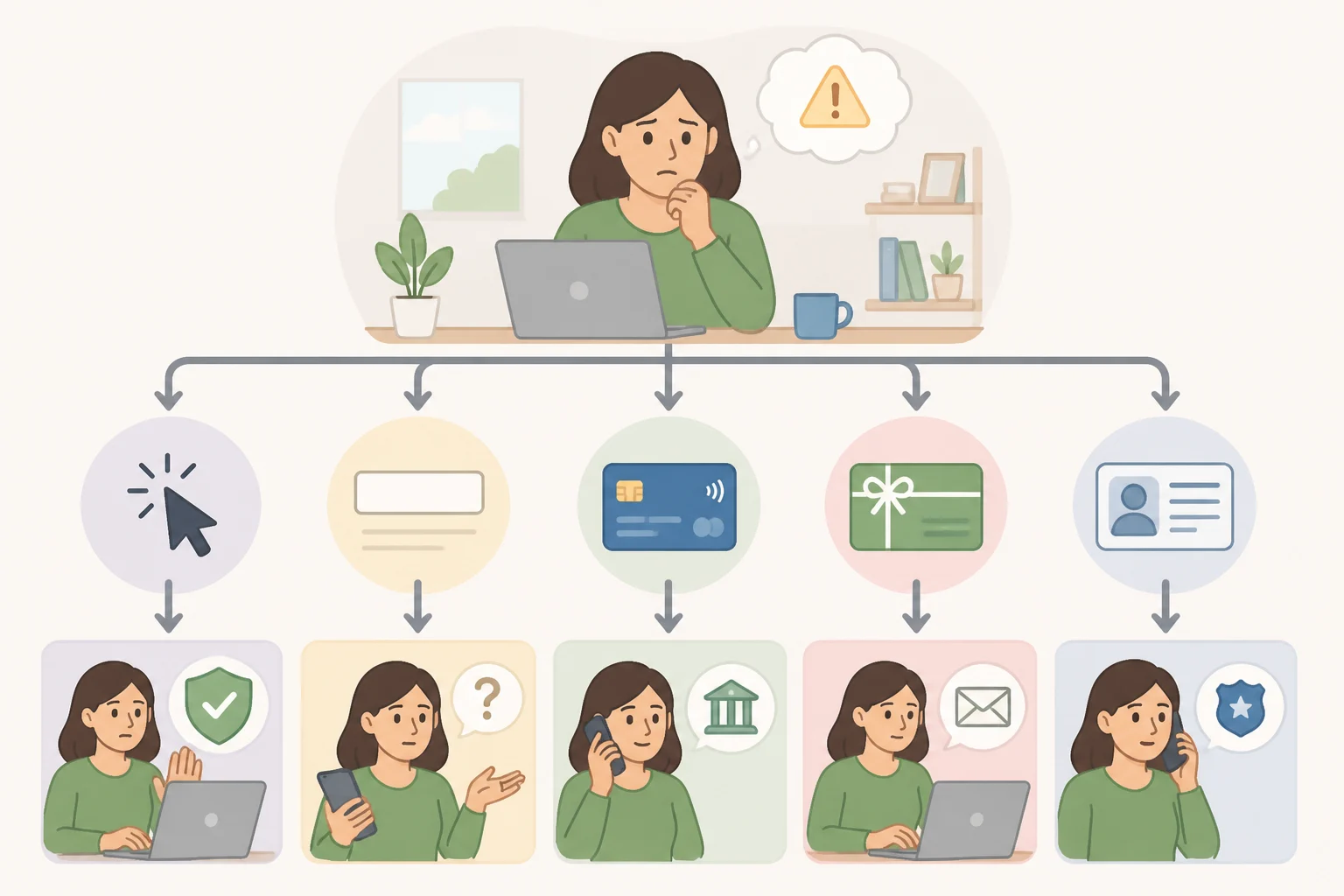
The right response scales with what actually happened, from seeing an ad to handing over a card number.
- Saw the ad or a suspicious text, didn't click: Delete it. Use your phone's "report junk" option or forward the text to 7726 (SPAM), then report it at ReportFraud.ftc.gov (FTC, Jan. 2026; FTC, Aug. 2025). Deleting prevents further interaction; the FTC also advises reporting the message.
- Clicked but entered nothing: Neither alert addresses this exact scenario. Closing the page without typing anything limits the exposure, and reporting the link at ReportFraud.ftc.gov is a reasonable precaution even without confirmed data loss.
- Paid by credit card: Contact the card issuer promptly and ask whether you can dispute the charge. The FTC notes that credit card payments offer the best protection if an order never arrives (FTC, Aug. 2025).
- Paid by gift card, wire transfer, payment app, or cryptocurrency: Report it at ReportFraud.ftc.gov; the agency directs anyone who has already paid a scammer to file there (FTC, Aug. 2025).
- Shared a Social Security number or bank account number: Go to IdentityTheft.gov for a recovery plan tailored to that specific information (FTC, Jan. 2026; FTC, Aug. 2025).
The type of data shared, or not shared, determines which of these applies.
Looking ahead
The FTC has described this fake-ad-to-fake-checkout pattern in two separate alerts, published roughly 15 months apart (FTC, May 2024; FTC, Aug. 2025). That gap suggests a recurring tactic rather than a one-off warning, though neither document mentions Apple or a device called Duo.
Until an actual Apple announcement settles whether that device exists, any preorder offer built around the rumor deserves the same scrutiny the FTC recommends for any heavily discounted, brand-name product online: check the seller independently, compare the price against the retailer's own listing, and pay with a method that can be disputed.