Ryobi 40V 1800-Watt Power Station Kit: What 9 Buys
Ryobi has priced its new 40V 1800-Watt Power Station Kit at $899, according to the company's product listing for the unit, model number RYi1802B6. Listed last month, the page markets the battery-powered power station as portable power for an outage, able to run lights, fans, small electronics, and, Ryobi says, a refrigerator, using pure sine wave output the company describes as safe for laptops, phones, and LCD TVs.
The reviewed listing does not state how many batteries are included in the kit, their capacity, or what total stored energy they would provide in watt-hours. Those are the numbers that turn a wattage rating into an actual household power plan, and the page doesn't include them.
That gap matters because the station's outage performance depends on Ryobi's 40V battery platform. The reviewed listing does not say how many batteries come with the kit or what their capacities are, information needed before anyone can estimate how long the unit would actually run.
What Ryobi has confirmed about the 40V 1800-Watt Power Station Kit
Video of the Day
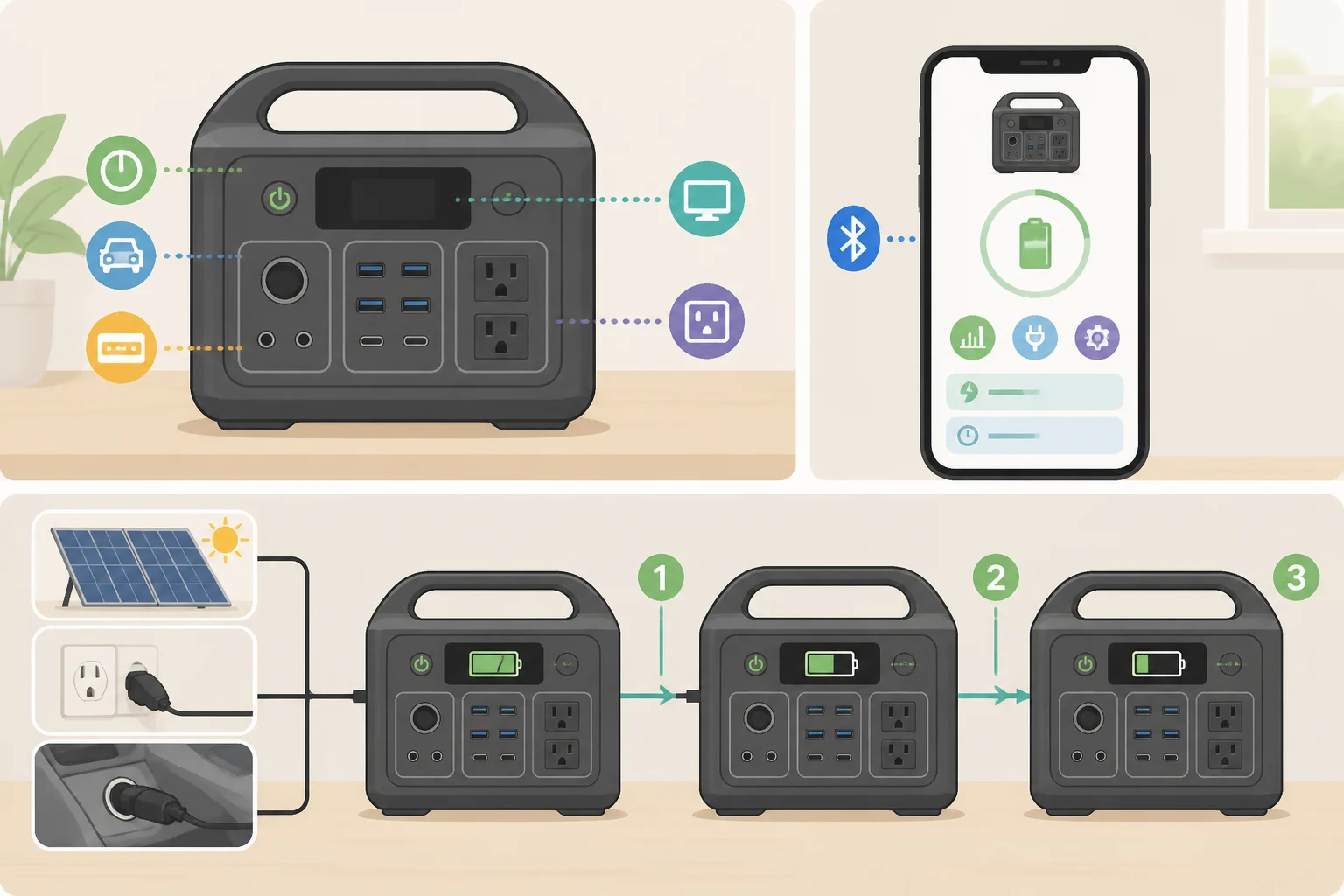
Ryobi's listing makes several specific claims about the RYi1802B6: pure sine wave output rated safe for sensitive electronics, Bluetooth connectivity to the GENCONTROL app, sequential charging for up to four 40V batteries, and parallel-connection support with other 40V gear, according to the product page.
The unit connects to the GENCONTROL app over Bluetooth and can monitor up to two inverters at once, Ryobi says. The listing doesn't specify whether the app displays battery level or load level for this model. Ryobi's separate 18V ONE+ power station listing confirms those display functions for its own product, but the 40V page doesn't repeat that detail.
Ryobi also markets the station as a "Super Charger," capable of topping off up to four 40V batteries sequentially, per the listing. Ryobi presents the sequential-charging feature as a way to recharge other 40V batteries, not as a way to extend the power station's own runtime.
The kit is also parallel capable. Ryobi says buyers can link a second 40V Power Station, or one of its inverter generators, through a separate parallel kit, which the company says delivers twice the power and runtime. The reviewed listing doesn't say whether that parallel kit ships included with the $899 price or sells separately.
Ryobi also brands the unit for quiet, portable operation, according to the listing, though it doesn't give a decibel figure or any other noise measurement to back that up.
Each of these features assumes the buyer already owns, or plans to buy into, Ryobi's 40V battery ecosystem. Ryobi describes that system as spanning more than 85 products, from yard equipment to power tools that share the same battery packs. The missing battery details prevent a comparison of the kit's stored energy and expected runtime against anything else on the market.
Video of the Day
The missing numbers that complicate any runtime estimate
The listing gives one clear purchase figure: $899, direct from Ryobi. The Ryobi listing reviewed here gives the price but does not provide retailer or stock-status information.
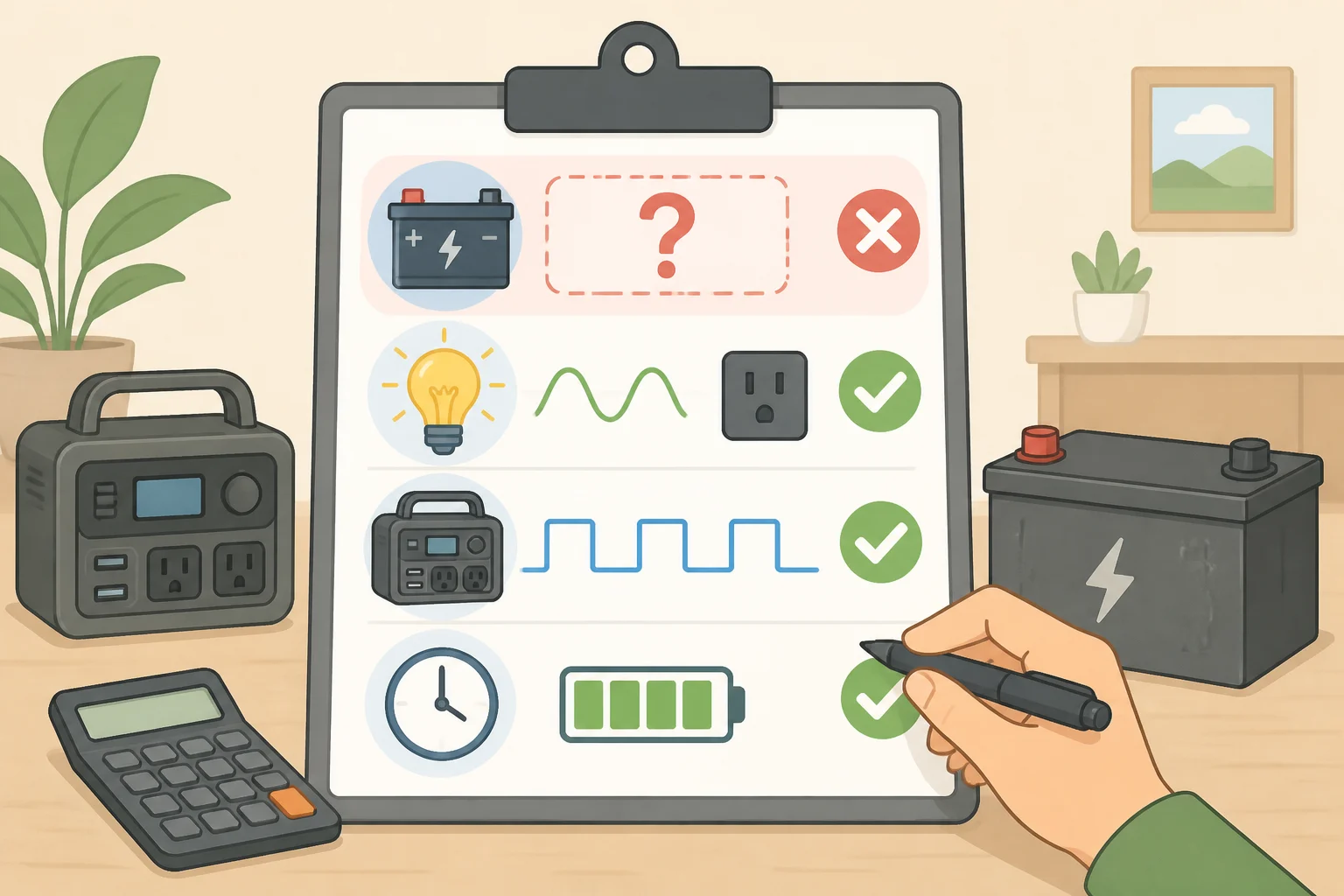
The reviewed page leaves the rest of that math undone. As reviewed, the listing does not state how many 40V batteries ship with the kit, their amp-hour rating, or the combined watt-hour capacity those batteries would provide, figures needed to estimate how long the unit would keep a refrigerator or anything else running.
The listing is similarly vague about output. Ryobi hasn't published a continuous-versus-surge wattage breakdown on the reviewed page. A continuous-versus-surge breakdown would help readers assess appliances such as refrigerators, which often draw a larger burst of power to start than they do to keep running. The page also doesn't specify outlet count, USB or USB-C port count, or the voltage and amperage each port supports.
Day-to-day operation is equally unclear on the current listing: no confirmed recharge method (wall outlet, vehicle, solar), no stated recharge time, no indoor-use guidance, and no weather or ingress-protection rating. Nor does the page say whether the parallel kit needed to link two units ships included or sold separately.
This article is based on Ryobi's manufacturer page, reviewed this week. The printed manual, retailer listings, and Ryobi customer service were not consulted for this report, so these gaps describe what the manufacturer's page shows rather than a confirmed absence of information everywhere Ryobi publishes it. Buyers who want firmer numbers before ordering can start with Ryobi customer service, listed on the company's site at 1-800-525-2579 (per the 18V listing).
Output wattage versus stored energy: why the two aren't the same
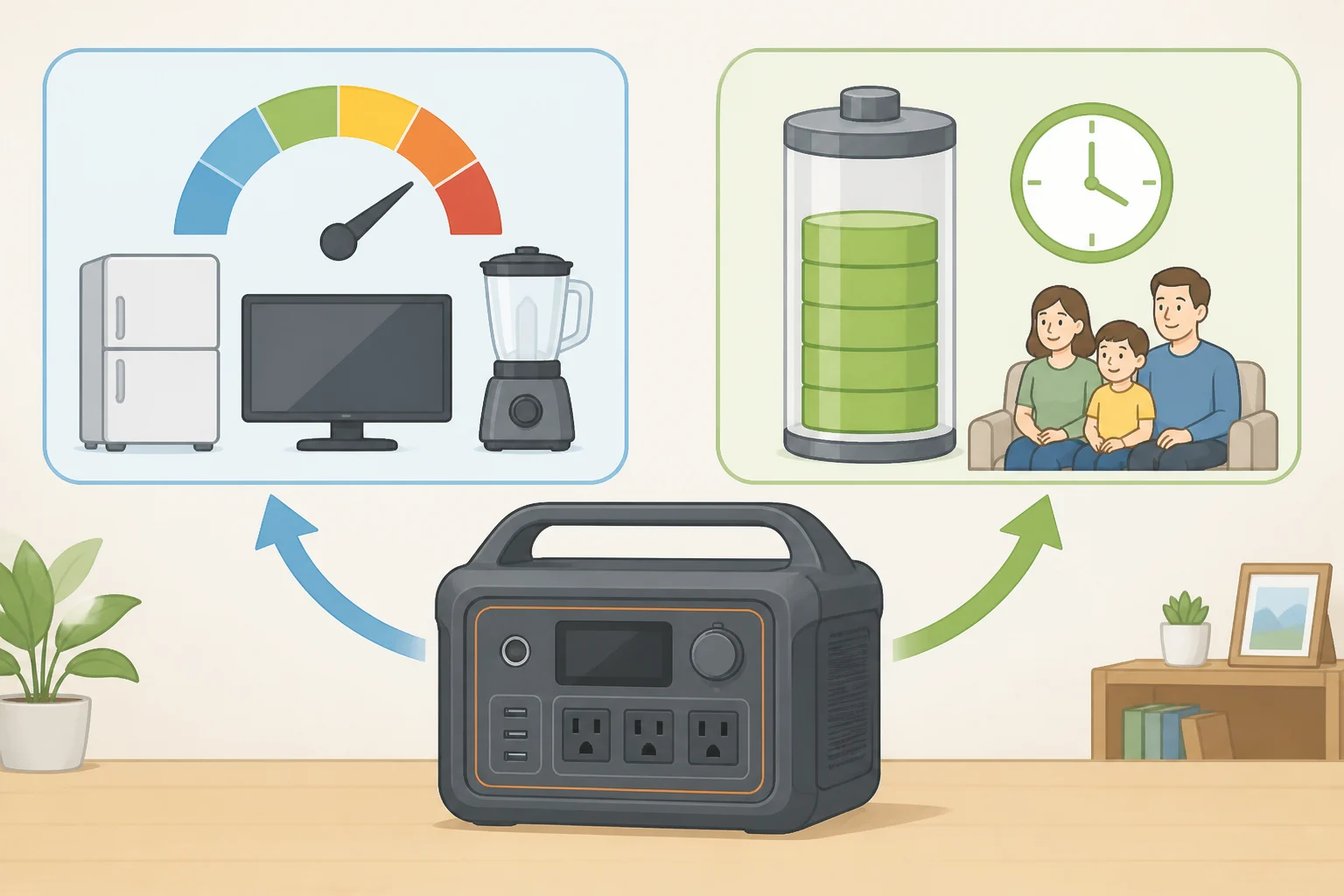
A wattage rating tells a buyer how much power a unit can deliver at a given moment, not how long it can keep delivering it. Ryobi's own catalog shows the distinction. The company's separate 18V ONE+ 1800-Watt Power Station, listed earlier this year, carries the identical 1,800-watt rating as the new 40V kit, yet Ryobi says it can power a full-size refrigerator for up to 12 hours using eight 6Ah batteries.
The 18V example shows why the missing capacity figure matters. Two products can share a headline wattage number and still behave very differently once the power goes out, depending on how many batteries sit behind the inverter and how large those batteries are. The comparison exists to show what information determines runtime, not to predict what the 40V kit will do.
The 18V model carries other specifics that shouldn't be assumed to carry over to the 40V kit. Ryobi says the 18V unit charges up to eight batteries sequentially through its included USB-C adapter, using a wall charger or car adapter. The same listing says the unit supports solar charging through its USB-C port and calls it "ideal for indoor use".
Those claims belong to the 18V ONE+ platform. They use separate 18V and 40V battery systems, and Ryobi has published that documentation for the 18V ONE+ model but not, as reviewed, for the 40V RYi1802B6.
The two platforms also differ in scale, which may explain the documentation gap. Ryobi describes the 18V ONE+ lineup as having grown over three decades to more than 300 products, while the 40V system is comparatively newer, with its own more than 85 products. That difference doesn't change how either power station performs, but it may explain why the older platform has more publicly documented specifications. It's simply had longer on the market.
The next disclosure to watch for
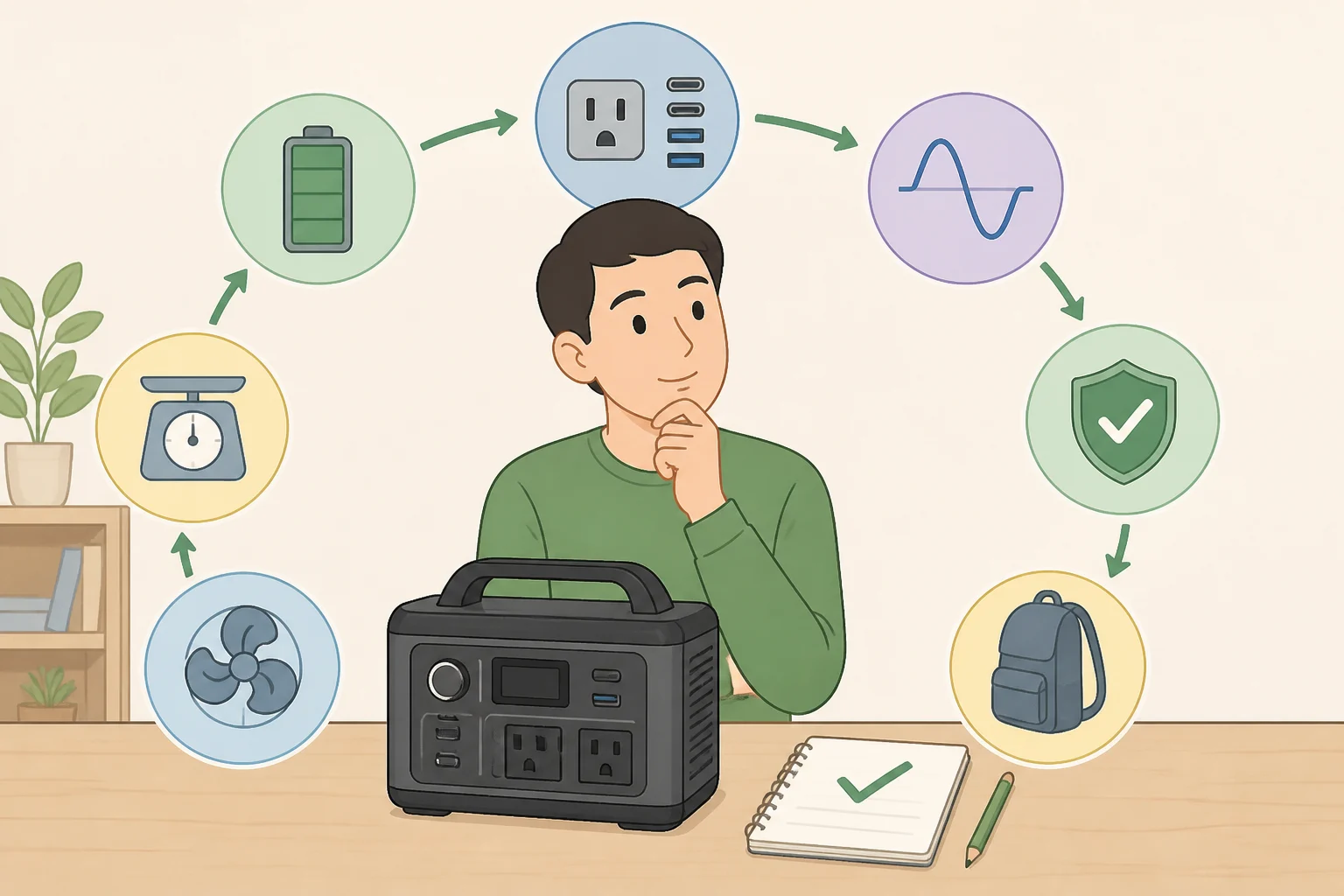
Ryobi has listed the RYi1802B6 and its $899 price, but the reviewed page still doesn't supply the battery and runtime information needed to compare it with other power stations, including Ryobi's own 18V model. Until those numbers surface, the kit reads less like a verified storm-season purchase and more like an expansion option pitched at people already standing in the 40V aisle.
Whether that changes depends on what Ryobi, or a retailer that lists the product with fuller specifications, publishes next. The figures that matter most, battery count, amp-hour rating, and a continuous-versus-surge wattage breakdown, are the ones that would tell a buyer how many hours of lights and refrigeration $899 actually buys.