ROG Xbox Ally X20 Availability: Where to Buy at ,299
ASUS's ROG Xbox Ally X20 is available for purchase starting today, October 15, 2026, sold either as a standalone $1,299 device or bundled into a $2,499 collector's package, according to ASUS. The handheld arrives exactly seven weeks after ASUS opened pre-orders, and it doesn't replace anything in the existing lineup. The $599 ROG Xbox Ally and $999 ROG Xbox Ally X both remain on sale at their original prices, according to GlobeNewswire.
What follows is a breakdown of where to buy the X20, what's actually in the box, what ASUS is claiming about the hardware, and what still hasn't been independently verified.
ROG Xbox Ally X20 availability: where to buy it in the U.S.
Video of the Day

U.S. shoppers can buy the device today through the ASUS Store and Best Buy. ASUS's release does not name any other countries, so the launch, for now, reads as a U.S.-only event, per GlobeNewswire.
That October 15 shelf date isn't a surprise. ASUS locked it in back in August, when the company opened pre-orders and promised retail availability on this exact date, according to ASUS Pressroom. Seven weeks between pre-order and shelf is a tight, deliberate runway, the kind of window a company uses when it wants hype to carry straight through to a launch day rather than fizzle out.
The X20 name and timing both trace back to Republic of Gamers' founding in 2006. ASUS calls this a "special edition" built for ROG's 20th anniversary, according to ASUS Pressroom. That phrasing is worth sitting with: special edition and limited edition aren't the same thing, and ASUS hasn't said anything about production numbers or how much stock retailers are getting in the U.S. Anyone outside the United States hoping to buy one will also need to wait for country-specific details that haven't surfaced yet.
Video of the Day
ROG Xbox Ally X20 price and bundle details
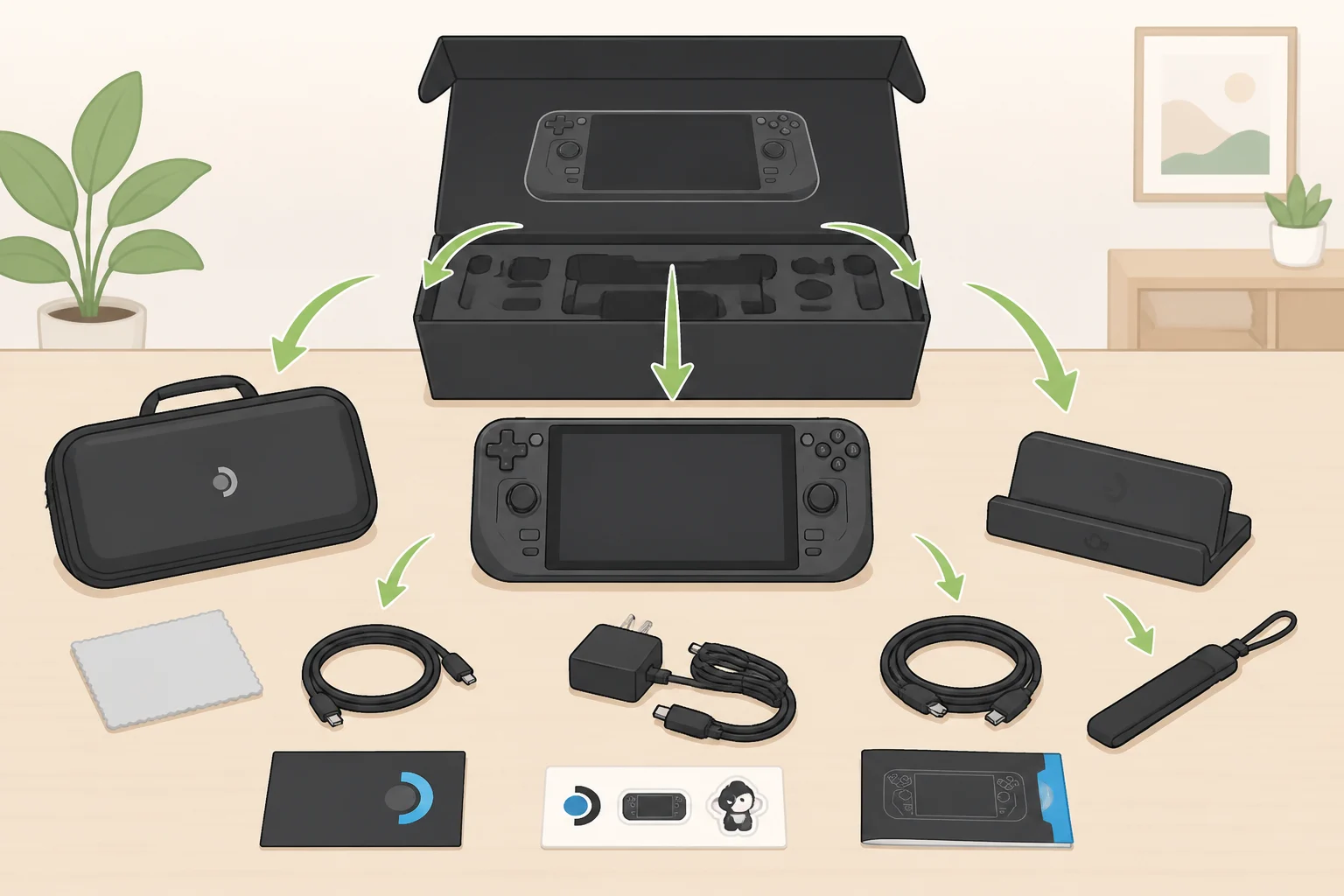
The standalone X20 costs $1,299. Step up to the $2,499 bundle and you get the device plus ROG XREAL R1 Edition 20 AR glasses, a custom dbrand Killswitch case, and a Pelican Protector Case, according to ASUS Pressroom.
Put those numbers next to the rest of the lineup and the gap is stark. The X20 costs $300 more than the Ally X and more than double the base Ally, both of which sit right next to it on store shelves, according to GlobeNewswire.
There's one detail buyers should track closely. ASUS's August pre-order announcement listed a 68W charger as part of the $2,499 bundle, while today's availability release summarizes the bundle contents without mentioning it, according to ASUS Pressroom, August and ASUS Pressroom, October. The August release is the one that spells out the charger as an included item, so there's no real signal it's been dropped. Still, worth double-checking the box contents against your order confirmation once it ships.
ASUS is leaning hard into the collector's-item framing for that bundle. The Killswitch case comes with a kickstand and gold-and-black anniversary accents, and the Pelican case carries red ROG latches alongside an exclusive 20th-anniversary badge, according to ASUS Pressroom. It's packaging built for display cases as much as backpacks.
ROG Xbox Ally X20 specifications
ASUS calls the display its biggest upgrade. The 7.4-inch Nebula HDR panel is a 1080p OLED screen rated at 600 nits typical and 1,400 nits peak brightness, with VESA DisplayHDR True Black 1400 certification and Dolby Vision support, according to ASUS Pressroom. It runs at a 120Hz refresh rate with FreeSync Premium Pro variable refresh from 30Hz to 120Hz, which ASUS says cuts down on screen tearing when frame rates dip mid-game, according to GlobeNewswire.
Two HDR modes ship alongside it. ASUS says HDR Native faithfully reproduces a game's original colors, lighting, and shadow detail, while HDR Vivid pushes saturation and intensity further for a punchier look, according to ASUS Pressroom.
Under the hood sits an AMD Ryzen AI Z2 Extreme processor, 24GB of LPDDR5X-8000 memory, and a 1TB M.2 2280 SSD that ASUS designed for easier upgrades, backed by an 80Wh battery, according to GlobeNewswire. It runs Windows 11 Home.
Controls got specific attention in ASUS's pitch. The joysticks use magnetic TMR sensors with a 3% dead zone, which ASUS says significantly reduces the potential for stick drift, and a new algorithm is meant to deliver millimeter precision without unwanted four-axis snapping, according to ASUS Pressroom. A tool-free D-pad switches between four-way and eight-way movement, a feature ASUS is clearly aiming at fighting-game players. Face buttons now sit flush with the chassis when fully pressed and use a lighter actuation force, and ASUS added rubberized grips along with impulse triggers for haptic feedback, according to ASUS Pressroom.
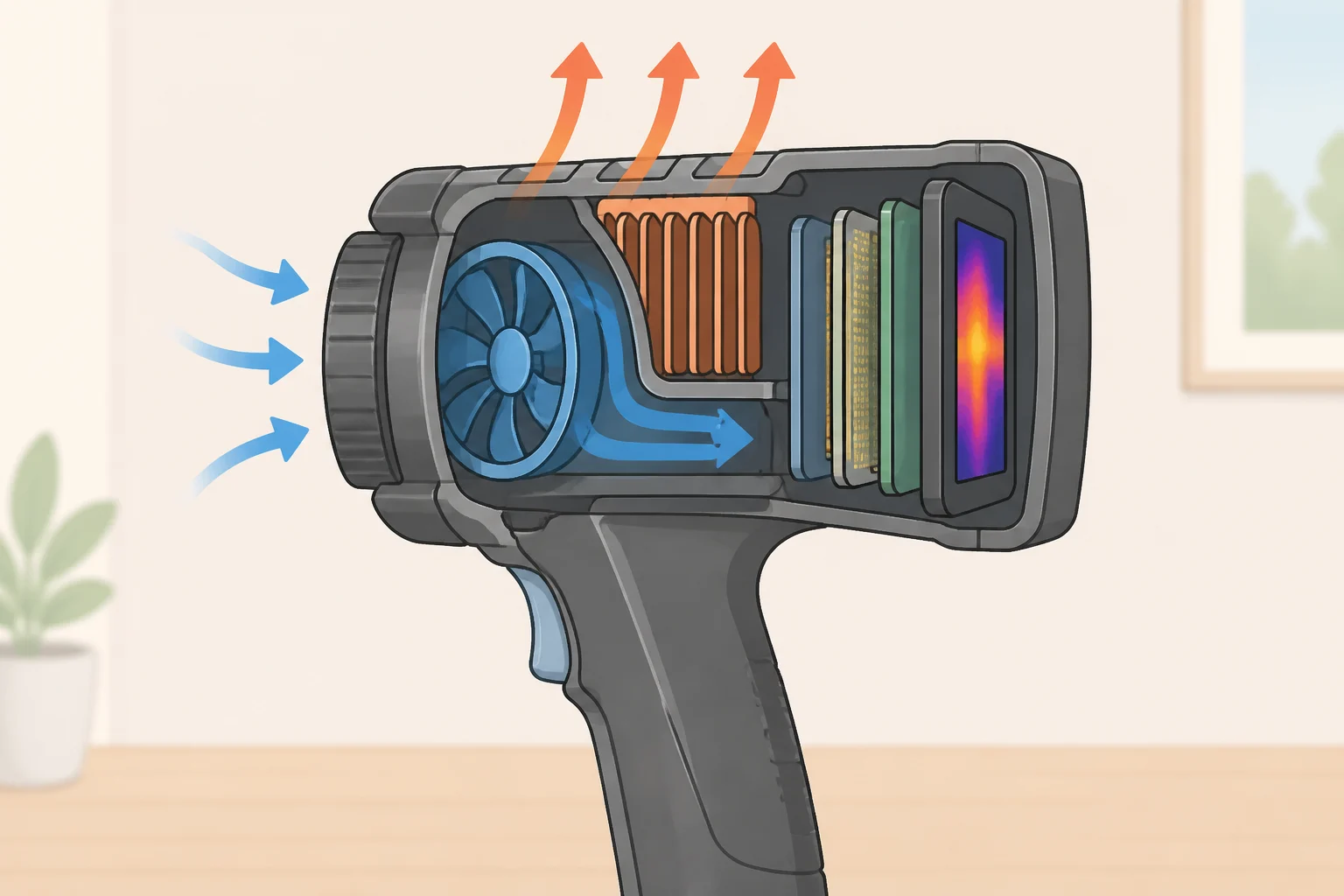
Cooling got a redesign too. ASUS says fewer, larger fan blades increase airflow by 20% and heatsink fin surface area by 11%, with airflow routed down three paths: behind the OLED panel, through heatsink fins, and directly at the processor, according to ASUS Pressroom. ASUS frames this as a comfort feature as much as a performance one, saying it's meant to keep handgrip temperatures manageable during long sessions.
Software picked up a few updates as well. Aura Sync now includes Reactive Mode, which lights up in the direction a joystick is pushed, and Immersion Mode, which reacts to in-game sound, according to ASUS Pressroom. Default Game Profile 2.0 lets players save tweaked settings like wattage and power limits directly to a game's profile with one click, and ACSE offers a simple menu for remapping buttons. Armoury Crate SE also adds an opt-in preview channel, letting power users test features early and feed ASUS feedback before changes roll out broadly, according to ASUS Pressroom.
All of that adds up to the case ASUS is making for flagship pricing. Whether the hardware performs the way the release copy describes is a separate question, one that hasn't been tested outside ASUS's own announcements.
The AR-glasses bundle and ASUS's "play anywhere" pitch

The optional ROG XREAL R1 Edition 20 glasses are the centerpiece of the $2,499 bundle's pitch. ASUS says they project a 171-inch virtual screen at four meters through a 240Hz micro-OLED display with a 57-degree field of view covering 95% of a wearer's focal area, paired with Bose audio and a 0.01ms response time, according to ASUS Pressroom. They connect to the handheld with a single USB-C cable. Native 3DoF tracking lets the screen follow head movement, while Anchor Mode locks it in place for stationary play.
A new Travel Mode caps charging at 65W specifically to work with the lower-power outlets built into airplane and train seats, and it switches on automatically when Airplane Mode is enabled or can be toggled manually, according to GlobeNewswire.
The device itself measures roughly 300 by 121 by 51mm and weighs 756 grams, according to ASUS Pressroom. ASUS is positioning the X20 as a full gaming setup that travels with you, glasses and all, rather than just a handheld you play in one spot. That's an appealing pitch on paper. None of it has been tried outside a press release yet.
What buyers should know before ordering
U.S. availability is confirmed today, at the ASUS Store and Best Buy, for $1,299 standalone or $2,499 with the full bundle. International rollout, stock levels, and whether this run is genuinely limited haven't been detailed in ASUS's announcements.
Everything about reduced stick drift, better airflow, HDR accuracy, and the AR-glasses experience comes from ASUS itself. The company's announcements don't include independent battery-life, thermal, or performance benchmarks, so those claims are worth treating as marketing until outside reviewers get their hands on a unit. With the $999 Ally X sitting right next to it on shelves, the question that matters now isn't whether the X20 looks good in a press photo. It's whether $300 buys a genuinely better handheld once someone outside ASUS actually runs the numbers.