How to Spot Smart Camera Glasses: Visual Tells and What to Do
Recording starts with a single touch of the frame. No phone to pull out, no obvious gesture. BBC reported this month that influencer Aniessa Navarro only realized her waxing technician was wearing Meta Ray-Ban smart glasses mid-appointment because she recognized the frames. The recording indicator went unnoticed. Nothing else gave it away.
This guide walks through how to spot smart camera glasses by sight, why the built-in recording indicator is weaker than most people assume, and what you can actually do if you think someone is filming you. One distinction runs through everything here: identifying the device and confirming active recording are two different problems. The advice is built around that gap.
Smart glasses are now common enough that running into a pair is unremarkable. With more than 7 million Meta Ray-Ban pairs sold and competitors from Apple, Google, and Snap arriving, researchers expect as many as 100 million people could own a pair within a few years, BBC reported. Knowing how to spot smart camera glasses is no longer a niche concern.
How to spot smart camera glasses: what to look for
Video of the Day
Meta Ray-Ban and Oakley models
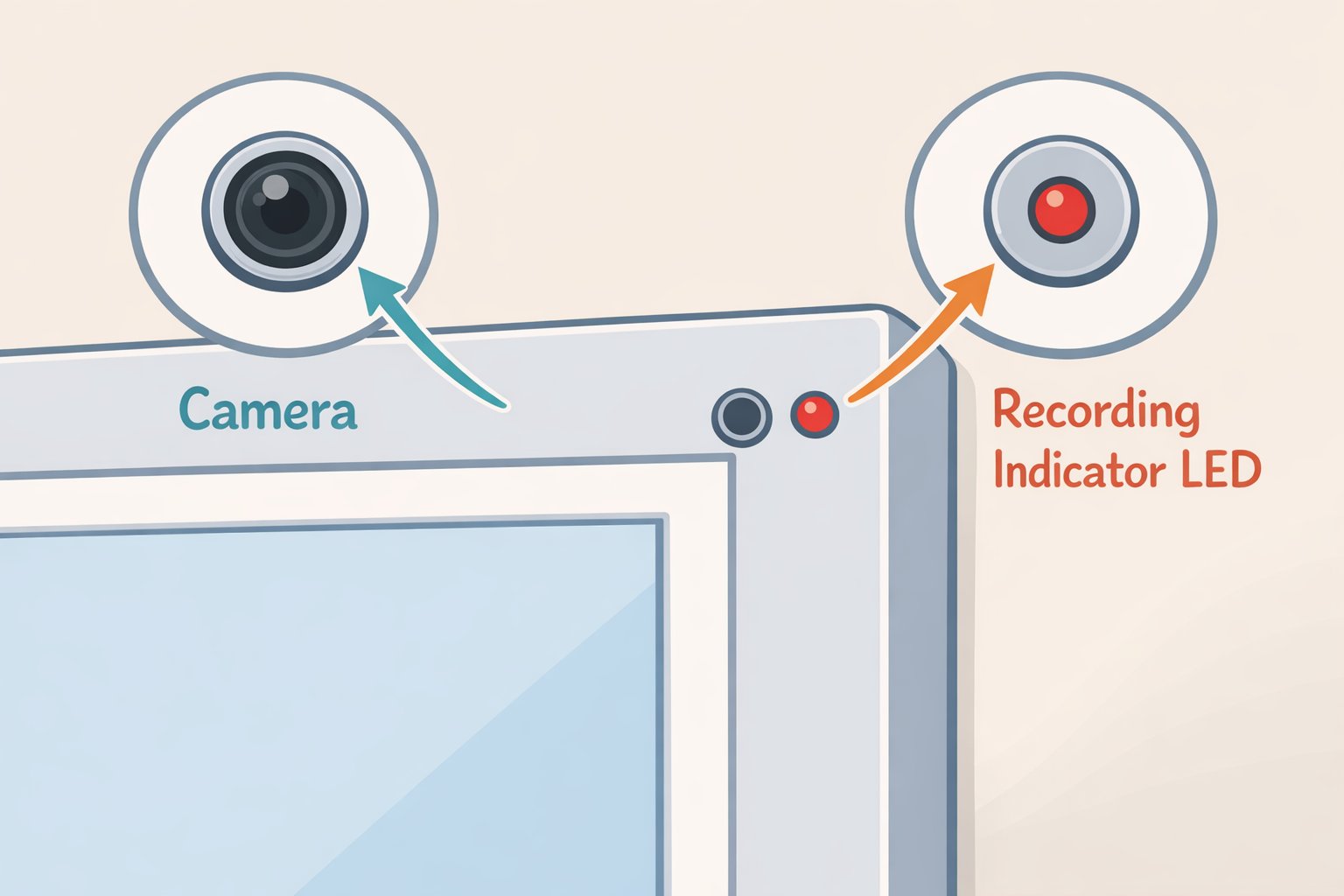
The camera sits in the end pieces, the small sections at the upper corners of the frame where the front meets the temples. PCMag described this month that both Ray-Ban and Oakley versions of the Meta smart glasses place what appear to be matched decorative circles in those corners. Only one is the camera: a circular element a few millimeters wide, darker than the surrounding material, with a glossier center. The other is the recording indicator LED.
The temples are a secondary tell. Frames that look thicker than normal, or that show patches of slightly different texture or flatness along the arms, may be housing electronics, including speakers, battery, or camera components. Awkwardly bulky frames, or spots that are uniquely flat with a subtly different finish, are worth a second look, as PCMag noted this month.
Cheaper hidden-camera glasses
Less expensive options, widely available online, tend to use a pinhole camera rather than a visible lens. A single small hole on the nose bridge or end piece with no obvious decorative or functional purpose is a meaningful signal. Single tiny holes are not standard frame decoration, PCMag observed. Some models go further, hiding the sensor behind a flat, textureless patch of frame material with no visible opening at all. Lower video quality, fewer visual clues.
How to tell if smart glasses are recording: the LED and its limits
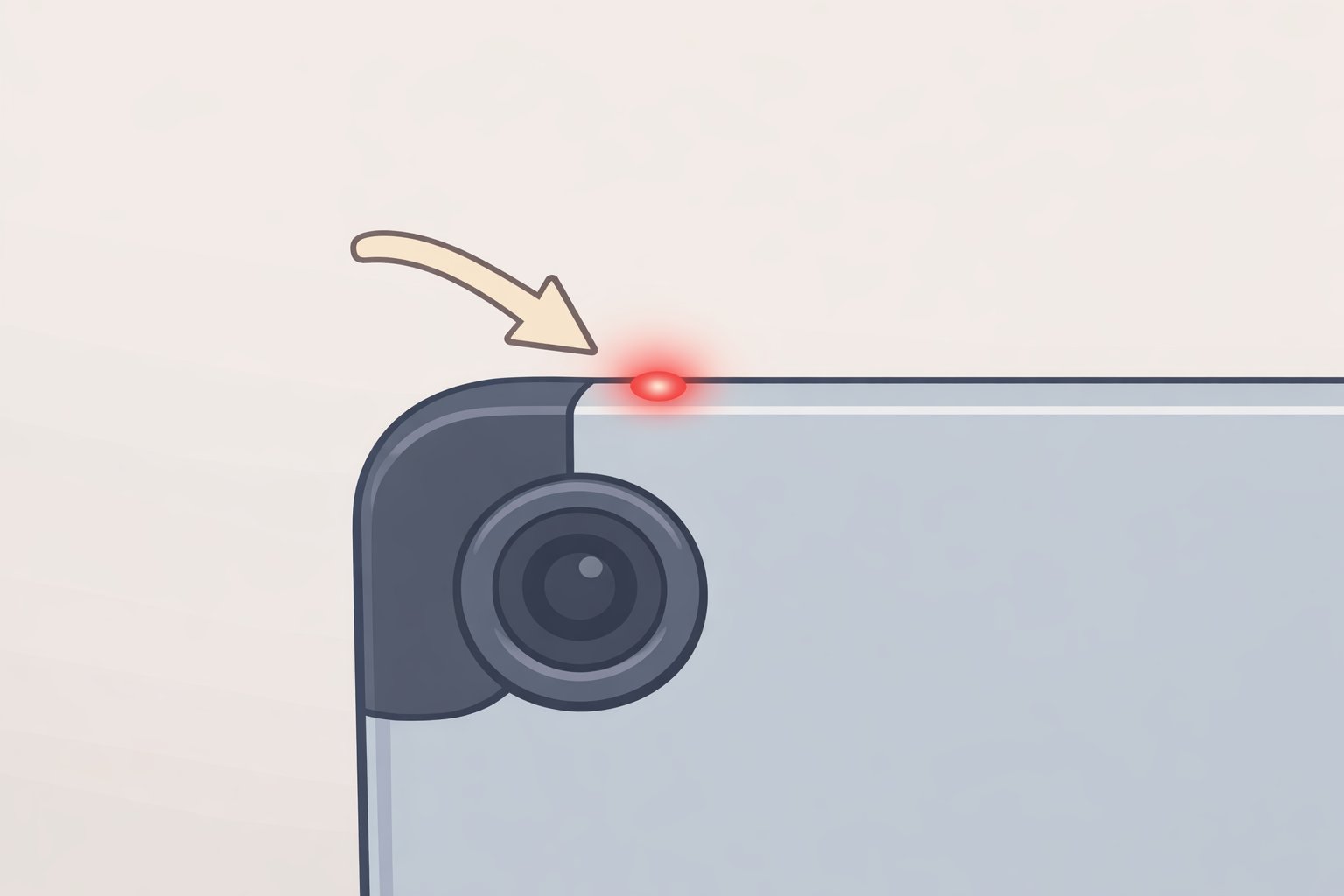
Meta's glasses include a small LED that activates when recording is in progress, positioned on the opposite side of the frame from the camera. As you face the wearer, the camera is on your right; the LED is on your left, per PCMag's breakdown this month. In daylight, BBC reported, the light reads as faint and often goes entirely unnoticed. A Meta glasses owner interviewed by BBC said most bystanders had no idea they were looking at anything other than ordinary eyewear.
The LED is also easy to defeat. Amazon sellers offer stickers and covers designed specifically to conceal it. The EFF noted in March that cheap workarounds can effectively disable the only visible signal that recording is active. The glasses are "designed to be invisible to those being recorded," in the EFF's words. Any cover, sticker, or smudge over the upper-left corner of the frame as you face the wearer is itself a warning sign.
If you want to check: look at the wearer's upper-left end piece for any faint glow. Seeing a light means active capture is possible. Not seeing one does not confirm recording isn't happening.
One additional tool, with real limits
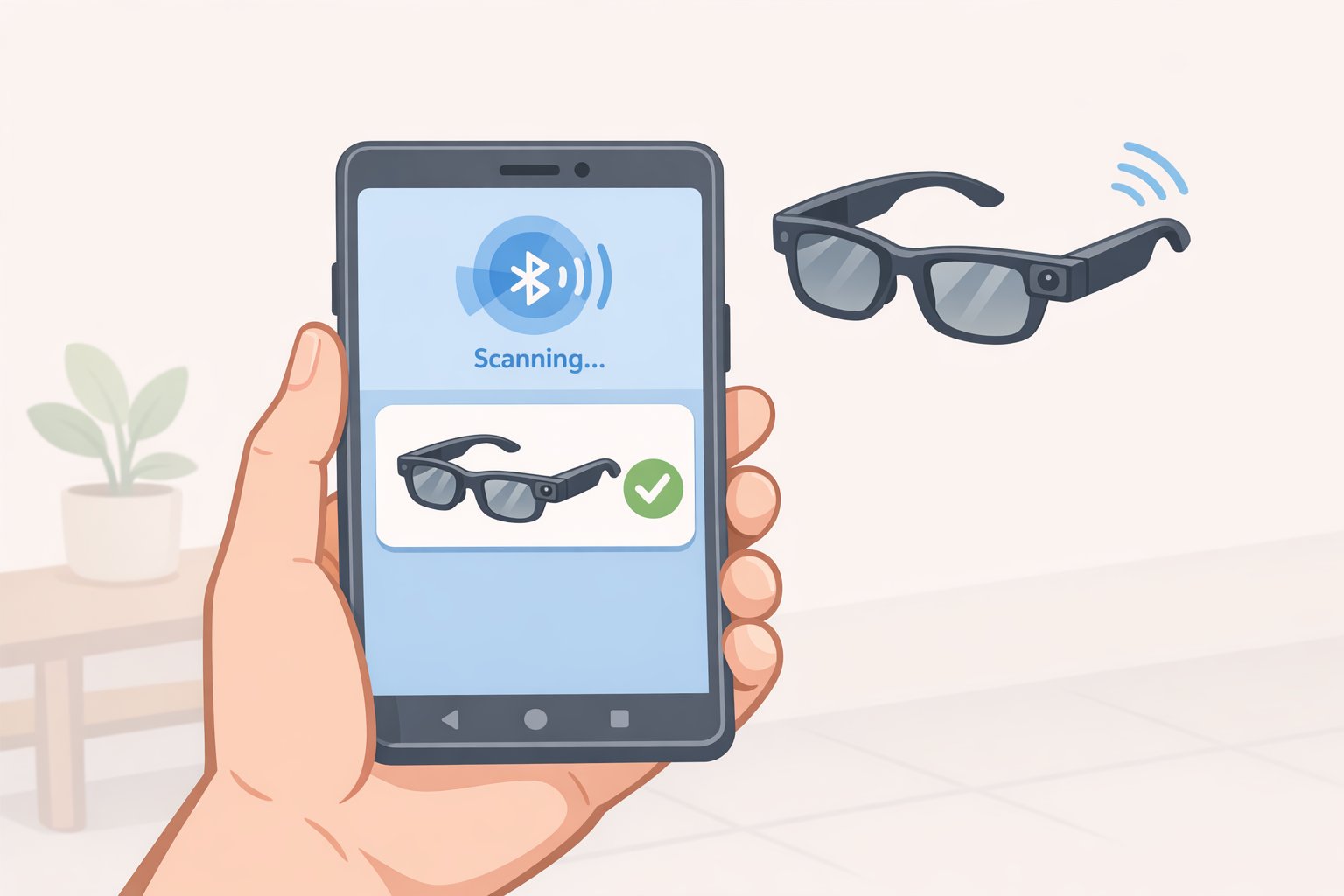
A Swiss developer named Yves Jeanrenaud released a free Android app called "Nearby Glasses" that scans for Bluetooth Low Energy signals broadcast by smart glasses from Meta, Luxottica, and Snap, then sends a push notification when it detects a match. He built it, he told 404 Media, as "a tiny part of resistance against surveillance tech," as Klavansec reported in March.
Treat it as one signal among several, not a definitive detector. The app throws false positives from Meta Quest VR headsets, which share similar Bluetooth signatures, and it's Android-only. It tells you smart glasses may be nearby. Not that recording is underway (Klavansec Substack, March 2026).
Video of the Day
Where this is already happening
The most documented misuse pattern involves women filmed in public without their knowledge. Women leaving beaches, entering shops, or simply standing outside are being approached by men wearing Meta Ray-Bans, often during casual conversations or pick-up interactions, with footage surfacing online later. BBC reported this month that affected women typically discover the videos only after they gain traction, sometimes accompanied by harassment. One woman who asked for removal was told deletion was "a paid service."
Prank content is a second pattern: retail workers tricked into smelling items sprayed with bad odors, participants in fake petitions, drive-through staff filmed during food thefts. All captured without consent using glasses that look ordinary. Pick-up artists, clout chasers, and stalkers have specifically adopted the glasses because they remove the social signal that recording is happening, PCMag noted this month.
Gyms, massage parlors, waxing appointments, doctors' offices: these are the spaces where covert recording is most likely to cross from uncomfortable into illegal. People reasonably expect not to be filmed in them, and that expectation carries legal weight in some jurisdictions. The developer of Nearby Glasses cited reports of Meta's glasses being used in exactly these settings, including massage parlors, gyms, and medical offices, as his motivation for building the app, Klavansec reported.
People inclined toward covert recording typically reach for the most convenient tool, which right now means fashionable Meta models rather than specialized spy equipment, per PCMag. Highly concealed pinhole-camera glasses exist and are sold online, but they represent a more extreme scenario. The detection steps above apply most directly to what you're likely to encounter.
What to do if you think someone is recording you
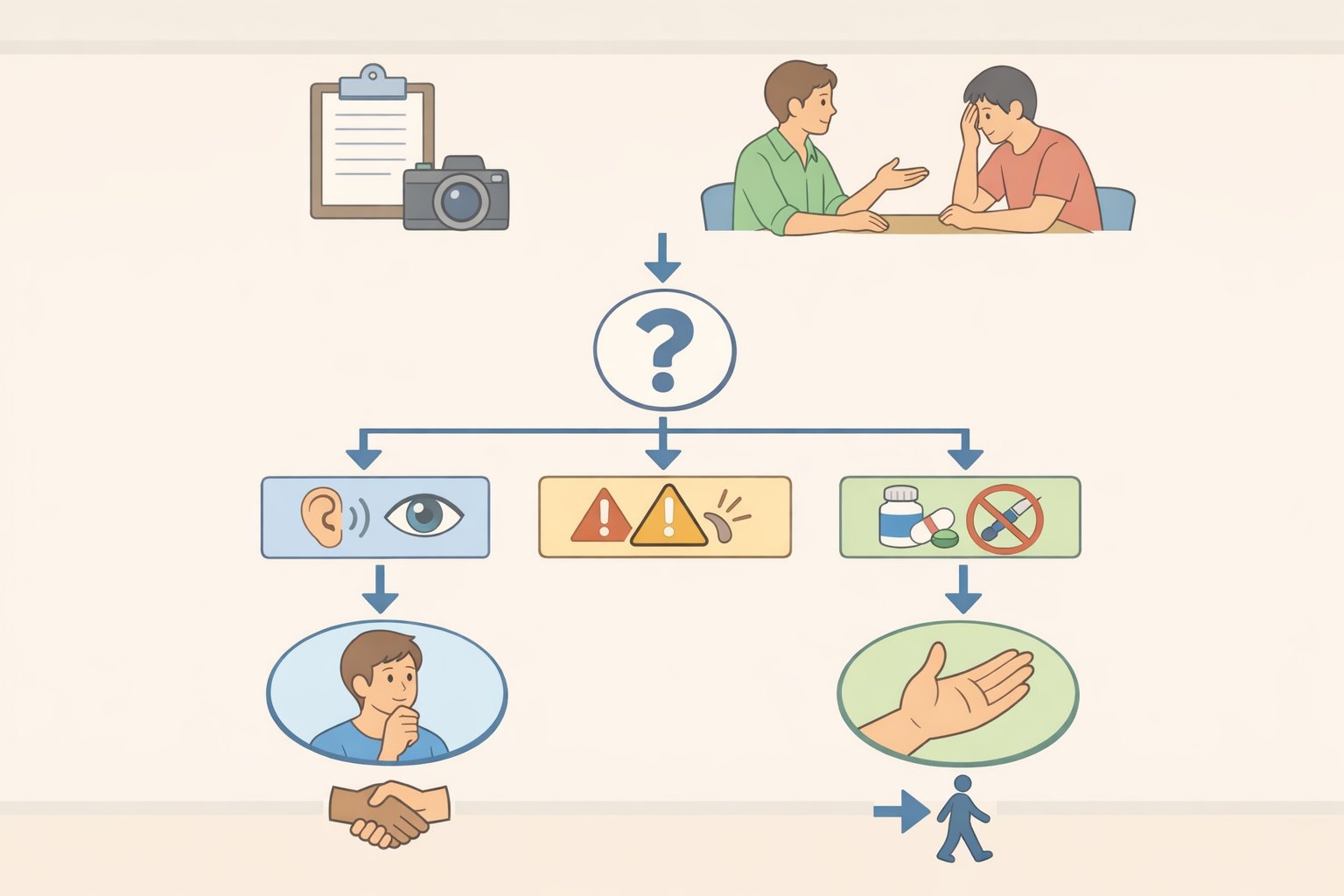
Establish context before acting. Are you in a public space (street, store, restaurant) or a private or semi-private one (medical office, changing room, massage studio)? Are you in a state with all-party consent recording laws? That context determines your legal standing and your realistic options.
Step 1: Document before you act. Note the frame style, color, visible branding, and the person's appearance, plus location and time. If it's safe and inconspicuous, photograph the scene. Do this before saying anything. Details disappear quickly, and if this goes anywhere legally, your documentation is the starting point.
Step 2: Involve venue staff if you're in a private business. Store managers, spa staff, gym employees, and security personnel have more immediate authority than you do. They can ask someone to stop recording or leave. This is usually the most effective intervention in semi-private settings and avoids direct confrontation.
Step 3: In an all-party consent state, clearly state you don't consent. Say it calmly, in front of a witness if possible. Laws vary by state. In California, for example, Penal Code Section 632 prohibits recording confidential communications without all parties' consent, with violations carrying fines up to $2,500 and up to a year in jail, per Recording Law in March. Stating non-consent on the record may support a complaint later. In public spaces in most US states, recording is broadly legal and a verbal objection carries no legal force, but it still establishes your position.
Step 4: Don't escalate physically. Last December, a man posted a video complaining that a woman broke his Meta glasses on the New York City subway after realizing he was filming her, BBC reported this month. Public sympathy went to her, not him. That instinct is understandable. It still creates legal risk for you, regardless of what the wearer was doing.
Step 5: If footage appears online, document before requesting removal. Screenshot or save the URL before filing any takedown. Removal requests, including to the original poster, sometimes result in the evidence disappearing before you have a record of it. Platform reporting tools exist for non-consensual recording and harassment; law enforcement is the right channel if recording occurred in a space with clear legal privacy protections.
Your practical options in most public settings are de-escalation, documentation, venue staff, and platform reporting after the fact. Immediate forced deletion is not generally available. Knowing that before you need it beats discovering it mid-confrontation.
The device is only part of the problem
Knowing where the camera sits and what the LED looks like puts you ahead of most people who encounter these glasses. That's a low bar, and it's intentional: the indicator light was never a serious safeguard for a device engineered to look like ordinary eyewear. Faint in daylight, defeatable with a sticker from Amazon.
Being recorded is the first problem. Where that footage travels is the second, and visual detection skills don't reach it. A class action filed earlier this year alleges that intimate footage from Meta Ray-Ban glasses was routed to human contractors in Kenya for AI model training, including recordings involving bathrooms, nudity, and financial documents, Recording Law reported in March. Meta has said the practice is disclosed in its terms of use.
What comes next makes the current situation look simpler. Meta is reportedly developing facial recognition for a future glasses update, which would allow wearers to identify strangers in real time by sight. The EFF flagged this in March, and BBC reported this month that the feature is in development. Wiretapping and surveillance statutes written before wearable cameras became consumer products may need updating to address what's already on people's faces, as Recording Law noted in March.
Until they do: learn the frame corners, check the LED position, lean on venue policies where they exist, and document everything before you ask for anything.