Instagram Child Abuse Ads in India: Inside Meta's Review Failure
Instagram ran paid advertisements in India explicitly promoting child sexual abuse material, a BBC Eye investigation published today found. Around 30 unique ads, using terms including "rape video" and "child video," cleared the platform's pre-publication moderation system, reached users as approved advertising, and linked to Telegram channels where material could be purchased for as little as 99 rupees, about one US dollar, according to the BBC. When the BBC reported one of those ads through Instagram's standard user-reporting tool, the platform responded 24 hours later that it did not violate community guidelines. Meta acted only after the BBC contacted the company for comment.
This is not a story about a post slipping through an algorithmic net. Paid advertisements are the most controlled content channel on the platform reviewed before publication, monetized directly, and targetable at specific users. That is precisely what makes the failure documented here harder to explain away.
Why the Instagram child abuse ads case is different from a standard moderation failure
Video of the Day

Unlike organic posts, which can reach users before any review occurs, Instagram ads pass through a deliberate pre-clearance gate. The BBC found that gate approved ads using explicit phrases such as "rape video" and "child video," content that both Indian law and Meta's own advertising policies expressly prohibit. Some ads ran across multiple accounts. Each directed users to Telegram channels selling the material for roughly one dollar.
The failure did not stop at pre-clearance. After the BBC flagged one ad through Instagram's reporting tool, the platform replied 24 hours later that, following a review, the ad did not violate its community standards. Meta removed ads and suspended accounts only after a press inquiry arrived, the BBC reported.
The same approval pipeline also served the BBC's test account around 20 ads featuring adult pornography, itself a criminal offence in India and a breach of Meta's own policies. The CSAM-related ads were not isolated anomalies inside an otherwise functioning system. They appeared alongside a broader pattern of prohibited content clearing the same channel.
The contrast with Meta's conduct in a related area is worth examining. In June 2025, the company filed litigation against a nudify app operator, blocked search terms including "undress" and "delete clothing" from Instagram results, ran investigations into four separate advertiser networks attempting to evade review, and shared intelligence with other platforms through the Tech Coalition's Lantern program. That response was proactive. The ads the BBC documented used explicit phrases that appear in the terms the platform blocked elsewhere. The gap between those two outcomes is what this investigation puts on record.
Video of the Day
India: Meta's biggest market, and where its BBC investigation into Instagram ads raises the hardest questions
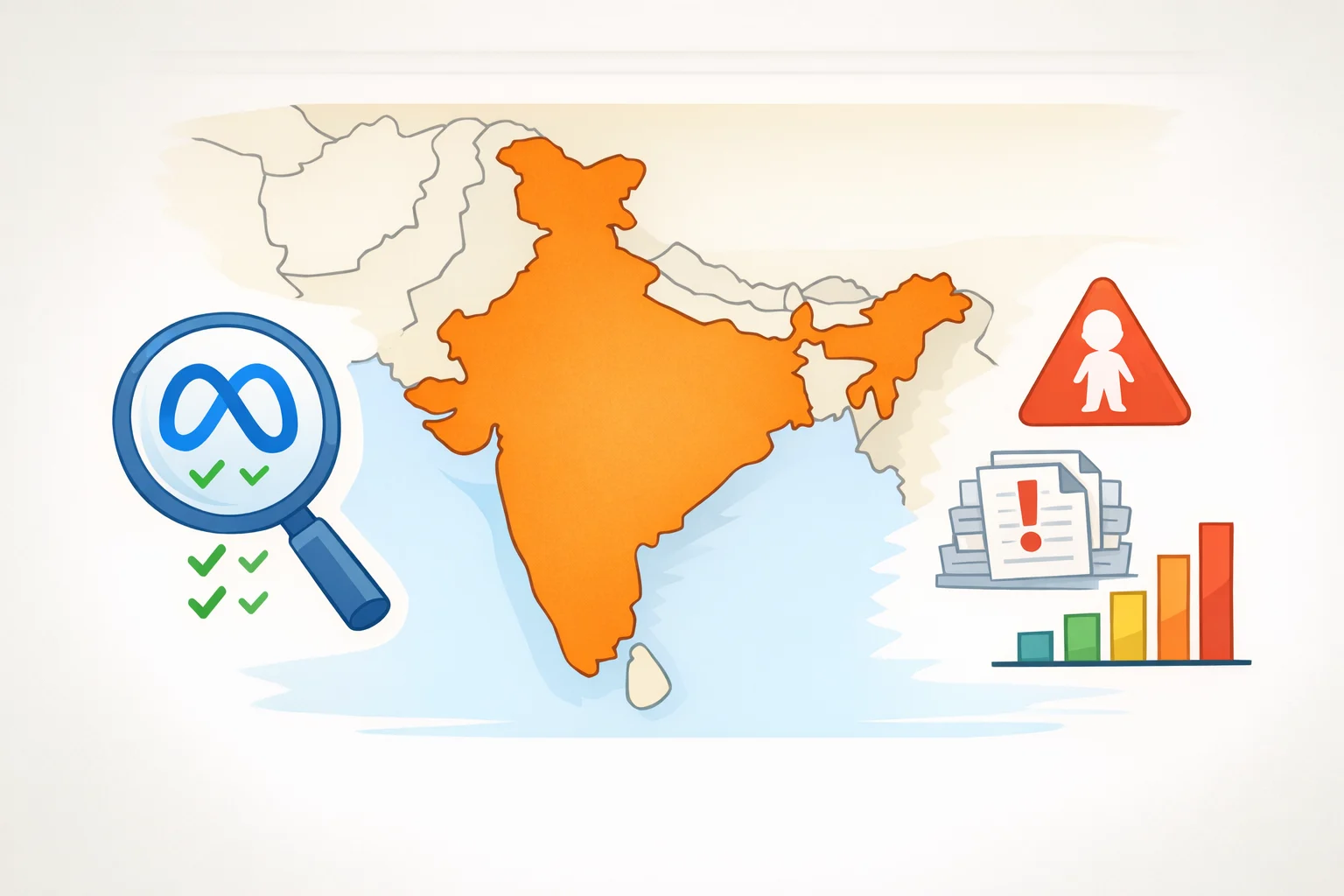
India is Meta's single largest market by user count, with more Facebook, Instagram, and WhatsApp accounts than any other country. In 2025, it also generated 1.9 million reports of child sexual abuse material, second only to the United States. India's National Human Rights Commission had already flagged a reported 250-300% increase in CSAM on social media before this investigation was published. The platform with the largest Indian user base is operating inside the country's most serious CSAM volume problem.
Meta is simultaneously pulling back human oversight across that market. The company has already shifted roughly half of its human content review workload to large language models this year, and that figure could cross 90% for some content types by the end of 2026, Medianama reported two days ago, citing the Financial Times. Meta spent approximately $5 billion on content moderation in 2025; automating that work frees capital for other priorities.
The linguistic environment makes this harder, not easier. Research cited in a Cambridge Forum on AI paper on Meta's moderation in the Global South found that multilingual models perform substantially worse in lower-resource languages, a gap that widens in mixed-language text, which is common in India. The BBC report does not prove that AI moderation approved these specific ads. What the evidence does establish is that Meta is expanding automated review in its highest-risk, most linguistically complex market at the same time abuse reports are near-record levels.
India's legal framework is demanding on paper. The Protection of Children from Sexual Offences Act and Section 67B of the Information Technology Act criminalise the production, distribution, and possession of such material; the Supreme Court in Just Rights for Children Alliance v S. Harish (2024) went further, clarifying that even viewing such material constitutes a punishable offence. Strict law and inadequate platform enforcement is the combination that allowed these ads to run.
What Meta has not explained
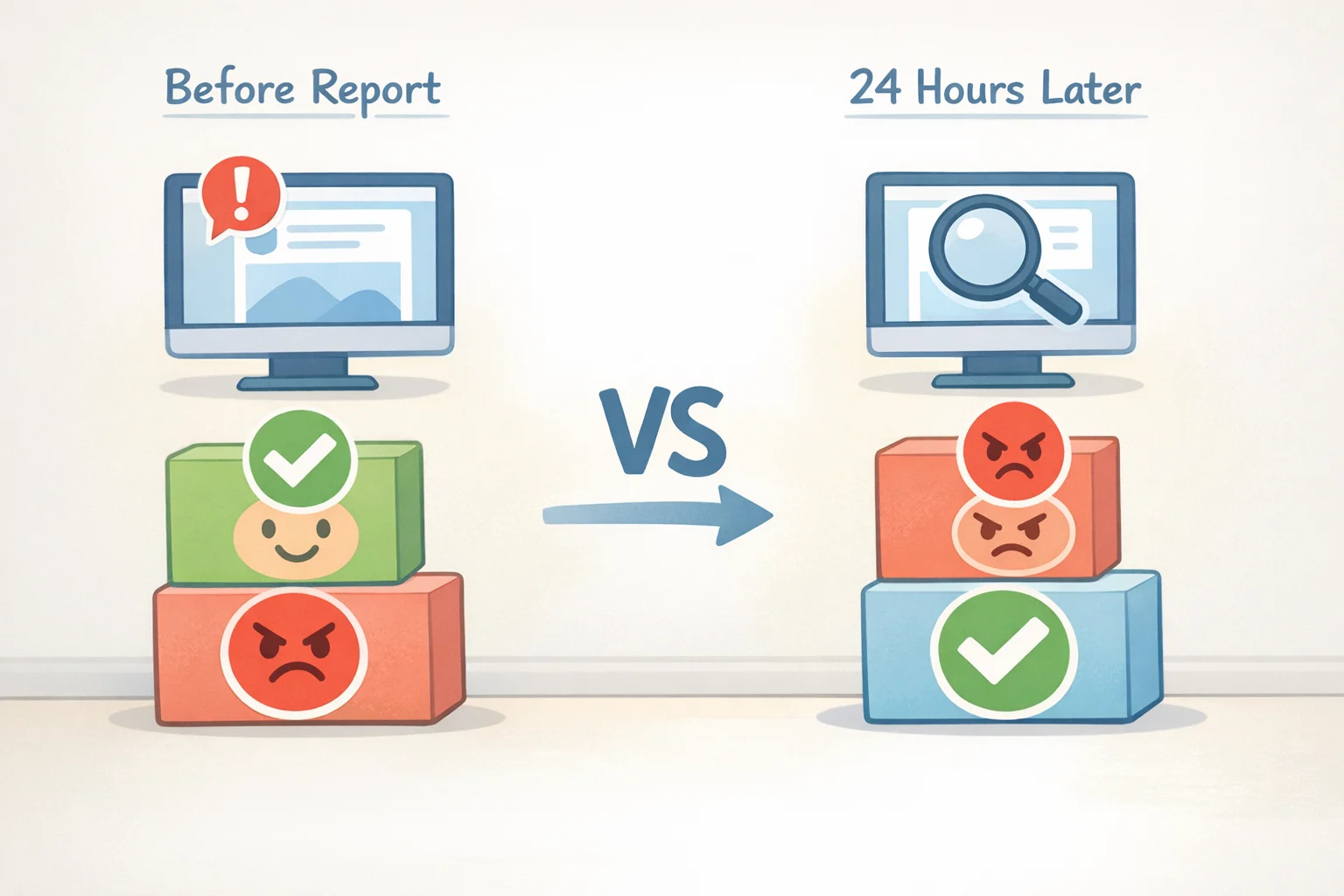
Meta told the BBC that "no system is perfect, and our review process may not detect all policy violations," and denied that revenue influenced its moderation decisions. Advertising accounts for nearly 98% of Meta's $200 billion annual revenue, with analysts estimating ads represent more than 90% of Instagram's revenue specifically. The company's statement does not address what kind of review, automated, human, or mixed, cleared the ads the BBC documented, or why a subsequent review upheld one of them after it was reported.
Meta also said it had disabled ads, suspended accounts, and blocked additional URLs after the BBC's inquiry. Whether those accounts were reported to the NCMEC CyberTipline, as US-based platforms are legally required to do, has not been publicly confirmed. That is an open compliance question.
Earlier this year, a New Mexico court ordered Meta to pay $375 million after finding the company had misled users about platform safety for children. That judgment is relevant context: "no system is perfect" was not, there, treated as a complete answer to documented failures. Three questions now define what accountability looks like for this specific case: What type of review cleared these ads before publication? What process upheld one after it was reported through the standard channel? And did Meta meet its mandatory CyberTipline reporting obligations for the accounts it subsequently suspended?
Where this leaves the scrutiny on Meta child abuse ads
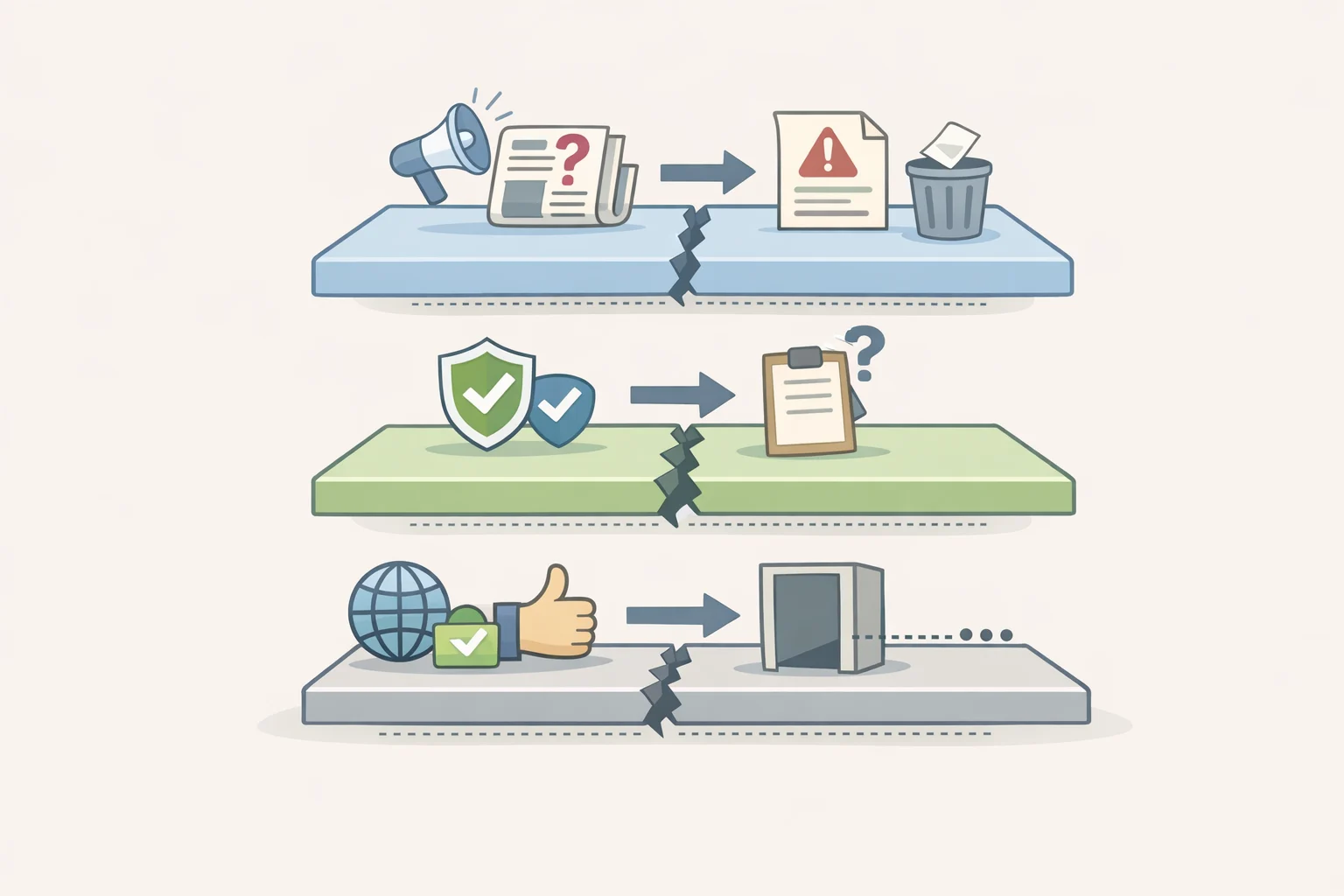
The finding is narrow and documented. Instagram's paid advertising system, reviewed before publication and subject to post-report challenge, approved ads promoting child sexual abuse material in India, served them to users, and then cleared one when challenged through official channels. Meta removed the content only after a press inquiry, the BBC reported.
That failure is happening as Meta shifts moderation in its largest market toward AI systems that perform worse in linguistically complex environments, and as India records near-record CSAM report volumes. Meta has already shown, in its response to nudify apps, that it can apply proactive term-blocking, network investigation, and cross-platform intelligence-sharing to ad abuse problems. Whether Indian regulators, child safety organizations, or legislators in India or elsewhere now press Meta to extend the same apparatus here is the question this investigation opens. Meta's own stated enforcement practices suggest the tools exist. What the BBC found suggests they were not used.