Discord AI Moderation Bug Bans Users Over Harmless Images
A bug in Discord's AI moderation system wrongly banned more than 8,000 accounts since May not because users broke any rules, but because a similarity-matching algorithm flagged harmless images like spreadsheets, chessboards, and game textures as potentially harmful content. Discord wrongful bans of this type were an anticipated risk, built into the system's design. What wasn't supposed to happen is what makes the incident notable: the safety mechanism built to catch and correct those mistakes failed too, according to The Verge yesterday.
Discord's pipeline was designed to route flagged content to a human Trust and Safety reviewer before any enforcement action. The bug skipped that pause and issued full bans immediately. Then, when staff reviewed and cleared affected accounts, the same bug prevented the bans from being lifted. Cleared users stayed locked out anyway, The Verge reported yesterday.
Discord CTO Stanislav Vishnevskiy said yesterday that all affected accounts have now been unbanned. The Discord Trust and Safety bug had been affecting accounts since May, with roughly 200 additional users banned over the weekend before Discord identified and fixed it, TechCrunch reported yesterday.
How the Discord safety system bug turned false positives into full bans
Video of the Day
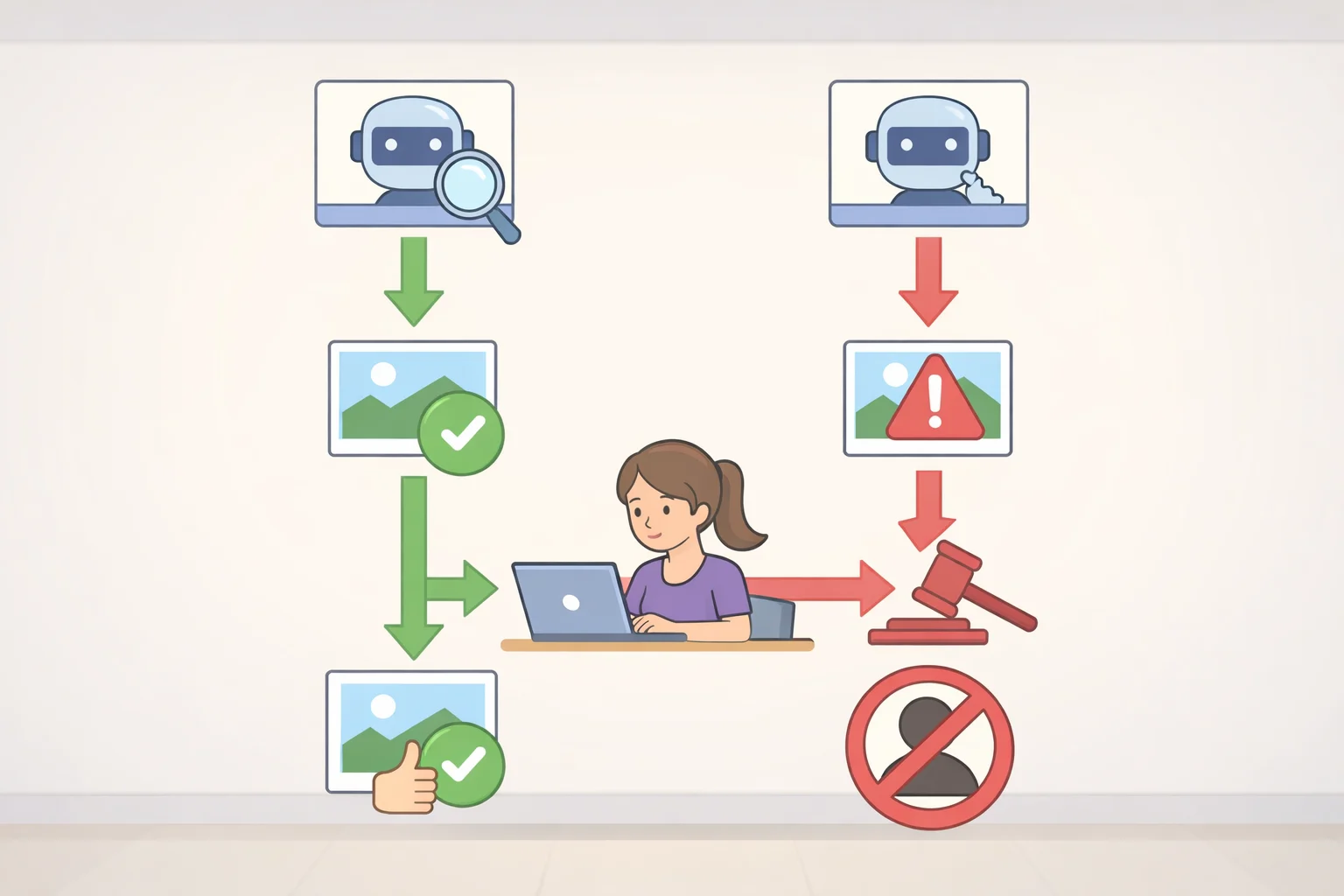
Discord's safety pipeline scans uploaded images by comparing them against a database of known harmful content using visual similarity matching the same general approach platforms use to detect illegal material like child sexual abuse imagery. The system was never designed to be error-free. Per Discord's own explanation, it was built to route potential false positives to a Trust and Safety reviewer before any action was taken, with the intended enforcement during review being a temporary restriction on uploading, not a ban (TechCrunch, PetaPixel yesterday).
The bug produced a two-stage failure. First, instead of pausing upload access pending review, the system escalated immediately to a full account ban, meaning users were penalized before any human had seen their content. Second, and more significantly, when Trust and Safety staff reviewed those accounts and cleared them, the same underlying defect prevented the system from lifting the bans. "When our staff reviewed and cleared those accounts, the same bug prevented the ban from being lifted automatically, so it just stayed in place," Discord said yesterday.
By Discord's account, the human review step ran as designed and reached the correct conclusion. The bans simply didn't lift. Discord has not disclosed the technical root cause what in the codebase caused the enforcement logic to misfire and the reversal step to stall.
Discord said it is "working on better safeguards so this can't happen again" (TechCrunch yesterday). It has not specified what those safeguards are or when they will be in place.
Video of the Day
What 8,200 Discord false positive bans actually cost users
The scale breaks down as follows: roughly 8,000 accounts banned for various benign images since May, plus around 200 additional users banned over the weekend before the fix. Vishnevskiy made clear the weekend group is in addition to, not part of, the larger figure (The Verge, PetaPixel yesterday).
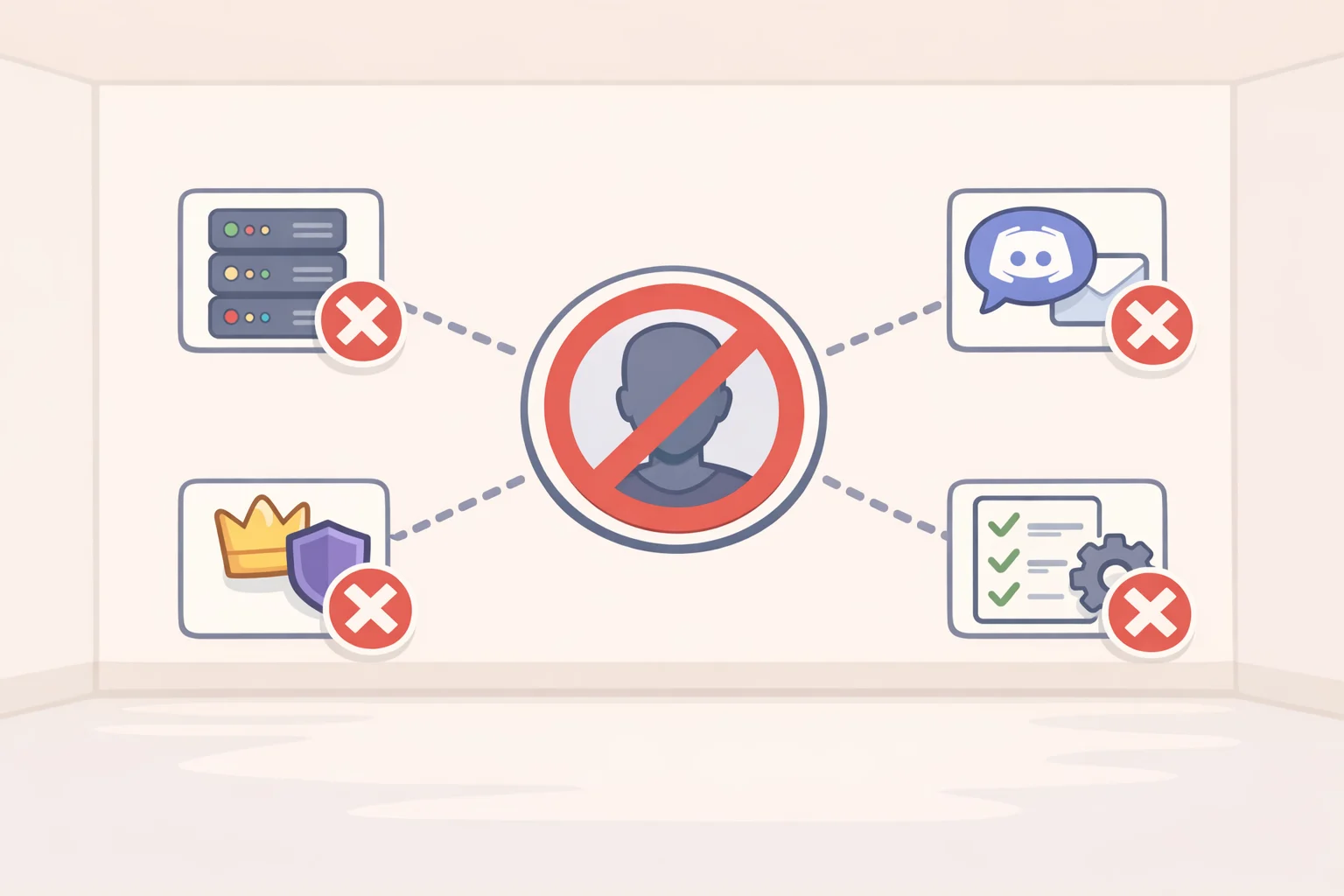
A Discord account ban cuts off access to every server a user belongs to, every direct message thread, every community role and permission they hold. For users who run servers or moderate communities, that disruption compounds quickly. Users on X and Reddit described permanent suspensions with no clear cause and no visible path to contest them while the bug was active, TechCrunch reported yesterday.
Several important facts remain unknown: how long individual users were locked out before reinstatement, and whether any effective appeal channel existed during the bug period. Discord has not said whether the issue extended beyond standard chat uploads to other account assets. Vishnevskiy stated that "everyone affected has now been unbanned," though earlier reports yesterday described reinstatement as still in progress likely a function of publication timing rather than a factual conflict between outlets.
Why Discord's incident fits a documented pattern
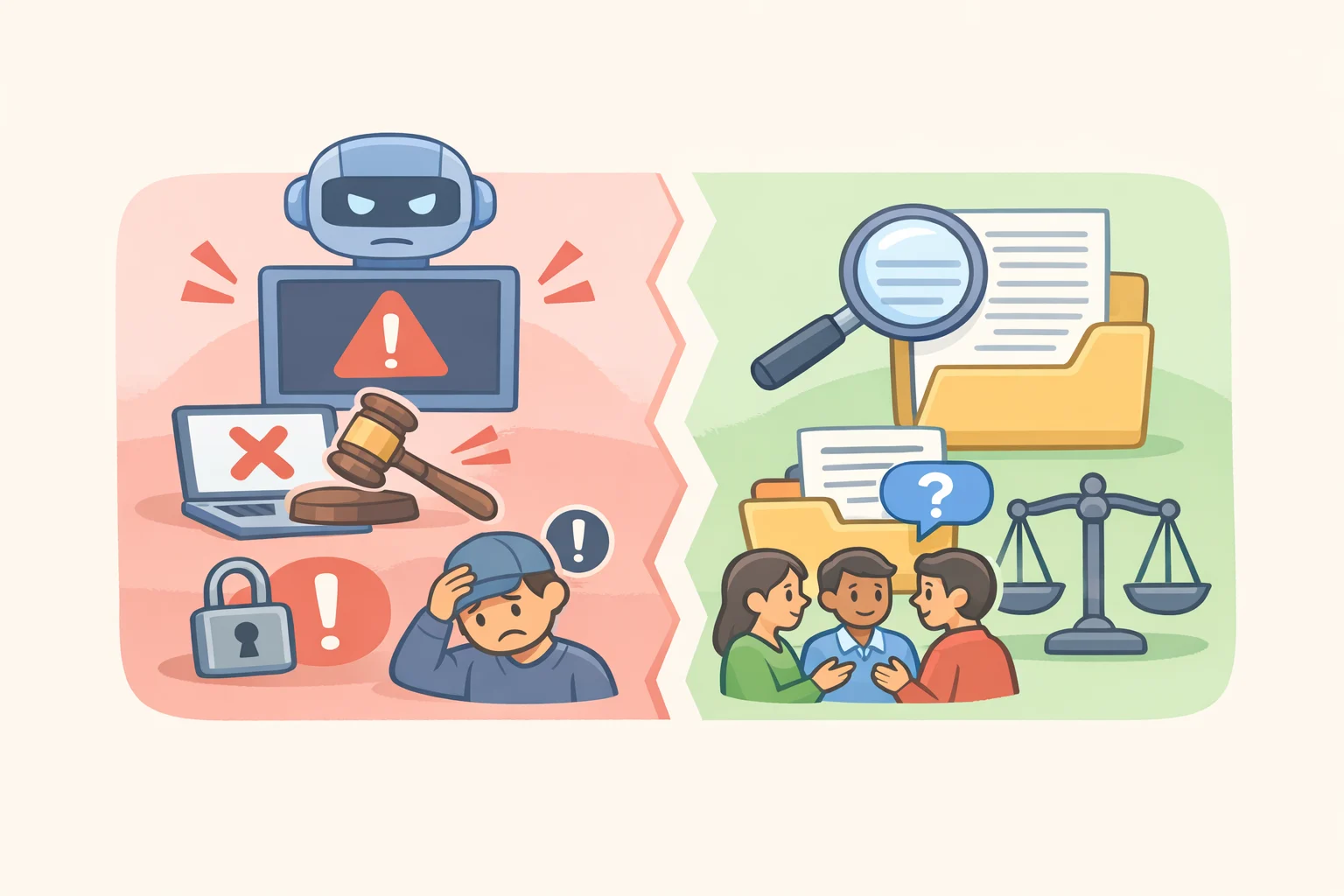
Automated content moderation is now a permanent feature of how major platforms enforce their rules. The Electronic Frontier Foundation, publishing yesterday, describes AI-driven content moderation as "the new norm a permanent feature of how platforms govern speech online," entrenched well before most users or regulators understood how it worked (EFF yesterday). Discord's incident is a clean example of what happens inside that norm when the enforcement workflow breaks down.
The EFF notes that automated moderation does carry real benefits, particularly in reducing human moderators' exposure to traumatic material, which is a genuine occupational harm at scale. But whether those benefits outweigh the costs, the EFF argues, depends entirely on how systems are designed, trained, implemented, and audited (EFF yesterday). Discord built a system with a human check. A workflow bug made that check irrelevant.
A 2025 joint declaration from representatives of the UN, OSCE, OAS, and ACHPR warned that AI-driven moderation can produce "over-removal, discrimination and censorship" when systems lack adequate accountability structures, as cited by the EFF yesterday. The EFF adds that transparency, accountability, and due process safeguards remain unrealized across the industry even as automated enforcement becomes more central to platform governance. Discord's case lands squarely in that gap.
The unanswered questions now are specific: Discord hasn't explained the technical root cause, hasn't detailed what new safeguards it plans to add, and hasn't clarified how affected users were identified and notified, or what recourse would exist if a similar failure recurs. Those gaps are precisely what the EFF's framework of transparency and accountability asks platforms to close.
What comes next
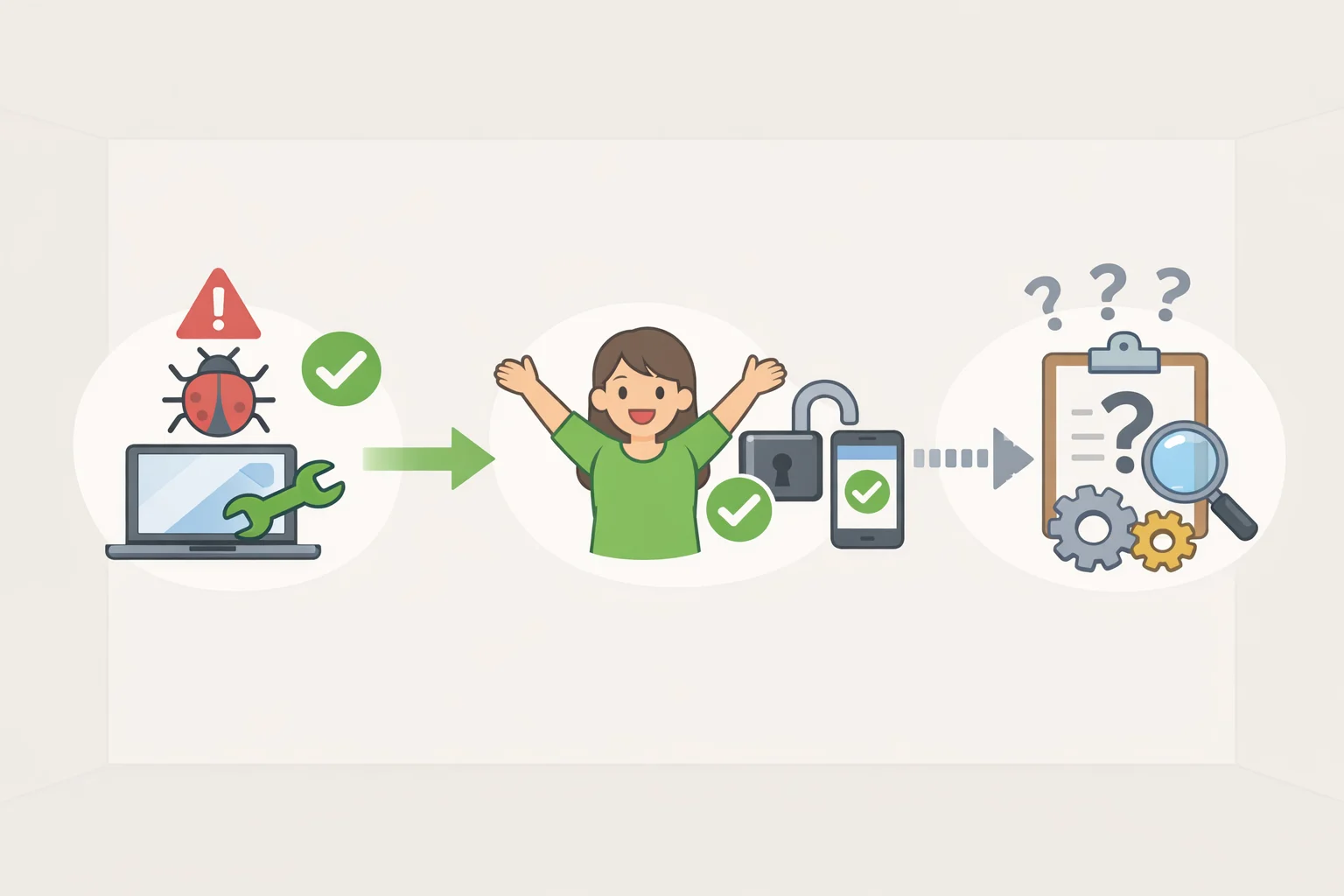
Discord identified the bug, patched it, and restored affected accounts. That resolves the immediate situation. It doesn't answer what failed at the code level, why it persisted since May before being caught, or whether the reinstatement process was complete and verifiable (TechCrunch, The Verge yesterday).
The core lesson isn't that Discord's harmless images ban was a false positive problem. Every platform running similarity-matching systems accepts false positives as a known cost of operation. The lesson is that a human review step that exists on paper is not the same as one that produces results. The enforcement and reversal logic surrounding AI detection is where accountability actually sits, and that's where Discord's system broke (The Verge, EFF yesterday).
Discord has promised better safeguards. What that means in practice whether it includes an auditable review trail, a published incident report, or a reversal mechanism independent enough to survive a flagging-side bug remains to be seen.