How to Find Back-to-School Tech Deals When Prices Keep Rising
This guide walks through exactly how to buy a school laptop or tablet before fall without getting burned by inflated sticker prices, fake discounts, or a device that misses the school's requirements. By the end, you'll have a clear purchase sequence, a shortlist of where to actually look, and a framework for deciding whether to buy now or wait.
Planned spending on school tech is down 16% this season, even as the devices themselves cost more, according to a Deloitte survey published this month. The average budget per child holds flat at $557 while inflation runs at roughly 4%, meaning families are absorbing higher prices without raising their ceilings. Finding back-to-school tech deals that are real, not promotional, requires knowing how the market has shifted and which moves actually work against it.
The short version: Apple raised Mac and iPad prices mid-season in response to rising memory chip costs, and the ripple effect changes how you should read any "sale" figure at any major retailer. This guide covers computers and tablets only. Phones appear as context for the supply story, not as purchasing guidance.
What you need before you start shopping
Video of the Day
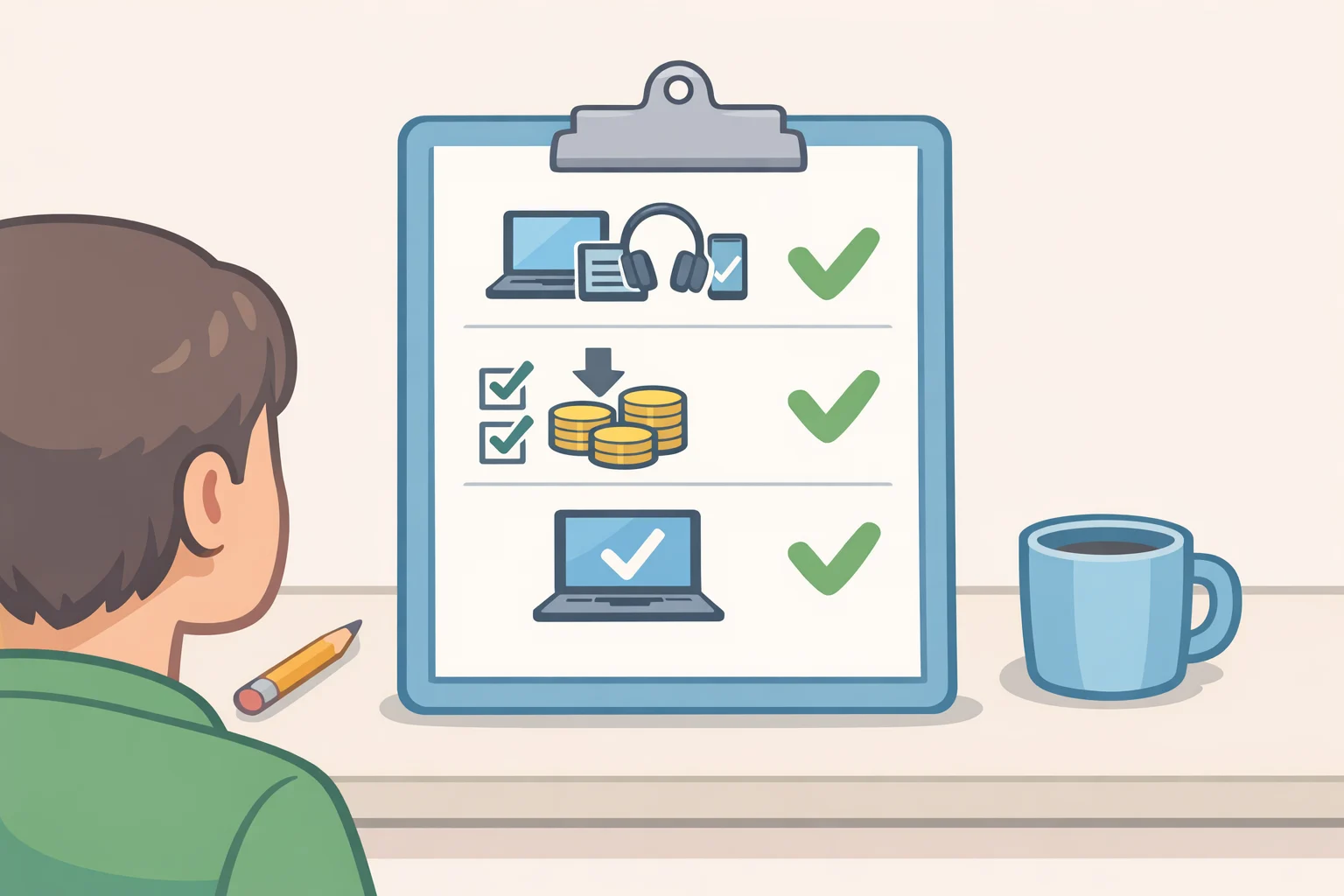
Pull these three things together before opening a browser tab:
-
The school's published tech requirements. OS version, minimum RAM, required software compatibility. The share of parents choosing a retailer because it stocks the full school list rose from 29% to 35% this season, per JLL's back-to-school report from late June. That jump reflects a lesson learned the hard way: a device that fails a platform requirement wastes money regardless of the sale price. Get the list first.
-
A hard budget ceiling. Name a number before you see any prices. More than 43% of inflation-concerned parents plan to buy only what's strictly required, and another 21% plan to trade down to less expensive configurations, JLL found. That discipline isn't frugality for its own sake; it's protection against the extended browsing session that expands the purchase scope rather than reduces the cost.
-
A specific model matched to actual use. Here's a practical breakdown by school stage:
- K-8 and standard high school use (documents, web, video): A mid-range Chromebook from Lenovo, HP, or Acer. Budget $200-$350. Chromebooks run lighter memory configurations and have not seen the price movement hitting premium devices. If the school permits it, this is the right default.
- General college productivity (research, writing, light coding, presentations): A base Windows laptop or entry MacBook with 16GB RAM and 256-512GB storage. This is the tier where Apple's pricing shift bites hardest, and where finding older inventory delivers the most savings.
- Specialized work (video editing, CAD, engineering): Buy to the required configuration, but compare the previous generation against the current one. The performance gap is often smaller than the price gap between product cycles.
Video of the Day
Why prices look different than they did two months ago
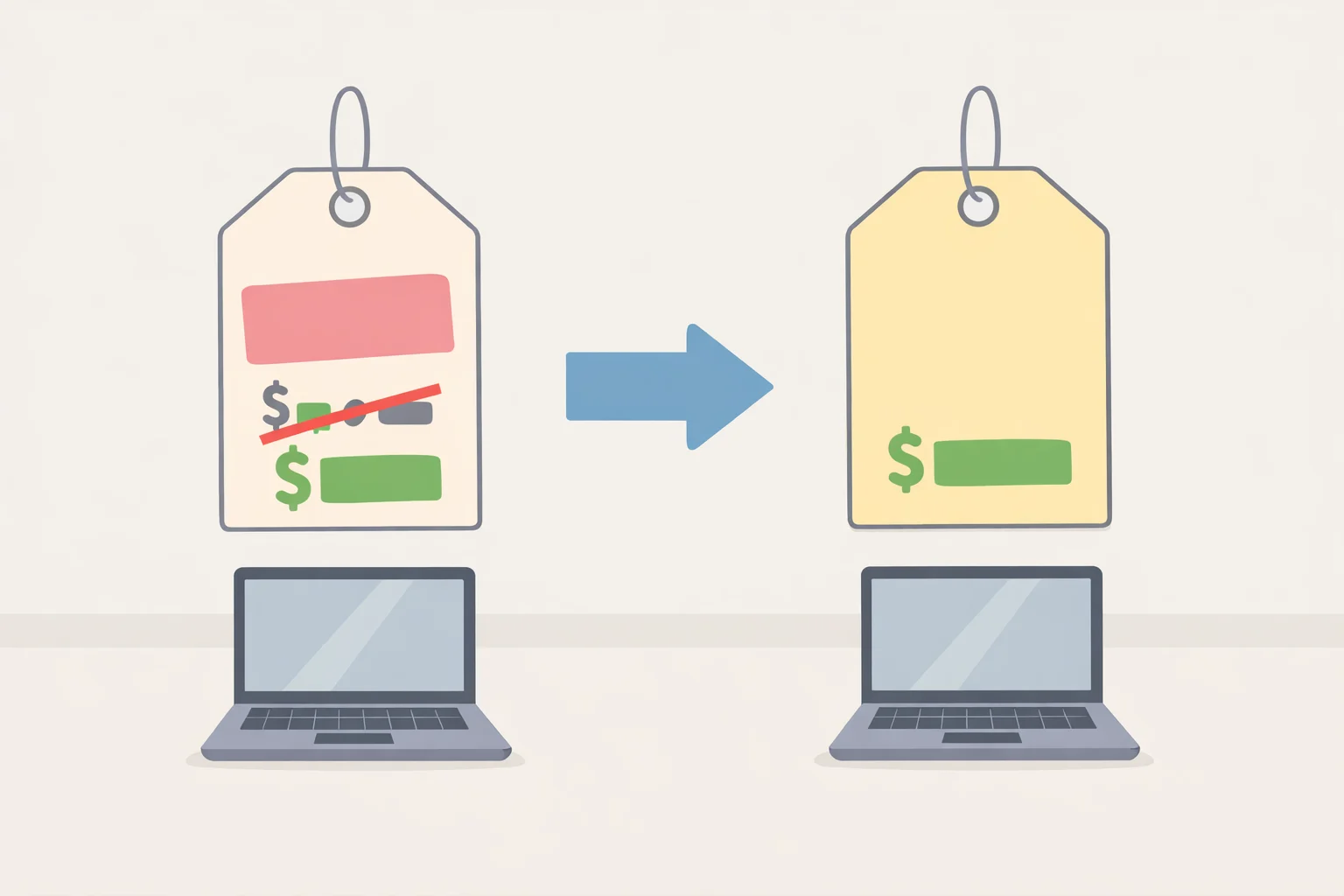
Apple raised the prices on Macs and iPads in response to rising memory chip costs, doing so mid-season while Amazon Prime Day was running, The Verge reported in late June. The concrete effect: the 13-inch MacBook Air M5, which previously started at $1,099, now carries a base MSRP of $1,299. The MacBook Neo's base price moved from roughly $600 to $699.
That shift rewrites what any crossed-out figure at a third-party retailer actually means. A "discount" measured against the old MSRP isn't a discount at all if that baseline price no longer exists. This is the sticker price problem, and it runs through the whole market, not just Apple's lineup.
Memory chip shortages are projected to weigh on consumer device pricing in 2026, with global smartphone shipments potentially contracting by as much as 5% as costs pressure manufacturers, according to Deloitte's hardware outlook published earlier this year. Apple's hikes are the most visible example, but the underlying supply dynamics run broader.
How to find back-to-school tech deals that are actually real
Step 1: Verify the discount against the manufacturer's current price
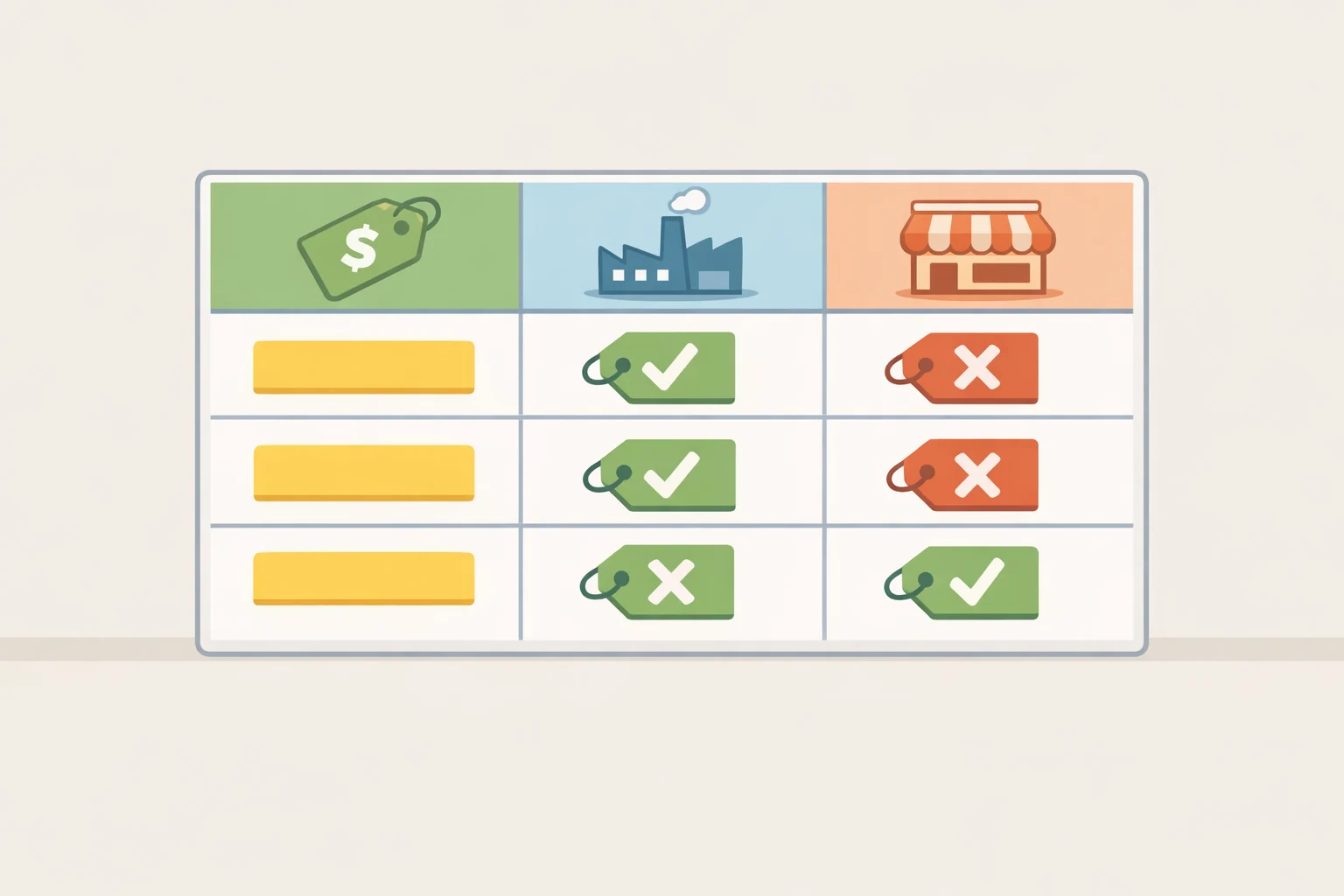
Before trusting any sale figure, go to the manufacturer's website and look up the current listed price for the exact model and configuration you're considering. This takes two minutes.
Here's what that check reveals in practice. When Apple updated its pricing in late June, retailers still holding pre-hike inventory were showing discounts of $110 to $450 depending on the model, but only when compared to the new MSRP, not the old one, The Verge reported. Specifically: the 13-inch MacBook Air M5 with 16GB and 512GB storage was listed at $949 at Amazon, Best Buy, and Costco, against Apple's new MSRP of $1,299, a real $350 gap. The MacBook Neo's base 256GB model was at $589.99 at Amazon and Costco against a new MSRP of $699, a genuine $110 savings.
A retailer showing a crossed-out price of $1,099 on that same Air would be measuring against an MSRP that no longer exists. That's not a deal. Apply this check to every model you're considering, not just Apple hardware.
Step 2: Check Amazon, Best Buy, and Costco before the manufacturer's store
When a manufacturer raises prices, authorized retailers often continue selling prior-cost inventory for several weeks while their existing stock lasts. That's exactly what happened in late June: Best Buy, Amazon, and Costco each held pre-hike pricing on multiple Apple models after Apple had already updated its own store, according to The Verge's reporting.
The window closes as stock sells through. July is the peak shopping month, accounting for more than a quarter of planned purchase starts, and only 36% of parents had begun shopping before June this year, down nine points from last year, per JLL. Shopping now, before August inventory thins, is the timing play. August shopping is salvage.
Step 3: Treat certified refurbished as an immediate option, not a consolation prize
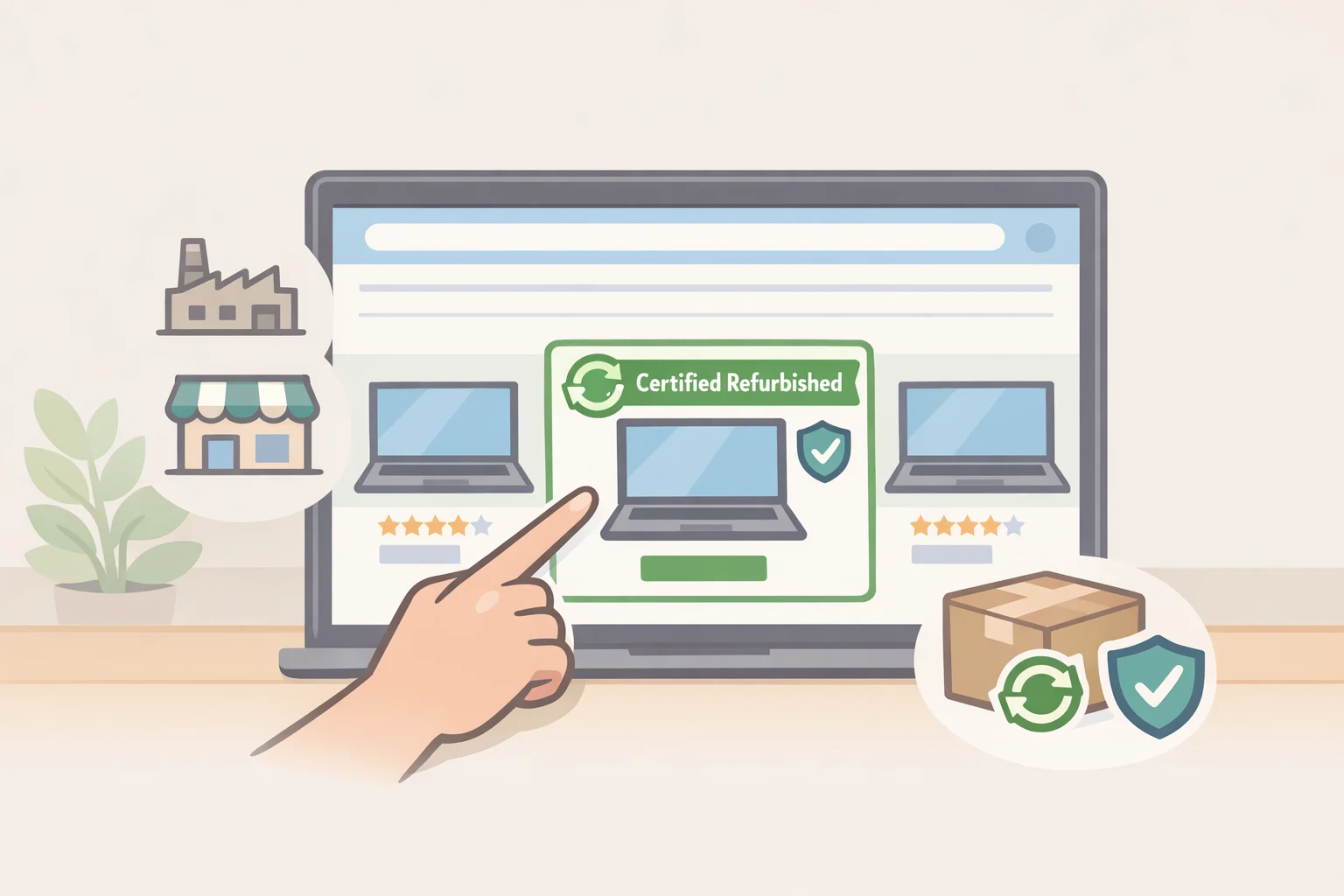
If retail prices exceed your budget ceiling, go straight to manufacturer-certified refurbished programs. Not as a fallback after trying everything else. Right now.
Apple Certified Refurbished, Dell Outlet, and Best Buy Open-Box Certified all carry warranty coverage with discounts that typically run 15-30% below current retail. Roughly 14% of parents plan to buy secondhand this season, a share that has climbed for four consecutive years, JLL found.
Previous-generation models follow the same logic. An M4 MacBook available today is not meaningfully worse for most student use cases than an M5 at the new MSRP. The spec that matters is whether it clears the school's minimum requirements, not which product cycle it belongs to.
Step 4: If the purchase isn't urgent, waiting is a real option
This is different from buying refurbished. Deferring means not buying yet.
Planned tech spending is already down 16% this season as families postpone upgrades rather than replace working devices, Deloitte's survey shows. Memory chip constraints are a known pressure on pricing; they won't last indefinitely. A device that currently meets the school's requirements is a valid reason to hold. A device that doesn't meet requirements is not.
The buying sequence, compressed
If you need a device before school starts: Pull the school's requirements. Set a budget ceiling. Identify the specific model that clears those requirements. Look up its current MSRP on the manufacturer's site. Then check Amazon, Best Buy, and Costco against that number, not against any crossed-out figure. If in-stock inventory comes in meaningfully below the current MSRP, buy now. If retail prices exceed your ceiling, go directly to the certified refurbished store or compare previous-generation equivalents before expanding your budget.
If the purchase can wait: Wait. Holding a working device through one more school year costs nothing.
One last point on the value-seeking question. About 31% of parents now qualify as hyper-value seekers, using four or more cost-saving strategies simultaneously, and they end up spending roughly $610 per child, about 14% more than other shoppers, Deloitte found. The lesson there isn't that systematic shoppers spend less on every line item. It's that they get more for what they spend. Knowing what a real discount actually means, in a market where the price floor has moved, is what separates those two outcomes.