Retroid Pocket Nova Specs: 9 OLED Handheld Explained
Retroid has revealed the complete Retroid Pocket Nova specs, announcing a 4:3 vertical Android handheld built around a QCS8550 chip (Qualcomm's embedded Snapdragon 8 Gen 2 variant), a 4.5-inch 1,280 x 960 OLED panel running at 120Hz, and active cooling, starting at $229. That combination, in that form factor, at that price, didn't exist a year ago, according to Android Authority.
One caveat upfront: the Nova is currently a pre-order. Specs come from Retroid's own Discord announcement. Real-world thermal behavior, screen brightness, and sustained gaming performance under load remain untested by independent reviewers. That distinction runs through everything that follows.
Retroid Pocket Nova specs and price: what's confirmed
Video of the Day
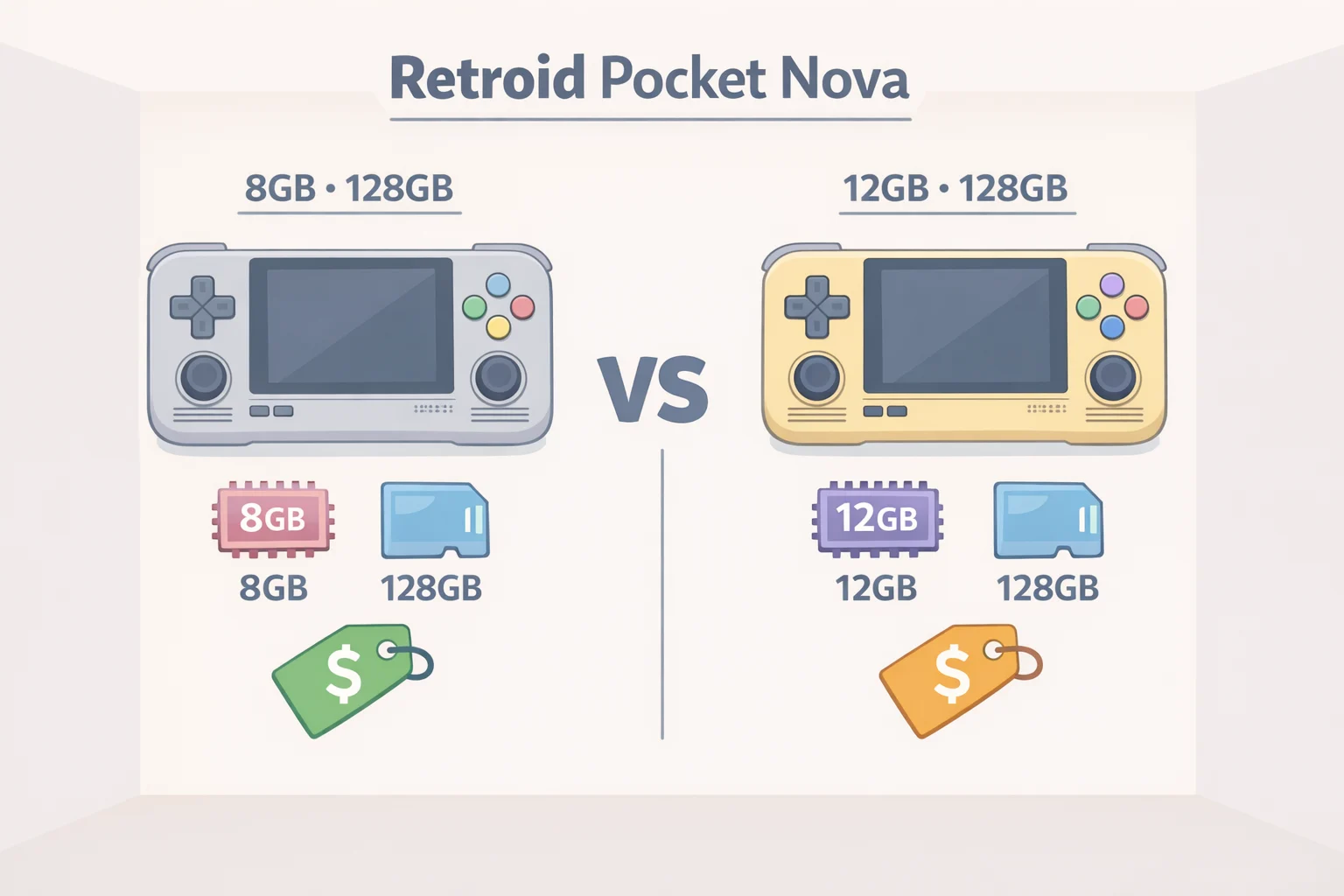
The full spec sheet includes a 5,000mAh battery with 27W charging, 8GB or 12GB of RAM, 128GB of expandable storage, USB-C DisplayPort output, a microSD slot, a 3.5mm headphone jack, and Android 13 from first boot, per Android Authority. At 255 grams, it's lighter than both the AYANEO Pocket S Mini and the ANBERNIC RG 477M.
Pricing splits into two tiers: $229 for the 8GB/128GB model in standard colors, $269 for 12GB/128GB with transparent shell options. Pre-orders include a free back shell and screen protector. Retroid's marketing leans on the sub-$250 threshold, but only the base config clears it the 12GB upgrade is $40 more, per Android Authority.
The $229 starting price comes in slightly below the $244 Retroid Pocket 6, which carries the same Snapdragon 8 Gen 2 silicon in a horizontal 5.5-inch form factor with a 6,000mAh battery and 120Hz OLED.
Video of the Day
What the Retroid Pocket Nova OLED display and specs mean in practice
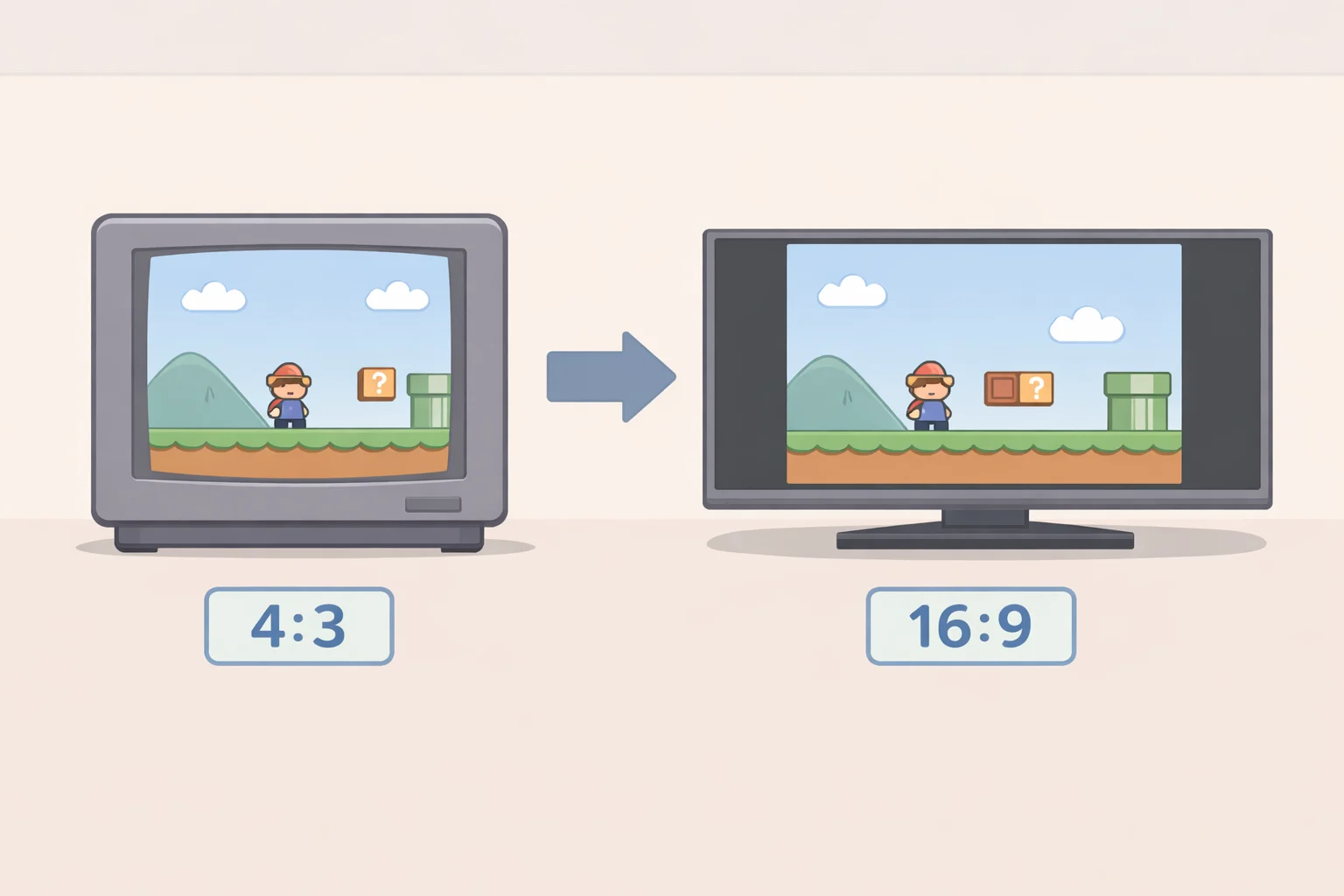
The 4:3 panel is doing real work. Most retro systems from the NES through the PS2 era output natively in 4:3, so a display built around that ratio eliminates the black bars or stretching that compromise 16:9 screens. It's a practical engineering choice for the target library, not a stylistic one.
DisplayPort output over USB-C is worth flagging separately. It turns the Nova into a usable TV dock for short sessions, something the Pocket Classic doesn't support.
Thermal management is the unresolved question. The Pocket 5, running the older Snapdragon 865, required fan mode adjustments to prevent throttling during extended PS2 and GameCube sessions, according to RetroHandhelds. The Nova combines a more powerful chip with a smaller vertical chassis a more acute engineering challenge. No independent data exists yet on how Retroid has addressed it.
What Retroid's recent devices suggest about likely performance
The Pocket Classic a GBA-shaped device with a 3.92-inch AMOLED and Snapdragon G1 Gen 2, priced at $219 is the most useful reference point. Held Games called it "the most surprising handheld of the first half of 2026" about six weeks ago, noting that for systems the vertical form factor was built around (Game Boy through PS1 and PSP), performance is effortless: shaders, overlays, fast-forward, and sleep mode all run without strain. PS2 is genuinely playable via AetherSX2 and NetherSX2 at native resolution for most titles, though demanding games need to stay at 1x internal resolution for stable frame rates.
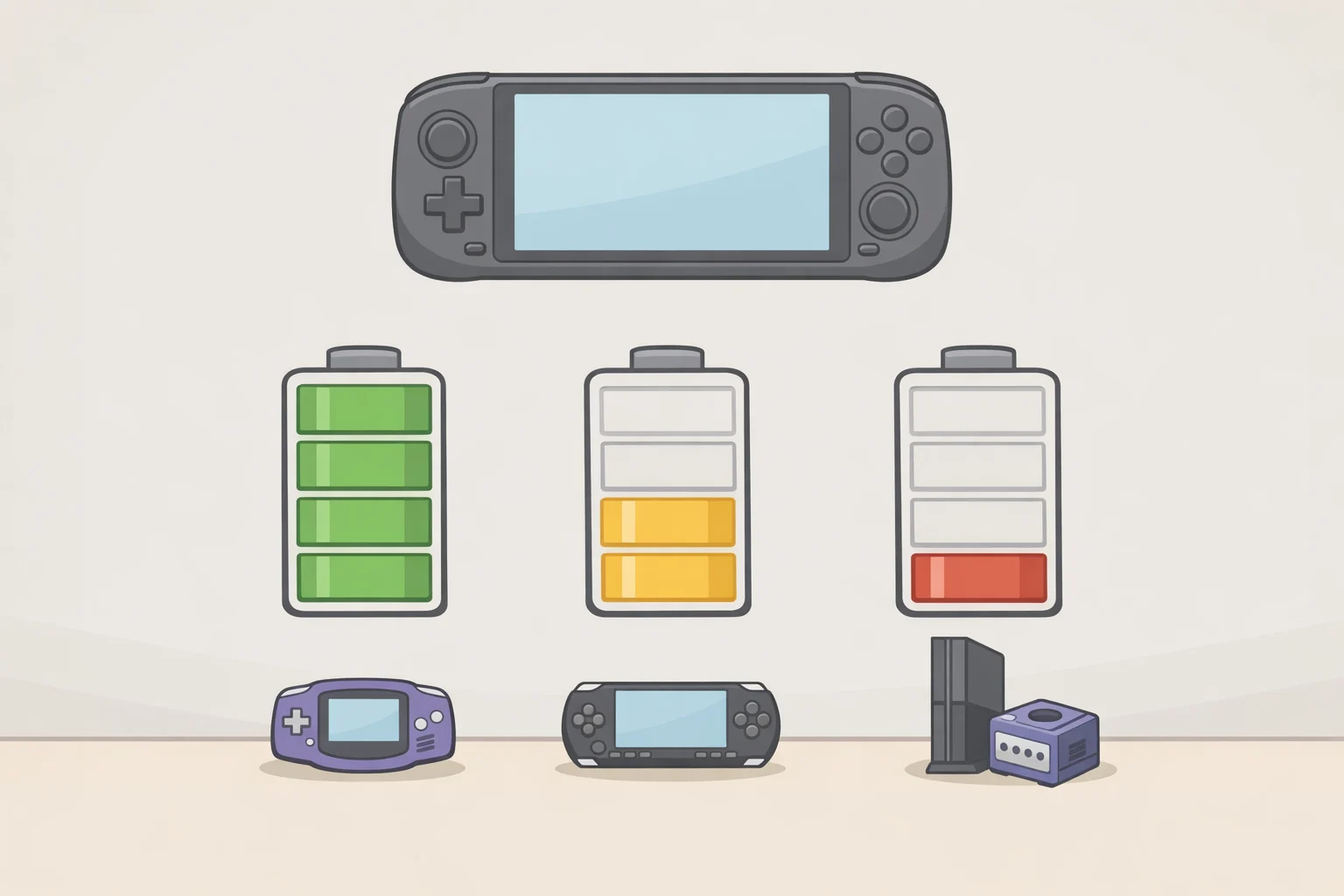
Battery figures from the Pocket Classic give a rough baseline for the Nova, which shares the same 5,000mAh capacity. Held Games recorded roughly six to eight hours on GBA content, four hours on PSP, and around two and a half to three hours on PS2 or GameCube emulation, with USB-C fast charging returning it to full in approximately 90 minutes. How the Nova's Snapdragon 8 Gen 2-class silicon draws power under sustained sixth-gen load may differ that's a variable reviewers will need to measure directly.
Controls on the Pocket Classic set a standard the Nova appears built to match: hall-effect analog sticks with the same drift-free implementation found on the Pocket 6, analog triggers, six-axis gyro, and front-facing stereo speakers, according to Held Games. Budget competitors routinely cut corners on hall-effect sticks. Retroid hasn't.
On software, the Pocket Classic ships with Android 14 and Play Store access unlocked from first boot; EmuDeck for Android Beta installs cleanly and covers the full emulator stack RetroArch, PPSSPP, Dolphin, AetherSX2 in a single pass, per Held Games. The Nova launches on Android 13. Based on the Pocket 5, which also shipped on Android 13 with a similarly low-friction setup experience, onboarding should feel familiar to anyone who has used a Retroid device before though that's an inference from the wider device family, not Nova-specific testing.
The Pocket Classic also confirmed that lighter Switch titles run on the Snapdragon G1 Gen 2, while heavier first-party releases push past its comfortable ceiling, per Held Games. The Nova's QCS8550 is a meaningfully more capable chip; whether that headroom translates to broader Switch compatibility in practice is a question the hardware class invites but reviewers will need to answer.
The market now has three distinct tiers
Until recently, Game Boy-style Android handhelds held a single position: charming budget devices that topped out at PS1 or early N64. The ANBERNIC RG Rotate illustrates what that tier looks like when the fundamentals are missing. At $87.99, it has a genuinely clever swiveling screen mechanism, but no analog sticks, a 2,000mAh battery that left the reviewer's hands aching after 20 minutes, spartan Android 12 software, and performance that caps at PS1 and N64, per Android Authority's review about six weeks ago. A novel form factor can't carry a device past basic ergonomics.
The Pocket Classic sits above that. At $219 with hall-effect sticks and PS2-capable performance, it earned its place as the premium pick for vertical handheld buyers whose library runs through the sixth generation. Reviewer Gardiner Bryant's explanation for why it holds together is clean: "It is a Game Boy, not an 'everything device,'" per Bryant's hands-on piece about eight weeks ago. Focus is the feature.
The Nova targets the tier above that, and its closest competition isn't another vertical handheld. The AYANEO Pocket S Mini carries a Snapdragon G3X Gen 2, a 4.2-inch 4:3 LCD, and strong sixth-gen emulation performance, with a starting price of $319 early-bird ($399 RRP). It also carried a trust problem: AYANEO marketed the device with a 6,000mAh battery, but a supplier issue meant retail units shipped with 4,700mAh instead, prompting the company to offer compensation to affected buyers, according to Android Authority's review about three months ago. The Nova, at $229 with specs confirmed via Retroid's own announcement, undercuts that early-bird price by $90.
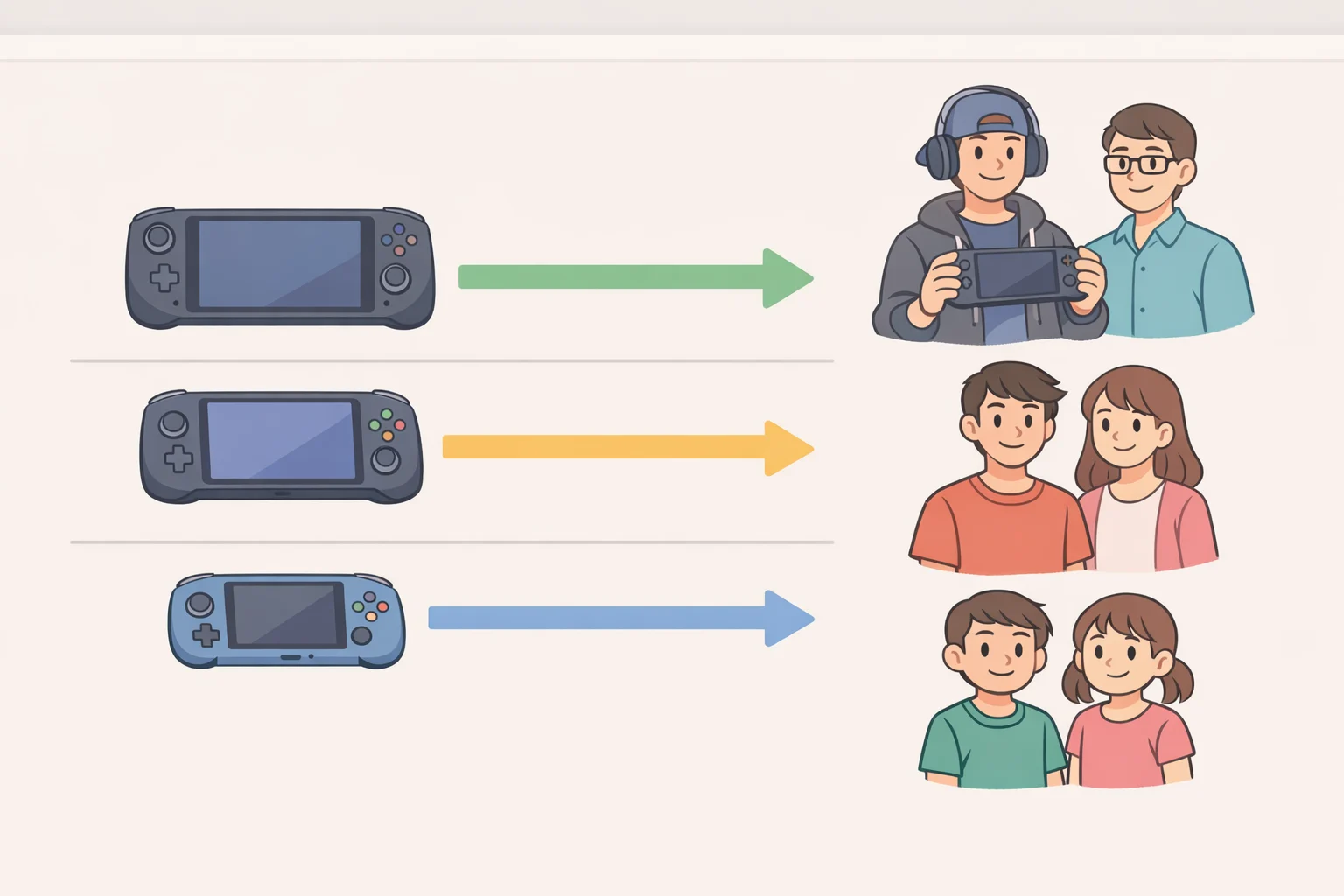
The tier structure now looks like this:
- Sub-$90: budget d-pad-only play (RG Rotate and equivalents)
- ~$219: premium vertical with PS2 capability (Pocket Classic)
- $229 to $269: compact high-performance with Snapdragon 8 Gen 2-class silicon (Nova)
- $319 and up: the AYANEO tier, with its larger battery and premium build materials
Vertical form factors now span a range that didn't exist eighteen months ago.
Context for each device's audience
Based on confirmed specs and Retroid's device history, the Nova appears best suited for buyers whose library extends into PS2 and GameCube the use case the Pocket Classic's Snapdragon G1 Gen 2 supports only selectively at 1x resolution, per Held Games. The $229 entry price is aggressive for the silicon. Buyers with thermal concerns have reason to wait for independent reviews before ordering; that's the one variable the spec sheet can't settle.
The Pocket Classic is a stronger fit for buyers whose gaming runs primarily through d-pad-focused systems Game Boy through PS1 and PSP and who want a device with a known real-world track record and a lower price ceiling.
The AYANEO Pocket S Mini suits buyers who prioritize premium build materials and are comfortable paying $90 to $170 more than the Nova's base price. The battery controversy is worth researching before purchase, per Android Authority.
What Retroid has revealed with the Nova is a spec sheet that, if it holds up under real-world testing, puts Snapdragon 8 Gen 2-class performance in a compact vertical handheld at a price the category hasn't seen before. Whether the thermal engineering inside that chassis delivers on that promise is what independent reviewers still need to determine.