UK Social Media Curfew for Teens Explained: Rules, Gaps, and Enforcement Challenges
The UK government announced this week that Instagram, TikTok, YouTube, and similar platforms must block access by default for 16- and 17-year-olds between midnight and 6am, with older teenagers able to reverse the setting themselves, according to GOV.UK. Autoplay video and continuously personalised feeds will also be switched off by default for that age group. Regulations are due before Parliament by the end of 2026, with enforcement expected from spring 2027.
The announcement sits on top of the government's existing under-16 social media ban, covering Snapchat, TikTok, YouTube, Instagram, Facebook, and X from next spring, though not private messaging services like WhatsApp and Signal, according to The Independent. Together, the two measures create a layered age-based access structure: under-16s banned outright, 16- and 17-year-olds operating under restricted defaults they can override, adults with full access.
The central unanswered question is not whether safer defaults are a good idea. It is whether platforms can reliably identify which users are 16 or 17 well enough to apply the right rules to the right person at scale. That problem is unresolved, and the regulations that should address it have not yet been written.
How the UK teen social media curfew would work for 16- and 17-year-olds
Video of the Day
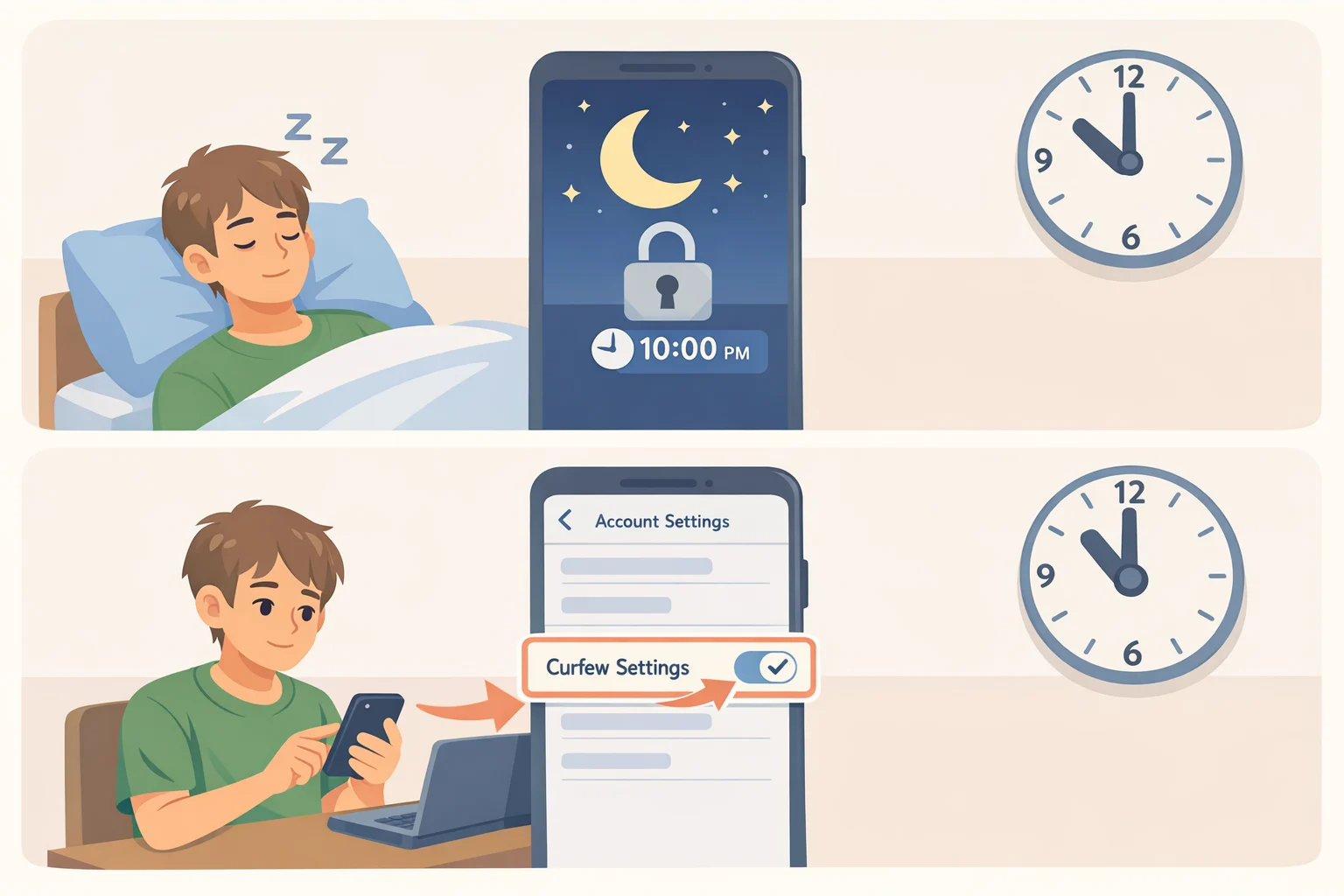
The midnight-to-6am block is a default setting, not a hard restriction. A 16- or 17-year-old can disable it by changing their account settings, UKTN reported. The government frames this explicitly as "giving older teens greater safeguards while still allowing them to change their own settings" the opt-out is deliberate, not an oversight.
Beyond overnight access, autoplay and personalised feeds will also be off by default. These are the features that extend sessions past any single piece of content: the video that starts before the previous one ends, the feed that always has something new waiting. Switching them off by default means teenagers encounter a less engineered version of each platform unless they actively choose otherwise, GOV.UK confirmed.
The rationale for using defaults rather than mandates reflects a policy choice Technology Secretary Liz Kendall has been direct about: a teenager who turns 16 should not move overnight from a full ban to unrestricted adult access. The 16-17 tier is designed as a graduated transition, not a hard reset, UKTN reported. The government's own consultation found that parents and teenagers alike supported protection from the most addictive features even as older teens gain greater independence.
One significant gap: the government announcement names Instagram, TikTok, and YouTube but has not set out a full list of services covered by the 16-17 rules. Whether the same obligations apply to gaming platforms, livestreaming services, or browser-based social products is not clear from material reviewed.
Video of the Day
The age assurance problem at the centre of this policy
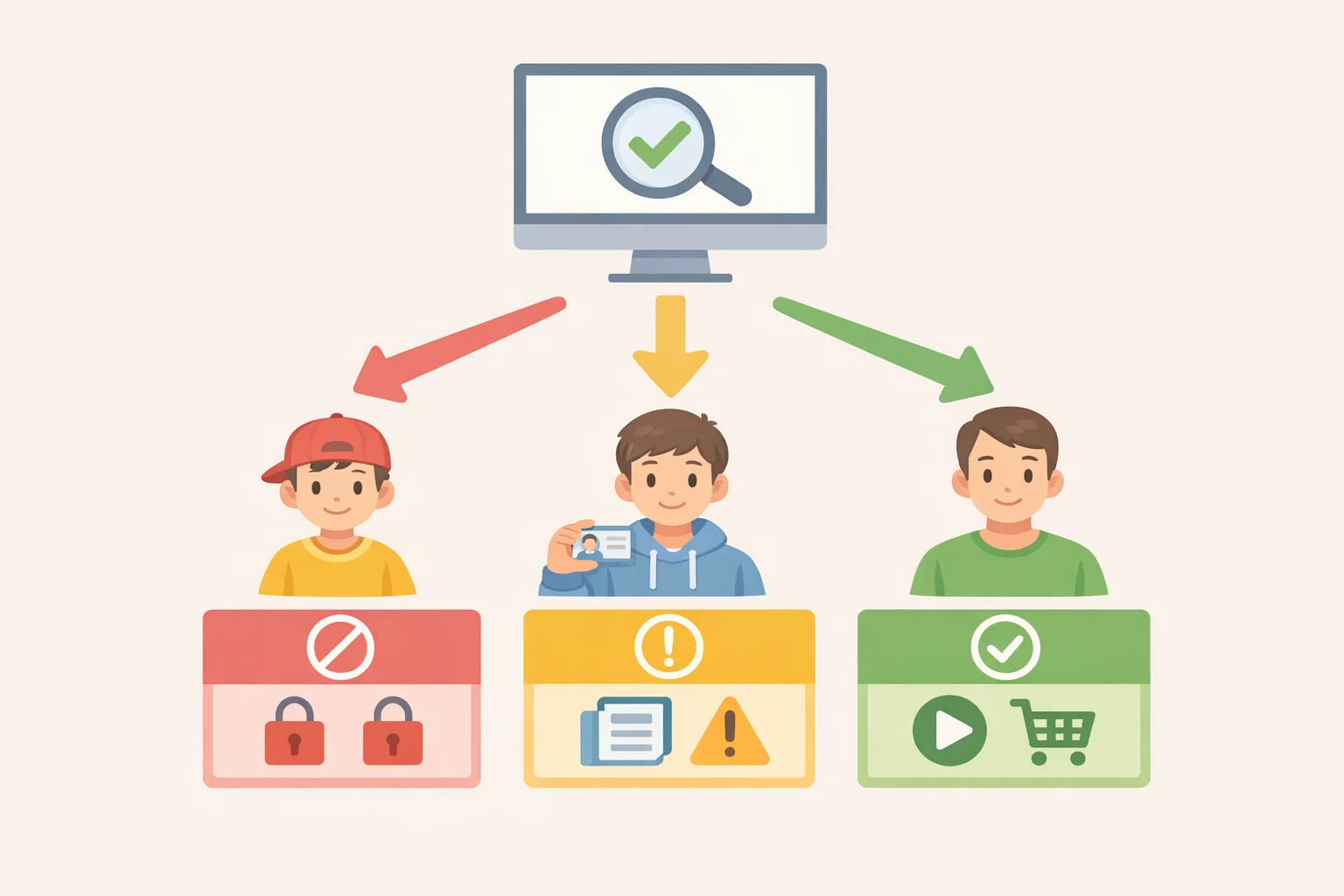
The entire architecture depends on platforms doing something they cannot currently do with confidence: distinguishing reliably between under-16s, 16-to-17-year-olds, and adults, and applying three separate rule sets simultaneously at scale.
Andy Lulham, chief operating officer at online safety provider Verifymy, whose company sells age-checking tools, put the technical challenge plainly. The overnight curfew for 16- and 17-year-olds "will ask the most of platforms technically, since they'll now need to identify and apply different rules to three distinct groups," he told The Independent this week. His conclusion was direct: "None of this will work without strong age assurance underpinning it. A default can only do its job if a platform knows, reliably, that a user is 16 or 17."
That is the gap the announcement does not close. The government has not specified what verification methods platforms must use, what accuracy standards they must meet, or how the privacy implications of collecting age data at scale will be managed. Regulations are due before Parliament by end of 2026, with the expected start date in spring 2027, GOV.UK confirmed. That leaves roughly nine months before enforcement is expected to begin, though the government has not yet set out the standards platforms would have to meet to comply.
What the evidence supports, and where it stops
The government points to two bodies of research to justify the approach. Both are real. Neither maps directly onto the policy being proposed.
Ofcom published a randomised controlled trial two days ago testing safer preselected settings with users aged 13-15, 16-17, and adults on a mock platform. Across settings covering location sharing, direct messages, and network expansion, safer defaults showed high retention across all age groups, according to TECHi's reporting on the study. Ofcom also cites an earlier child trial in which 69% of participants kept a preselected "don't recommend harmful content" option, compared with 51% in a control group who had to select it actively, and 54% when the safer option was listed first but not preselected. The principle holds: people tend to stay with what they are given.
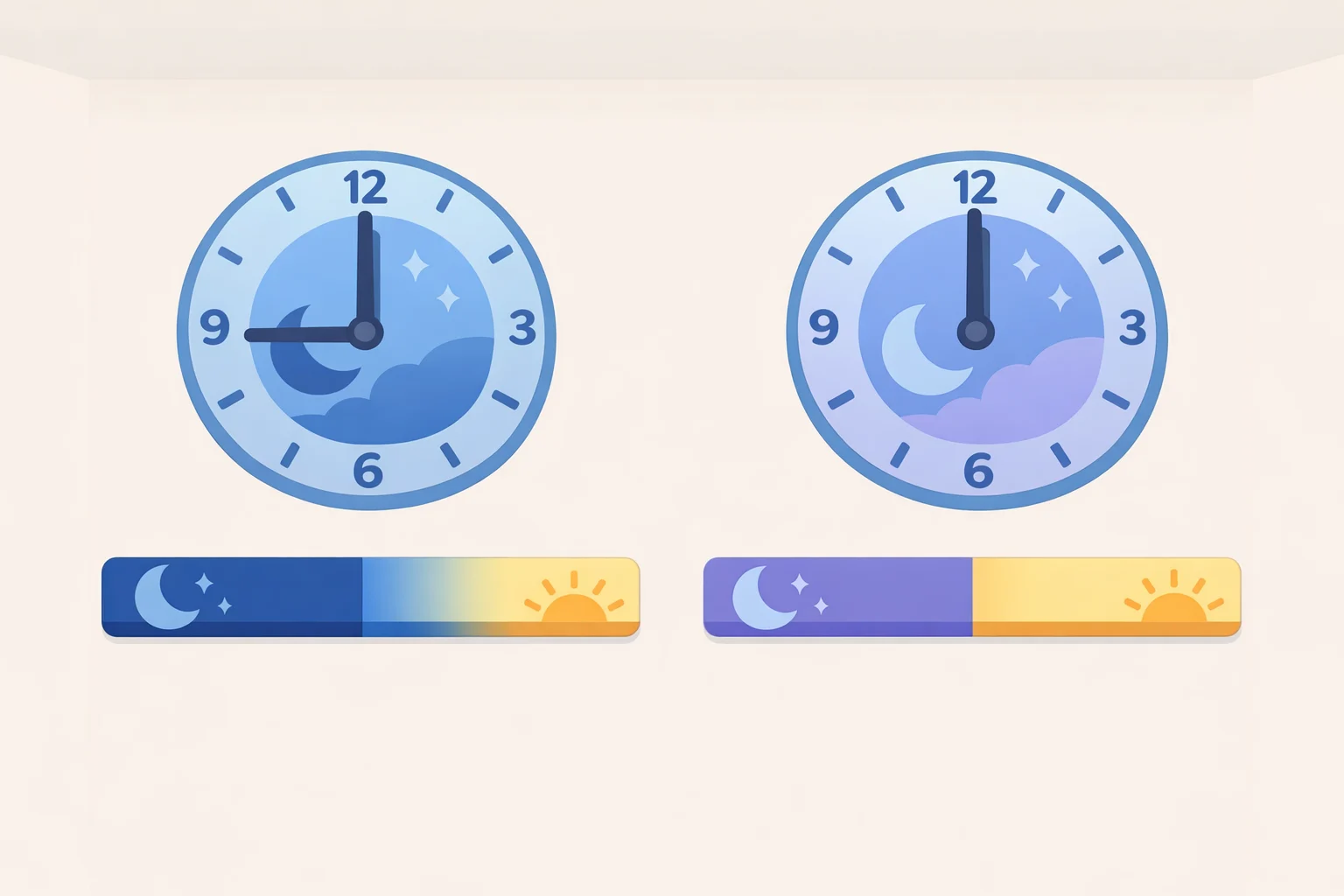
The government's own pilot, run through DSIT, involved 309 families over one month and tested three interventions: a 15-minute daily limit, an overnight block from 9pm to 7am, and removing selected apps. Families in the overnight block group reported improvements in sleep and concentration, according to TECHi. Outcomes were self-reported across a four-week period.
The proposed policy, though, uses a midnight-to-6am window. The pilot tested a 9pm-to-7am block, a considerably wider span covering prime evening hours. That discrepancy is not addressed in available government material, and the evidence from the narrower window is correspondingly thinner. The Ofcom work supports the general case for preselected safer settings. It does not establish that a midnight-to-6am curfew applied to real teenagers on live platforms will produce measurable wellbeing gains at scale.
Three fault lines in the criticism
Opposition to the measures is not one thing. The objections come from different places and point at different problems.
The most visible critique is political. Shadow Education Secretary Laura Trott called the plans "a dog's dinner," arguing that "curfews they can simply switch off won't achieve anything," the BBC reported yesterday. That is a partisan line, but it identifies a real structural weakness.
Mark Jones, an online safety expert at law firm Payne Hicks Beach, framed the problem in sharper policy terms. "If these measures focus on limiting when 16- and 17-year-olds can use social media, rather than requiring platforms to fundamentally change the way they design and promote content, they're treating the symptoms rather than the cause," he told UKTN. Restrictions, he warned, tend to produce workarounds: VPNs, alternate accounts, migration to services outside the rules.
Children's organisations made a structural point that cuts deeper than the opt-out debate. The NSPCC said the measures "will go some way" but warned they risk becoming a "sticking plaster" without further action on addictive design. The 5Rights Foundation was more direct: bans and curfews manage exposure to risk but do nothing to give platforms any incentive to change the design features that create that risk in the first place, The Independent reported. That is a different objection to opt-out weakness. It is about what the policy does not require platforms to do.
The sharpest analytical challenge came from Professor Sonia Livingstone of the London School of Economics. A curfew on push notifications, the platform-initiated alerts that interrupt sleep, is defensible, she told the BBC. A curfew that prevents a teenager in crisis from reaching peer support or a trusted source at 2am is something else. "If it's a curfew that prevents a child in need of support or help or comfort reaching out to trusted sources in the middle of the night, I think that's quite harmful potentially," she said. The current announcement does not make that distinction.
What to watch before spring 2027
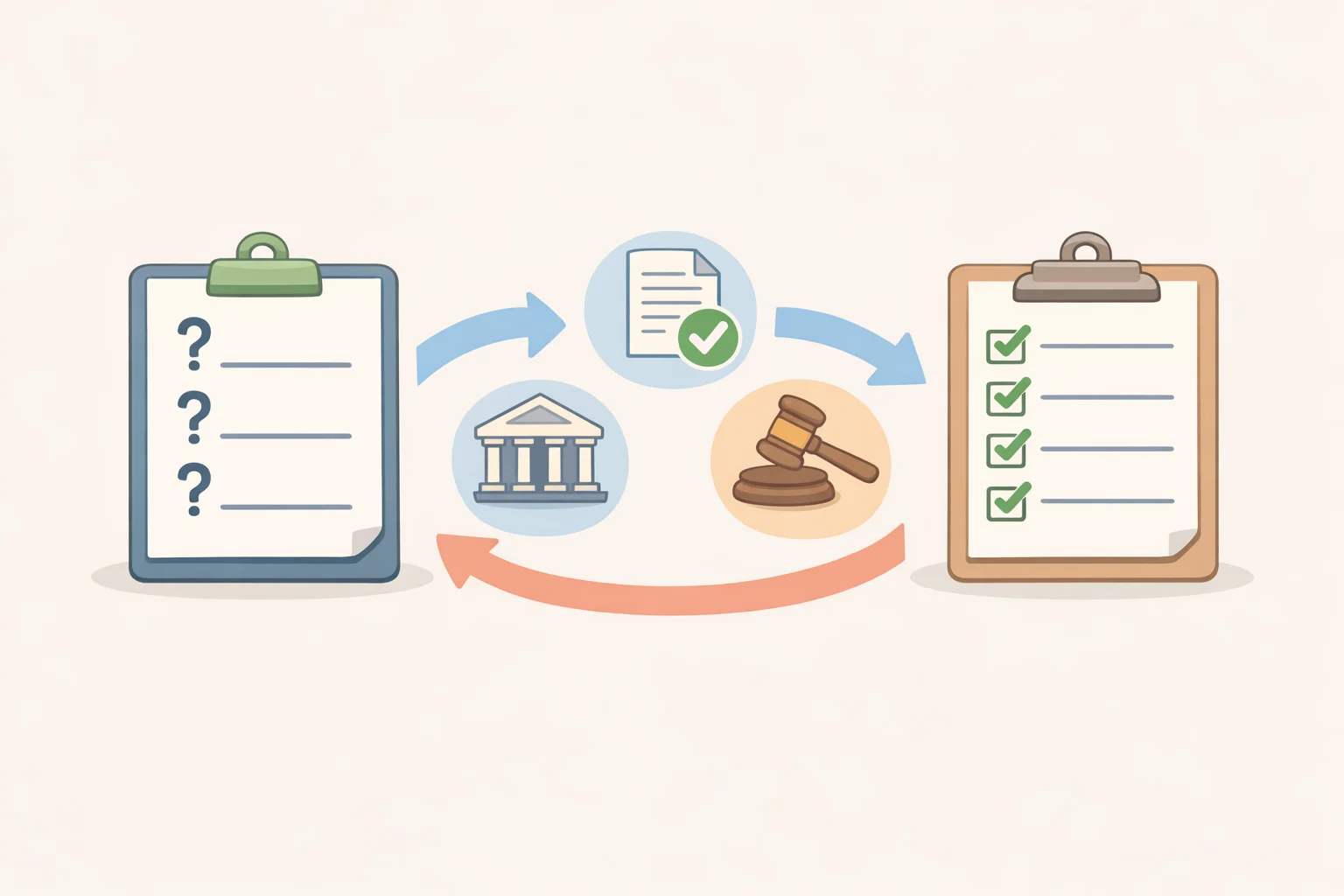
Several questions with material consequences remain open.
Platform scope is unresolved. The announcement names Instagram, TikTok, and YouTube, but the government has not confirmed whether the same obligations extend to gaming platforms, livestreaming services, or other social products. A curfew that applies to three named apps while leaving adjacent services untouched does not resolve the underlying access question.
Age assurance standards have not been defined. What counts as adequate verification, whether that means identity documents, age estimation technology, or something else, and what data protection requirements attach to the process, remain unspecified. Without those standards in the regulations, compliance cannot be measured or enforced.
The current announcement also does not address the distinction Livingstone raised: whether the overnight block restricts platform-initiated interruptions, such as push notifications, or user-initiated access. These are different interventions with different risk profiles, and clarifying which category the midnight curfew falls into, or splitting them, would strengthen both the policy design and the evidence case.
Alongside the social media measures, the government intends to require mandatory breaks for under-18s using AI chatbots and to act against services providing dangerous, misleading, or unverified mental health advice, The Independent reported. Ministers are also considering banning chatbots that pose a serious threat to children. What qualifies as dangerous advice, and who adjudicates that determination, is not yet defined. These measures are part of the same digital-wellbeing agenda but represent a separate policy thread running on its own unresolved timetable.
Three indicators will determine whether the spring 2027 rollout is substantive or largely procedural: whether regulations laid before Parliament by year-end include binding age assurance standards with specific methods and accuracy requirements; whether the formal platform list extends meaningfully beyond the three named apps; and whether the chatbot measures carry equivalent legal weight to the social media restrictions or are handled through a softer, separate mechanism.
The Ofcom defaults research gives the approach a credible foundation. The DSIT pilot provides supporting evidence, if narrower than the policy it is being used to justify. What the announcement does not resolve is the question that determines whether the whole system functions: how a platform is supposed to know, reliably and at scale, which tier a given user belongs to. That is what the regulations due before Parliament by year-end must answer, and what spring 2027 will put to the test.