LG Unwanted Ads on Screens: One Pop-Up Removed, Deeper Issues Persist
A user warning posted ten days ago "Do NOT buy an LG monitor, it automatically downloaded an app that gives me pop ups for their own apps and McAfee" touched off a sequence that ended with a Microsoft executive personally intervening and LG agreeing to disable the offending prompt. But the McAfee pop-up was a symptom. The mechanism that delivered it, and the broader advertising strategy it reflects, remain intact.
The incident started when connecting an LG UltraGear monitor to a Windows PC silently triggered installation of a program called LG Monitor App Installer through Windows' official driver distribution path. That installer then surfaced promotions for additional software and a pop-up for McAfee's Scam Detector product, according to The Verge. Reports of the same behavior in community forums date back to 2024. YouTube channel Gamers Nexus confirmed it on LG UltraGear hardware, as PCMag reported via Mashable. Microsoft EVP for Windows and Devices Pavan Davuluri replied directly to the original complaint and announced that LG had agreed to disable the McAfee pop-up, pledging that Microsoft would "keep improving here with our ecosystem partners," The Verge reported this week.
Why LG monitor app installer ads felt different from ordinary bundleware
Video of the Day
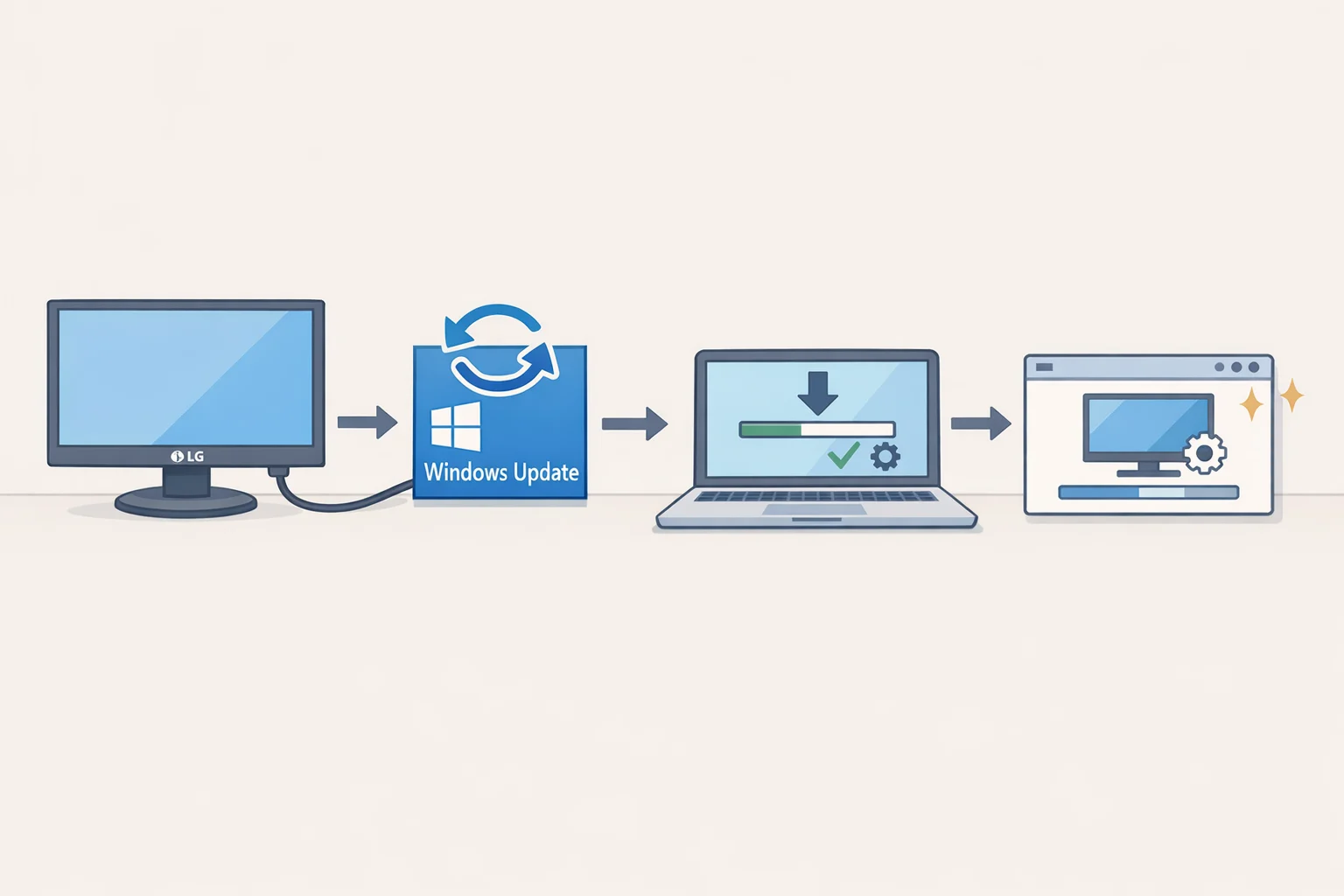
The trigger wasn't a checkbox skipped during setup. It wasn't an app store recommendation accepted in haste. It was plugging in a monitor.
Windows' driver distribution path exists to deliver device functionality: the software that makes hardware work. Users have no reason to expect that path to carry commercial promotions. When the LG Monitor App Installer arrived through it, the installation was silent and the source was the same update channel trusted to deliver legitimate drivers, according to The Verge. That's what separated this from standard software bundling. The ad infrastructure hitchhiked on infrastructure users had no choice but to trust.
LG's defense drew a real but narrow distinction. Its statement, sent to Windows Latest and relayed by The Verge, was unambiguous on McAfee: "LG Electronics reiterates that McAfee is not installed automatically and is never installed without the user's explicit consent.. Under no circumstances is McAfee installed automatically or without user authorization." That's technically accurate. McAfee required a user click to proceed.
The complaint, though, was never primarily about McAfee. It was that the LG installer itself appeared on users' machines without any conscious action beyond connecting a monitor, and immediately began presenting commercial prompts. LG confirmed its installer was distributed through Microsoft's official Windows process. That confirmation is precisely what made Microsoft's intervention possible.
Video of the Day
Microsoft's fix: one prompt removed, underlying mechanism untouched
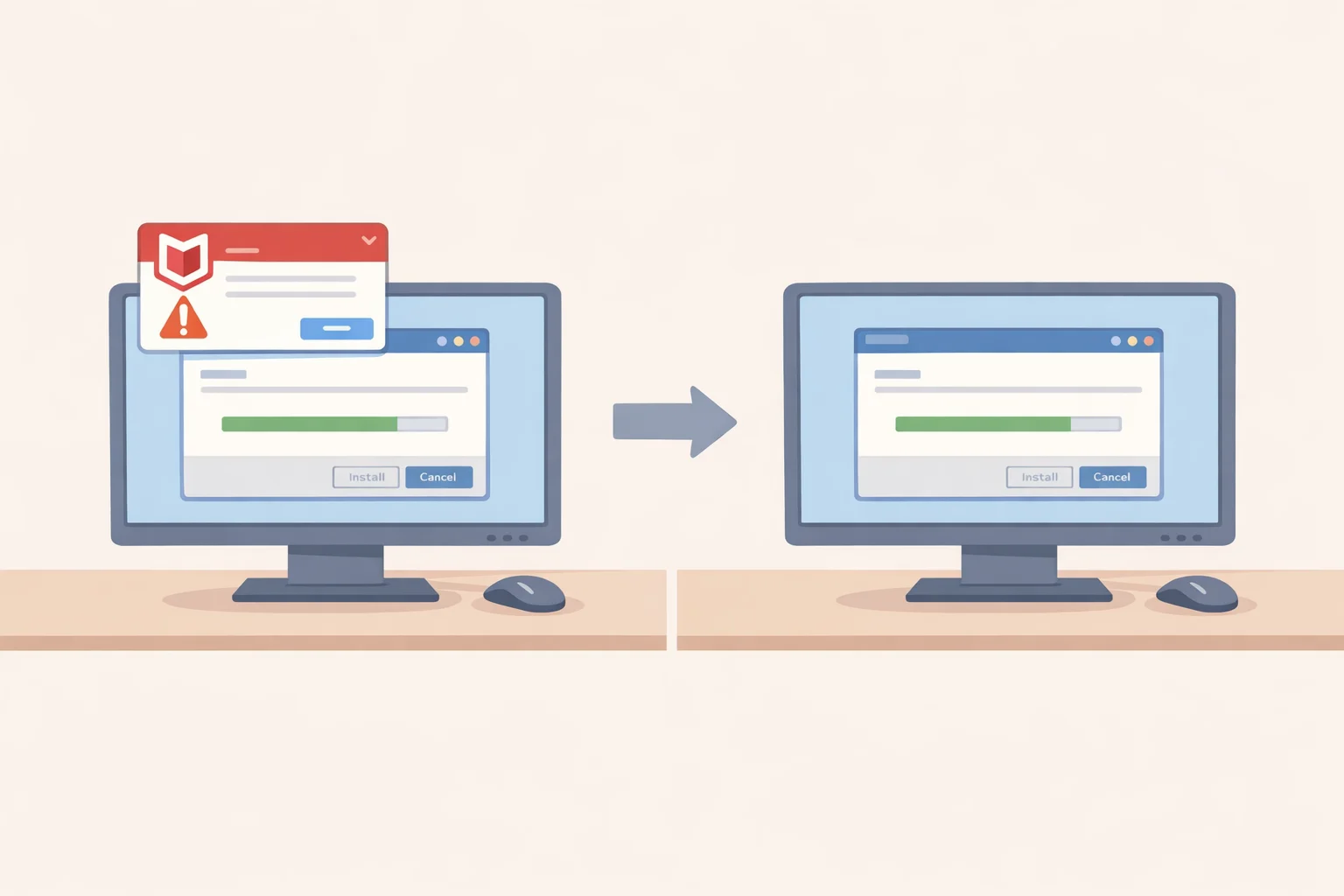
The resolution was specific. LG agreed to disable the McAfee pop-up notifications from the Monitor App Installer, Mashable reported this week. The LG Monitor App Installer itself was not reported as removed. The driver distribution pathway that carried it into users' machines remains part of Windows infrastructure.
Davuluri's reply to the original user complaint was an unusual level of executive visibility for what started as a community forum post. His follow-up announcement confirmed the pop-up is gone. His stated intention to "keep improving here with our ecosystem partners" signals that Microsoft is watching, but it describes an aspiration rather than a policy change, per The Verge.
The consent question The Verge raised is the right one: users weren't objecting to McAfee's installation terms; they were objecting to an installer they never requested appearing on their machine and surfacing commercial prompts. Microsoft's intervention implicitly acknowledged that framing, even if the fix addressed only the most visible symptom.
For current LG monitor owners, LG has agreed to disable the McAfee pop-up. The installer that delivered it is another matter.
LG TV startup ads and the company's broader monetization strategy
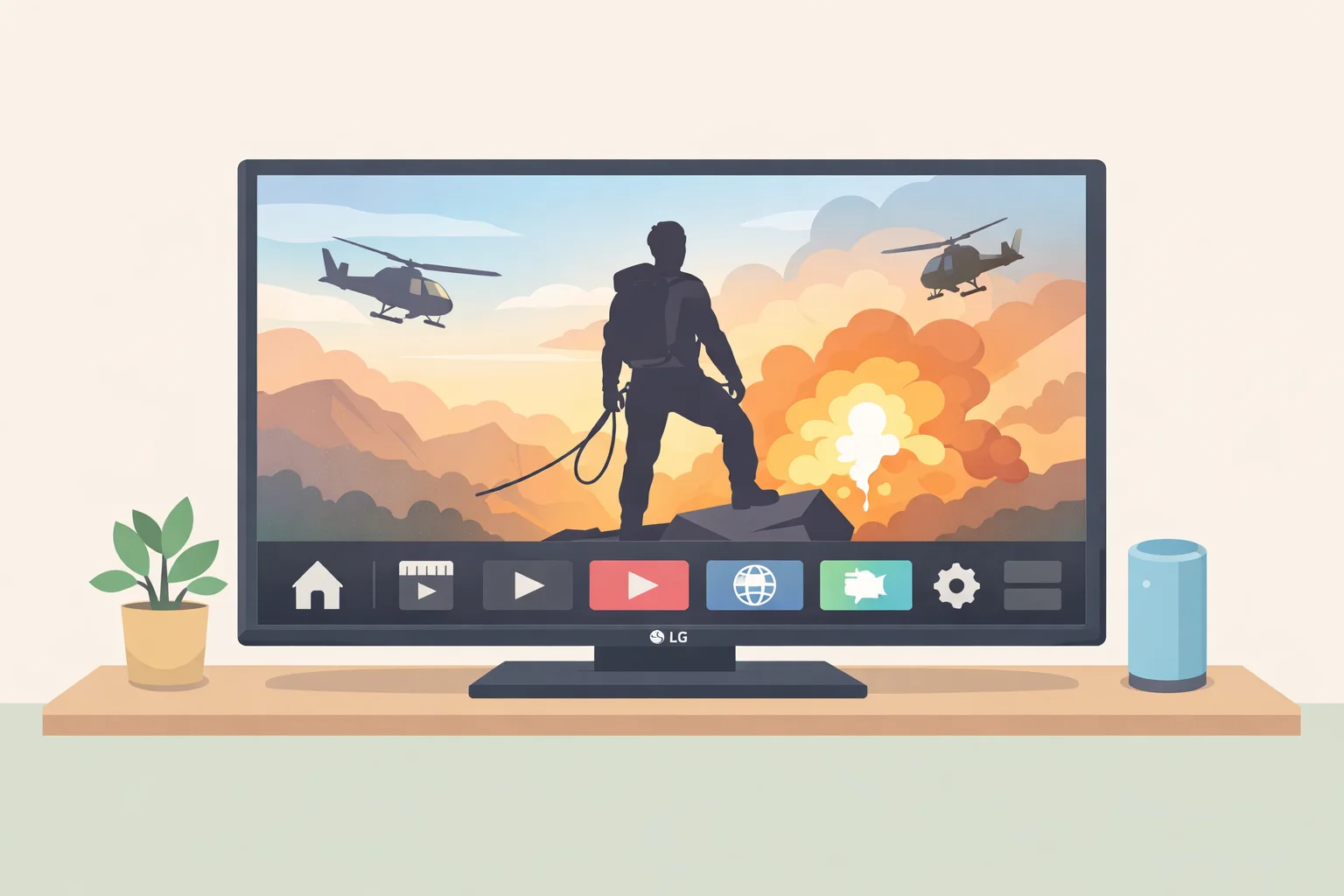
Microsoft's reach stops at Windows. On LG's television platform, the company sets its own rules, and it has been publicly explicit about how it intends to use them.
At IAB NewFronts in March, LG Ad Solutions pitched its TV home screen as prime ad real estate. As Adweek reported, cited by Mashable, the company described plans to integrate "immersive, full-frame video directly into the LG TV interface, putting brands at the first moment of viewer interaction." LG presented this to advertisers as a feature worth buying. That pitch came four months before the monitor controversy.
The same week the monitor backlash peaked, The Verge's Tom Warren publicly called out LG for pushing ad notifications on his TV at startup, The Verge reported. No platform equivalent to Microsoft stepped in. On LG's TV operating system, there is no external party with both the standing and the use to compel a change.
The smart TV ad model isn't unique to LG. Across Amazon, Roku, and other platforms, Consumer Reports noted last October that opting out of personalized ads typically means receiving generic ads rather than no ads at all; the choice is between targeted and untargeted, not between ads and no ads. LG operates within that same industry logic. The monitor incident drew attention partly because it crossed into Microsoft's infrastructure, where different rules apply.
What gets resolved, and what doesn't

The McAfee pop-up is off. That's a concrete outcome. LG's Monitor App Installer, delivered through Windows driver updates without explicit user consent, was not reported as removed, and Microsoft's language about ecosystem improvement points toward ongoing pressure rather than a structural fix, according to The Verge.
On the TV side, LG has publicly committed to full-frame video ads at the first moment a user turns on their television, sold to brands at IAB NewFronts as a premium placement, per Mashable. There is no reported change to that strategy.
What the episode clarifies is the mechanism behind platform enforcement. Microsoft could act because LG's ads ran through Windows distribution channels, giving Microsoft direct use. On LG's own TV platform, that external check doesn't exist. Whether smart TV operating system providers eventually draw similar lines around what hardware makers can surface to users at startup is the question this incident opens, not the one it closes.