Disney Music Meta Smart Glasses Privacy Trick: What the Viral Advice Gets Wrong
Advice spreading this week across LinkedIn, Threads, and other platforms tells people to play a Disney song if they think someone nearby is recording them with Disney music Meta smart glasses. The theory, known as "copyright hacking," is that platforms like YouTube, TikTok, and Instagram will recognize the copyrighted music and block the upload before it goes public. Start the song, ruin the video. Mashable covered the trend yesterday.
One widely shared post on X captured what the joke is really pointing to: "Because Disney music is more protected than women." That's not just snark. It's a pointed observation that intellectual property systems are more automated, consistent, and globally enforced than personal privacy protections for people filmed without consent.
The underlying frustration is legitimate. The tactic itself is not. Copyright detection sits at the very end of a process that starts the moment someone says "Hey Meta" and moves through local storage, automatic app import, possible cloud processing, and in some cases contractor review. A filter at the upload stage doesn't touch any of that. No empirical testing of the Disney approach across platforms has been published; it remains an unverified theory, not a confirmed defense.
How Ray-Ban Meta glasses actually record
Video of the Day
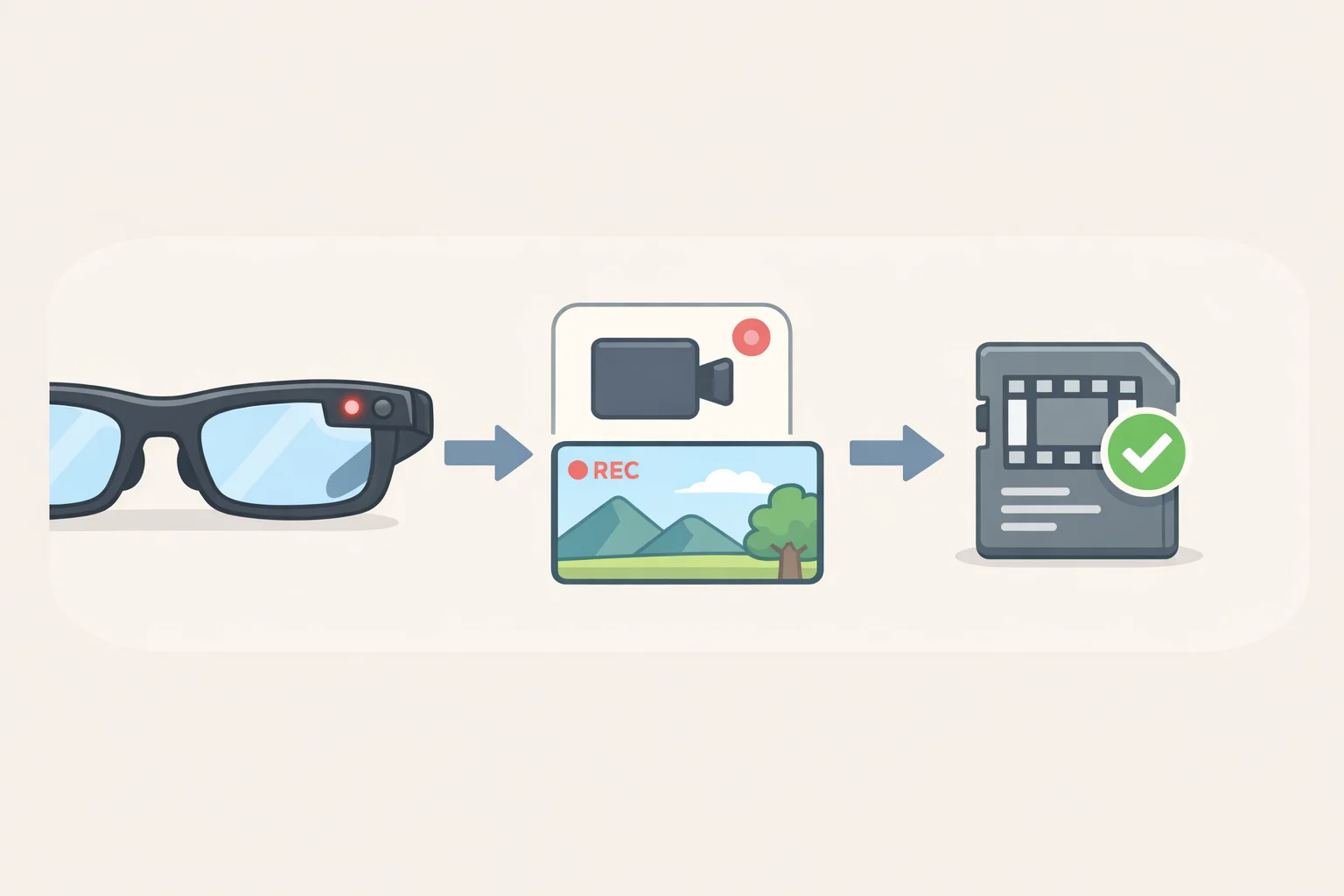
Ray-Ban Meta (Gen 2) and Oakley Meta glasses carry a built-in 12-megapixel camera that activates with a voice command or a single tap on the frame, per Meta's product page. The newer models don't support livestreaming, which means there's always a gap between capture and any public post. Footage sits on the glasses' internal memory until it's transferred elsewhere.
The design looks like regular eyewear. Most reviewers note that people around them didn't realize a camera was built in at all, as EFF documented earlier this year. That's a meaningful distinction from pointing a phone at someone. The social friction that usually signals "I'm recording you" is simply gone.
Meta's primary safeguard is a small LED that lights up during recording. If the light is covered, the glasses issue a warning and stop rather than continuing silently, per Meta. That safeguard has been tested: a product called "Ghost Dots," vinyl stickers marketed on TikTok promising to dim the recording indicator, racked up more than two million views. Wired tested them and confirmed the glasses still halted recording when the light was blocked, Android Authority reported last August.
The Ghost Dots episode is worth sitting with. A market for light-blocking stickers emerged not because the safeguard failed, but because people don't trust that it will hold, or that wearers won't eventually find a way around it. The Disney music approach reflects the same anxiety, aimed at a different stage.
Video of the Day
How to stop Meta smart glasses filming you: what actually works, and where copyright hacking falls short
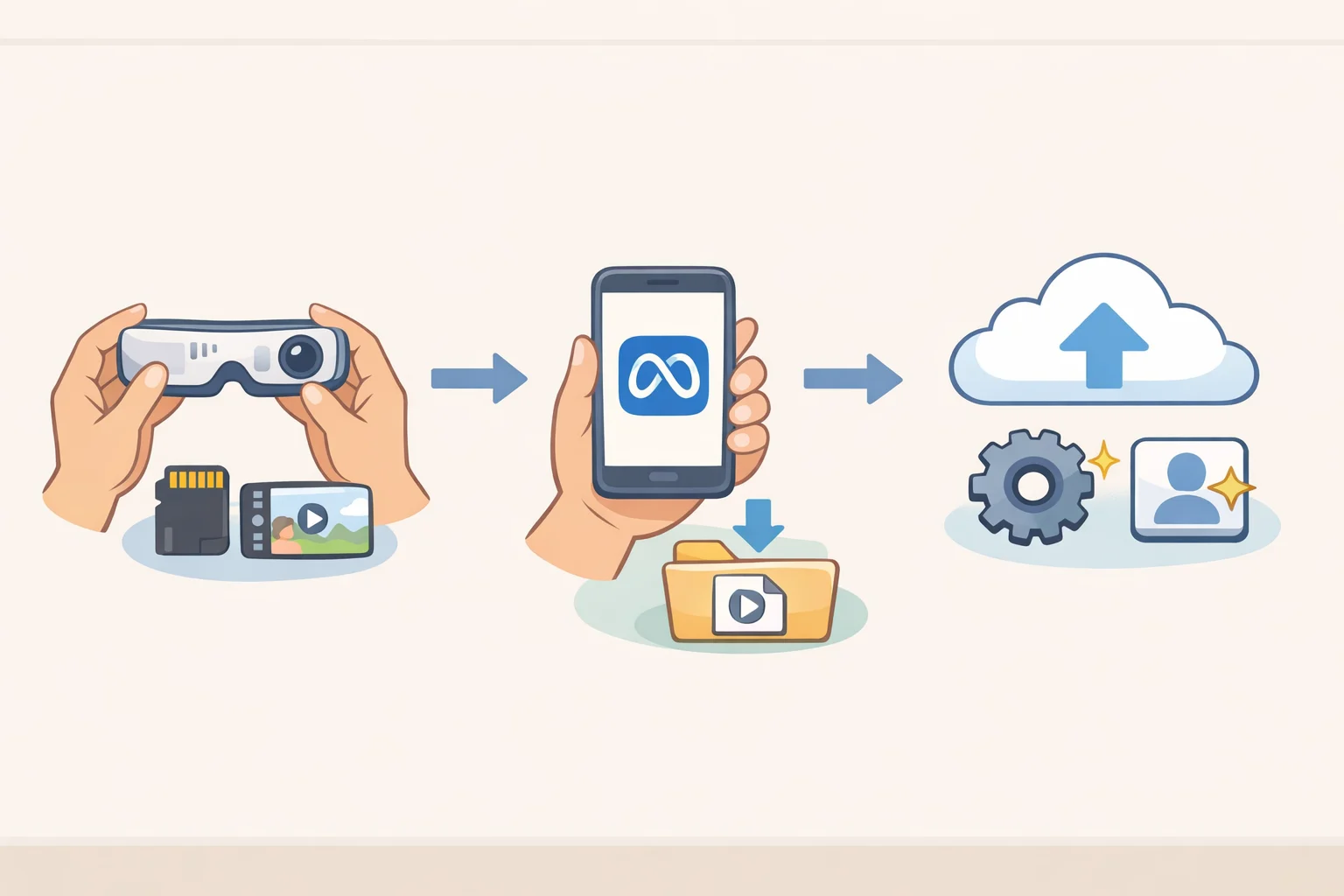
To understand why copyright detection misses the point, it helps to map what actually happens between capture and upload.
Button-press recording is the simpler case. When a wearer taps the frame, the footage goes to the glasses' internal memory and stays there until it's manually transferred. No cloud involvement yet. EFF explains that media captured this way is kept on the glasses until imported onto the phone.
Voice and AI features work differently. When someone says "Hey Meta, start recording," AI processing cannot run locally on the glasses. The footage is fed to Meta. EFF's analysis is direct on this: any use of AI features routes footage to Meta. The recording has left the device before any platform ever sees it.
The app's default behavior closes most of the remaining gap. The Meta AI app is required to set up the glasses and is the practical pathway for transferring footage. By default, it automatically imports media and enables "Cloud media," a setting that sends photos and videos to Meta's servers for processing and temporary storage, EFF notes. Wearers can turn this off in the app's privacy settings. But that's the wearer's choice to make, not the bystander's.
Some footage goes further still. Videos fed into AI training pipelines may go through human review. An investigation by Swedish newspapers found contractors annotating camera footage that included nudity, sex, and other sensitive material, under terms Meta told the BBC were consistent with its user agreement, per EFF. Footage saved to the wearer's camera roll may also sync to Apple or Google servers depending on backup settings, where employees could potentially access it or law enforcement could compel its disclosure, EFF reports.
So even if copyright detection blocked a video from posting to Instagram, the footage could still exist on the wearer's phone, in the Meta AI app, in Meta's cloud processing pipeline, or in contractor review logs. "It never went up" and "no one saw it" are two different things. The bystander may have lost control of their image well before the would-be upload.
What bystanders can actually do
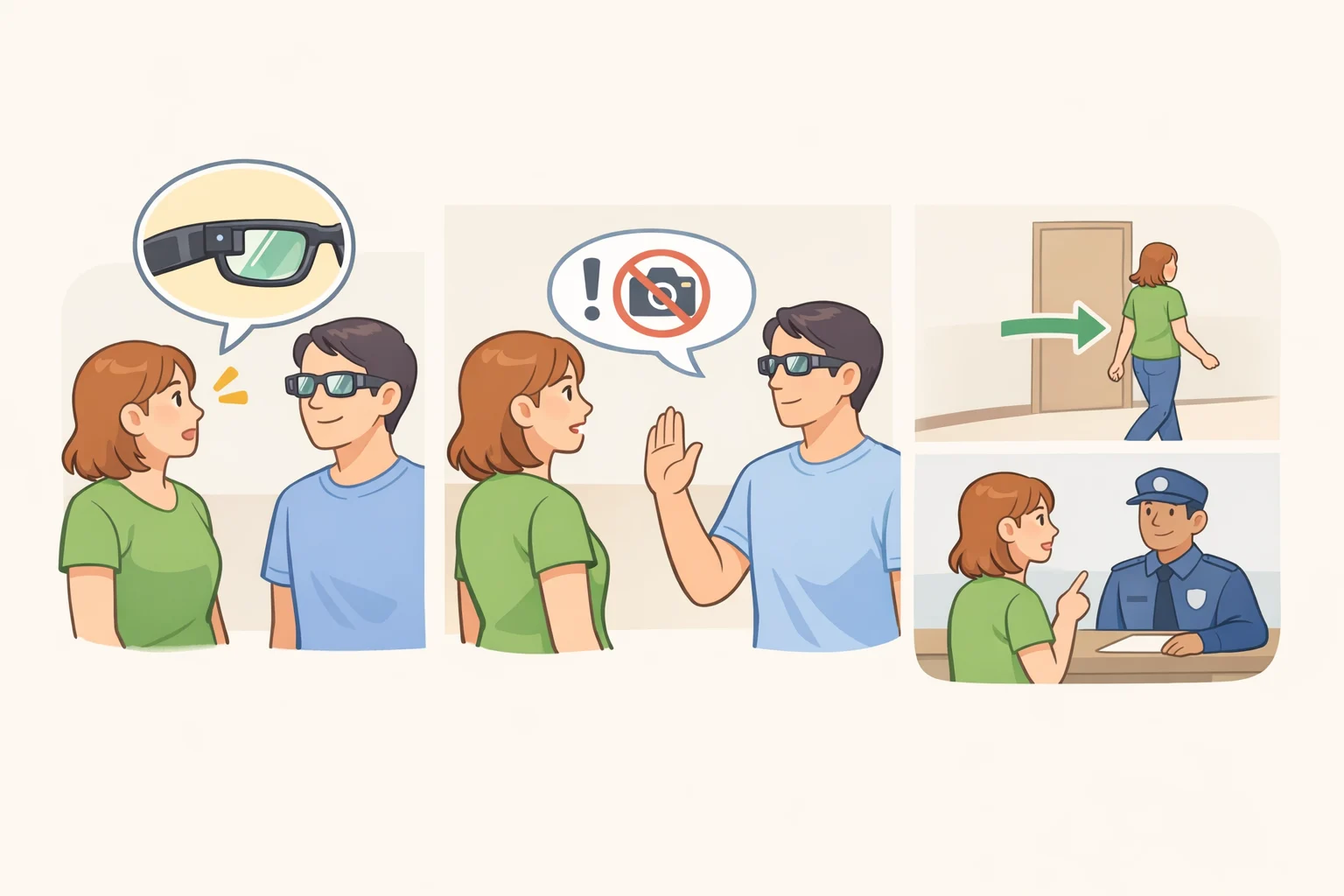
Three categories of response exist for anyone worried about Ray-Ban Meta glasses privacy concerns. None are airtight.
Detection. Smart glasses must maintain a Bluetooth Low Energy or Wi-Fi connection to stay paired with a phone, and devices from Meta, Luxottica, and Snap broadcast recognizable manufacturer identifiers. That has prompted interest in tools that could alert someone when an active device enters roughly a 10-meter radius, Technext reported earlier this year. How reliable those tools are for general consumers in everyday conditions remains unestablished.
Verbal objection. Saying "Are those recording glasses? I don't consent to being filmed" creates a social record. In some legal frameworks it carries formal weight: under Nigeria's NDPA, such a statement can shift the legal burden to the wearer, per Technext. What that means in the US, UK, or EU varies enough that jurisdiction-specific guidance from a data protection authority is the only reliable source. Don't assume rules travel across borders.
Leave or report. Exiting the situation stops further capture. Reporting to a platform or venue may trigger policies that already exist in some spaces. Neither approach does anything about footage already captured and synced.
The honest constraint is this: the obvious responses work in the moment. They don't rewind what's already happened. That gap, between how quickly footage moves through these pipelines and how slowly any bystander can respond, is the real problem the meme is circling.
The policy gap the joke is describing
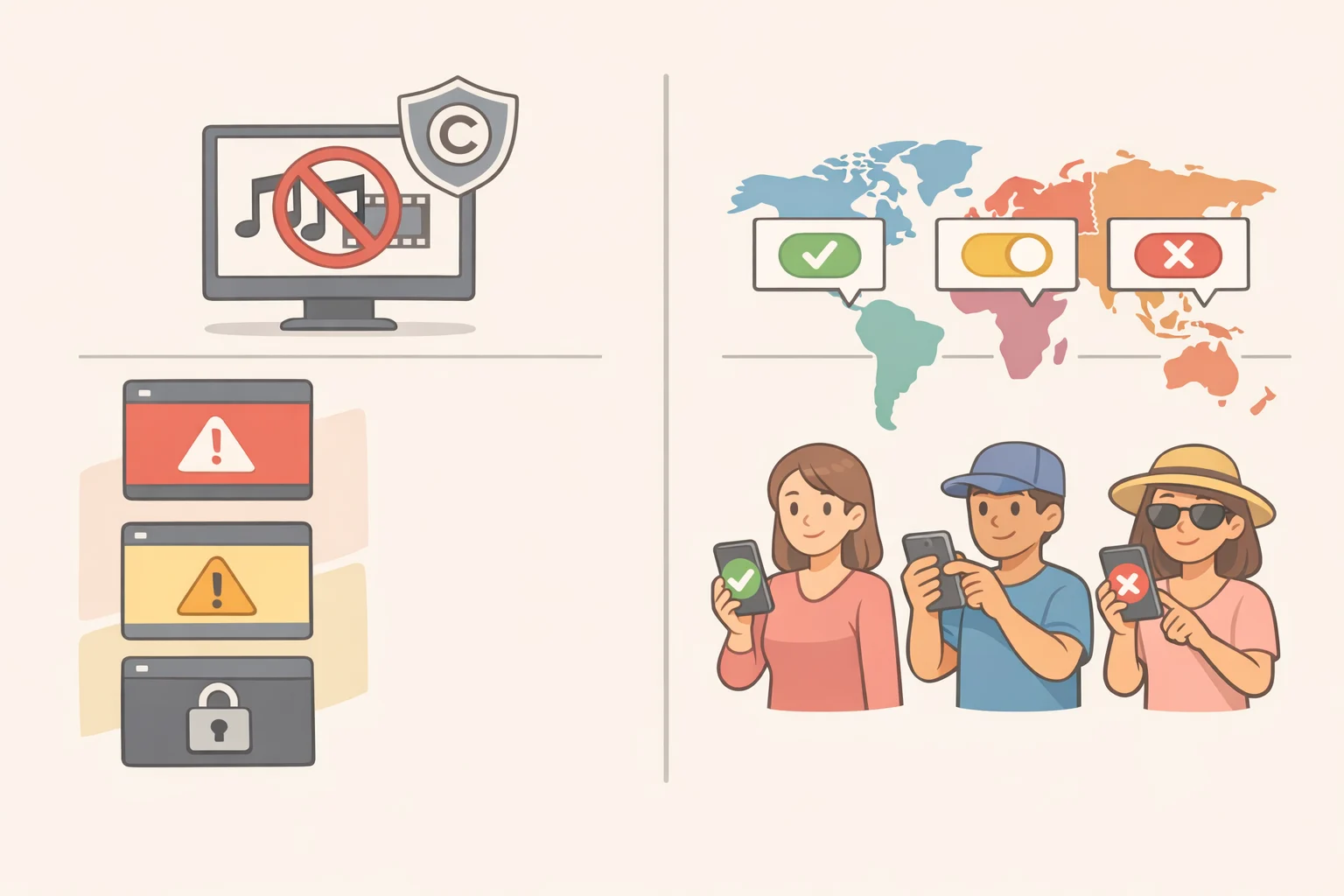
Copyright enforcement on major platforms is automated, consistent, and operates across jurisdictions with real consequences for rights holders. Privacy protection for people filmed without consent is fragmented, jurisdiction-specific, and largely dependent on the wearer's choices or the platform's policies, neither of which bystanders control. One system was built to scale; the other wasn't. Mashable's coverage captures how that asymmetry landed this week.
The facial recognition angle sharpens all of this considerably. EFF reported earlier this year that it had heard rumblings of Meta hoping to add face recognition to smart glasses, preferably during what internal discussion described as "a dynamic political environment where many civil society groups that we would expect to attack us would have their resources focused on other concerns." If that happens, covert video recording will look like the minor version of this problem. Recording becomes identification. Everyone in the frame becomes searchable. The pipeline described above gains a new first stage with consequences that make the current debate about upload filters seem narrow.
The Disney music tactic is a reasonable instinct applied to the wrong problem. Copyright detection is a tripwire at the exit door of a process that has already run its course. Targeting it is better than nothing only if footage never leaving a major platform is the same as footage never being seen, and it isn't.
For readers who want to go deeper: EFF's full analysis at the link above covers wearer-side settings in detail. For jurisdiction-specific legal options, start with your country's data protection authority website. The variation between countries is large enough that generic advice causes real harm.