FCC Ban on Foreign-Made Robot Vacuums: What the Rule Actually Says
The FCC this week added "advanced robotic devices" to its Covered List, the regulatory blacklist that blocks products from receiving the equipment authorization required to import, market, or sell them in the US. The restriction applies immediately to new device models falling within the covered categories, according to Robotics & Automation News. Robot vacuums are not named in the rule. That gap is the central question this article addresses.
Three things are confirmed. New foreign-made advanced robots cannot receive US market authorization. Devices already purchased are unaffected. The security rationale explicitly targets always-on, network-connected mobile devices. One thing is not confirmed: whether robot vacuums fall within the FCC's definition of "advanced robotic devices." That ambiguity is generating headlines that outpace what the public documents actually say.
Are robot vacuums affected by the FCC ban?
Video of the Day
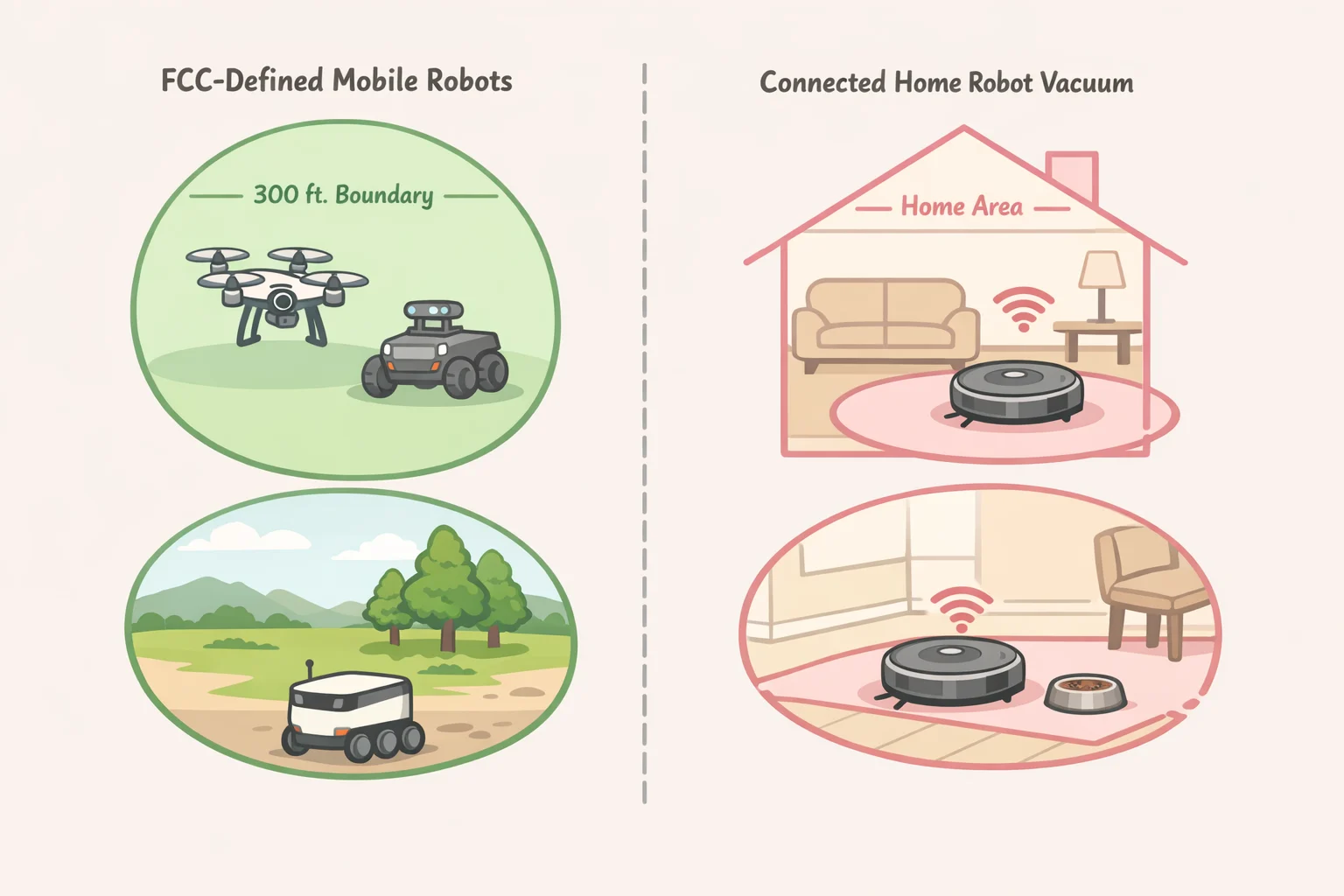
The FCC's formal definition covers "mobile robots such as humanoids and quadrupeds." That phrasing is doing a lot of work. "Such as" is not "limited to," which leaves the boundary genuinely open.
The government's security case rests on a specific risk profile. The national security document states that modern robots are "constantly connected to networks, which creates broad attack surfaces and leaves them vulnerable to data exfiltration, remote disruption of the physical robot, and dependencies on unsecure over the air updates," per The Register's reporting on the underlying document. Many connected home robots share exactly that profile. That is why the question is technically coherent, even though the public documents do not yet answer it.
The most concrete incident cited in the security record comes from the robot industry itself. Robert Little, a business development advisor and former chief of robotics strategy at Novanta Inc., noted that researchers found a backdoor in Unitree robots and later discovered some models were transmitting data to servers in China without their owners' knowledge.
Premium connected home robots from brands such as Roborock, Ecovacs, and Dreame share the same technical profile the security rationale describes: cloud connectivity, over-the-air updates, onboard cameras, room-mapping software. That is why the concern is substantively reasonable. What the documents still do not supply is a test: which functional characteristics trigger inclusion as an "advanced robotic device," and at what threshold does a connected home appliance cross that line? Until the FCC or the interagency body publishes clarifying guidance on consumer-category robots, the honest answer is plausibly yes, not yet confirmed.
Video of the Day
What the Covered List actually does, and how it got to robots
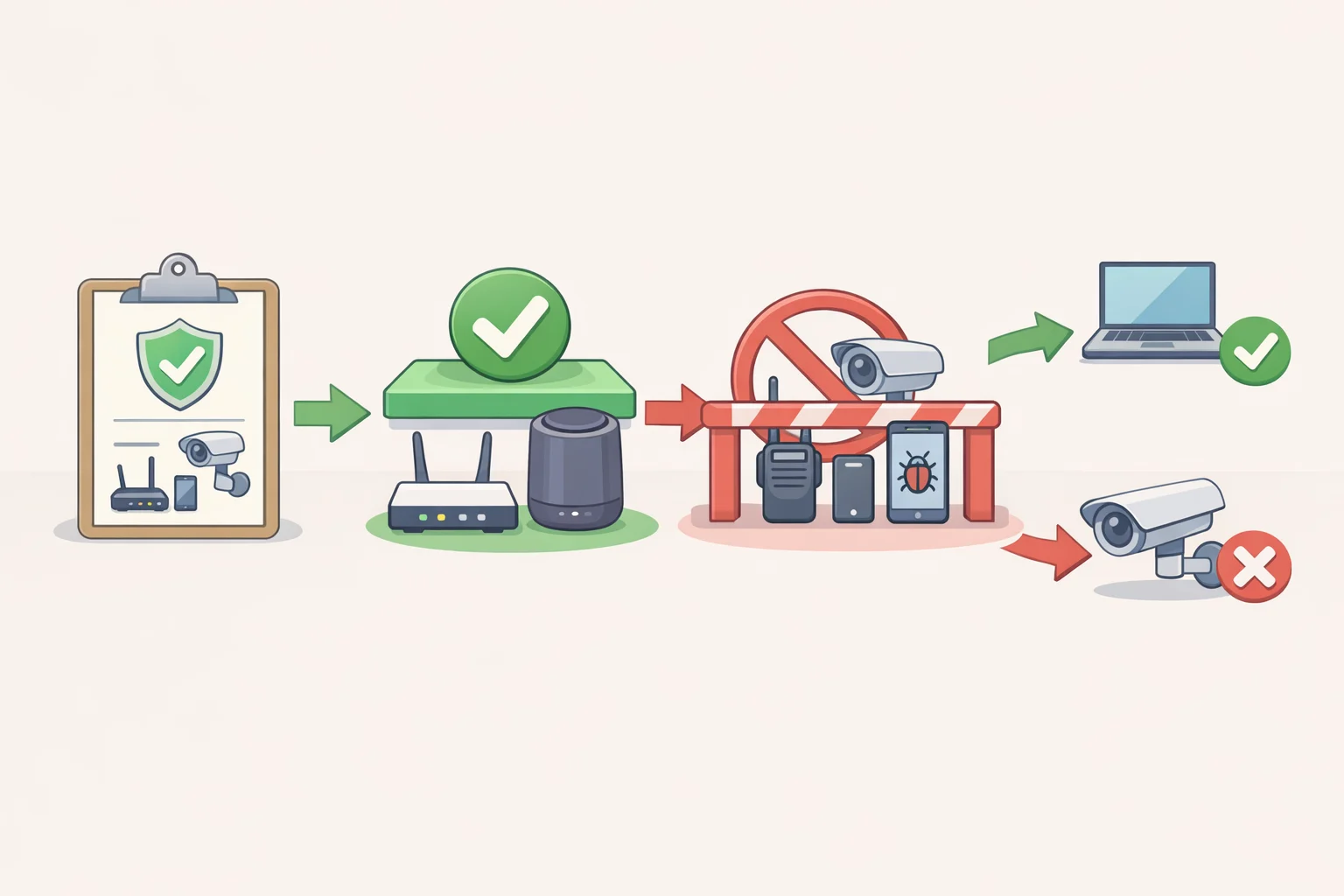
Any device on the Covered List is blocked from FCC equipment authorization, the clearance that nearly every electronic product must obtain before it can legally be imported, marketed, or sold in the US. Placement on the list is an effective market ban for new models, as Robotics & Automation News explains.
The FCC does not act alone here. A White House-convened interagency body makes the national security determination; the FCC is required to implement it. As the commission itself put it, it "cannot update this list on its own."
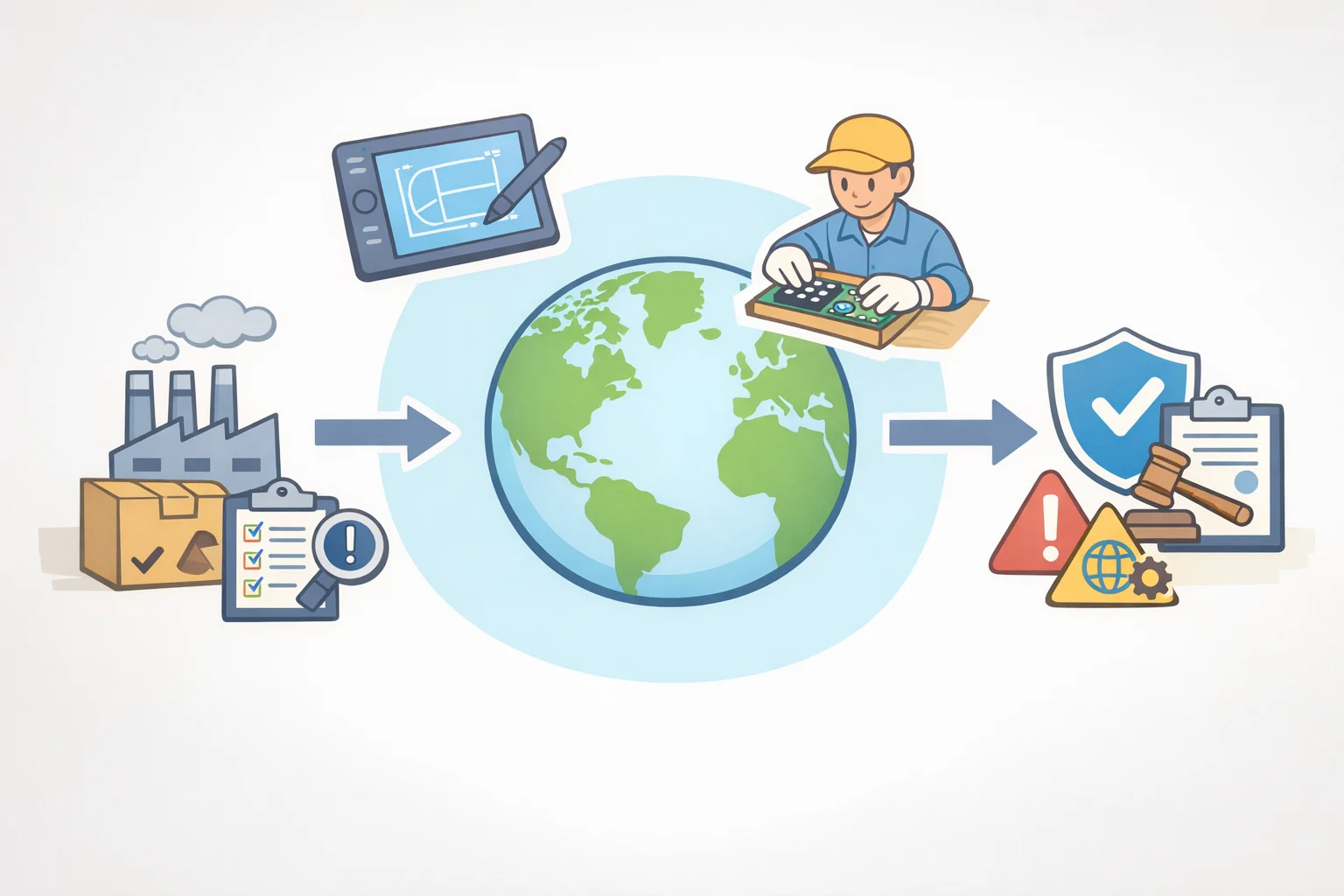
Robots follow a path already traveled by drones and Wi-Fi routers. Washington chose to route the robot restriction through FCC authorization rules rather than tariffs, the same mechanism used for drones, Semafor reported. The earlier router determination, issued earlier this year, defined "production" broadly, encompassing manufacturing, assembly, design, and development, according to the FCC's national security determination on routers. That language has not been confirmed as mirrored in the robot determination, but if it is, a device designed overseas and assembled domestically could still be covered. The compliance exposure for US brands with any offshore footprint would follow directly.
What changes now, for consumers and importers
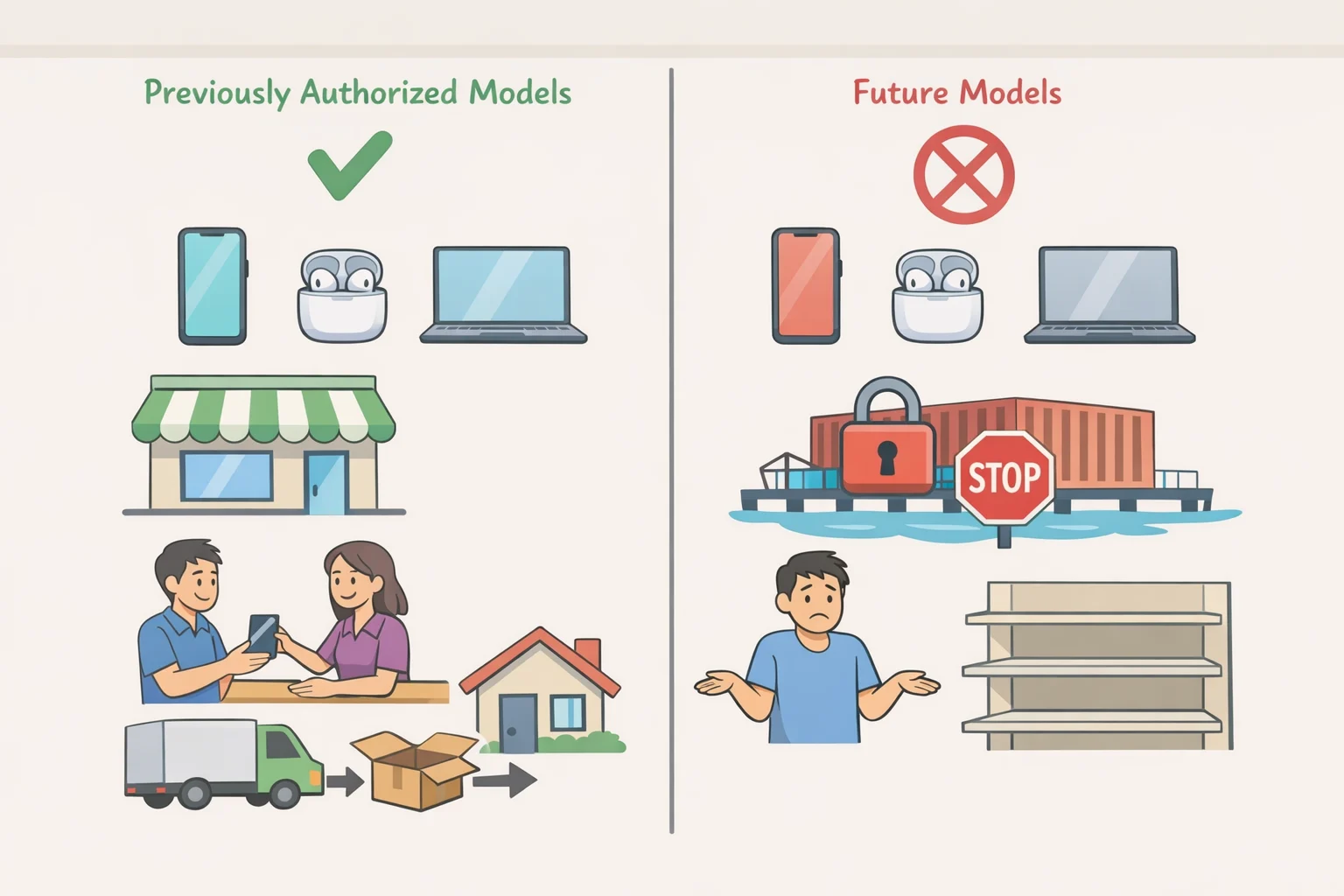
For anyone who already owns a robot vacuum or other connected home device, the FCC is explicit: this action does not affect previously purchased devices, the agency stated. Retailers can continue selling and importing models that already hold FCC authorization. Software updates for previously authorized foreign-supplied systems can receive waivers, according to The Robot Report.
The rule's immediate bite is entirely prospective. It closes the door on future foreign-made models that have not yet sought US market clearance, PCMag reported.
For importers and manufacturers, the picture is more complicated. The ban is officially country-neutral: any robot produced in a foreign country is covered regardless of the maker's nationality. Henrik Christensen, Qualcomm Chancellor's Chair in Robotic Systems at UC San Diego, warned that "the ban is potentially much wider than China. Canadian [and] European robots could be impacted," per The Robot Report.
Foreign-owned companies that manufacture domestically are exempt. Boston Dynamics, majority-owned by South Korea's Hyundai but built in the US, is the clearest beneficiary of that carve-out, The Register noted.
A conditional-approval pathway exists for manufacturers that can demonstrate their device does not pose unacceptable risk. Clearance comes from the Department of War or, for power inverters, the Department of Homeland Security. Applications are submitted to the FCC at [email protected], according to Robotics & Automation News.
Why some US robot makers could also get caught by the rule
Domestic manufacturers had spent months lobbying Washington to act before low-cost Chinese humanoids entered American factories, and some saw the announcement as a win. Evan Beard, CEO of Standard Bots, which makes industrial robot arms and designs its products using a heavily American supply chain, told Semafor he was up late the night the rule was announced, fielding calls from prospective customers.
The problem is that many US robot firms still rely on Chinese components or overseas assembly. If the robot determination defines "production" as broadly as the router ruling did, covering not just manufacturing but design and development as well, domestic brands with any offshore footprint could find their own future models ineligible. Andrew Kang, CEO of robot-investment company RoboStrategy, told Semafor the compliance burden is "almost impossible to solve for in the short term."
The drone industry is the cautionary comparison. Despite years of restrictions on DJI, no competitive US mass-market consumer drone producer emerged. Skydio, the most prominent American entrant, exited the consumer market in 2023. Georg Stieler, a global robotics advisor and managing director for Asia at STM, warned that cutting US startups and researchers off from low-cost Chinese platforms "could slow US physical AI innovation before comparable Western alternatives exist," per The Robot Report.
Stieler also identified a structural vulnerability the FCC rule does nothing to address. China accounts for more than 90% of global magnet-rare-earth refining and sintered permanent-magnet production, he noted, "creating a potential lever for countermeasures." Actuators, reducers, batteries, and sensors all sit upstream of any finished robot, foreign or domestic.
The open question
Near-term disruption in the advanced robotics market is probably limited. Most Chinese humanoid manufacturers have not yet meaningfully entered the US market, Rueben Scriven, senior research manager at Interact Analysis, told The Robot Report. The rule's immediate effect is on paper more than in practice.
The forward-looking question is definitional. The FCC's Covered List has expanded in a consistent direction: routers earlier this year, now mobile robots. What regulators have not yet said is whether connected consumer home devices, including robot vacuums, fall inside or outside the "advanced robotic devices" category as it will be applied to future authorization requests.
That is the clarification manufacturers, importers, and eventually shoppers are waiting for. The rule could matter significantly for the next generation of home robots. It also might not apply to them at all. Until the FCC or the interagency body defines where the consumer-device boundary sits, no one can say with certainty which side of that line a robot vacuum falls on.