Kmart camera glasses privacy concerns after AU sellout
Kmart's AU$89 Anko camera glasses sold out in stores and online by Tuesday afternoon, days after launching, according to Nine. Digital Trends reported the stock vanished overnight, even faster than that (Digital Trends). The scramble for a budget wearable camera has pushed Kmart camera glasses privacy concerns into the spotlight almost as fast as it emptied the shelves.
Price explains a good part of the rush. The Anko glasses undercut Ray-Ban Meta's Australian pricing of AU$367 to AU$709, while offering 1080p video, photo capture, Bluetooth calling and what Kmart's listing calls "image recognition and chat features," per Nine. Digital Trends frames the sellout as evidence of genuine demand for affordable smart glasses, though it stops short of saying how many units Kmart stocked or how many buyers will keep wearing them day to day (Digital Trends).
Camera-equipped eyewear isn't new. Meta has sold more than 7 million pairs of its Ray-Ban smart glasses worldwide, turning what was once a niche gadget into an established product category, per Digital Trends. Digital Trends puts the question now facing Australia bluntly: what happens when wearable cameras become cheap enough that almost anyone can buy one (Digital Trends)?
Anko camera glasses: what AU$89 actually buys
Video of the Day
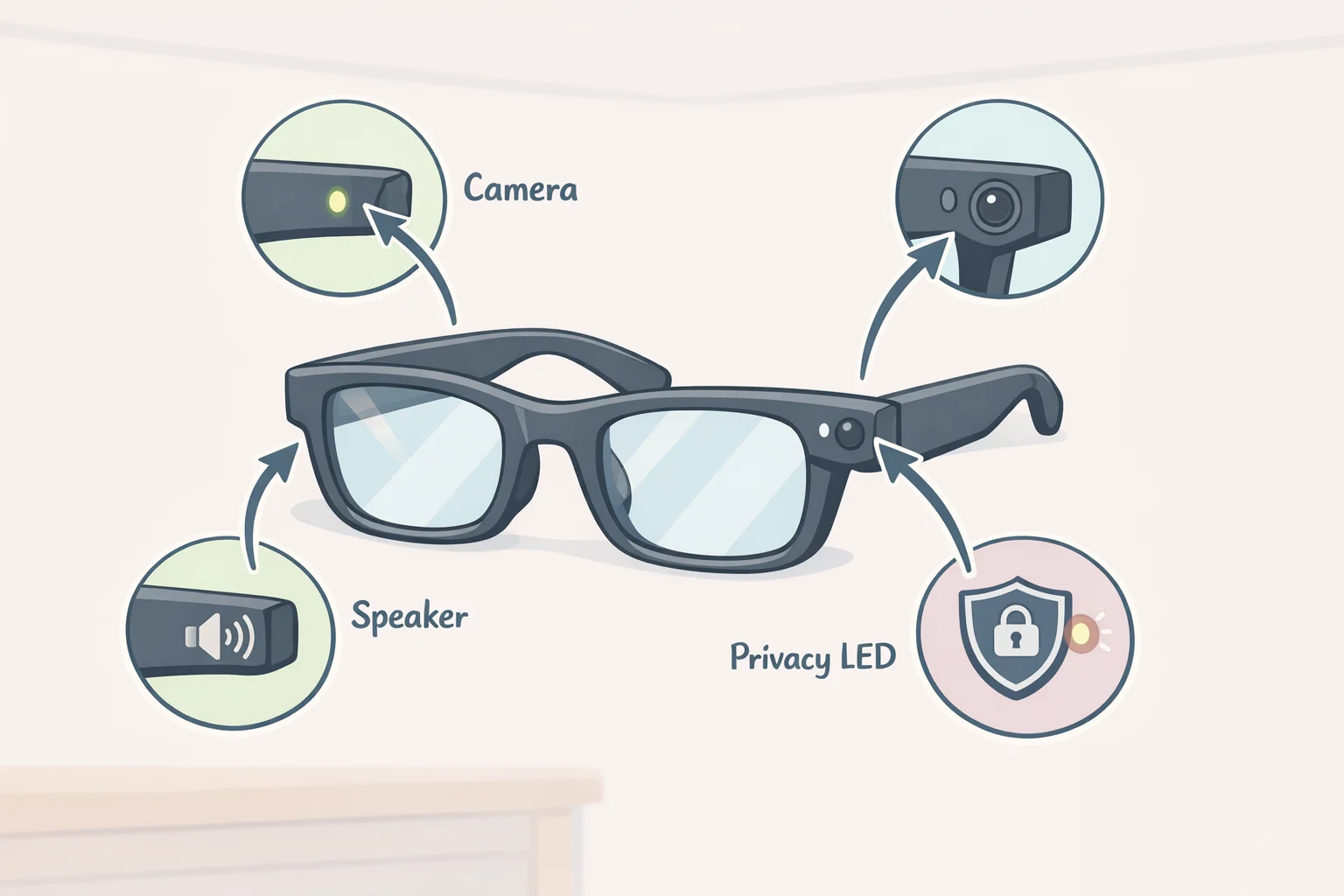
Kmart's product listing describes 8-megapixel photo capture, 1080p video, Bluetooth calling, touch controls and "image recognition and chat features," language that points to built-in AI, per Nine. The glasses run on HeyCyan, a software platform already used across a range of budget smart glasses sold through online marketplaces, according to Digital Trends. That places the Anko glasses inside a wider ecosystem of low-cost hardware, rather than standing alone as a one-off product.
Some Reddit users describe HeyCyan's software as noticeably slower than Meta's, though Digital Trends reports the core functionality remains remarkably similar.
What the listing doesn't say matters just as much. Battery life, storage capacity, maximum recording length, app permissions and how the privacy indicator actually behaves aren't detailed in Kmart's public product information, and nothing in the reporting says whether processing happens on the device itself or somewhere else.
Video of the Day
Kmart camera glasses vs Ray-Ban Meta: same features, different price
Ray-Ban Meta glasses run from AU$367 to AU$709 in Australia, nearly eight times the cost of the Anko glasses at the top end, according to Nine. Mediaweek's media analyst, Long, says Meta's hardware, image quality and software remain ahead of budget competitors, a distinction worth holding onto given how closely the feature lists overlap on paper (Mediaweek).
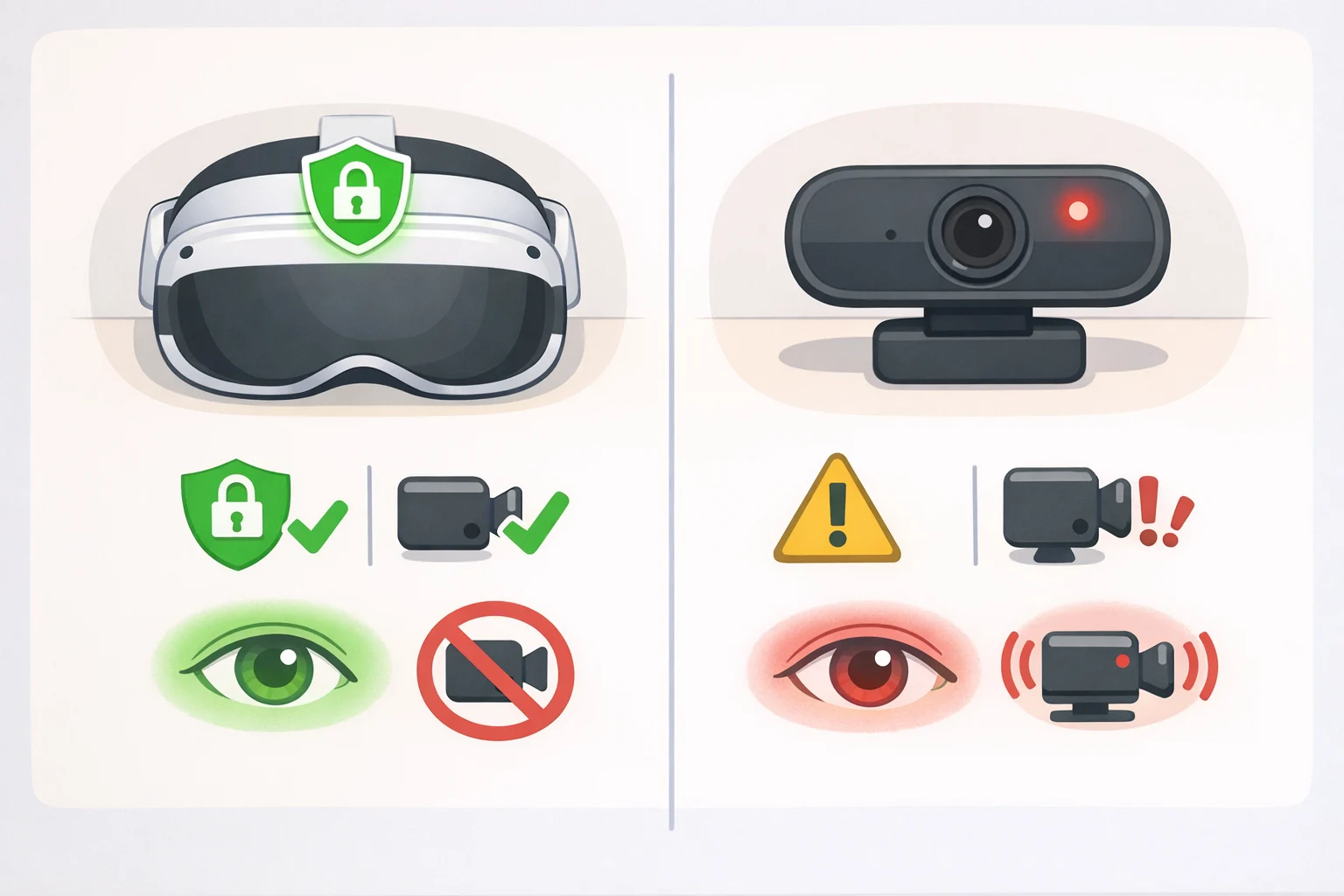
Meta's glasses carry one documented safeguard Anko's spec sheet doesn't mention: software that reportedly blocks recording if the privacy LED is covered, alongside a record of Meta acting against some videos showing harassment filmed on the device, per Digital Trends. Long doubts that protection extends to cheaper rivals: "If you try and cover up the little white light that indicates they're recording, they won't record. Will that be the same with different and more affordable brands that come to market? I doubt it."
Even Meta's own safeguard has its skeptics. Critics have repeatedly questioned how effective the LED indicator really is at signalling that recording is underway, according to Digital Trends. Long argues that fixating on one retailer misses the larger pattern: "If it's not Kmart it's another brand. If it's not a major retailer it's an online seller."
Camera glasses privacy in Australia: why consent breaks down
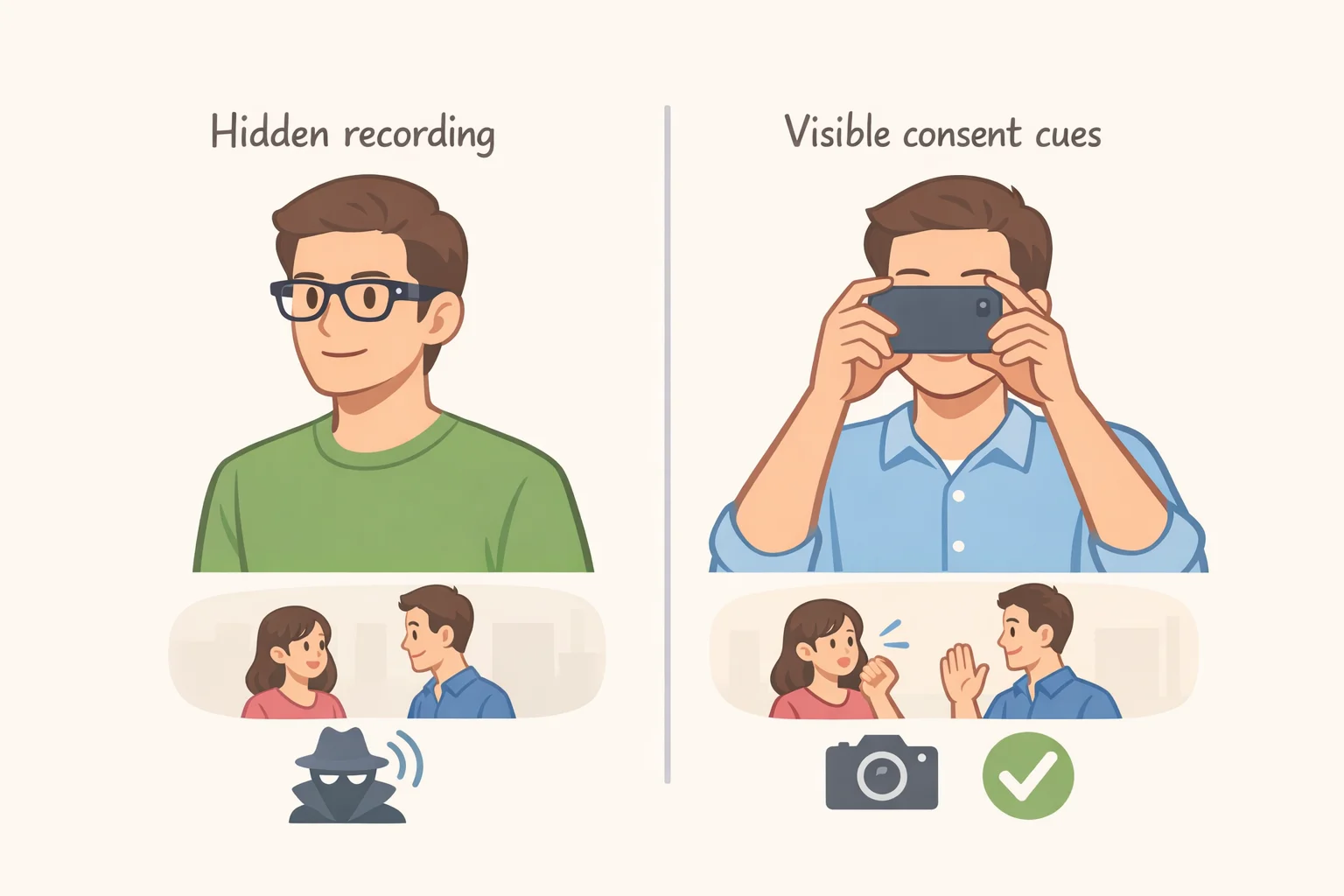
Tom Sulston, head of policy at Digital Rights Watch, told Nine that meaningful consent collapses once a camera is designed to record inconspicuously: "It's not possible to get consent because you're recording everyone around you all the time." Unlike a phone, glasses point wherever the wearer looks, and footage can move to a smartphone almost instantly for sharing, removing the visible cue of someone raising a camera to take a shot, according to Mediaweek.
Sulston connects that gap to a specific pattern of misuse, describing men who use hidden cameras "to kind of generate content for social media clout and views." Separately, he has called camera-equipped smart glasses a "privacy nightmare," arguing Australian privacy law hasn't kept pace with the speed of the technology, and pointed to cases where creators have allegedly used similar devices to harass people in public, per Digital Trends.
Kmart maintains the glasses belong to an increasingly common category of wearable technology and expects buyers to use them "responsibly, respectfully and in accordance with applicable laws and community expectations around privacy," per Mediaweek.
Long pushes back on treating this as a smart-glasses-specific problem. Smartphones already let people "record from a person's hand or pocket without a visible signal," he told Mediaweek, and a photographer with a long lens can capture detailed images from a distance too. For Long, the narrower debate over one product distracts from a bigger question: "We should be talking about whether or not it should be legal to photograph anyone in public without their permission."
Can camera glasses record people without consent in Australia?
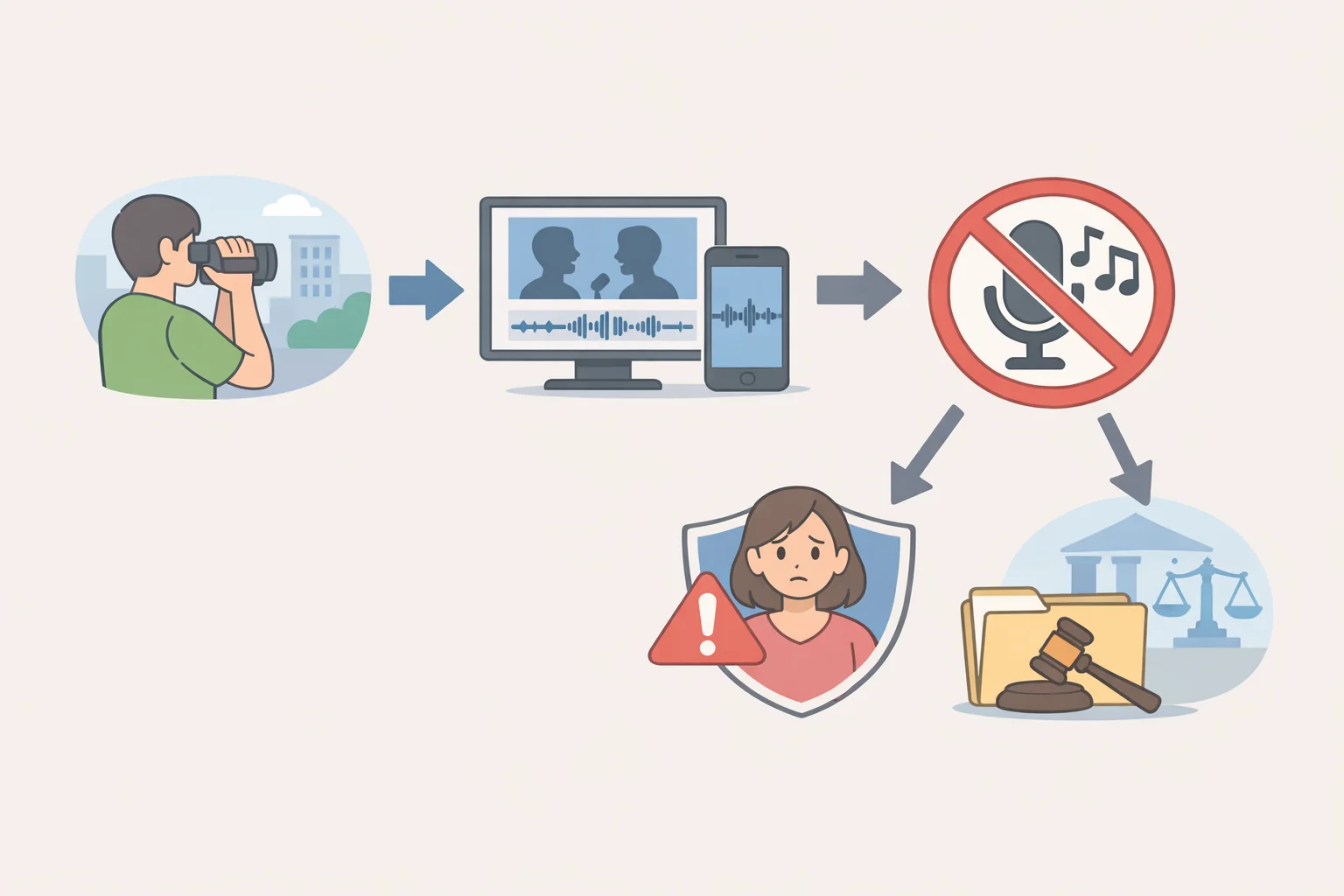
Filming people in public is broadly lawful in Australia. The legal position gets more complicated once conversations, rather than images, are involved, and once questions turn to what happens to footage after it's captured.
The federal government points to the Privacy and Other Legislation Amendment Act 2024, which created a statutory right to sue over serious invasions of privacy. A spokesperson for Attorney-General Michelle Rowland told Nine the government is aware of community concern about technology collecting personal information without people's knowledge, and that further reforms are planned "to ensure Australia's privacy laws are fit for purpose in the digital age."
Australia's privacy regulator has acknowledged that concern and says it's monitoring developments as the technology's use grows, according to Digital Trends. That's a watching brief rather than a fix, and it leaves the legal machinery aimed at wearable cameras still mostly reactive.
A third question concerns data, and it's specific to Anko rather than Meta. Monash University's Dr Victoria McAarthur asked where captured images and chat data actually go, how long they're stored, and whether they train AI systems, telling Nine those questions remain unanswered.
The reporting supplied for this article does not establish whether HeyCyan sends Anko footage to servers, uses it for AI training or supports facial recognition. Kmart's product description mentioning "image recognition and chat features" describes a function, not proof of cloud processing or model training. Meta's practices, by contrast, are documented: the EFF reports that Meta's glasses import footage by default into its AI app, route AI-triggered recordings to Meta's servers, and, per an investigation by Swedish journalists published earlier this year, have had sensitive footage reviewed by human contractors. That's a comparison point, not evidence about how Kmart's product handles data.
What's next for cheap camera glasses in Australia
Kmart hasn't said whether or when the Anko glasses will be restocked, and it hasn't detailed what safeguards, if any, are built into the device beyond its call for responsible use, per Mediaweek. Nor has the retailer addressed the storage and AI-training questions McAarthur raised.
The government's promised "further tranche of reforms" remains just that, a promise, without detail on whether wearable cameras will be treated any differently from phones or other recording devices, per Nine.
Long's take on where this leaves Australia is blunt: "In simple terms I think the horse has bolted," he told Mediaweek. Meta established the category, budget brands have already followed, and pulling one product off Kmart's shelves wouldn't stop the next one arriving from an online seller instead. Whether Australia's privacy framework catches up before more of these devices reach the shelves is, for now, an open question rather than a settled one.