Kanary Data Removal Service Review: Is Premium Worth It?
Kanary describes itself as "the digital and physical attack surface management platform, for people," a pitch that reaches well past what most people expect from a data-removal subscription (Kanary 2026 Product Brief). This Kanary data removal service review exists because that ambition creates a real gap worth examining: Kanary promises to track exposure across data brokers, social media, search engines, and even AI/LLMs, but the independent evidence behind "we found it and fixed it" is thin outside the broker category. CNET's review, published last month, calls Kanary a particularly strong fit for stalking victims and people with large public followings, in part because of its social-media scanning (CNET). Consumer Reports tested Kanary alongside six competitors in 2024 and found that the group, as a category, removed only 117 of 332 identified pieces of personal data, or 35%, after four months, though Kanary's individual result was not reported in the Consumer Reports article reviewed here (Consumer Reports).
This Kanary privacy service review breaks down what the company actually watches, what its two paid tiers cost, what's been independently verified and what hasn't, and which type of reader is genuinely best served by paying for it. Kanary's stated coverage is broader than the people-search removal services measured by Consumer Reports. Whether that breadth translates into better outcomes is a separate question, and the current evidence doesn't answer it.
What Kanary actually monitors
Video of the Day

Kanary's claims about personal data removal span four categories: data brokers, social media platforms, search engines, and AI/LLMs (Kanary 2026 Product Brief). Treating those as one "coverage" number obscures how differently they work. Removing a listing from a data broker means requesting deletion from a specific database, a mechanical process with a clear before-and-after. Kanary's product brief doesn't spell out the mechanics for search, social, or AI/LLM exposure the same way, so a reader evaluating Kanary's social media scanning claims should ask the company directly how "monitored" and "mitigated" translate into an actual removal or takedown on each platform.
Kanary reports that it has monitored and mitigated exposures across more than 68,000 unique sites, a figure that speaks to scale but arrives without an explanation of how it was calculated (Kanary 2026 Product Brief). What counts as a "mitigated exposure" isn't defined in the brief, which is a gap in the company's own disclosure rather than a finding the source itself makes.
The company is upfront about one limit. It focuses on publicly exposed data, and tells prospective customers to raise anything involving government agencies, foreign companies, or other highly resourced organizations during onboarding rather than expecting a standard plan to handle it (Kanary 2026 Product Brief). For someone dealing with exposure tied to one of those actors, signing up for Advanced isn't the end of the conversation. It's the start of one.
The independent evidence cited in this review is concentrated in the data-broker and people-search categories, largely because that's what researchers have actually measured. For social platforms, search results, and AI/LLM exposure, what's publicly available is Kanary's own feature description and CNET's favorable but qualitative assessment, not a measured removal rate. That gap doesn't disappear later in this review. It becomes the central question.
Video of the Day
Kanary data removal service review: what Core and Advanced actually cover
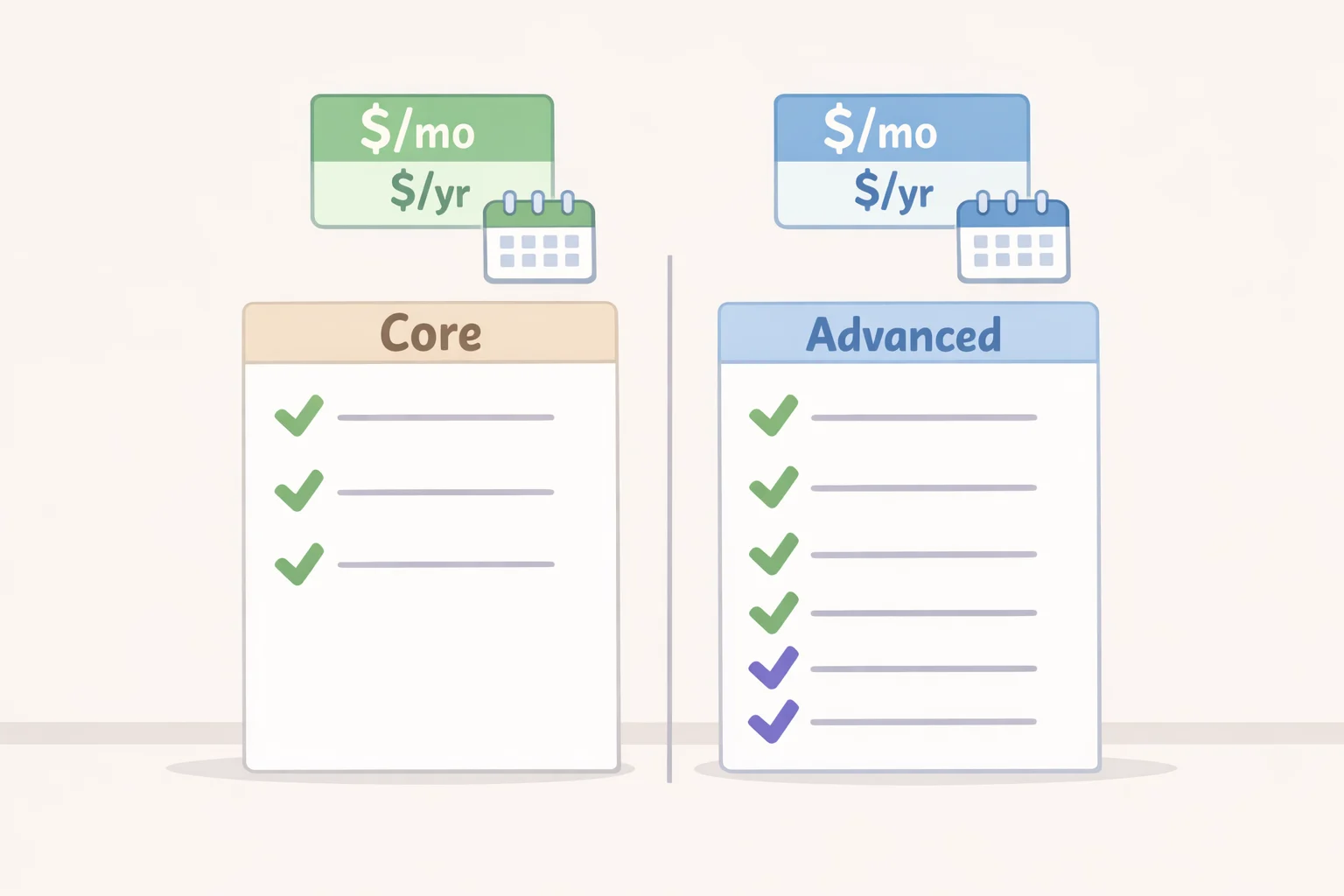
Kanary sells two consumer tiers. Core runs $25 a month or $250 a year and covers the highest-traffic sources. Advanced runs $50 a month or $500 a year and adds full-site coverage plus social media and AI/LLM monitoring (Kanary 2026 Product Brief). Kanary offers a 30-day money-back guarantee, and setup takes under five minutes with scans starting immediately (Kanary 2026 Product Brief).
That pricing sits at the top of the range Consumer Reports surveyed in its 2024 test, which spanned $19.99 to $249 a year among the seven services it evaluated (Consumer Reports). Price and performance didn't move together in that test. EasyOptOuts, the cheapest service at $19.99 a year, hit a 65% removal rate after four months. Optery, at $249 a year for the tier tested, hit 68%. Those were the two best results in the study, and both cost less than Kanary's Advanced plan (Consumer Reports).
None of that proves Kanary underperforms those two. Kanary was one of the seven services CR tested, but Consumer Reports did not publish Kanary's individual removal rate in the reporting reviewed for this piece, so a direct comparison isn't possible. What the pricing does establish is that Kanary is charging a premium, as a data broker removal service and beyond, relative to the services and prices documented in Consumer Reports' 2024 test, for coverage categories that don't yet have an independent track record.
The support layer attached to that premium is worth understanding on its own terms. Kanary sends status emails one to two times a month, and says it can escalate matters to regulators or work with legal counsel every 15, 30, or 90 days depending on the severity of the threat (Kanary 2026 Product Brief). The brief describes this as something Kanary can do based on assessed severity, not a guaranteed action taken automatically. Anyone signing up expecting regulator escalation on day one should confirm what actually triggers it.
Calling Kanary's price defensible for high-risk users is a conditional judgment about monitoring breadth and support infrastructure. It is not a claim that Kanary removes data more reliably than cheaper, independently tested alternatives built specifically for broker removal. The evidence to support that stronger claim doesn't currently exist.
What independent testing can and cannot prove
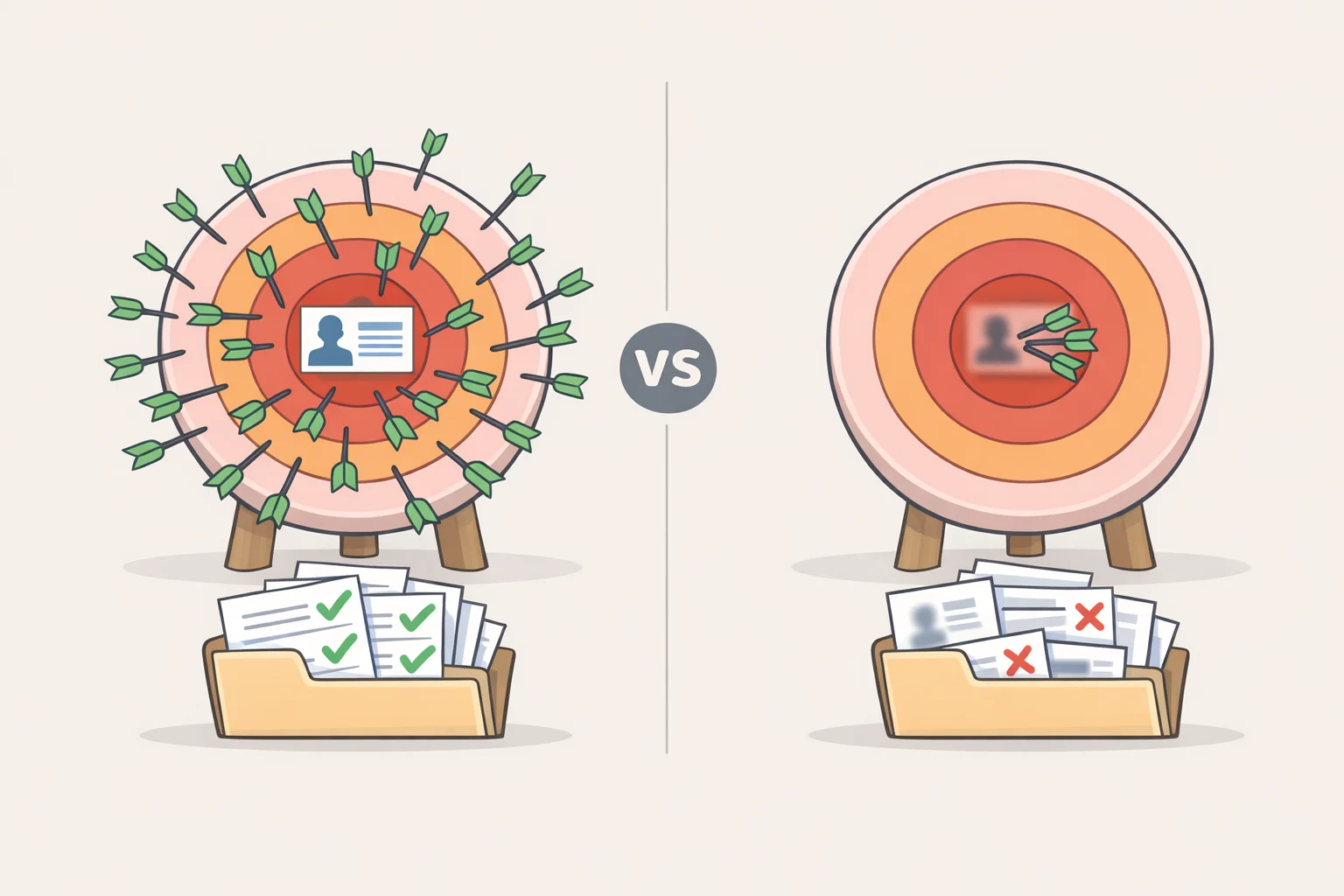
The dysfunction Kanary is selling into is well documented. A study of 543 California-registered data brokers found that 40% never responded to consumer data-access requests at all, and the ones that did respond used inconsistent, often burdensome identity-verification processes (CyberScoop). The study's authors described this as a paradox: exercising a privacy right under California law ended up creating new privacy risks of its own (CyberScoop).
Compliance, where it technically exists, is often cosmetic. The Markup and CalMatters reviewed all 499 brokers registered in California and found 35 had code hiding their opt-out pages from search engines, plus five registry-listed pages that didn't exist at all, according to reporting published last year (The Markup/CalMatters). After being contacted, eight companies agreed to review or remove the code and two said they'd already deleted it independently; reporters later confirmed nine of the ten had done so. Two other companies said they'd added the code deliberately to cut down on spam and had no plans to remove it (The Markup/CalMatters).
California's Delete Act calls for a system called DROP, the Delete Request and Opt-out Platform, that would let residents file one legally binding deletion request to every registered broker at once, according to that same reporting. Because DROP is designed for registered data brokers, it would not by itself address social-media, search-result, or AI/LLM exposure, the areas where Kanary's Advanced tier claims its main advantage over a basic broker opt-out service (The Markup/CalMatters). In enforcement actions reported last year, California's privacy agency fined Todd Snyder nearly $350,000 and Honda agreed to pay more than $630,000, in both cases over violations that included making opt-outs too difficult to complete (The Markup/CalMatters).
That non-response, cosmetic-compliance environment is what Kanary's escalation feature is meant to address. Kanary's own materials describe an ability to escalate matters to regulators or work with legal counsel on a recurring schedule tied to threat severity, a structurally different approach than a single manual request into a system built around silence (Kanary 2026 Product Brief). Whether that persistence actually produces more completed removals than a one-time manual effort isn't something the available research measures. It's a plausible mechanism, not a demonstrated outcome.
The distinction that matters most here is between paying for persistence and paying for accuracy. Separate research examining four popular PII-removal services found that only 41.1% of the personal records those services flagged actually belonged to the person being monitored (Brave Research). The same study reported a 48.2% figure for successful removals among identified records, but the paper's own wording around that denominator is unclear, so it's worth treating as directional rather than precise (Brave Research). Kanary wasn't among the four services tested, but the finding illustrates the accuracy and completion problems common across this product category. It says nothing specific about Kanary's own hit rate. The evidence supports persistence as a reason to pay, but not Kanary's accuracy.
Consumer Reports' study carries limits that matter before applying its results to Kanary. Researchers recruited 32 volunteers, split into groups of four per service across seven services, including Kanary, plus a four-person manual opt-out group, and tracked removals across 13 people-search sites over four months (Consumer Reports). To protect volunteers' privacy, the services were given a limited amount of information about each participant, less than some services normally request, which makes it hard to know how results would have changed with fuller information. Four volunteers per service is also a small sample, and Consumer Reports did not publish Kanary's individual removal rate in the reporting reviewed for this piece, even though Kanary was one of the seven services tested.
The subscription doesn't guarantee a few things worth naming plainly. Deleted information can reappear, so removal is better treated as recurring maintenance than a permanent fix (Consumer Reports). Kanary covers publicly exposed data only, not private datasets held by government agencies, foreign companies, or other highly resourced organizations (Kanary 2026 Product Brief). Some sites legally have up to 90 days to respond, and Kanary's own materials note some responses take that long (Kanary 2026 Product Brief). Kanary has no independently published removal rate of its own, in any category, as of this review.
The broader dysfunction in this industry explains why paying someone to persist has value. It says nothing about whether Kanary specifically finds the right records about the right person, or removes them reliably once found.
Who should consider Kanary, and who should choose something else
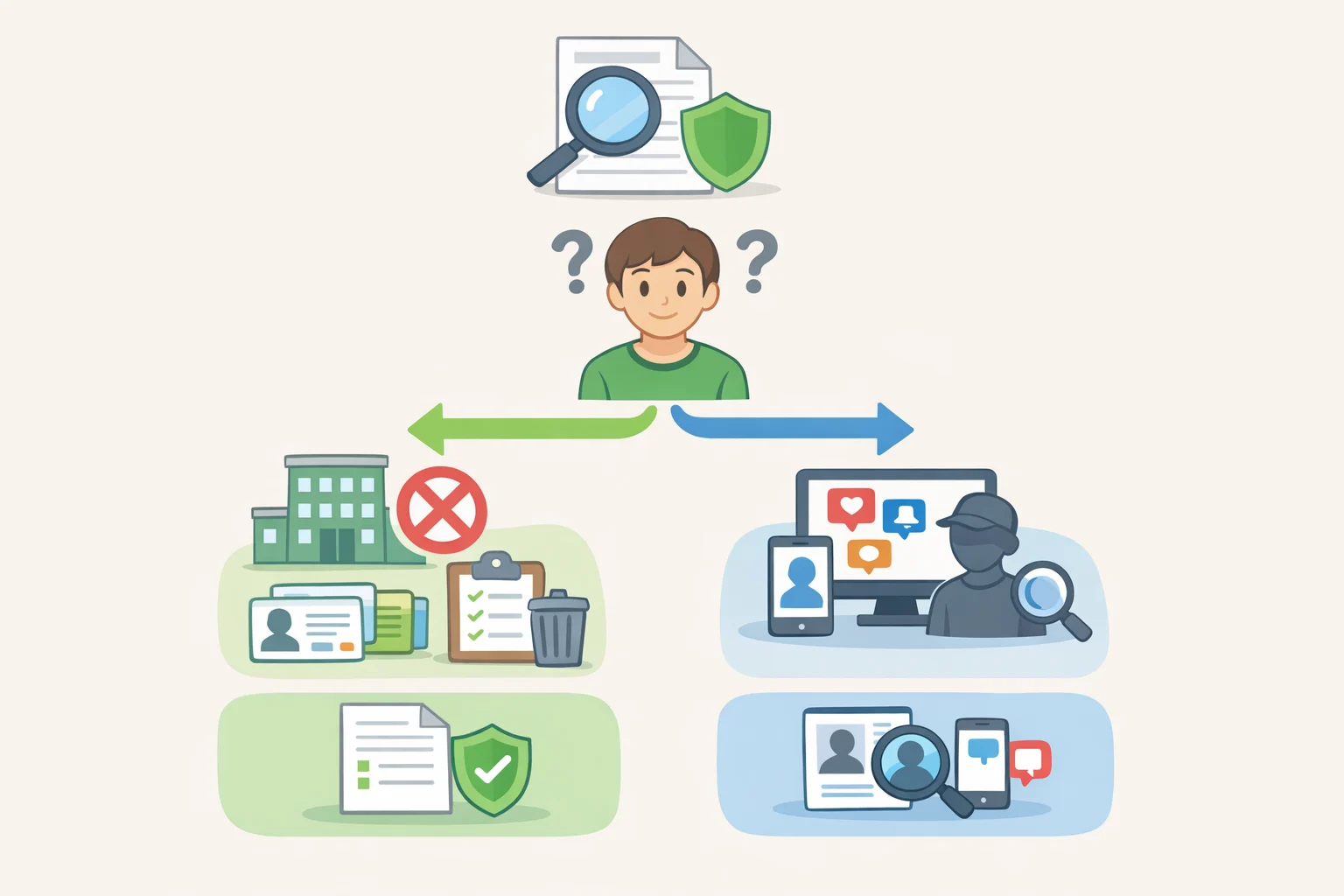
Three types of buyer are effectively asking different questions. The evidence supports Kanary most clearly for readers who need broader monitoring, not for readers comparing broker-removal rates.
For someone whose only goal is getting off standard people-search sites, cheaper and independently tested options currently have better documented results. EasyOptOuts and Optery posted the two best removal rates in Consumer Reports' 2024 test, at $19.99 and $249 a year respectively, both cheaper than Kanary's $250-to-$500 annual range (Consumer Reports). Kanary is not the evidence-based pick if broker removal is the entire job.
For someone managing active social-media harassment, doxxing risk, or exposure tied to a large public following, the calculation shifts. CNET points to Kanary's social-media scanning as a specific strength for stalking victims and people with sizable followings (CNET). Among the services covered by the research reviewed here, Kanary is the one CNET specifically describes as offering social-media scanning. Its product brief describes an escalation process that is not part of the broker-removal features documented in the Consumer Reports comparison. That's worth evaluating, with the understanding that "worth evaluating" and "proven effective" aren't the same claim. The research reviewed for this piece includes no independent outcome data covering Kanary's social, search, or AI/LLM monitoring specifically.
Start with free tools if the goal is simply gauging how much exposure exists. Permission Slip helps people identify which companies hold their data and request deletion directly, and Security Planner offers a personalized, no-cost plan for reducing what's collected and securing existing accounts (Consumer Reports). Neither replicates Kanary's broader monitoring scope, but both cost nothing and can clarify how much exposure actually exists before committing to a subscription running into the hundreds of dollars a year.
A note for organizational buyers
Kanary also sells team accounts, structured two ways. Member-managed accounts are typically rolled out as an employee benefit, while admin-managed accounts are run by security analysts or executive admins (Kanary 2026 Product Brief). The company offers API access for pulling scan data into an existing security stack, along with audit-ready logs and screenshots aimed at streamlining audit readiness, not at establishing regulatory compliance on their own (Kanary 2026 Product Brief).
This is a meaningfully different product serving a different buyer with different stakes. Nothing in the consumer-focused research discussed above extends to team accounts, and no independent study has measured their outcomes either.
What the evidence actually supports
Kanary is difficult to justify for ordinary people-search removal, but potentially worth testing for high-risk users who specifically need social-media monitoring and accept that those capabilities are not independently verified.
That verdict rests on a simple asymmetry. Kanary's broker-removal claims compete against services with published, measured results. Its social, search, and AI/LLM monitoring claims compete against nothing measured at all. Paying the premium only makes sense once a reader has decided that breadth of coverage matters more than a documented track record.
Even the best-performing options in Consumer Reports' test fell short of manual effort, which succeeded 70% of the time despite the tedium involved (Consumer Reports). No service in this category, Kanary included, should be treated as a permanent fix. Before the refund window closes, anyone testing Kanary should check which sources appear in the first scan, whether the specific platforms they care about are actually covered, what counts as a completed removal, how often rescans happen, and what escalation would concretely look like at their threat level (Kanary 2026 Product Brief). Those answers will do more to justify the price than any marketing claim about site counts.
California's enforcement actions against Todd Snyder and Honda, and its move toward a centralized broker deletion system, point to where regulatory pressure on this industry is heading. If centralized broker deletion works as intended, premium services like Kanary will face growing pressure to publish verified results across social, search, and AI/LLM monitoring, not just broker removal claims, in order to justify charging above the market.