Meta Smart Glasses Banned in UK Courts: Rules Explained
Anyone walking into a court or tribunal in England and Wales wearing Meta smart glasses will have them taken at the door and handed back on the way out, according to His Majesty's Courts & Tribunals Service (HMCTS), which runs criminal, civil and family courts across the two nations (Eastern Eye, today). The reasoning is straightforward: recording inside courts already requires permission, and HMCTS says smart glasses get no exception just because they look like ordinary eyewear (Eastern Eye, today).
That confirmation has prompted a wave of searches asking whether Meta smart glasses are banned in UK courts outright. The honest answer is more specific: it's a confiscation policy, tied to HMCTS's own buildings, not a nationwide prohibition. Away from the courtroom, a separate and messier patchwork has formed. Wetherspoon tells customers to switch off their cameras in its 800-plus pubs but doesn't ban the eyewear itself (The Register, yesterday), while other operators, from private members' clubs to comic convention organisers, have gone considerably further (PCMag UK, today).
Are Meta smart glasses prohibited in UK courts?
Video of the Day

HMCTS treats the glasses the same way it treats any other recording device. A spokesperson said their use is prohibited because of existing restrictions on capturing images or video inside courts and tribunals, restrictions that predate the glasses entirely (Eastern Eye, today). HMCTS's confirmation concerns the courts it runs in England and Wales specifically.
Smartphones aren't confiscated on the same basis. They can still be carried into court buildings, provided nobody uses them to record proceedings, which suggests the underlying rule is about the act of filming rather than the shape of the device doing it (Eastern Eye, today). Several private venues, as it turns out, have landed on a similar distinction.
The clearest incident on record involves a High Court judge who, earlier this year, accused a man wearing smart glasses during a case of receiving coaching while answering questions. The man denied using the glasses that way and denied they were connected to his phone at all (Eastern Eye, today).
HMCTS does not keep figures on how many smart-glasses incidents have actually occurred in its buildings, which makes it hard to say how often the problem shows up versus how often the glasses are simply flagged on sight (Eastern Eye, today). New York's court system has taken a similar step, banning the devices to prevent covert recording of proceedings, and members of Mark Zuckerberg's own security team were reportedly seen wearing Meta glasses during a trial in California earlier this year, prompting a judge there to warn of possible contempt charges if anything had been recorded (Eastern Eye, today).
Video of the Day
Meta glasses confiscated at court entrances, but rules vary elsewhere
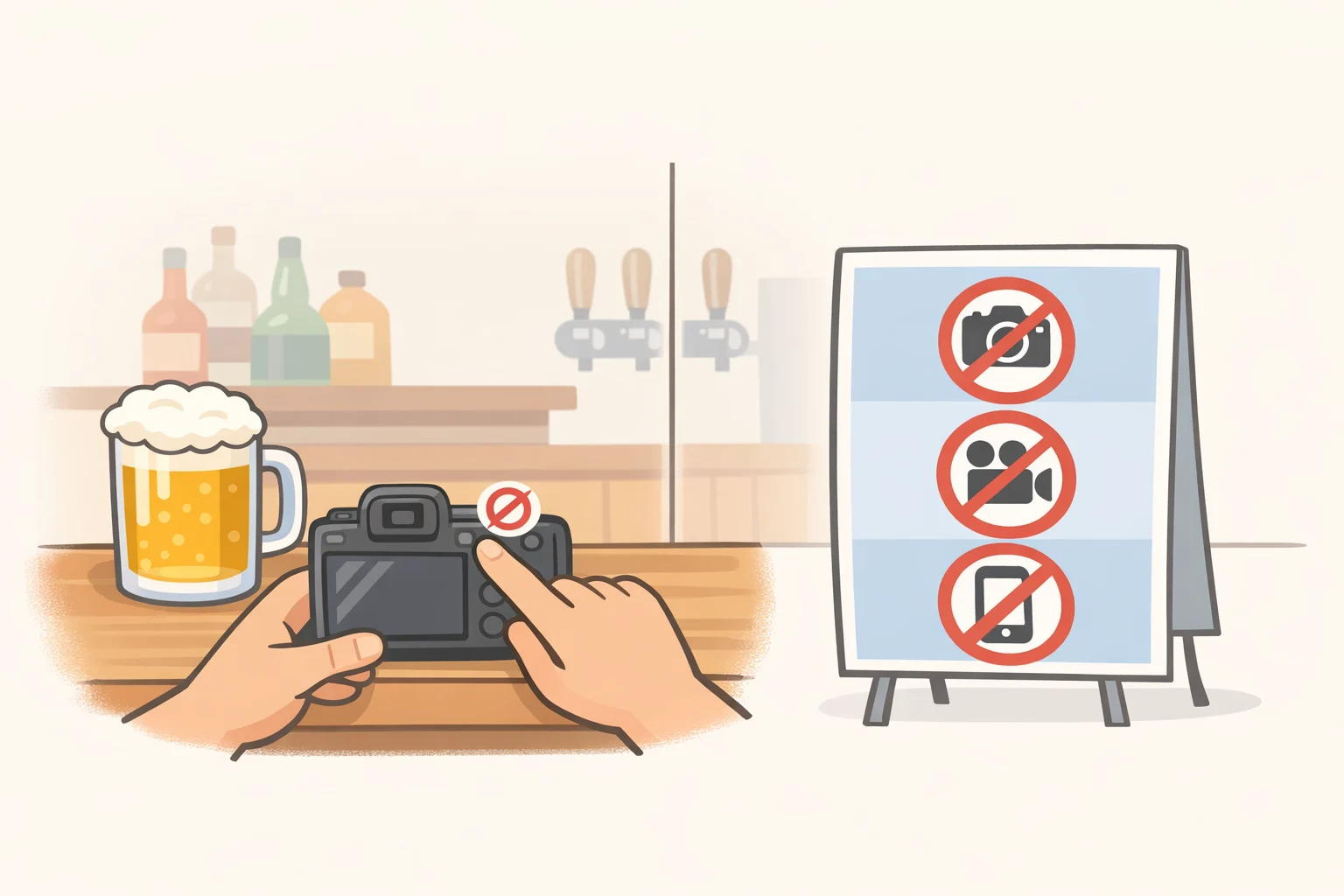
Courts confiscate. Wetherspoon asks for cameras off. Beyond that, the rules stop being uniform even among businesses with similar concerns.
Wetherspoon's position, confirmed directly to The Register, is that customers can keep the glasses on but not use them to film, since the chain already bars filming customers or staff without consent in its pubs (The Register, yesterday). A spokesperson said Meta glasses "seem to breach this code, and common sense, by enabling surreptitious surveillance," comparing the instinct to turn off cameras to the pub chain's existing efforts to stop customers playing videos out loud (The Register, yesterday).
Other venues have drawn narrower or broader lines depending on who you ask. Soho House doesn't allow filming inside its private clubs, and staff can ask anyone wearing the glasses to remove them, which is a filming restriction with teeth rather than a blanket possession ban (Eastern Eye, today). ATG Entertainment, which owns venues including the Bristol Hippodrome, takes the same approach: no filming, and wearers will be asked to take the glasses off (PCMag UK, today). Trafalgar Entertainment simply doesn't permit the glasses, full stop, according to The Register (The Register, yesterday).
London restaurateur Jeremy King has said the glasses shouldn't be worn in his restaurants, Arlington, The Park, and Simpson's in the Strand, framing it as a refusal to allow any invasion of guest privacy beyond what someone could already see with their own eyes (Eastern Eye, today; The Register, yesterday). Monopoly Events, which runs UK Comic Cons, has gone furthest of all: an outright ban, with attendees spotted wearing the glasses risking ejection and forfeiture of any pre-booked signings or photo sessions (PCMag UK, today; The Register, yesterday).
Four operators, four slightly different rules. None of them agree on whether the problem is filming, wearing, or both.
The trust problem a blinking light hasn't solved
Domestic abuse charity Refuge has repeatedly warned that the glasses "threaten the safety of all women and girls in public, facilitating harassment, surveillance and other abuse" (The Independent, last week). Some women have described feeling violated after learning they'd been secretly filmed by someone wearing the glasses (The Independent, last week).
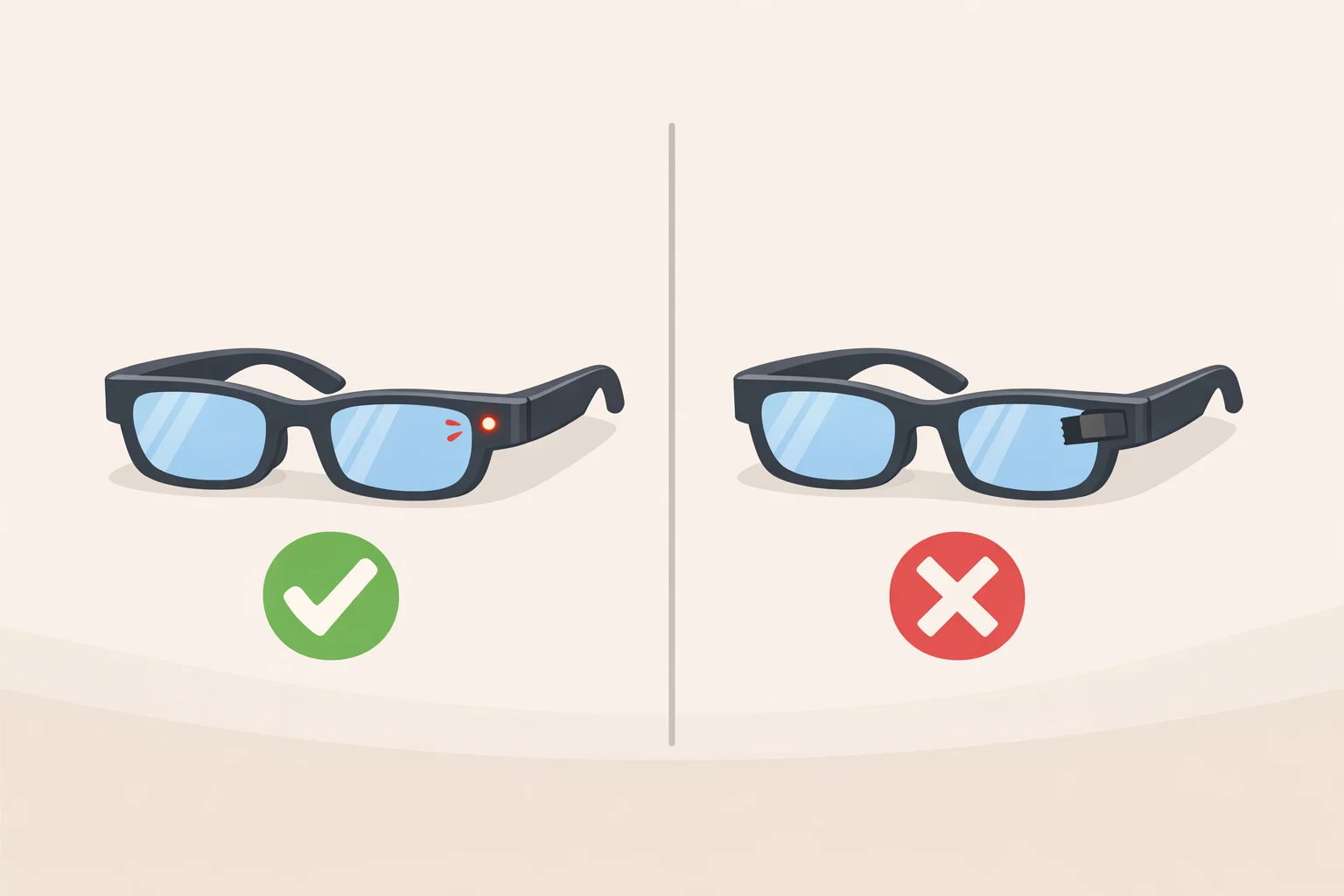
Meta's answer is a non-removable capture LED that lights up during recording, paired with tamper detection designed to disable the camera if the light is covered or damaged (LBC, last week). Journalist Joanna Stern reportedly found modders removing that indicator entirely for about $100, which undercuts the safeguard's central promise: that the light can't come off (PCMag UK, today).
The concern doesn't end once footage is captured, either. Meta's terms allow it to store, copy and share video that users upload from the glasses, subject to individual privacy settings, which means the question of trust extends past the moment of filming into what happens to the clip afterward (LBC, last week). Instagram head Adam Mosseri has said the platform will remove harassment content filmed with the devices and that Meta will fight the trend "every way that we can," though that's a cleanup response after the fact rather than a way to stop the recording happening in the first place (The Independent, last week).
Not everyone agrees the restrictions make sense
Support for the glasses hasn't disappeared entirely. Michelin chef Tom Kerridge has said he has no problem with customers wearing them in his restaurants and pubs, a position that sits at odds with Soho House's or Jeremy King's rules (PCMag UK, today).
Blanket bans create their own friction. DEF CON, the security conference that wrapped up last week, applied its no-recording-glasses policy even to attendees using the frames with prescription lenses, with no carve-out for people who simply need to see (The Register, yesterday).
Meta argues the same hardware also powers features that have nothing to do with covert filming: live translation, hands-free calls, and AI queries about what a wearer is looking at. A company spokesperson called these features "critical" for people who are low-sighted or hard of hearing, and said restricting the technology across the board would be "a major step backwards" (The Independent, last week). The spokesperson added that rules banning filming in some places are reasonable, but that they "should be applied consistently," pointing out that the glasses have a light that flags a photo or video being taken, something ordinary smartphones don't have (The Independent, last week).
What this means if you're heading into a UK venue
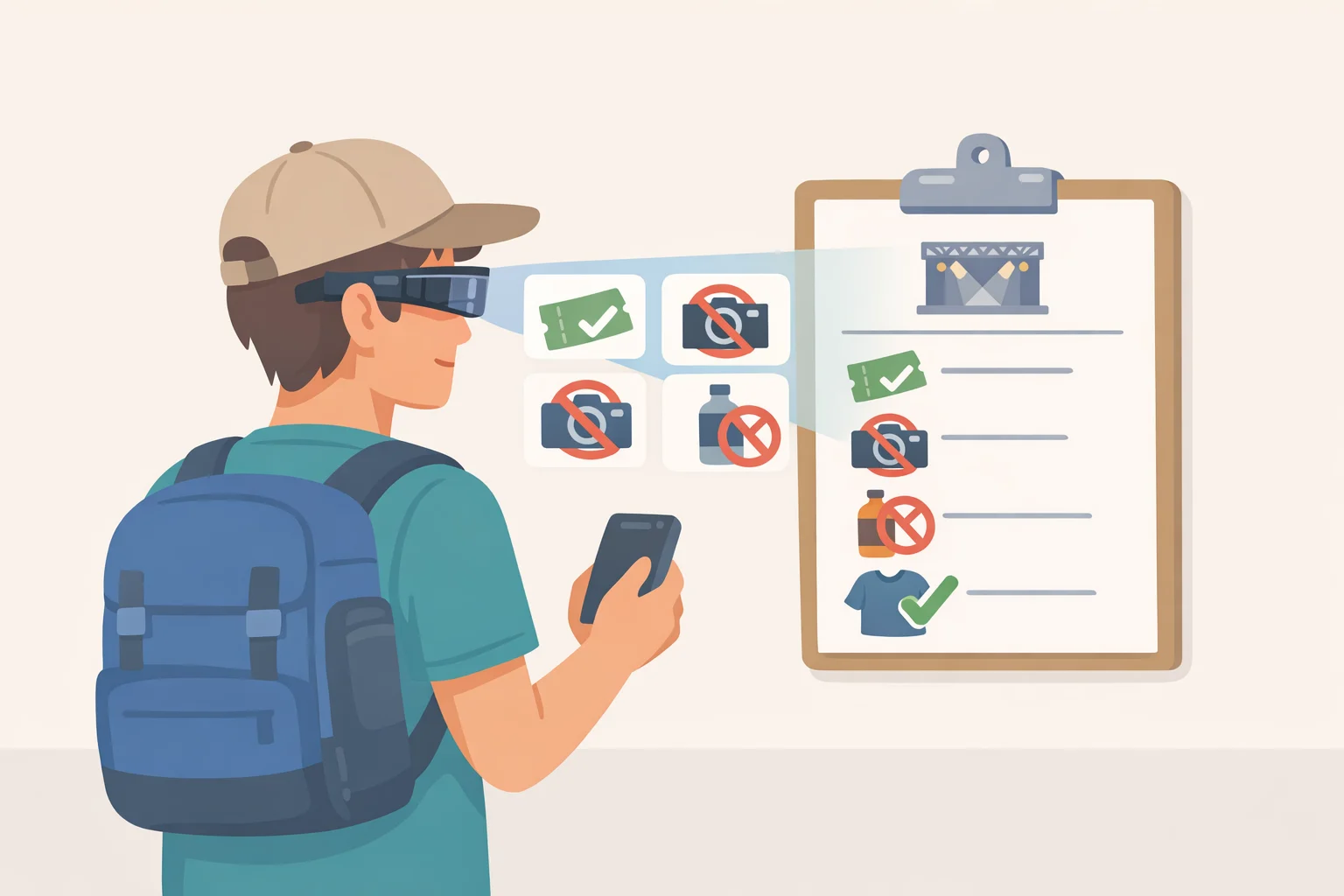
None of this amounts to a single UK rule anyone can memorise. Court confiscation applies specifically to HMCTS buildings in England and Wales. Wetherspoon wants cameras off but the glasses can stay on. Soho House and ATG will ask wearers to remove them if filming is a concern. Trafalgar Entertainment and Monopoly Events don't permit the glasses at all, with Monopoly Events threatening ejection and forfeited bookings for anyone caught wearing them.
The practical move is to check the specific venue or event before turning up wearing them, rather than assume a nationwide standard exists. Meta sold roughly 7 million pairs of smart glasses last year despite the growing pushback (Eastern Eye, today), and the broader non-display smart-glasses market grew 167% year-over-year in the first quarter, according to IDC data published in June (PCMag UK, today). That growth is precisely why the current mismatch of confiscation, camera-off, and outright bans is worth tracking. More people are buying the glasses, more venues are writing rules for them, and right now those rules don't agree with each other.