Meta camera-free smart glasses: what we know about Luna
Meta is reportedly preparing its first camera-free smart glasses, a sharp turn for a company that has spent two years building its wearables business around hands-free photo and video capture. The glasses, referred to in reports by the internal codename "Luna," would swap the lens for six microphones and a voice-first AI interface, according to SBS News, which cites the tech outlet The Information. None of this comes from Meta directly, so the name, specs, and timing below are drawn from sourced reporting rather than company confirmation.
The glasses could ship in October in two styles, Clubmaster and Burbank, per the same SBS News report. Meta Connect runs September 23 to 24, one week from this writing, and that reporting points to the conference stage as the likely venue for a reveal. What follows is a rundown of what's reportedly coming, what remains unverified, and why a camera-free model would mark a genuine fork in Meta's glasses strategy.
What Meta's camera-free smart glasses reportedly include
Video of the Day
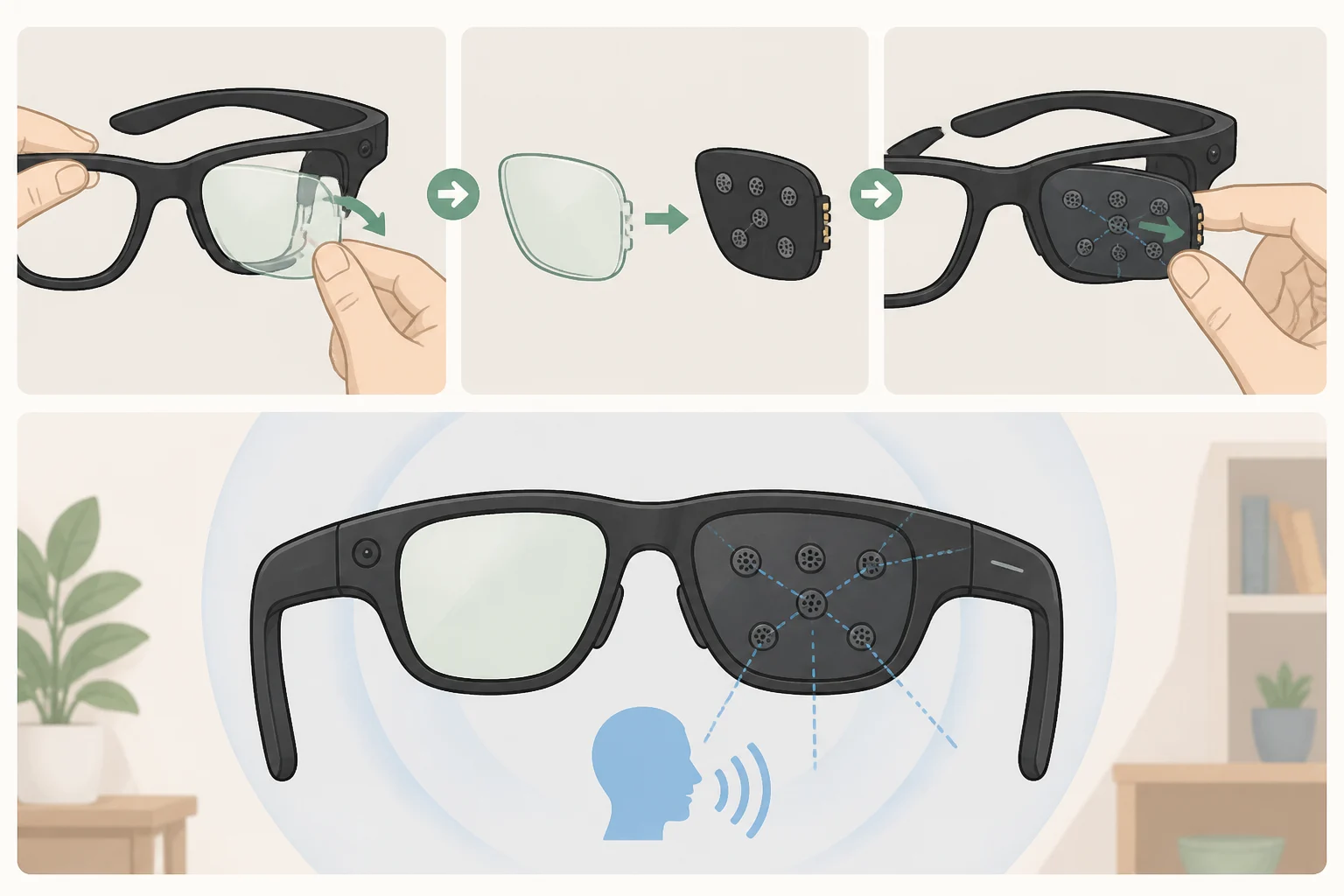
The core of the leak is simple: Meta is weighing glasses that skip the camera entirely and lean instead on audio and AI, according to SBS News, citing The Information. Treat overlapping coverage of this story as one report moving through multiple outlets, not as independent confirmation, since it traces back to a single original source.
That distinction matters for a company whose current glasses lineup is built almost entirely around camera capture. Meta Glasses, the company's newest line built with EssilorLuxottica, let wearers "take photos and videos hands-free to stay present in the moment," according to Meta's launch announcement. A model that strips the camera out isn't a spec tweak. It's a different product entirely.
Video of the Day
Meta Luna smart glasses: leaked features and specs
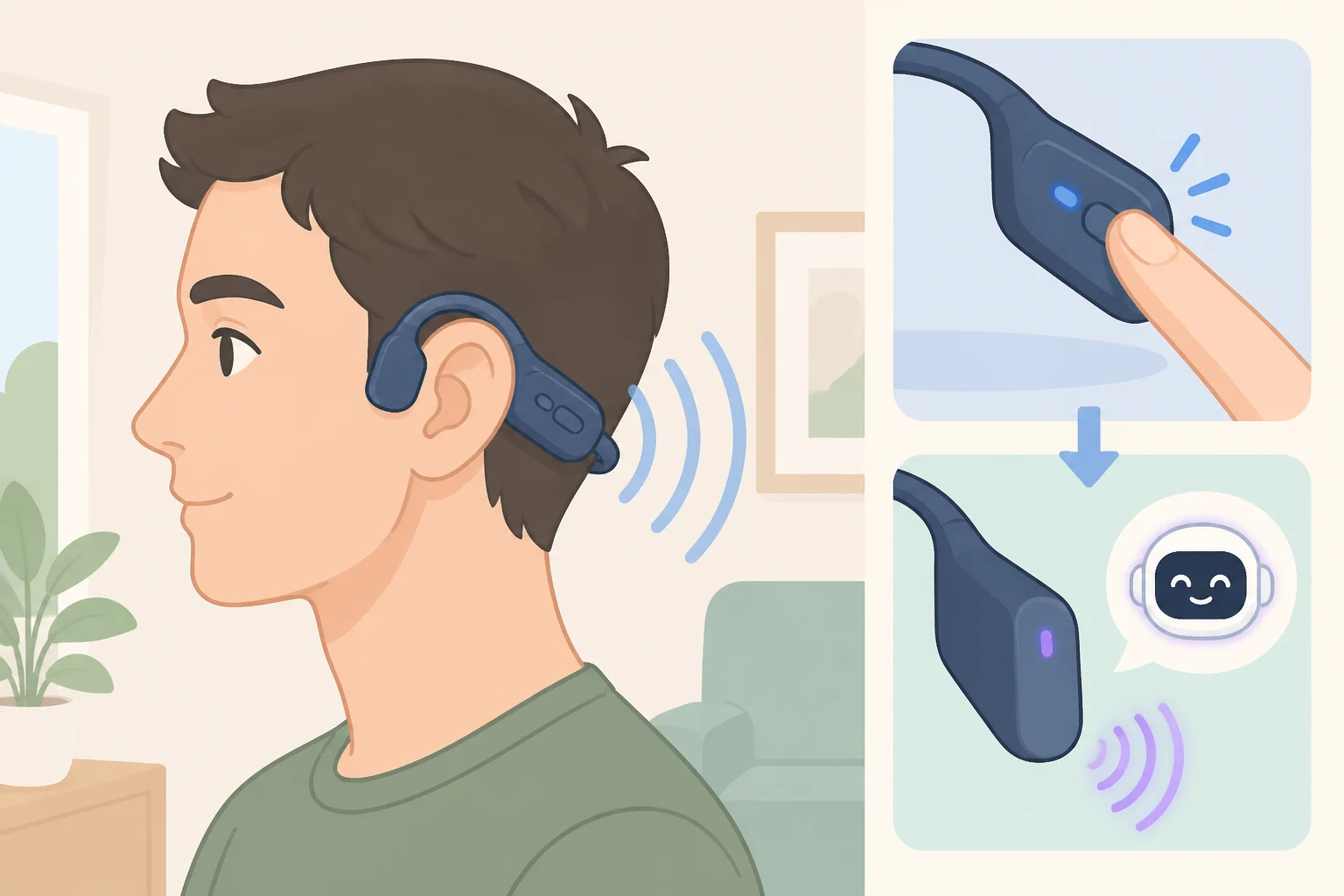
If the reporting holds up, Luna would carry six built-in microphones, letting wearers talk to Meta AI and its agentic assistant, Muse, according to SBS News. A side-mounted button would handle quick AI activation, and open-ear speakers, carried over from Meta's existing models, would deliver sound without covering the ears, the same report notes.
SBS adds one more detail: Luna's temples are reportedly thinner than those on current Ray-Ban Meta frames, giving the glasses more of a normal-eyeglass look rather than the bulkier profile of Meta's camera-equipped models.
Stack that against Meta's confirmed glasses lineup and the pattern holds. Meta Glasses, launched with EssilorLuxottica, ship with a dedicated action button for invoking Meta AI, open-ear speakers, and an advanced multi-mic array built for wind-noise reduction on calls and voice control, per Meta's launch announcement. That line also debuted with Muse Spark, described by Meta as the first model out of Meta Superintelligence Labs and the engine behind a rebuilt, more capable Meta AI, per the same announcement. Luna, as described in the leaks, would keep that interaction model, button, mics, speakers, largely intact. The difference is what gets removed, not what gets added.
What's missing from the leaks is just as telling. There's no reported battery life, weight, price, or retail partner for Luna. Meta Glasses, by comparison, launched at $299 with over eight hours of battery and a foldable charging case good for up to 40 more hours, per Meta. Whether Luna lands anywhere near that price is, at this stage, a guess dressed up as a question.
Meta Connect smart glasses announcement: when could Luna appear

The reporting points to a possible unveiling at Meta Connect, scheduled for September 23 to 24, according to SBS News. The same report cites a targeted October shipping window, which would mean an announcement followed by a several-week wait rather than a same-day launch.
Neither the Connect appearance nor the October date comes from Meta directly. Both remain sourced reporting tied back to The Information, not an official schedule.
That staggered pattern would break from Meta's most recent glasses rollout. When Meta announced its EssilorLuxottica partnership and the Meta Glasses line three months ago, the product was available the same day at Meta.com and retailers including Best Buy, Amazon, LensCrafters, and Sunglass Hut, per Meta's announcement. A Connect reveal followed by an October ship date would be a different playbook, assuming the reporting is accurate.
Privacy pitch, accessibility trade-offs, and where Luna might fit

The stated logic behind cutting the camera is privacy. Meta reportedly wants to avoid the kind of controversy that has dogged camera-equipped wearables, according to SBS News, which attributes that reasoning to sources cited via The Information. That's a reported rationale, not something Meta itself has confirmed, and the distinction is worth holding onto given how much scrutiny bystander recording has drawn for smart glasses generally.
Removing the camera also removes capability, though, and Meta's own accessibility work makes that trade-off concrete. Meta has showcased how its camera-equipped glasses help blind and low-vision users identify objects, read labels, and navigate unfamiliar spaces in real time, gathering more than 100 members of Singapore's blind and low-vision community, accessibility organizations, and developers to demonstrate the technology, according to Meta's accessibility showcase. More than 1 billion people worldwide live with some form of disability, including 340 million who are blind or have low vision, per the same showcase. One presenter, Maxine, called AI-powered wearables potentially "the most significant accessibility technology since the smartphone," per the same source. Without a lens, Luna could not replicate the object identification and label reading that depend on a camera to work.
That leaves an open question about where Luna would actually sit. SBS reports that Meta expects the camera-free model to broaden the appeal of wearables and serve as an alternative to its flagship Ray-Ban glasses, rather than replace them, per SBS News. If that reporting holds, Luna would be less a next-generation upgrade and more a parallel track for people who want an AI assistant on their face without a camera attached to it.
What Connect could settle
None of this is confirmed by Meta, and the gaps are substantial: no price, no branding beyond an internal codename, no retail partner, no word on which software features would ship at launch. Connect, running September 23 to 24, is the first real chance to find out whether any of it is true.
If Luna appears on stage, the questions worth watching are specific ones. Does Meta confirm the camera is gone for good? Does it name a price that signals whether this is a budget play or a parallel premium line? Does it say anything about markets or release timing beyond the reported October window? Those answers will say more about Meta's actual strategy than any leak has managed so far.