WhatsApp parental controls for teens: what parents can see
WhatsApp switched on new parental controls for teens today, giving parents oversight of group activity, privacy settings, and AI access on a teen's account. The new WhatsApp parental controls for teens draw a firm line at message content, though: parents still cannot read a teen's chats or listen to their calls, both of which stay protected by default end-to-end encryption, according to the BBC.
The launch lands as tech companies face mounting pressure from governments and regulators to build more age-appropriate experiences for children, the BBC reports. WhatsApp's minimum age is 13 in the UK, though it runs higher in some countries, and the BBC's reporting doesn't specify whether the new controls differ by age tier or which markets get them first.
What WhatsApp parental controls for teens can and cannot do
Video of the Day
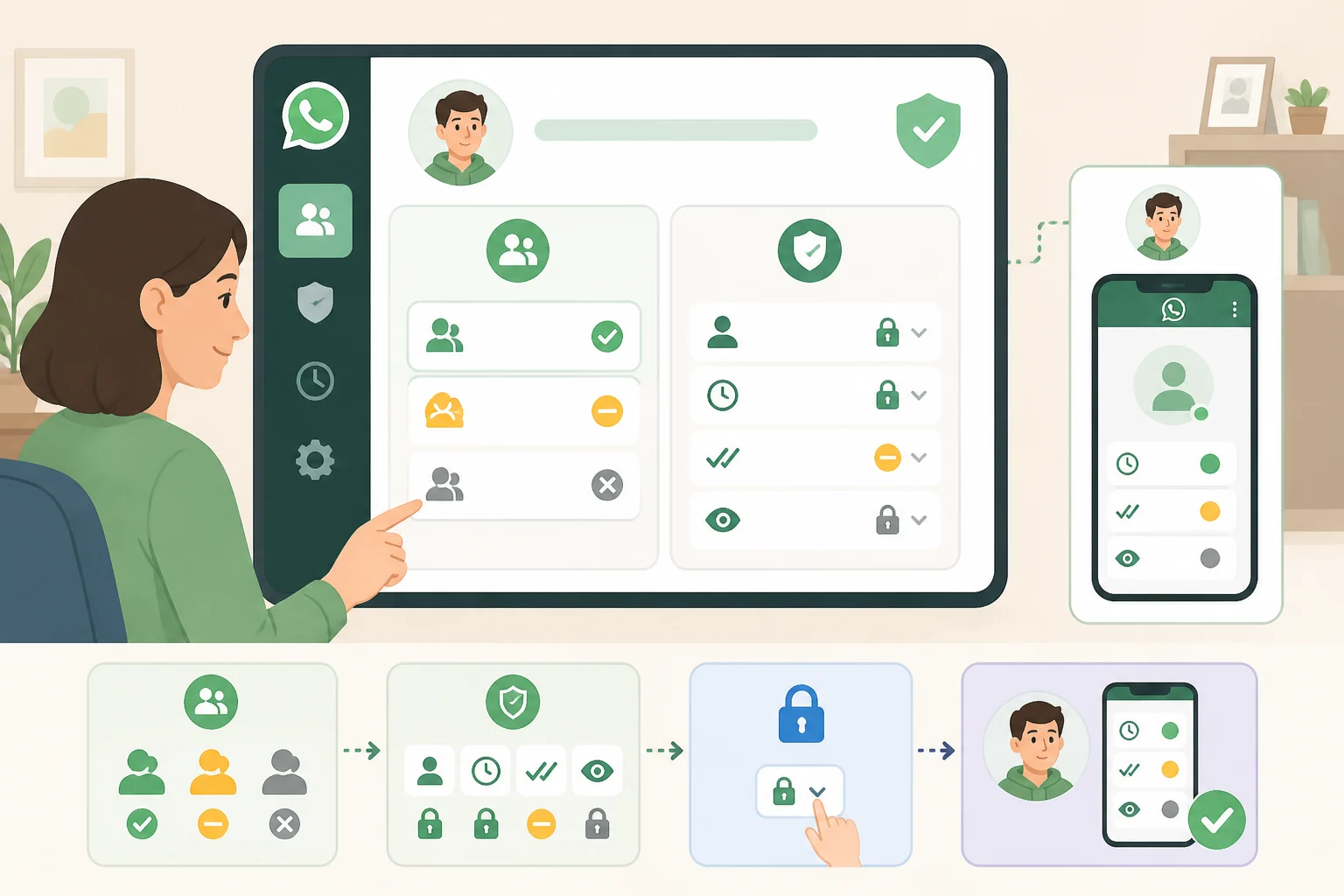
The controls cover settings and group activity, not what a teen actually types or says. The WhatsApp parental supervision settings announced today let parents decide who sees a teen's profile photo and who can add them to a group, and parents get a notification when the teen joins or leaves a group, per the BBC.
Oversight reaches into two other corners of the app. Parents can manage how a teen uses Channels, the feature that lets organizations and public figures broadcast content, and they can set Meta AI to its default 13+ experience or a stricter "Limited Content" mode, the BBC reports.
Setup runs through a PIN that the parent creates; the teen would need that PIN to switch the controls off. WhatsApp calls the process "straightforward to set up," the BBC notes, though the report doesn't walk through the actual menu steps or confirm which markets and devices get the feature first. Parents can also adjust or turn off the controls entirely whenever they choose, according to WhatsApp.
None of that extends to conversations themselves. WhatsApp confirmed parents cannot see message content or hear call audio, both of which remain covered by end-to-end encryption by default, the BBC reports. The company frames that boundary as deliberate: "All of these controls are being designed to support open conversations about how to use WhatsApp between parents and teens, while keeping everyone's personal messages private," WhatsApp said.
Worth separating from all this: WhatsApp added a round of account security features last month, and they solve a different problem entirely. Two-step verification, previously a six-digit PIN, is now a longer alphanumeric password meant to make account takeovers harder even if someone gets hold of a one-time passcode, according to Meta. Calls from unknown numbers now come with extra context on Android, showing whether the number is from a different country or whether the caller shares any groups with the recipient, Meta says. Users can also add more than one passkey to an account if they use both Android and iOS devices, per Meta. All of that protects the account from takeover attempts; none of it touches what happens inside a conversation, and none of it is a parental control.
Video of the Day
Why the optional design worries some analysts

Social media analyst Matt Navarra calls the opt-in structure "an obvious weakness" in the new system. "I think the big unanswered question is whether enough families will actually use it," he told the BBC.
Navarra also called the approach "fairly convenient" for Meta, arguing that making the tools optional reduces the company's reliance on age verification and shifts some responsibility onto parents and teens, per the BBC. "Meta is trying to show regulators we have a child safety system, we have parental controls and we're rolling it out across our platforms," Navarra said.
There's some evidence optional supervision tools can gain traction over time, even if the comparison isn't perfect. Meta said earlier this year that the number of US teens enrolled in Instagram's supervision features had more than doubled over the prior year, according to Meta. Whether WhatsApp's version follows a similar curve, or whether the calculus differs for a messaging app built around encrypted conversations, isn't something the current reporting answers.
Child-safety group The White Hatter raises a separate concern: no setting can stop grooming once a teen has already extended trust to someone, because manipulation, not technical circumvention, is how grooming typically works. "No parental control can stop grooming once trust has been established," the group writes.
The organization's post from three months ago made a related point about framing. It called claims that these tools alone prevent stranger contact "technically correct" but lacking context, since WhatsApp already let users silence calls from unknown numbers, control who sees their profile information, and block or report unwanted contacts long before any of this rolled out, The White Hatter notes.
That same post described a different, related product called "parent-managed accounts." It listed features not mentioned in today's announcement, including parent approval before a teen joins a new group chat, parent approval for communication requests from people who aren't already approved contacts, and notifications when a teen blocks or reports someone, per The White Hatter. Whether that's an earlier version of today's rollout, a separate age tier, or the same product described in different terms isn't clear from the available reporting. Until WhatsApp clarifies the relationship between the two, they're worth treating as distinct rather than interchangeable.
Why now
The launch arrives against a tightening regulatory backdrop. Three months ago, the UK government announced plans to bar under-16s from social media platforms starting in March 2027, using what it calls "highly effective age assurance" to verify users' ages, the BBC reports. That deadline is now less than six months away.
WhatsApp is currently excluded from that ban because regulators classify it as a messaging service rather than a social media platform, according to the BBC. That classification means no law is forcing WhatsApp's hand today, even as the clock runs down for platforms already covered.
What's still unresolved
What WhatsApp announced today is concrete enough for parents to act on immediately. What's missing from that announcement is just as telling: no confirmed rollout schedule by market, no device-by-device breakdown, and no detailed walkthrough of the setup process beyond WhatsApp's own description of it as straightforward.
The reporting available also includes no adoption figures or outcome data, which is precisely the gap Navarra flagged when he questioned whether families would actually use an optional system. The White Hatter frames tools like these as one layer in a broader safety strategy, not a replacement for the trust and conversation that make teens less vulnerable in the first place, the group argues.
How many families actually turn these settings on, and whether WhatsApp ever clarifies how they relate to the parent-managed accounts concept described three months ago, will matter more in the long run than the feature list released today.