75,000-Mile Car Maintenance Checklist: 12 Things to Check
The odometer clicks past 75,000 and some part of your brain starts bracing for a bill. That instinct is worth slowing down. A 75,000-mile car maintenance checklist sounds like it should trigger one tidy, all-at-once service, but the number itself doesn't carry that kind of authority. AAA identifies 30,000, 60,000, and 90,000 miles as its key milestone services, with nothing comparable built around 75,000 (AAA, last year). That makes this mileage mark a good moment to audit your records against a real checklist, not a cue to approve whatever a shop bundles into a "75K service" package.
Some manufacturers do build a checkpoint here. One Toyota scheduled-maintenance supplement lists oil and filter replacement, tire rotation, and inspections of brakes, belts, and steering components at 75,000 miles or 60 months (Toyota). The document carries no listed publication date, so treat it as an example of how one automaker has structured a 75,000-mile checkpoint, not as current guidance. It also includes a Supra-specific item for limited-slip differential oil, a reminder that even a single manufacturer's schedule varies by model. Consumer Reports lists at least one comparable maintenance item with an interval set by the owner's manual, running 30,000 to 60,000 miles, which underscores the same point: the manual decides, not the odometer (Consumer Reports, 2024).
This guide covers gasoline-powered vehicles; electric and hybrid models aren't addressed here. Within gas vehicles, model year, drivetrain, transmission type, and simple time in service all shift which of the 12 items below actually apply to your car. Treat this as a prompt to check your own records, not a script to follow blindly.
How to use this 75,000-mile car maintenance checklist
Video of the Day
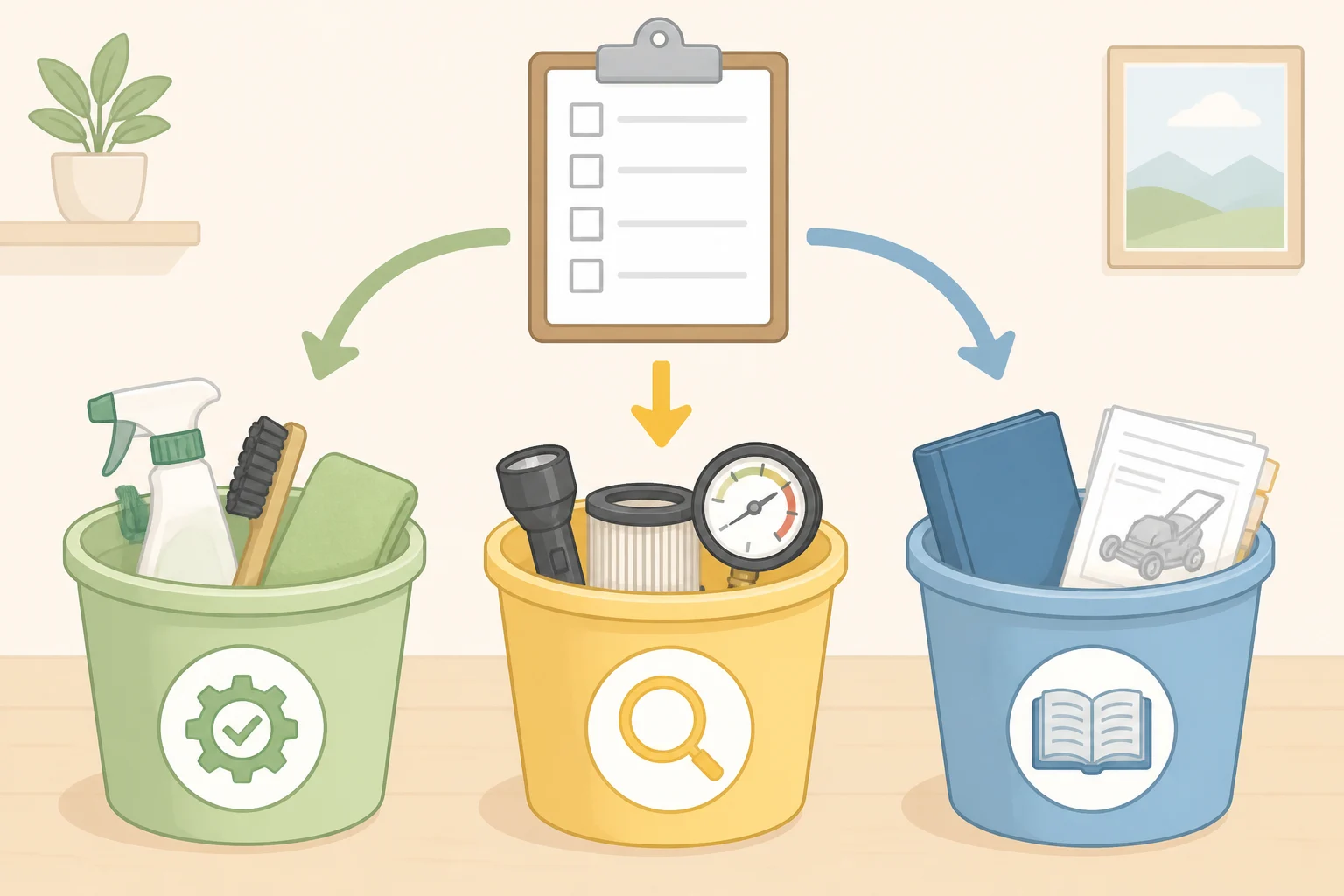
Before approving anything, separate what's genuinely due from what a shop would like you to approve. Every item on this list falls into one of three buckets.
Routine interval service runs on a mileage or time clock regardless of condition. Approve it when your manual or service record shows the interval is actually due, not simply because the odometer rolled past 75,000.
Inspect-and-decide items are the opposite: condition and symptoms determine the answer. Approve the work only when the shop identifies a failed component, measurable wear, or a specific symptom, not a vague "it's about that time."
Manual- and history-dependent items vary widely by engine, fluid type, and model. Before authorizing anything in this category, verify the exact model, engine, transmission, and date of last service against your documentation; that's what governs the interval, not a generic checklist.
Toyota's supplement includes a further wrinkle worth knowing: vehicles operating under "special operating conditions" may need maintenance items beyond the standard list, though the document doesn't specify which conditions qualify (Toyota). Even a manufacturer's own 75,000-mile service checklist assumes typical driving, and yours may not be typical.
Before walking into a shop, gather your maintenance log and owner's manual schedule. Use the table below as a worksheet, not just a reference.
| Item | Bucket | Status at 75,000 miles | Ask the shop for | Last serviced | Shop measurement |
|---|---|---|---|---|---|
| Engine oil & filter | Routine | Due now (per manual/interval) | Oil weight/spec, filter brand | ||
| Tire rotation & tread | Routine | Due now (per manual/interval) | Tread depth reading, tire age | ||
| Brakes | Inspect | Inspect now | Measured pad thickness | ||
| Battery | Inspect | Inspect now | Printed load-test result | ||
| Air filter, belts, hoses | Inspect | Inspect now | Visual condition report | ||
| Undercarriage (suspension/steering) | Inspect | Inspect now | Specific worn part, named | ||
| Exhaust | Inspect | Inspect now | Exact location of rust or leak | ||
| Spark plugs | Manual-dependent | Check manual first | Plug type currently installed | ||
| Coolant | Manual-dependent | Check manual first | Fluid type and age | ||
| Brake fluid | Manual-dependent | Check manual first | Moisture test, if offered | ||
| Transmission/differential fluid | Manual-dependent | Check manual first | Fluid condition, transmission type | ||
| Fuel filter | Manual-dependent | Check manual first | Confirmation it's even serviceable |
"Due now" means the manual or your log says the interval has arrived, not that the mileage number alone makes it so. "Inspect now" only becomes "replace now" if the shop documents actual wear or failure. "Check manual first" items depend on your specific model and records more than on the odometer.
Video of the Day
Routine items: what to replace at 75,000 miles regardless of condition
1. Engine oil and filter. AAA puts typical oil-change intervals at 5,000 to 7,500 miles (AAA Oregon/Idaho, earlier this year), which means this has already cycled at least 10 times by 75,000 miles at the upper end of that range. It's ongoing upkeep, not a milestone event. The date and mileage on your last oil-change sticker or app log settle the question in seconds.
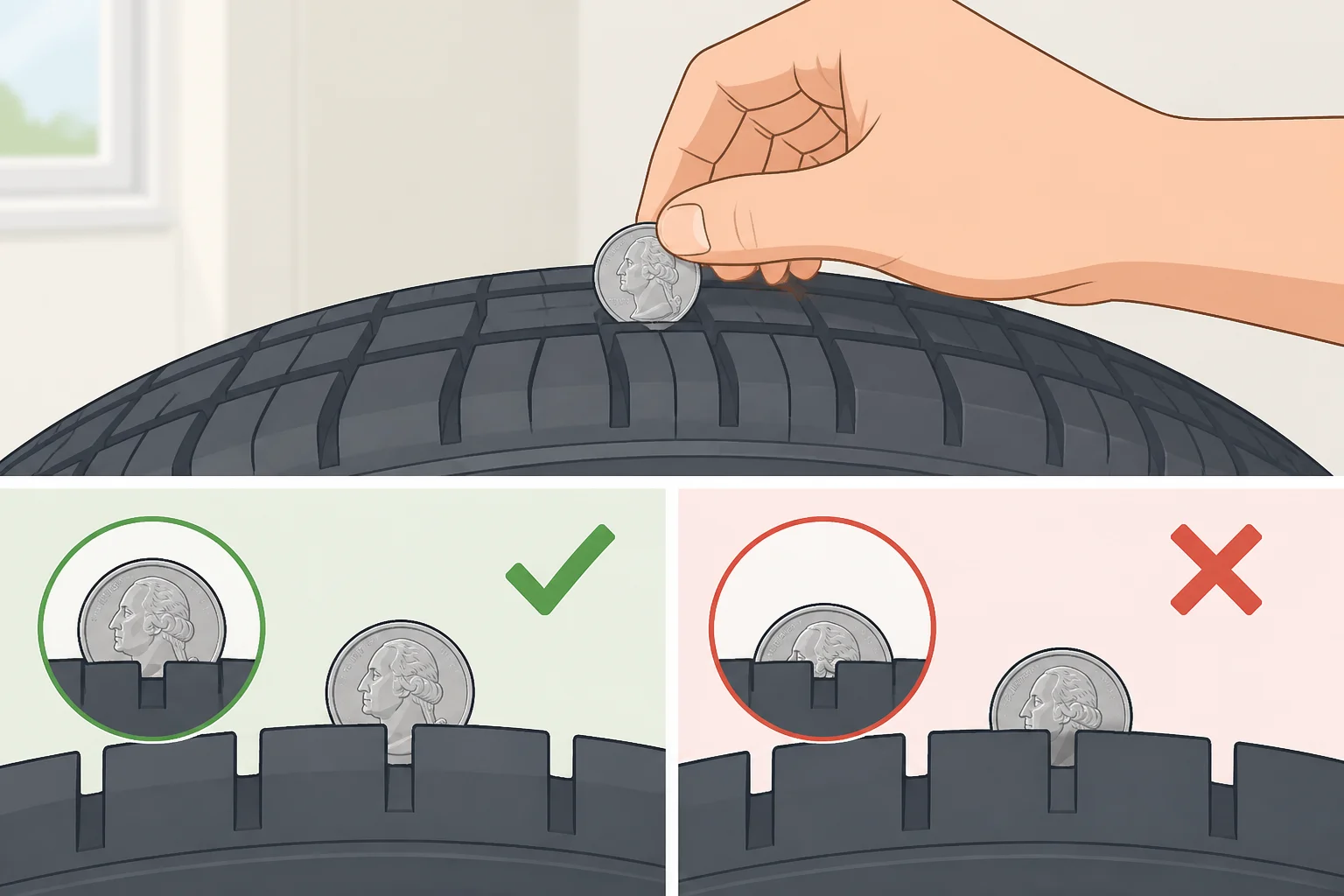
2. Tire rotation and tread condition. AAA's milestone guidance recommends rotating tires every 5,000 to 7,500 miles (AAA, last year), and AAA Oregon/Idaho adds that tires need replacing at 2/32-inch tread depth or after six to 10 years regardless of remaining tread (AAA Oregon/Idaho, earlier this year). Measure tread depth, but check tire age too: under that six-to-10-year rule, a tire with plenty of rubber left can still be due for replacement on age alone.
Car parts to check at 75,000 miles before you approve anything
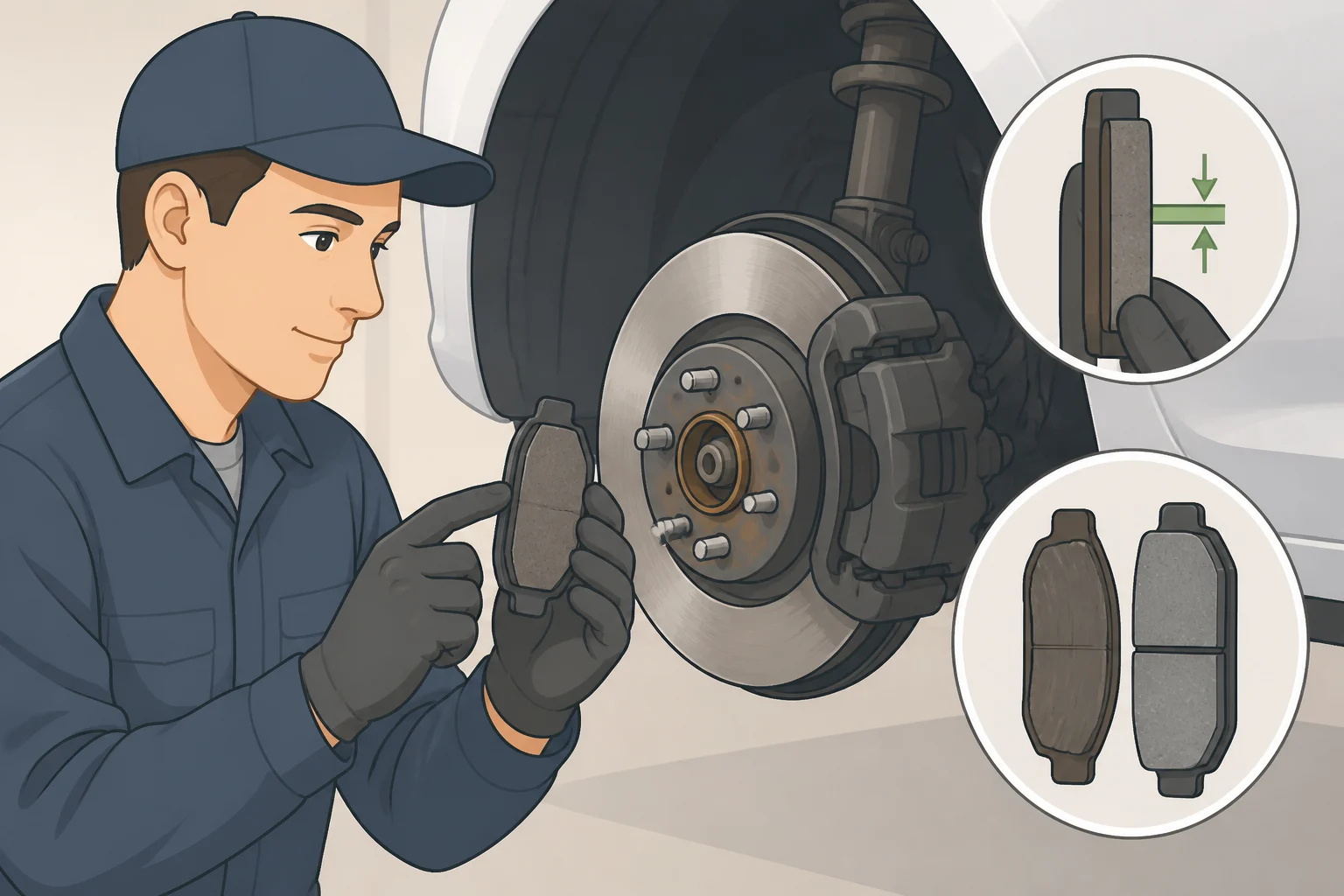
3. Brakes. Toyota's schedule calls for inspecting linings, discs or drums, lines, and hoses at this interval (Toyota), and when pads are genuinely worn, replacement runs $100 to $300 per axle (AAA Oregon/Idaho, earlier this year). Ask for a measured pad-thickness reading before you approve replacement, not a verbal "they're getting low." Consumer Reports' chief mechanic John Ibbotson also recommends insisting on quality replacement parts, since cheap pads and rotors can affect braking performance (Consumer Reports, 2024).
4. Battery. AAA recommends testing battery performance twice a year starting at three years old, with replacement by year five, since batteries typically run three to five years (AAA Oregon/Idaho, earlier this year). A load test is more informative than age alone, but age is still a reasonable reason to be cautious. Corrosion on the terminals or damage to the cables is exactly what AAA's battery inspection checks for, and both are visible without a lift (AAA, last year).
5. Air filter and drive belts. Toyota's schedule lists the air filter and drive belts for inspection at 75,000 miles (Toyota). Confirm the shop actually looked at both rather than assuming the mileage interval cleared them on its own.
6. Undercarriage: suspension and steering. AAA flags worn mounts, bushings, struts, and control arms, with vibration, clicking while turning, and uneven tire wear as the telltale symptoms (AAA, last year). Toyota's supplement separately lists ball joints, dust covers, drive-shaft boots, and steering linkages for inspection at this mileage (Toyota). A shop can inspect these components more thoroughly than a driveway check allows, so if you've noticed any of those driving symptoms, this is worth a dedicated look.
7. Exhaust system. AAA recommends having a technician inspect the exhaust every six months for rust, damage, or leaks (AAA Oregon/Idaho, earlier this year). Worth bundling into the same visit as the undercarriage check above, since the car is likely already on a lift.
Manual-dependent replacements: let your documentation decide
8. Spark plugs. AAA cites a general interval of "typically every 30,000 miles" but is explicit that the manufacturer's schedule governs (AAA Oregon/Idaho, earlier this year). Find out which plug type is actually installed before assuming you're overdue. Consumer Reports notes that access varies by engine, but any competent shop can perform the swap (Consumer Reports, 2024).
9. Coolant and antifreeze. General guidance puts coolant replacement at every two years or 30,000 miles, with a full flush recommended every 30,000 to 60,000 miles (AAA Oregon/Idaho, earlier this year). Degraded coolant carries contaminants that can keep the engine from cooling properly, regardless of how the calendar reads (AAA, last year). Check your manual for the coolant type it specifies before approving a flush on mileage alone.
10. Brake fluid. Brake fluid absorbs moisture over time, which can corrode components and reduce braking performance (AAA, last year). Check the manual for the replacement interval rather than approving a change on age alone; if the shop offers a moisture test, it's a reasonable way to confirm the call.
11. Transmission and differential fluid. Toyota's supplement calls for inspecting automatic transmission and differential oil at 75,000 miles, and separately lists replacing that same fluid elsewhere in its schedule (Toyota). Fresh fluid protects gears and bearings from wear (AAA, last year). Check your manual before authorizing a flush; it will say what your specific transmission actually requires.
12. Fuel filter. Older general guidance lists a 30,000-mile fuel filter replacement interval (AAA Oregon/Idaho, earlier this year). Confirm in the owner's manual whether your vehicle even specifies fuel-filter replacement before a shop quotes the work.
A flat-rate "75K service package" tends to blur all 12 of these into a single number, which makes it hard to tell what you're actually paying for. An itemized estimate, separating manual-specified work from inspection findings from optional add-ons, makes that distinction easy to see.
What a 75k-mile maintenance schedule actually costs
The clearest component-specific figure in the research here is brake pad replacement, which runs roughly $100 to $300 per axle when pads are genuinely worn (AAA Oregon/Idaho, earlier this year). Beyond that, prices vary too much by model and shop to generalize with confidence.
A commonly cited estimate for an entire 75,000-mile service runs $200 to $500, but that figure comes from a single generic estimate, not a manufacturer or a mileage-specific cost study (Auto Zonic, 2023). Treat it as a rough ballpark, not a number to hold a shop to.
A package price like that is hard to evaluate on its own. Ask the shop to itemize labor, parts, and any manufacturer-required fluid or component specifications, so whatever number you're quoted maps back to the items in the table above rather than standing in for all of them at once.
Ibbotson's framing of the economics is worth repeating in his own words: "staying on top of regular maintenance and getting repairs done before they create other problems will save you money in the long run" (Consumer Reports, 2024).
Your next move
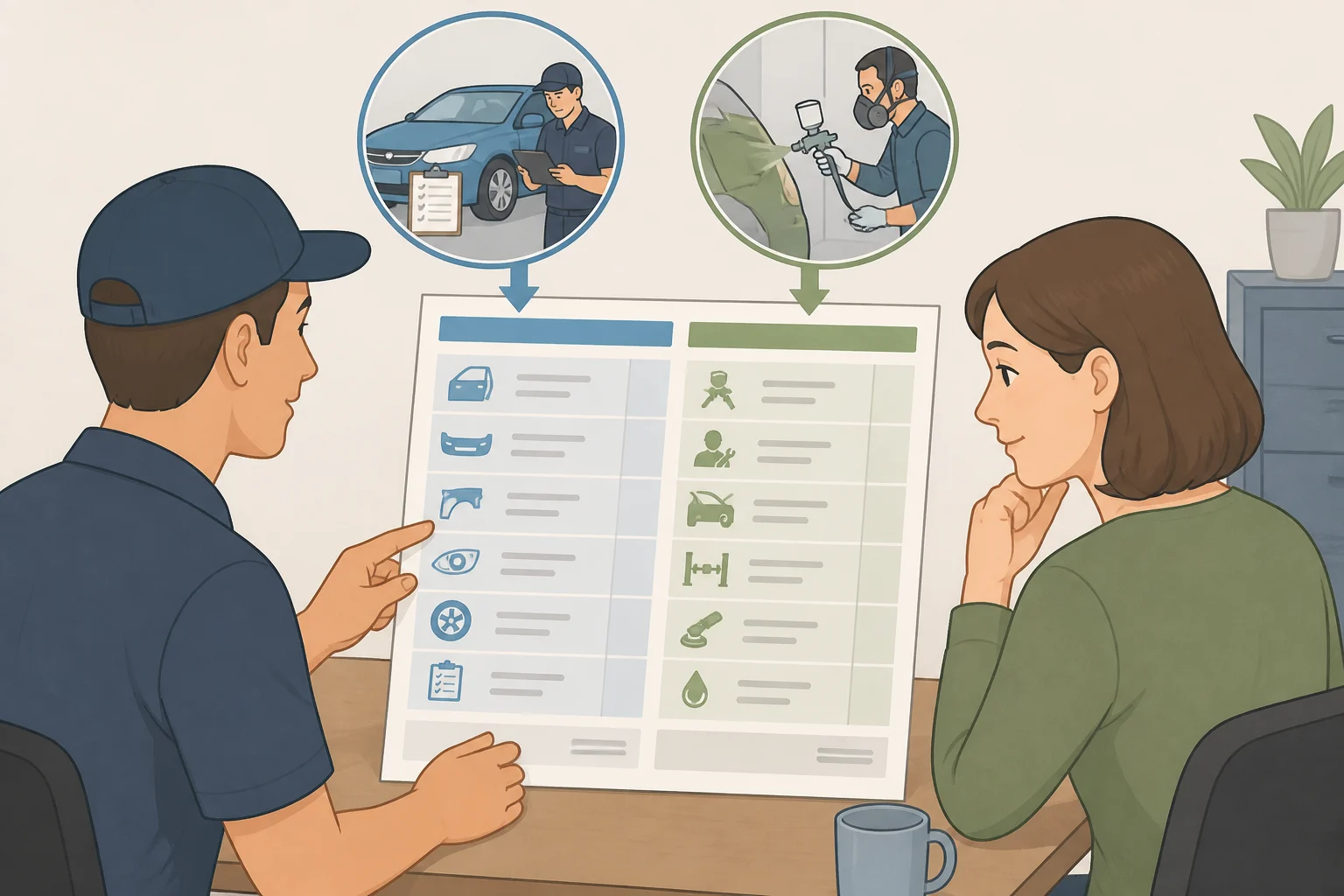
Bring the maintenance log and the owner's manual schedule to the shop. Ask for findings listed in three separate columns: manual-specified work, inspection findings, and optional recommendations. Request measured results, tread depth, pad thickness, fluid test readings, rather than verbal assessments, and get an itemized estimate before approving anything beyond the routine interval items.
Whatever the shop finds this visit, worn or not, write it down against the table above. That record is what makes the next service interval a documented decision instead of another guess at the odometer.