Are Early Holiday Tech Deals Worth It? A Buying Guide
Tech prices have genuinely climbed in 2026, and the holiday discount calendar now opens well ahead of Thanksgiving. Put those two facts together and a real question emerges: are early holiday tech deals worth it, or does the old advice to just wait for Black Friday still hold up?
The answer depends heavily on what's in your cart. The price increases cited below are documented 2026 data. The shopping behavior and retailer policies referenced throughout come from the most recently completed holiday season, 2025, which is the best available guide to how this year is likely to play out, not a promise that every policy or discount repeats on schedule.
Here's what's already changed. One of Apple's 4K streaming media players jumped from $149 to $249. MacBooks and iPads rose $200 across the board. The Xbox Series X climbed from $650 to $800, and Sony and Nintendo followed with their own console price increases (CR Price Tracker 2026). Heading into the 2025 season, 85% of shoppers expected tariffs to push prices higher, and 42% planned to start buying before November specifically to spread out their budgets (NRF's 2025 holiday survey). This piece sorts that noise into a verdict you can actually use: buy now, wait, or watch closely, rather than a one-size-fits-all rule.
Are early holiday tech deals worth it? The short answer
Video of the Day
Three confidence tiers emerged from the evidence, not a single yes-or-no.
| Category | Verdict | Why |
|---|---|---|
| TVs | Wait for Black Friday | Consumer Reports has repeatedly found TVs get their best discounts around Black Friday, and prices tend to climb back up afterward |
| Anything priced at a verified historical low on the exact model | Buy now, conditionally | Only worth acting on once you've confirmed the discount is real, not just a trick of timing |
| Laptops, tablets, smartwatches | Track, don't assume | Flagged as potentially tariff-exposed, but there's no documented pattern of early discounts beating Black Friday on these categories |
That table is the shortcut. The reasoning behind it, and the tools for verifying a deal before you click buy, are below.
Video of the Day
Holiday electronics price trends: why 2026 feels different
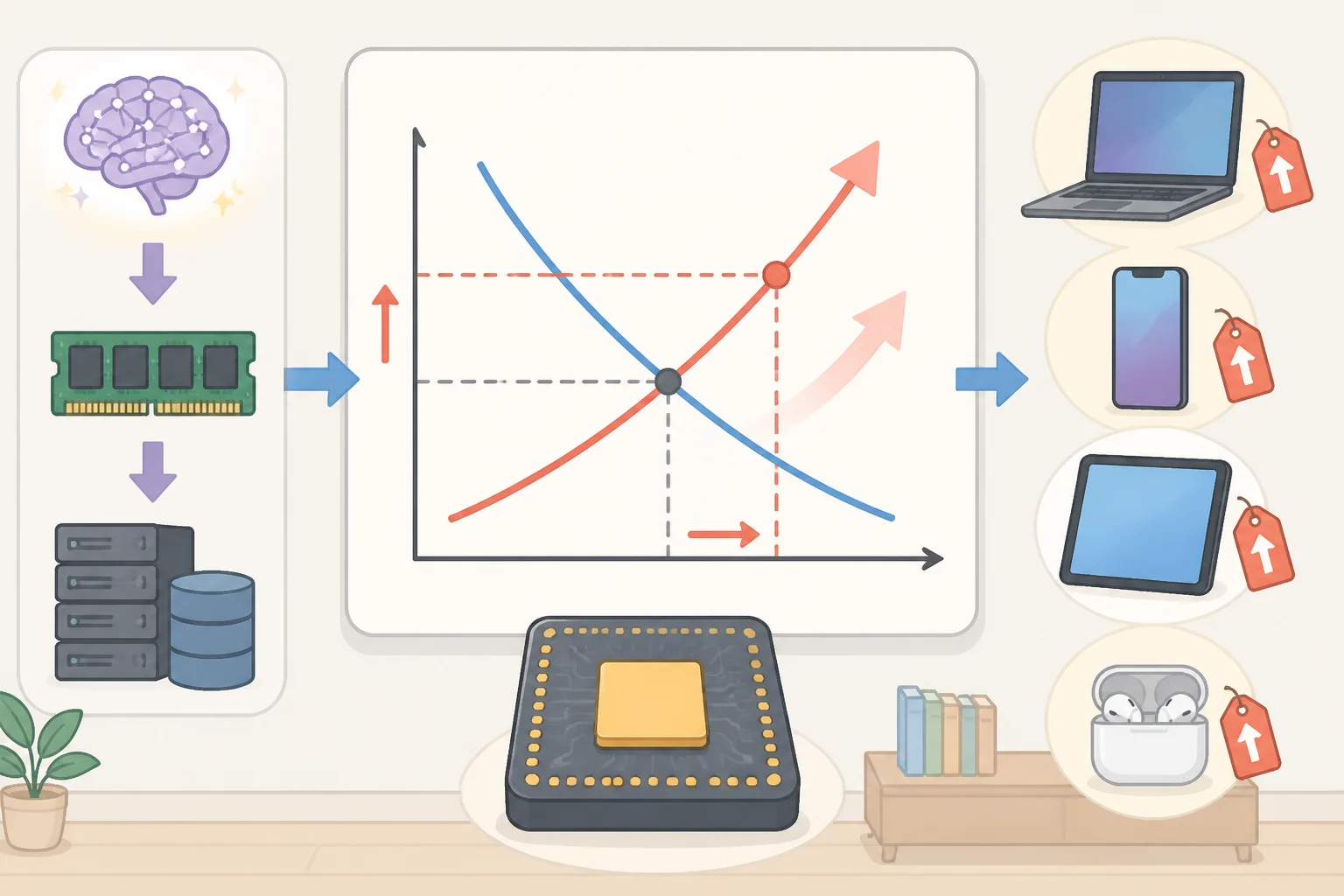
The mechanism behind this year's higher prices isn't just tariffs, though tariffs are part of the story for specific categories. A bigger driver has been AI demand for memory and storage chips. Micron, Samsung, and SK Hynix, the three companies that dominate memory chip production, have shifted a large share of their output toward high-bandwidth memory built for AI data centers. By one estimate, roughly 70% of relevant manufacturing capacity now goes toward those AI-specialized chips (CR Price Tracker 2026).
That supply squeeze shows up across price points, not just at the high end. Amazon's entry-level Echo Dot rose from $50 to $80, a jump on a product that used to be the cheap, impulse-buy smart speaker (CR Price Tracker 2026). By June 2026, that same component pressure had pushed MacBook and iPad starting prices up $200 across the board, part of a broader pattern Consumer Reports has been tracking in its price tracker throughout the year.
Here's the part that matters for timing your purchase: Consumer Reports' own deals editor stops well short of forecasting further hikes. "We can't predict that things are going to be more expensive toward the end of the year, but there is a chance that will happen," says Samantha Gordon, CR's deals editor (CR, "Should you do holiday shopping early this year?"). The same reporting flags laptops, tablets, and smartwatches as categories where potential tariffs could affect pricing, alongside clothing and other goods. That's exposure, not a forecast.
This distinction matters more than it might seem. There's a real, well-documented reason prices could climb further this season. That's different from proof they will. Treating a plausible risk as a certainty is how shoppers talk themselves into panic-buying off a trend line instead of making a calculated decision.
The verdict, category by category
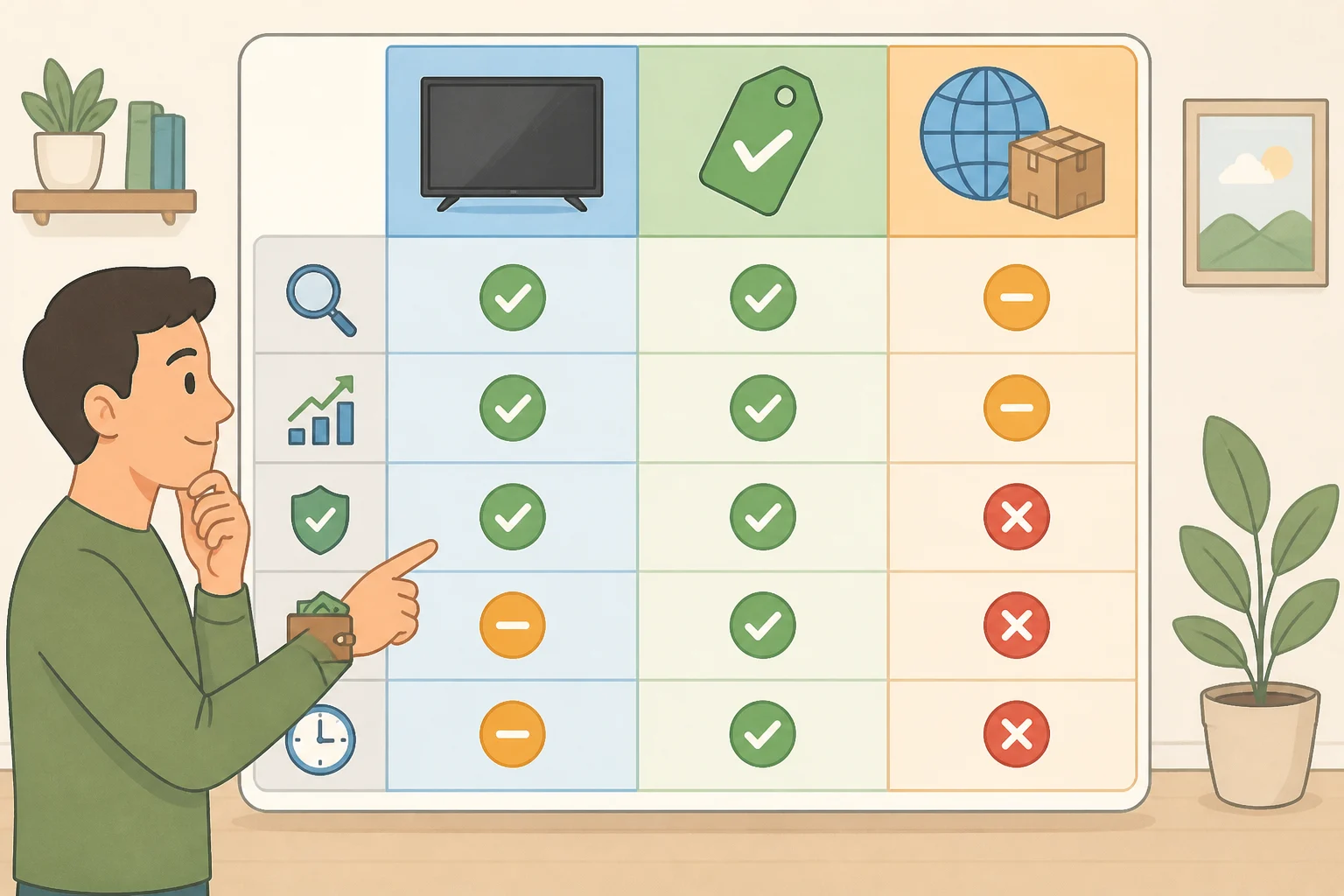
Start with the one call backed by repeated, direct evidence: wait on TVs. Consumer Reports has said plainly that "TVs tend to have their best discounts around Black Friday, we've seen that year after year," and separately warns that prices often climb back up once Black Friday passes (CR, "Should you do holiday shopping early this year?"; CR, "Top 10 Black Friday shopping tips for 2025"). If you're wondering about the best time to buy electronics before Black Friday, TVs are the clearest exception to "buy early." The data consistently points toward waiting.
The middle tier is narrower and more conditional: buy now, but only on an item where you've already confirmed the price sits at or near a genuine historical low for the exact model you want. Gordon's own guidance supports shopping any time before the final two-week stretch before Christmas, since that still beats waiting until the last minute to even start looking. But she's also clear that October discounts tend to run weaker than what shoppers saw during July's Prime Day sales (CR, "Should you do holiday shopping early this year?"). That's advice about when to start shopping, not a claim that earlier always means cheaper. The two aren't the same thing, and conflating them is how shoppers end up overpaying for the illusion of getting ahead.
The third tier is the one worth being most careful about: laptops, tablets, smartwatches, and other categories Consumer Reports flags as potentially affected by tariffs. The research documents possible exposure here, not a confirmed pattern of early discounts beating Black Friday pricing. Treat these as categories to monitor for a verified price, not categories to buy early on principle. If a laptop deal shows up in October, check it against historical pricing before assuming it won't get better. It might. It might not.
Consumer behavior itself reflects this same split. NRF's 2025 survey found 42% of shoppers start buying before November to manage their budgets, while a separate 63% still plan to do most of their shopping over Thanksgiving weekend (NRF's 2025 holiday survey). Those numbers aren't contradictory. They show early shopping and Thanksgiving-weekend shopping coexisting as two separate strategies, not one replacing the other.
How to spot a real deal among early Black Friday tech deals
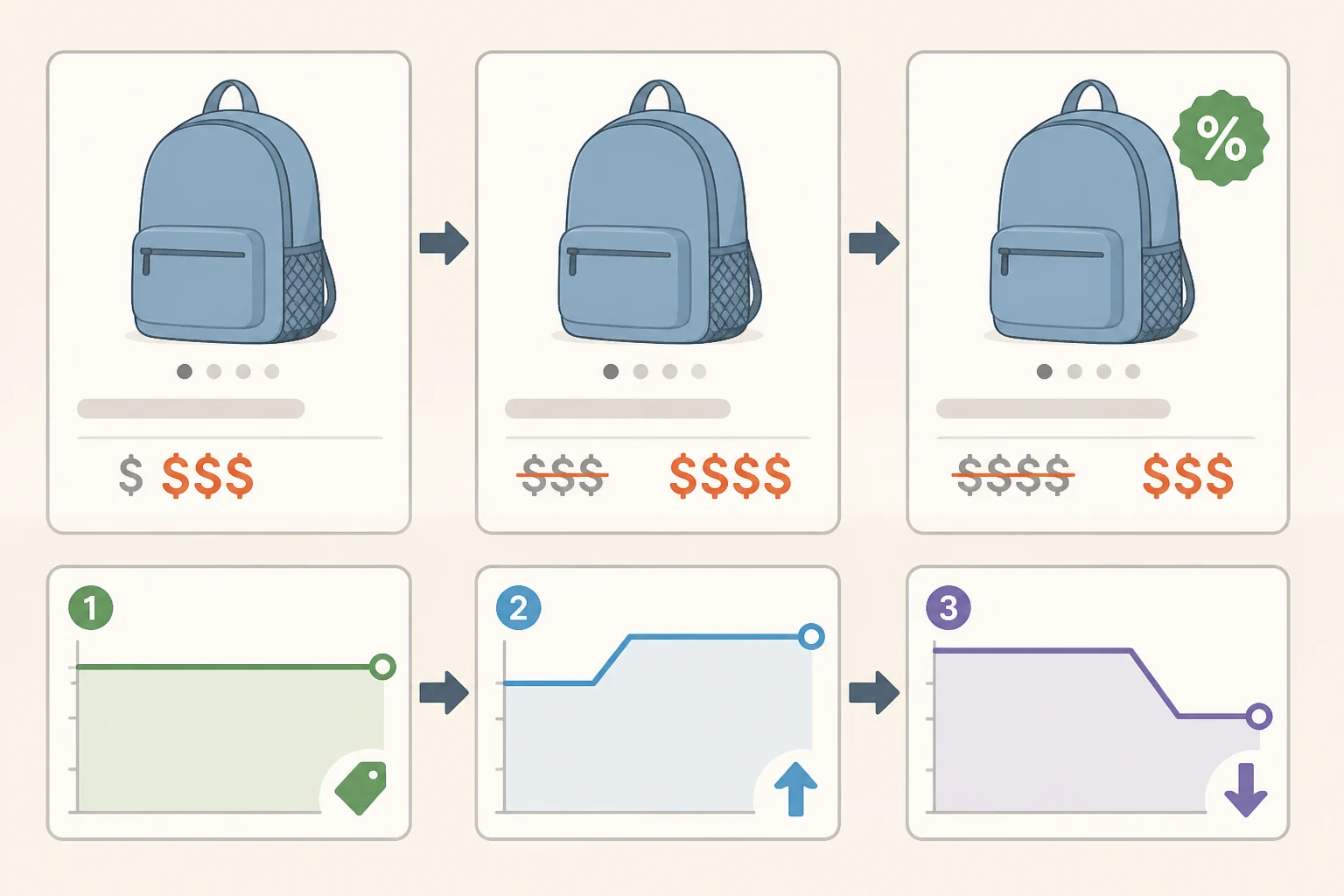
Even a confirmed "buy now" category requires one more step: verifying the discount is actually a discount. Consumer Reports' market analyst Stacey Canova-Turner points to a common trick on Amazon, where products discounted much of the year get quietly bumped back to full list price right before a sale, creating the illusion of a bigger markdown when the sale "restores" the old price (CR, "Should you do holiday shopping early this year?").
A concrete example makes this clear. Consumer Reports flagged an LG OLED television listed against a $3,700 reference price, but most retailers had actually been selling it for about $2,700 in the weeks beforehand (CR, "Best Cyber Monday deals on tech"). A shopper comparing the sale price to $3,700 would think they'd found a steal. Compared to the actual recent selling price, the deal is far less impressive.
Price-tracking tools can help here, but they have real limits. Gordon notes that sites like CamelCamelCamel and Keepa "aren't always reliable," which makes them a starting point for research rather than a final verdict on whether a price is genuinely low (CR, "Should you do holiday shopping early this year?"). Cross-reference what those tools show against a retailer's own recent pricing history before trusting a discount badge at face value.
There's one more wrinkle specific to Black Friday merchandise. Stephen Baker, vice president for industry analysis at NPD Group, cautions that Black Friday products are often older technology or models specifically engineered to hit a promotional price point, meaning they may not be exactly what a shopper would otherwise choose (CR, "Top 10 Black Friday shopping tips for 2025"). That sounds like a reason to avoid special Black Friday models altogether, but Consumer Reports' own testing complicates the picture. The organization has found retailer-specific "derivative" TVs, models derived from mainstream sets but sold under store-specific names, that test just as well in CR's labs while costing $100 to $150 less. The fix isn't avoiding these models on principle. It's checking how the exact model performs before assuming a lower price means a lesser product.
A discount badge isn't evidence of anything by itself. Verifying the actual recent selling price and the exact model, while keeping the limits of tracking tools in mind, is what separates a legitimate early-buy opportunity from a marketing trick dressed up as a sale.
Two safeguards: price protection and buying last year's model
Retailer policies offer a real safety net, but they're worth confirming each season rather than assuming they carry over unchanged. In the 2025 season, Target offered price-match adjustments on anything purchased between November 1 and December 24, and many major retailers extended return windows into January, giving shoppers and gift recipients extra time to return or exchange purchases (CR, "Top 10 Black Friday shopping tips for 2025"). These policies tend to expand year over year, but the exact window, exclusions, and return rules can shift. Confirm this year's terms with each retailer before you count on a refund if the price drops later.
Weigh that safety net against a quieter cost: buying early eats into warranty coverage before a gift recipient even opens the box. That matters most for products with short, one-year warranties, where several months of protection can disappear before the item is ever used (CR, "Should you do holiday shopping early this year?").
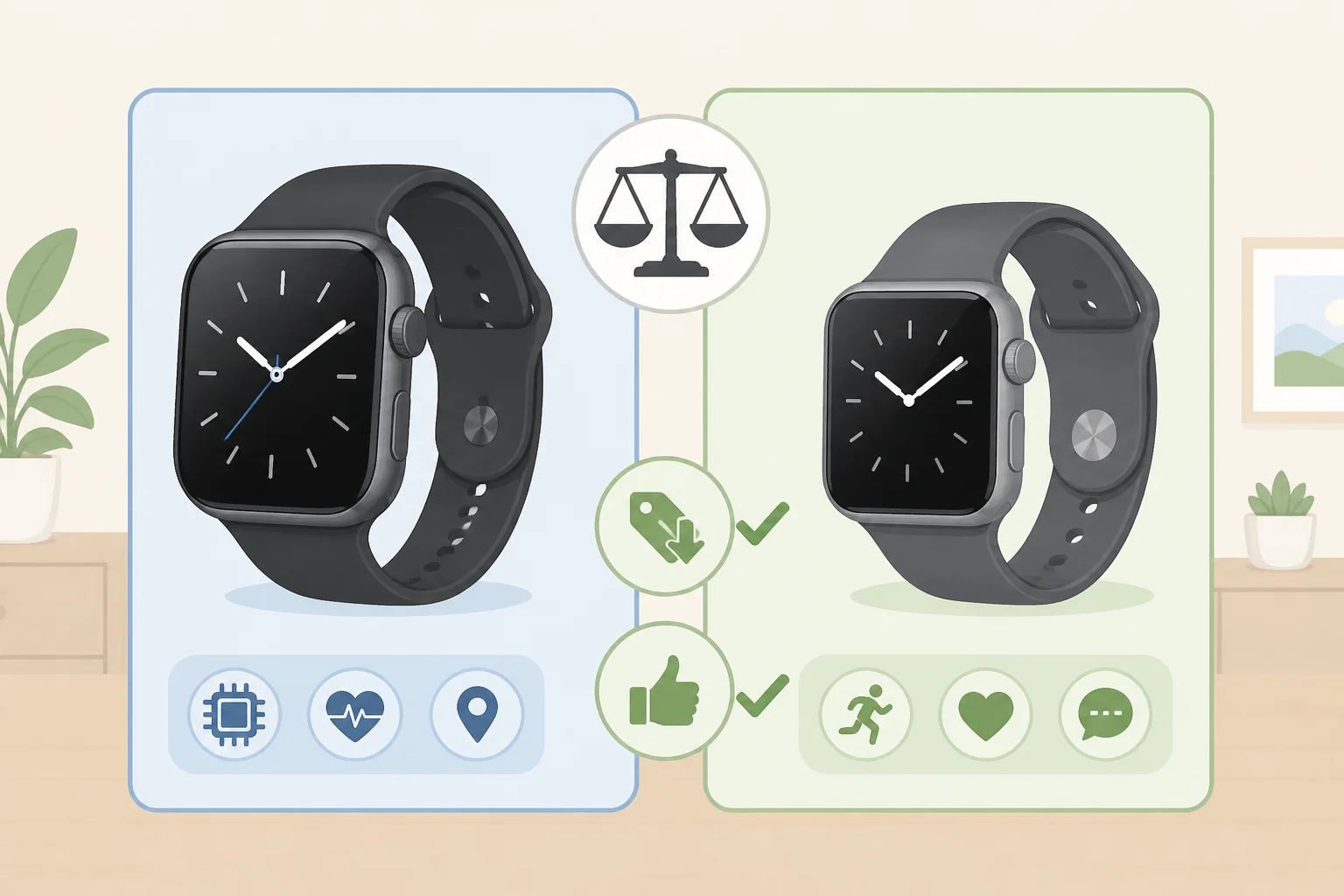
The second safeguard is less about timing a sale and more about sidestepping the whole question. Consumer Reports' own shopping guidance explicitly recommends shopping for older models and favoring reliable products over chasing the latest release (CR Price Tracker 2026). The Samsung Galaxy Watch9 starts at $380, while the prior-generation Watch8, which CR says "performed very well" in its labs, has been available for $260 (CR Price Tracker 2026). That's a $120 gap for a device the testing data doesn't suggest is meaningfully worse.
The same logic extends beyond price to reliability. Consumer Reports contrasts a top-rated blender backed by a 10-year warranty against a budget model covered for just one year, with a predicted reliability score of 36 out of 100 (CR, "Should you do holiday shopping early this year?"). The cheapest option on the shelf and the best long-term value aren't always the same product. Buying last year's tested model is often a more dependable path to savings than trying to time the latest model's price, since you're trading a generational step-down for a verified track record rather than betting on a promotional calendar.
Should I buy tech during early holiday sales? The takeaway
The honest verdict is layered, which is exactly why a blanket rule fails here. Wait on TVs. Buy now only when the price and exact model are independently verified and backed by a retailer's current price-match or return policy. Treat laptops, tablets, and smartwatches as categories to watch, not categories to buy early on assumption. And consider last year's tested model as a standing alternative to timing any sale at all.
The cost pressure behind 2026 pricing is real and well-documented, but Consumer Reports itself declines to forecast further increases. Uncertainty cuts both ways: prices could climb, or this season's discounts could land close to what shoppers saw a year ago. Even as early shopping grows more common, NRF's 2025 data shows most consumers still expect to do their heaviest spending around Thanksgiving weekend, which suggests the market hasn't abandoned Black Friday as the main event. It's simply added a longer runway leading up to it.
The skill worth building this season isn't finding a sale early. It's verifying one before you act on it, whether that's in October, on Black Friday, or in whatever week a genuinely good price happens to show up.