Garmin MARQ Gen 3: LTE and Satellite Messaging Explained
Garmin unveiled the MARQ Gen 3 collection today, building both LTE calling and messaging and separate satellite messaging and SOS into every model in the lineup (Garmin Blog, today). The six watches, Athlete, Adventurer, Golfer, Diver, Aviator and Commander, replace Gen 2's five-model lineup. Diver effectively succeeds Gen 2's Captain, and Commander moves into the standard collection after previously appearing only in the 2023 MARQ Carbon collection (Wareable, today; Garmin Newsroom, 2023).
Pricing runs from $2,500 to $3,100, up from Gen 2's $1,900 to $2,400 launch range in 2022 (Wareable, today; Garmin Newsroom, 2022). Garmin ties the jump partly to a larger storage upgrade and partly to broader industry component costs, according to Wareable's hands-on report (Wareable, today).
LTE and satellite connectivity serve different purposes. With cellular coverage and an active plan, MARQ Gen 3 handles calls, messages and location sharing through LiveTrack, Garmin says (Garmin Blog, today). Built-in inReach satellite technology extends two-way messaging, location sharing and SOS to places without cellular service. That distinction matters: this is an emergency-communication layer added to a smartwatch, not a dedicated satellite phone.
The watches go on sale globally on November 5 (Wareable, today).
Garmin MARQ Gen 3 price and release date
Video of the Day
Each model carries its own ceramic bezel and strap tied to a specific pursuit, which Wareable calls the clearest point of differentiation Garmin has detailed so far (Wareable, today). Pricing breaks down this way, per Wareable's reporting (Wareable, today):
- Athlete: $2,500 / £2,199
- Adventurer: $2,700 / £2,399
- Golfer: $2,800 / £2,499
- Diver: $3,100 / £2,699
- Aviator: $3,100 / £2,699
- Commander: $3,100 / £2,699
For the first time, every model in the collection shares the same 40-meter dive rating and leakproof buttons, Garmin says (Garmin Blog, today). That standardization is the real news buried in the price list: dive readiness is no longer limited to one watch, which puts more weight on bezel, strap and any undisclosed software differences when deciding between models.
Past MARQ generations differentiated models largely through software: Athlete's PacePro running guidance, Golfer's preloaded course data, Captain's Regatta Timer, Aviator's Jet Lag Adviser (Garmin Newsroom, 2022). Garmin's Gen 3 launch material doesn't say whether those distinctions carry forward this generation.
Video of the Day
Garmin MARQ Gen 3 features: built-in LTE and satellite connectivity
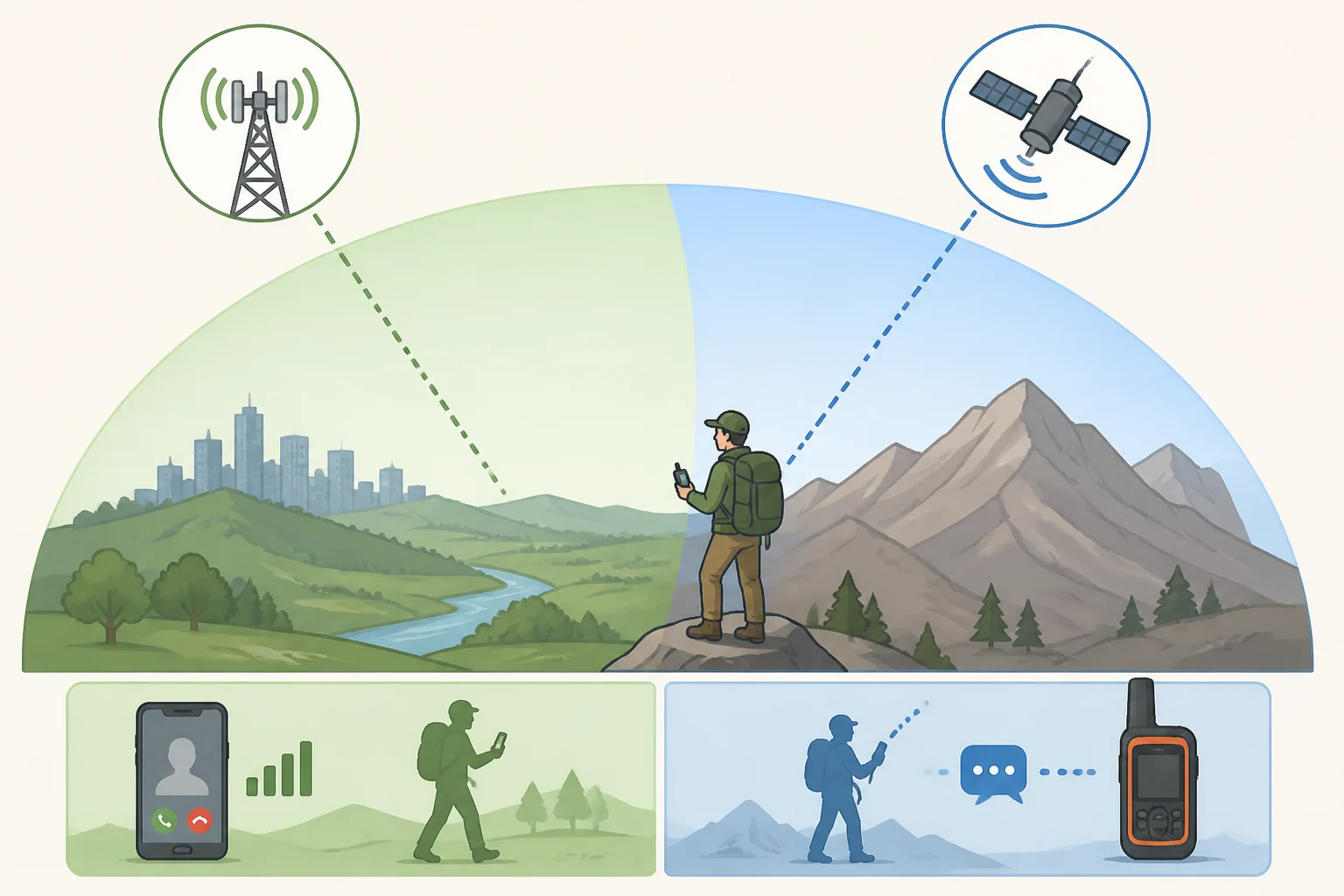
With an active LTE plan and cellular coverage, MARQ Gen 3 sends and receives messages, places calls, and shares live location through LiveTrack, Garmin says (Garmin Blog, today). Wareable's hands-on report adds that the watches can send voice messages over LTE or satellite and trigger SOS to Garmin's 24/7 Response Center without a phone nearby (Wareable, today).
Where cellular service runs out, built-in inReach satellite technology provides two-way messaging, location sharing through Garmin Locate, and SOS routed to Garmin Response, a 24/7-staffed emergency coordination center, Garmin says (Garmin Blog, today).
Garmin states plainly that an active plan is required, that LTE coverage varies by region, and that satellite and SOS performance carries limitations compared with dedicated inReach devices (Garmin Blog, today). The company has not disclosed what the plan costs.
Battery life is rated at up to 18 days in smartwatch mode, up from Gen 2's 16-day claim (Wareable, today; Garmin Newsroom, 2022). That figure covers smartwatch mode only. The launch materials do not say how long the battery lasts when those features are active.
Wareable's review calls embedded inReach one case where the Gen 3 changes "make sense" (Wareable, today). Whether that holds up in daily use depends on battery performance Garmin hasn't published yet.
What's shared across the Garmin MARQ Gen 3 smartwatches, and what carries over
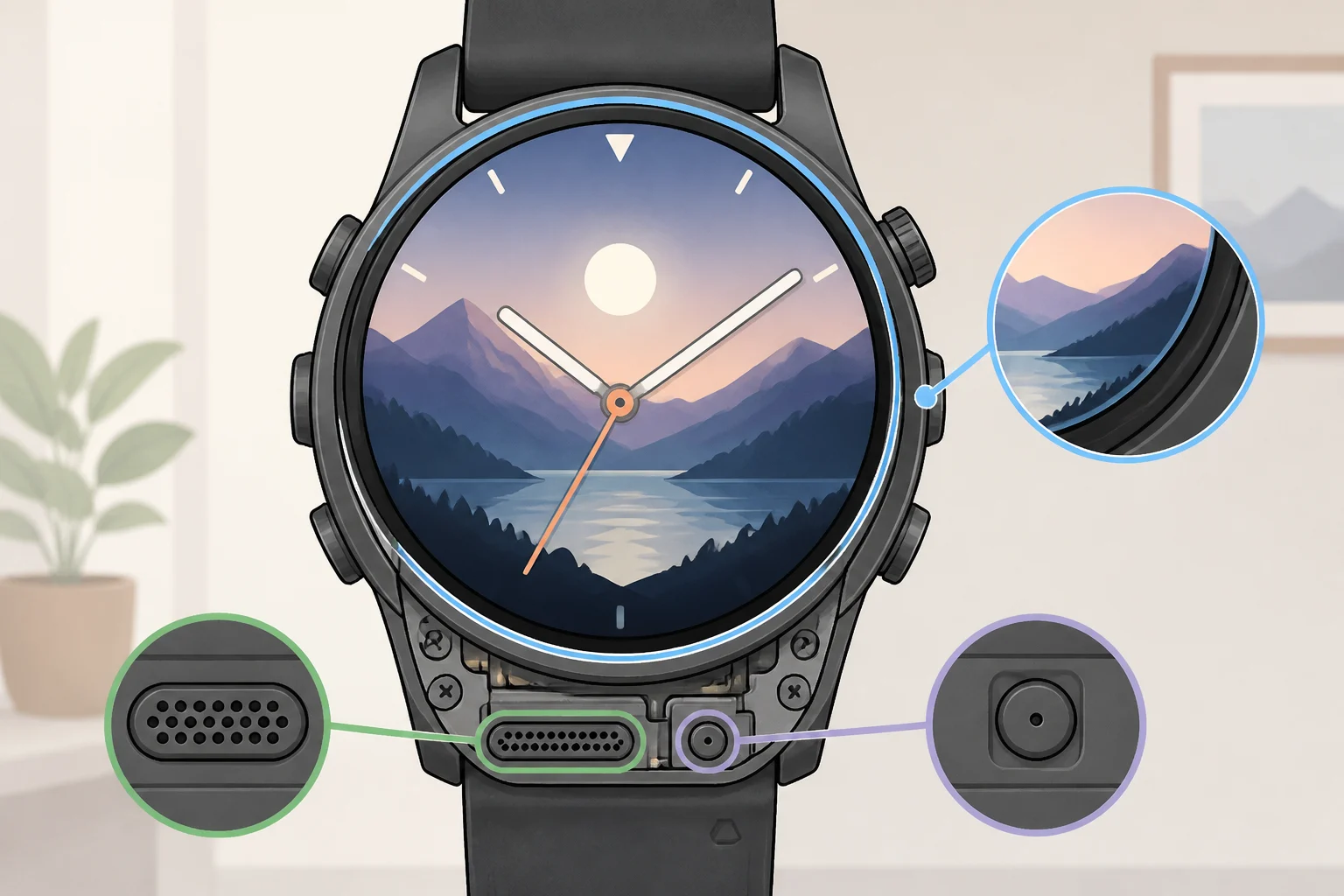
All six Garmin MARQ Gen 3 smartwatches share Grade 5 titanium cases, sapphire lenses, and a larger 1.4-inch borderless AMOLED display, up from 1.2 inches on Gen 2. Wareable calls the new screen a major upgrade partly because, unlike on Gen 2, it isn't crowded by the bezel (Wareable, today). Garmin's own materials add a built-in speaker and microphone, an LED flashlight, and preloaded TopoActive maps with address search across the line (Garmin Blog, today).
The MARQ-specific magnetic charger, built around the watch case rather than Garmin's standard cable, carries over from Gen 2 unchanged, Wareable reports (Wareable, today). Core health tracking on Gen 3 includes an ECG app for AFib signs, plus stress, sleep, Pulse Ox and HRV monitoring (Wareable, today).
Garmin points to 128GB of onboard storage, an increase over Gen 2, as part of its rationale for the higher price, alongside broader industry component costs, according to Wareable's report on the briefing (Wareable, today). Garmin hasn't specified what the extra storage is for, whether maps, music or data, so the figure reads as a stated justification rather than a demonstrated benefit.
Garmin MARQ Gen 3 vs Gen 2, and where it sits in Garmin's lineup
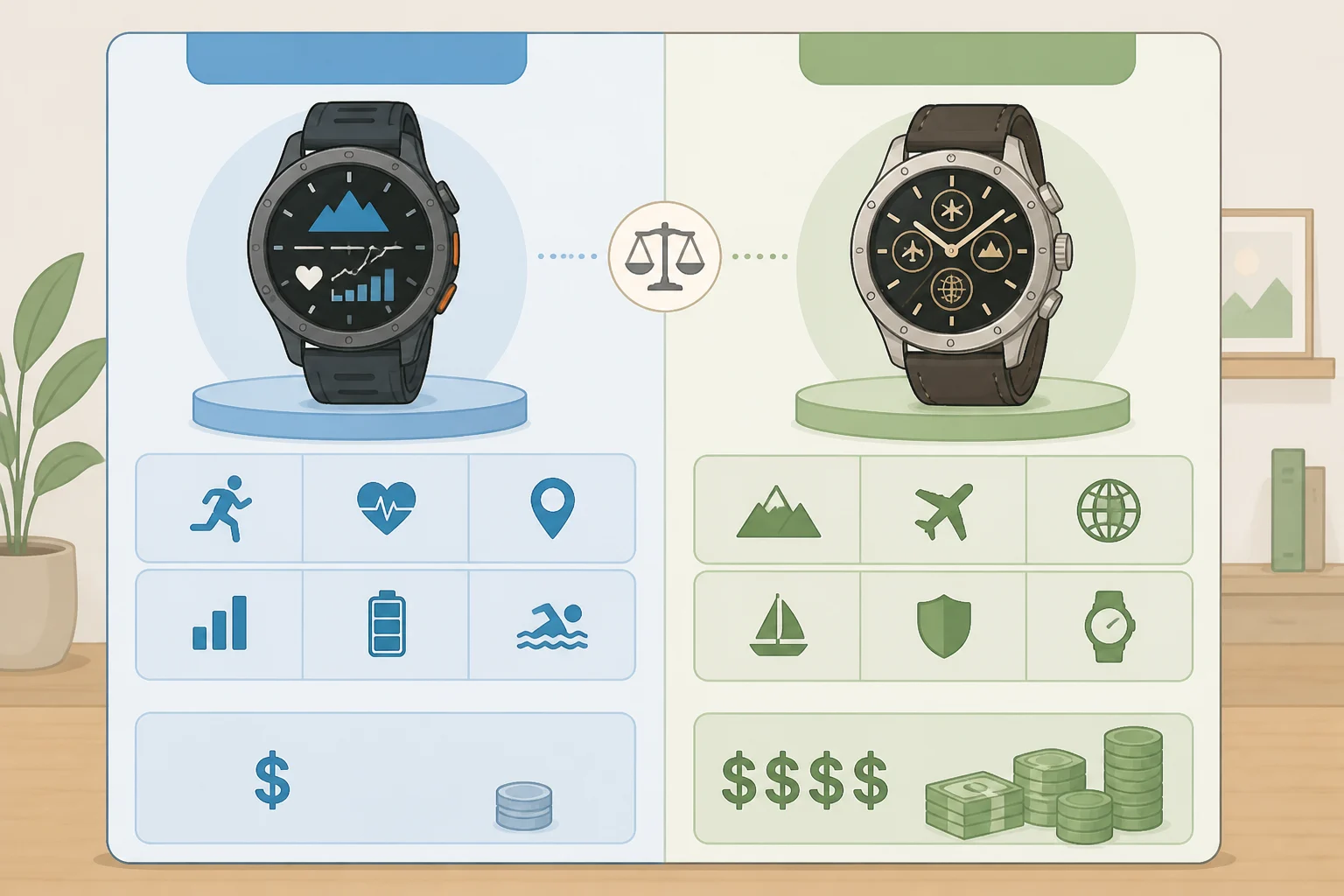
Garmin's Fenix 9 series starts at $999.99, which Wareable calls a sizable jump up to MARQ pricing (Wareable, today). The research doesn't confirm whether Fenix 9 matches MARQ's LTE and satellite setup, so the comparison is about price, not features.
Pricing above $3,000 isn't new to the MARQ name. The 2023 MARQ Carbon collection started at $2,950 (Garmin Newsroom, 2023). Gen 3 extends that price point across half the standard collection rather than reserving it for a special edition.
Garmin has published the requirements buyers need before ordering: an active LTE or satellite plan is mandatory, and coverage for both varies by region, with the company directing customers to its feature-requirements page for details specific to their location (Garmin Blog, today).
What's confirmed, and what comes next

Gen 3's collection-wide changes are substantial: built-in LTE and satellite communication, a larger AMOLED display, titanium and sapphire construction, and a 40-meter dive rating shared across all six watches, delivered at a $600 to $700 increase over Gen 2's launch pricing (Garmin Blog, today; Wareable, today).
Three things remain unresolved. Garmin hasn't disclosed what the connectivity plan costs. It hasn't explained how its stated satellite and SOS limitations will play out against dedicated inReach hardware in daily use. And it hasn't said whether any model-specific software will separate Athlete from Diver from Commander the way earlier generations did.
The November 5 release date will start to answer some of that. Independent testing, rather than today's announcement, will clarify the watch's connected battery life, satellite performance, and the practical difference between the three $3,100 models.