Knockoff Amazon Browser Extension Filters Fake Brand Names From Search Results
A free browser extension called Knockoff went viral this week after developer Josh Pigford built it over a single weekend to filter what he described as "nonsensical brand names with almost no selling history" from Amazon search results. The tool targets pseudo-brands: sellers whose names read like login credentials and carry no reputation to lose.
404 Media tested the extension this week and found it flagged screwdrivers from SUNHZMCKP, spoons from SACATR, and a lamp from ROTTOGOON within minutes of ordinary searches. Pigford built it, he told Fast Company, to surface what users would "subjectively" call more trustworthy brands ones with, as the tool's website puts it, "a reputation to lose."
Amazon, for its part, reported blocking more than 99.9% of suspected infringing listings before any brand owner had to report them, and said its Counterfeit Crimes Unit has pursued more than 32,000 bad actors across 14 countries since 2020, per the company's 2025 Trustworthy Shopping Experience Report, published earlier this year. That's a well-resourced system aimed at illegal activity. Knockoff is aimed at something it doesn't cover.
What the Amazon knockoff brand filter is actually targeting
Video of the Day
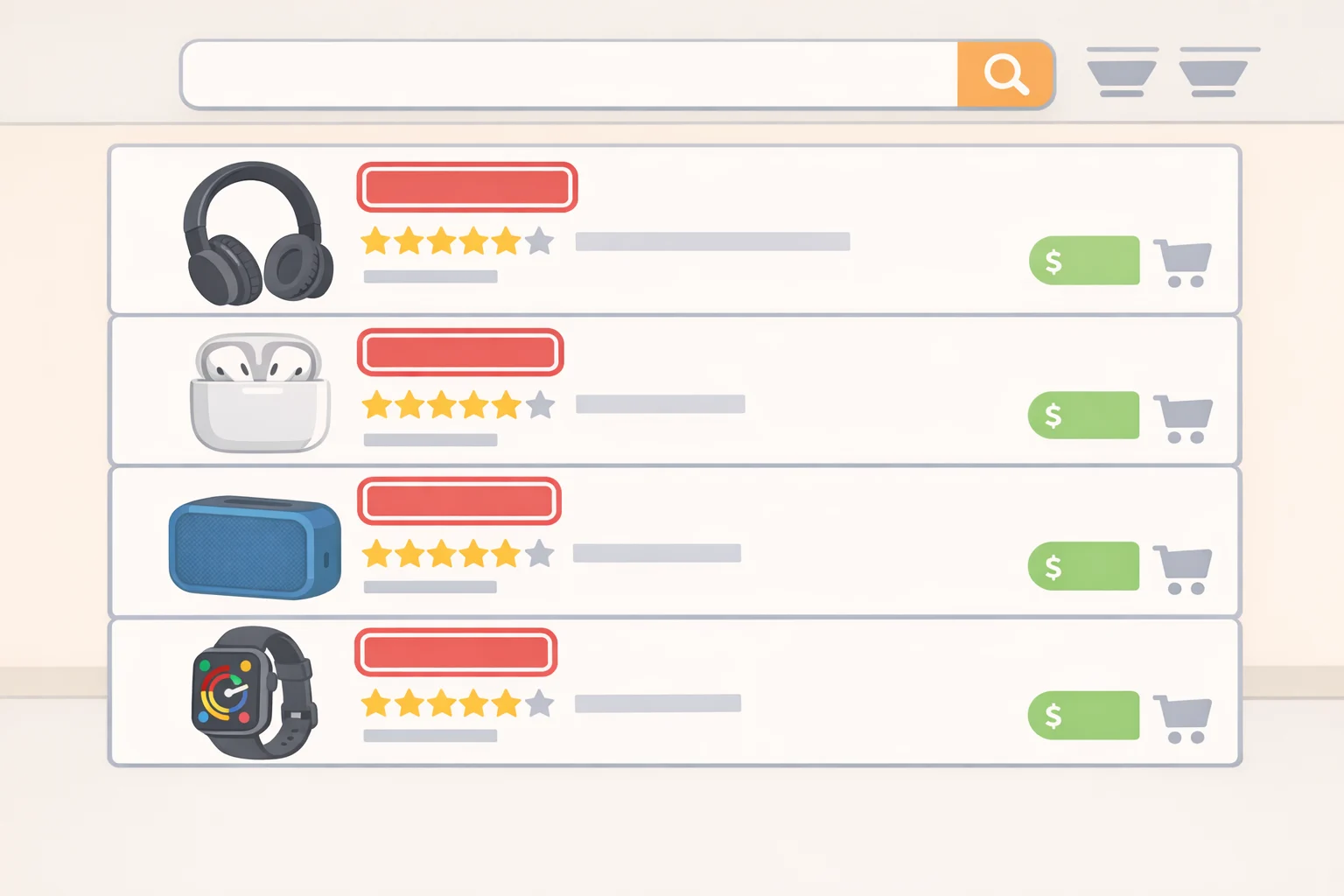
The Knockoff Firefox listing describes the problem directly: strings like SZHLUX, HORUSDY, LATTOOK, and DOZAWA registered as brand names to unlock Amazon's Brand Registry, but representing, per the listing, "no company, no warranty, and no reputation." In his launch announcement, Pigford named a longer list of targets WNPETHOME, EHEYCIGA, YXYL, GODONLIF, and COOFANDY among them, per 404 Media.
Amazon's enforcement infrastructure is built around legal violations: trademark infringement, fraud, counterfeit goods. Its AI systems scan billions of attempted changes to product detail pages daily, according to the company's report, and last year the company seized more than 15 million counterfeit products globally. None of that is designed to surface whether a seller has any stake in a buyer's repeat business. That's the gap Pigford built Knockoff to address, and the distinction matters: passing Amazon's verification process and having a recognizable identity beyond a single listing are not the same thing.
Knockoff didn't invent this frustration. 404 Media notes it builds on earlier tools including AmazonBrandFilter and The Markup's Amazon Brand Detector. The difference now appears to be critical mass: the clutter has reached a point where a weekend side project can go viral.
Video of the Day
How the browser extension to block fake brands on Amazon works
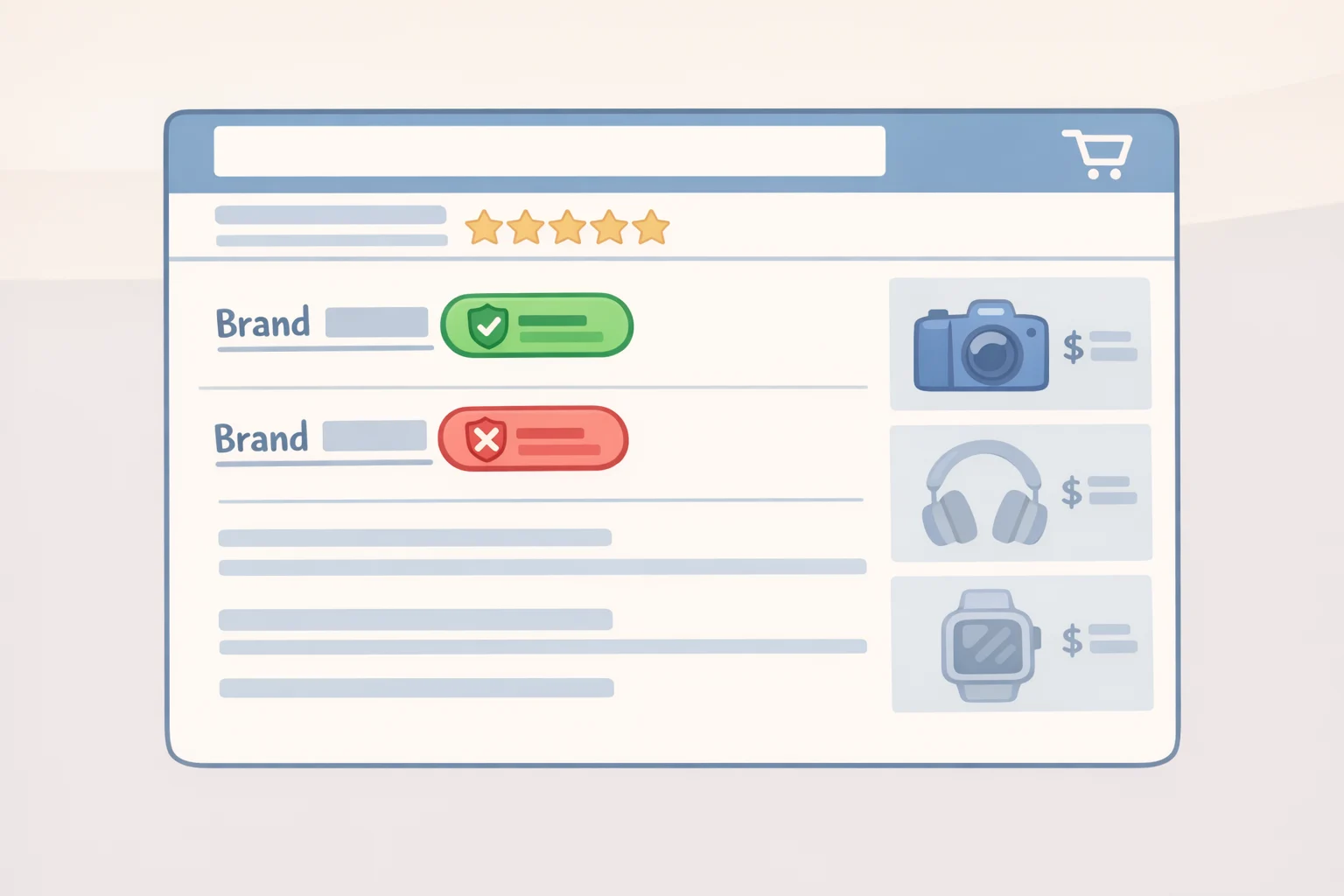
The extension checks every brand against a curated list of roughly 5,000 established names plus a community-maintained blocklist of known pseudo-brands, both refreshed daily, per the Firefox listing. Anything unrecognized gets scored against linguistic heuristics tuned to naming patterns common to marketplace-registered throwaway brands: all-caps rendering, vanishing vowels, unpronounceable consonant runs. Pigford told 404 Media the system analyzes consonant-to-vowel ratios, letter groupings, and capitalization the signals that make EHEYCIGA look like a name that was never meant to be remembered.
Three filter modes let users control how aggressively it operates, according to the add-on listing. Relaxed catches only confirmed pseudo-brands and personal blocklist entries. Standard, the default, also flags suspicious-looking names and unbranded listings. Strict goes furthest: anything not on the curated allowlist gets filtered, meaning an obscure but legitimate brand disappears unless a user explicitly approves it.
Flagged listings can be hidden entirely with a one-click reveal, dimmed until hovered, or simply labeled. On product pages, a verdict chip appears next to the brand name without altering the rest of the page. The extension can also suppress all sponsored listings, per 404 Media. Every badge is clickable: trust the brand, block it, show the item once, or report a misclassification, per the Firefox listing. Personal allowlists and blocklists always override the system.
Standard mode is the sensible starting point for most users it clears obvious clutter without aggressive over-filtering. Strict mode is most useful in categories dominated by well-known established brands, like major appliances or name-brand cookware, where an unfamiliar listing is unlikely to be a legitimate newcomer. Relaxed functions essentially as a personal blocklist with some automated assistance. The tool is most valuable in commodity categories phone chargers, basic tools, generic household goods where brand names are typically noise. Less useful where small or emerging brands are the norm, like independent apparel or specialty foods.
On privacy: everything runs locally on the user's device. The developer says the extension requires no account and collects no personal data, per the Firefox listing. The only network traffic is a daily brand-list download and optional, anonymized misclassification reports containing brand name, verdict, and product ID nothing linked to the user. The source code is publicly available on GitHub. For a tool that requires access to Amazon page content, that combination local processing, no tracking, open source lets technically inclined users verify the privacy claims directly rather than take them on faith.
Limits worth understanding before installing the knockoff Amazon browser extension
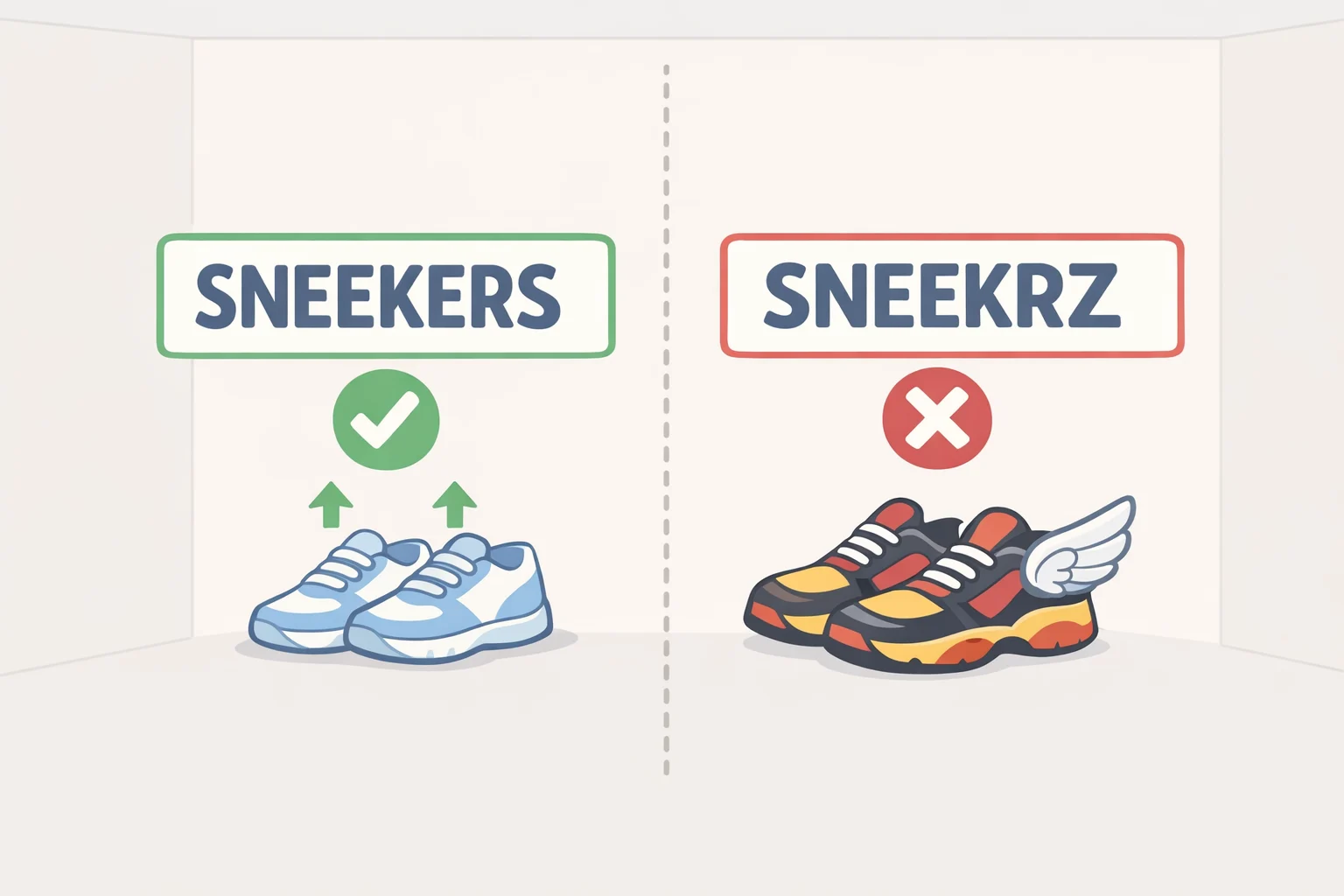
The filtering is heuristic, not definitive. No independent false-positive rate appears in any published materials, and Pigford's own framing acknowledges the subjectivity: the filter targets what users would consider untrustworthy, not a formally defined category.
Because the method leans on naming patterns, it may misfire on brands whose names were transliterated from other languages or that are simply unconventionally spelled. A brand that clears the filter can still sell a poorly made product. One that gets flagged isn't automatically selling something unsafe it may just have an unusual name. The tool is asking a narrower question than product quality: does this brand have markers consistent with an established identity?
Knockoff is free and available for Chrome and Firefox across amazon.com, amazon.ca, amazon.co.uk, and amazon.com.au, according to The Verge and the Firefox listing. Pigford told 404 Media he has no financial stake in its adoption: "I stand to benefit nothing directly economically it's a nice little tool I wanted to make."
What the viral reception actually signals
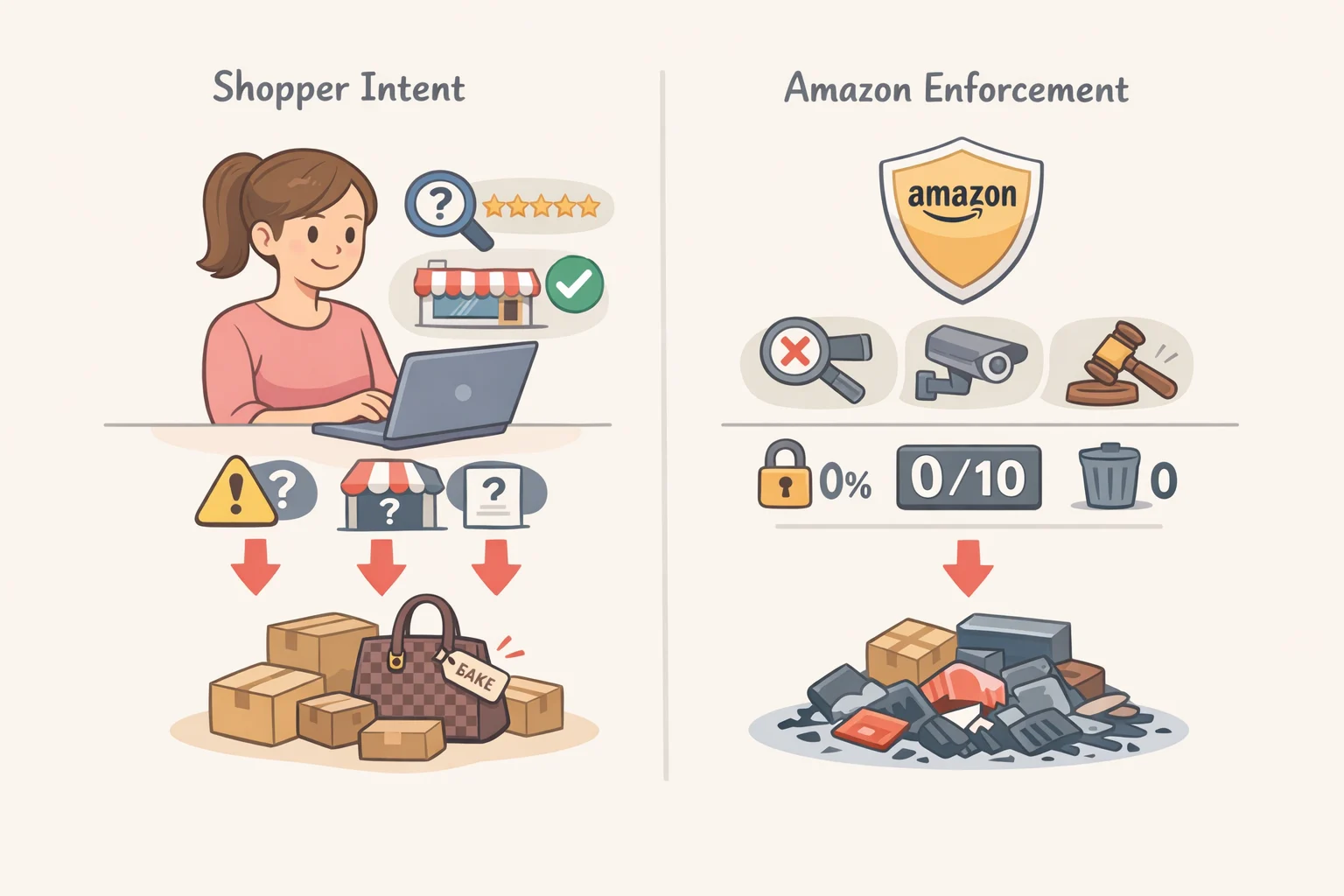
Amazon reported seizing 15 million counterfeit products last year and blocking hundreds of millions of suspected fake reviews. Its Counterfeit Crimes Unit has put more than 290 individuals behind bars since 2020, with an average sentence of 29 months, per the same report. That's a serious enforcement operation. It just doesn't answer the question a shopper is asking when they search for a lamp and get ROTTOGOON: is there anyone on the other end of this sale who will pick up the phone?
Amazon search results don't currently surface seller history or brand longevity in any legible way. Shoppers have no quick signal distinguishing a brand that's been selling kitchen goods for a decade from one registered last month specifically to move commodity inventory. Knockoff's viral moment suggests that gap is now frustrating enough to drive meaningful adoption of a tool that didn't exist a week ago.
Whether Amazon treats that as actionable feedback tightening Brand Registry entry requirements, adding visible seller tenure to search results or treats it as noise will say something about which problem the platform thinks it's actually in the business of solving. For now, that judgment call has been outsourced to a weekend side project.