Flaunt MagSafe Battery Charger Recall: Refund and Disposal Guide
The Flaunt MagSafe Battery Charger has been recalled after the lithium-ion battery in the power bank was confirmed to overheat and ignite. The CPSC notice published yesterday documents five fires, including burns to one consumer's hand and another's arm, plus four cases of minor property damage.
About 1,400 units were sold exclusively through flauntcases.com between May 2024 and April 2025 for about $65. Because the product never appeared at major retailers or third-party marketplaces, owners will not receive a store notification the CPSC recall page is the only official channel for this action.
The steps are sequential, and all three matter: stop using the device, file a refund claim, and get the battery to a proper disposal facility. The third step is not optional, and it is not the same as dropping it in the trash.
How to identify the Flaunt E33A power bank recall
Video of the Day
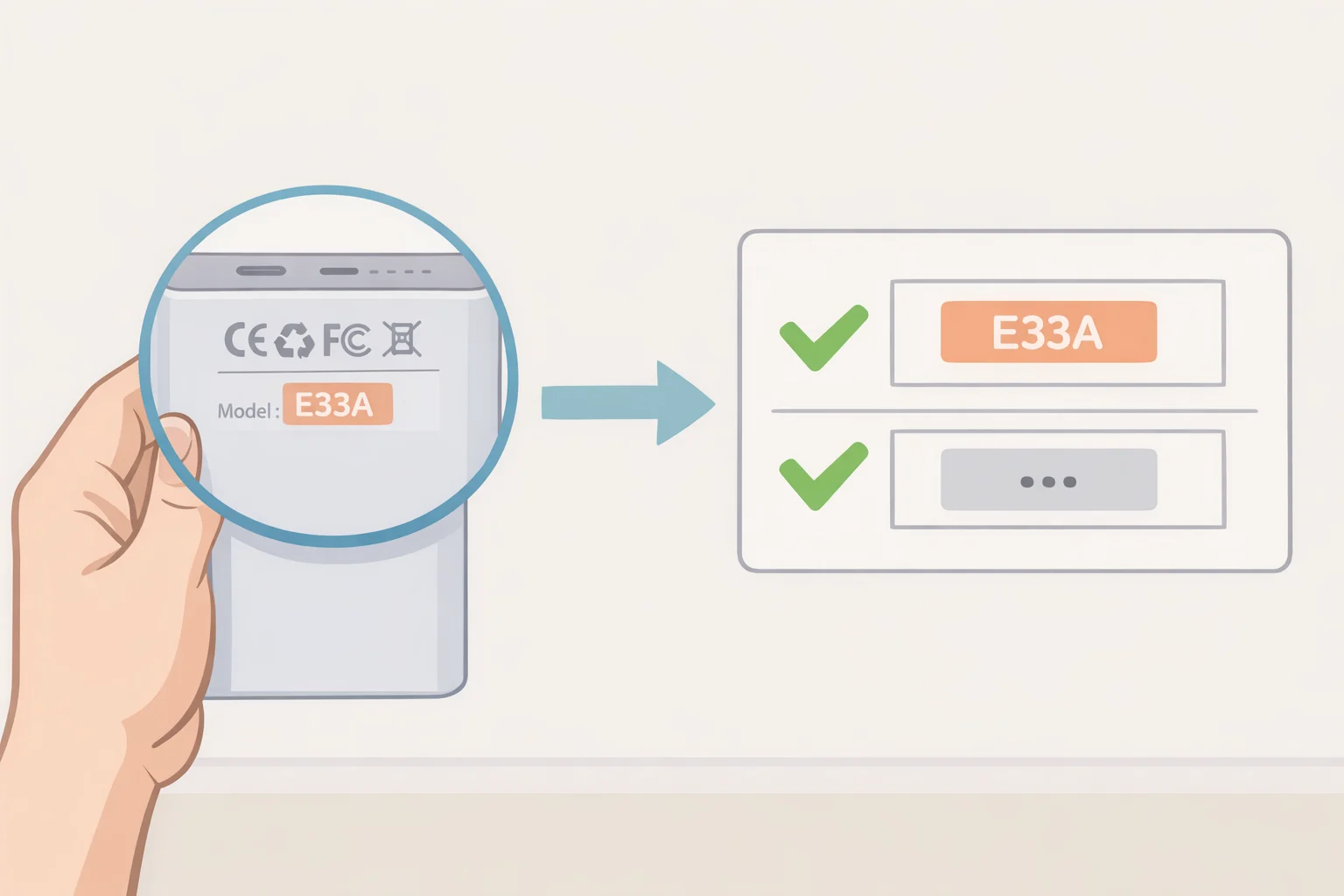
One model is covered: the Flaunt MagSafe Battery Charger, model number E33A. If the device was received as a gift or bought secondhand, the model number is what determines eligibility not where it came from. The recall was issued jointly by iDecoz Inc. dba Flaunt, of Brooklyn, New York, and Case-Mate, of Atlanta, Georgia, according to the CPSC.
Four details should all match:
- Product name: Flaunt MagSafe Battery Charger
- Model number: E33A
- Sold at: flauntcases.com only
- Sales window: May 2024 through April 2025, approximately $65
Check the device itself or the original packaging. The CPSC recall page includes product images to help confirm a match.
If the device matches, stop using it now and move to the next section. A defective lithium-ion battery does not become inert sitting in a bag or on a desk. Kogalla's recalled power banks covered in a separate CPSC action last fall were documented to have overheated and ignited even when completely idle, per that recall. The same risk applies here.
Video of the Day
What owners should do: stop use, claim a refund, dispose properly
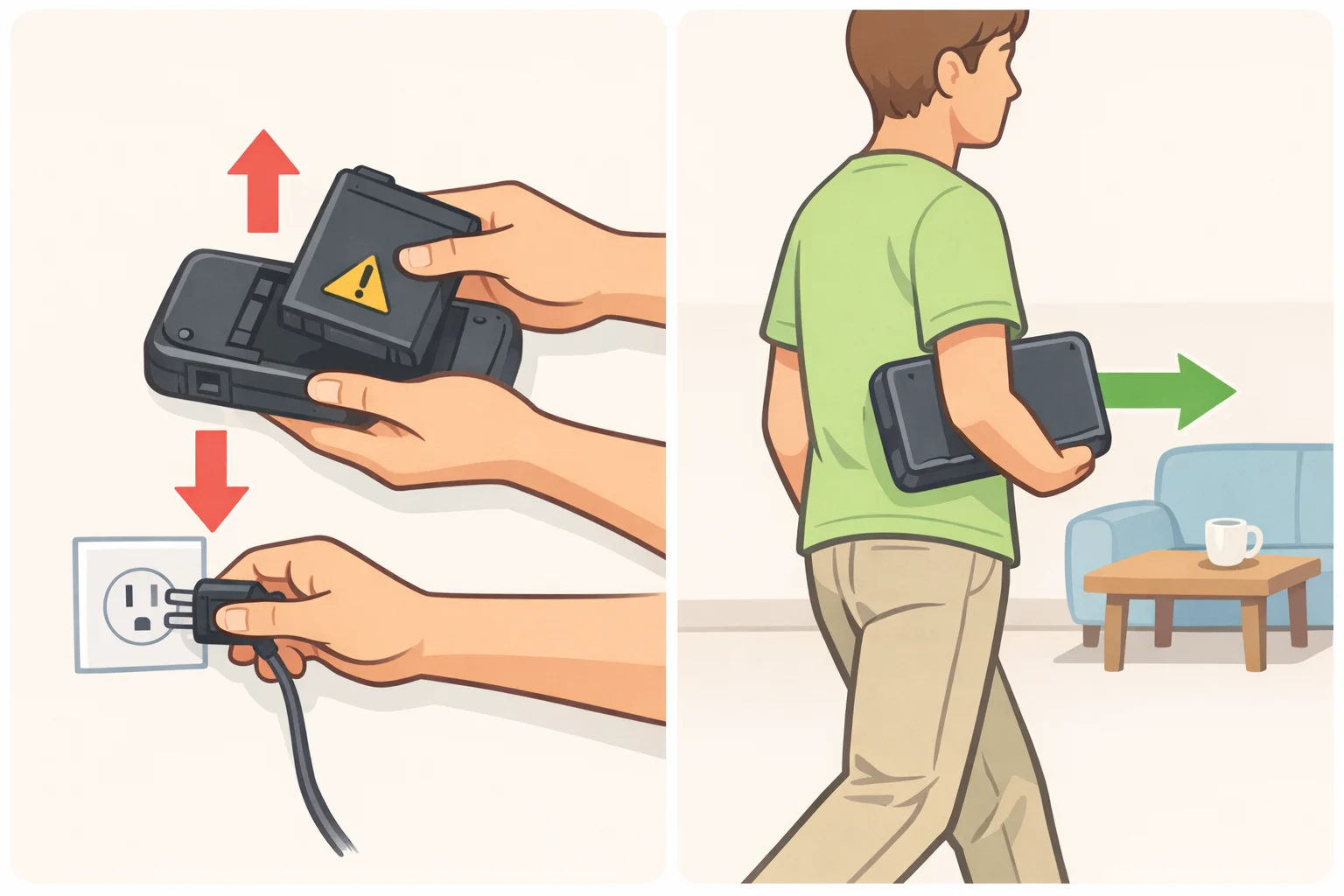
Stop using it first. The CPSC instructs owners to discontinue use immediately. Filing for a refund while the unit sits on a desk means continued exposure to a live fire risk.
Claim your refund. The notice offers two options: a full $65 refund by check, or an $80 store credit at flauntcases.com roughly a 23% premium that keeps the money inside the Flaunt ecosystem. The cash refund leaves complete freedom to replace the device elsewhere; the store credit only makes sense if buying from Flaunt again is already the plan. Unlike Belkin's November 2025 power bank recall, which required front-and-back product photos as part of the submission, the Flaunt notice does not specify a photo or proof-of-purchase requirement. Initiate the claim through the CPSC recall page (recall number 26-610).
Dispose of it properly this is a separate step from filing the refund. Recalled lithium-ion batteries cannot go into household trash, curbside recycling bins, or the used-battery drop boxes at hardware and home improvement stores. All of those routes carry additional fire risk. As the CPSC stated in its Super Off-Road power bank recall issued two weeks ago, recalled lithium-ion batteries present a greater ignition risk than standard batteries and must be handled apart from normal waste streams, per that notice.
The correct path: contact the local municipal household hazardous waste (HHW) collection center and confirm it accepts recalled lithium-ion devices before bringing one in. If it does not, contact the municipality directly for further guidance. Completing the refund claim and removing the battery from the home are two separate actions. One does not accomplish the other.
Recent power bank recalls point to a wider lithium-ion fire problem
The Flaunt recall does not exist in isolation. Four other power bank recalls have been issued in the past ten months, and the range of products involved is telling.
Last September, Anker recalled approximately 481,000 units after 33 reports of fire and explosion incidents, four minor burn injuries, and one report of substantial property damage those products had been sold through Best Buy, Target, Amazon, Walmart, AliExpress, eBay, and TikTok, per the CPSC. The following month, Zyntony recalled about 2,400 Kogalla-branded power banks after two reports of batteries overheating and catching fire while idle, resulting in one burn injury and roughly $3,300 in property damage, according to that CPSC notice. In November 2025, Belkin recalled about 83,500 units of its portable power banks and wireless charging stands following one U.S. fire report and 15 additional reports internationally, according to CPSC records. Two weeks ago, Super Off-Road recalled roughly 7,400 U.S. units of a solar wireless power bank that had never reached retail it was distributed as a corporate promotional giveaway from 2019 through 2023, per the CPSC.
Now the Flaunt unit. Five recalls, five different products: a boutique iPhone accessory sold for $65, one of the most recognizable names in consumer electronics carried at every major retailer, and a years-old promotional giveaway that recipients may not even remember owning. Price and brand recognition have not been reliable predictors of which products end up on the recall list.
The scale of the underlying problem is likely larger than any single notice reflects. A NIST analysis published earlier this year found that consumer lithium-ion battery fires appear to be growing at roughly 10% per year, and that current reporting including the CPSC's own datasets reflects a substantial underestimation of actual incidents, according to NIST. NIST also notes that lithium-ion battery fire risk extends across the full product lifecycle, from warehousing and shipping through consumer use and disposal. The fires captured in recall notices represent a reported floor, not a complete picture. A defective battery stored in a drawer rather than routed to a proper disposal facility is part of that undercounted risk.
Where to get official instructions
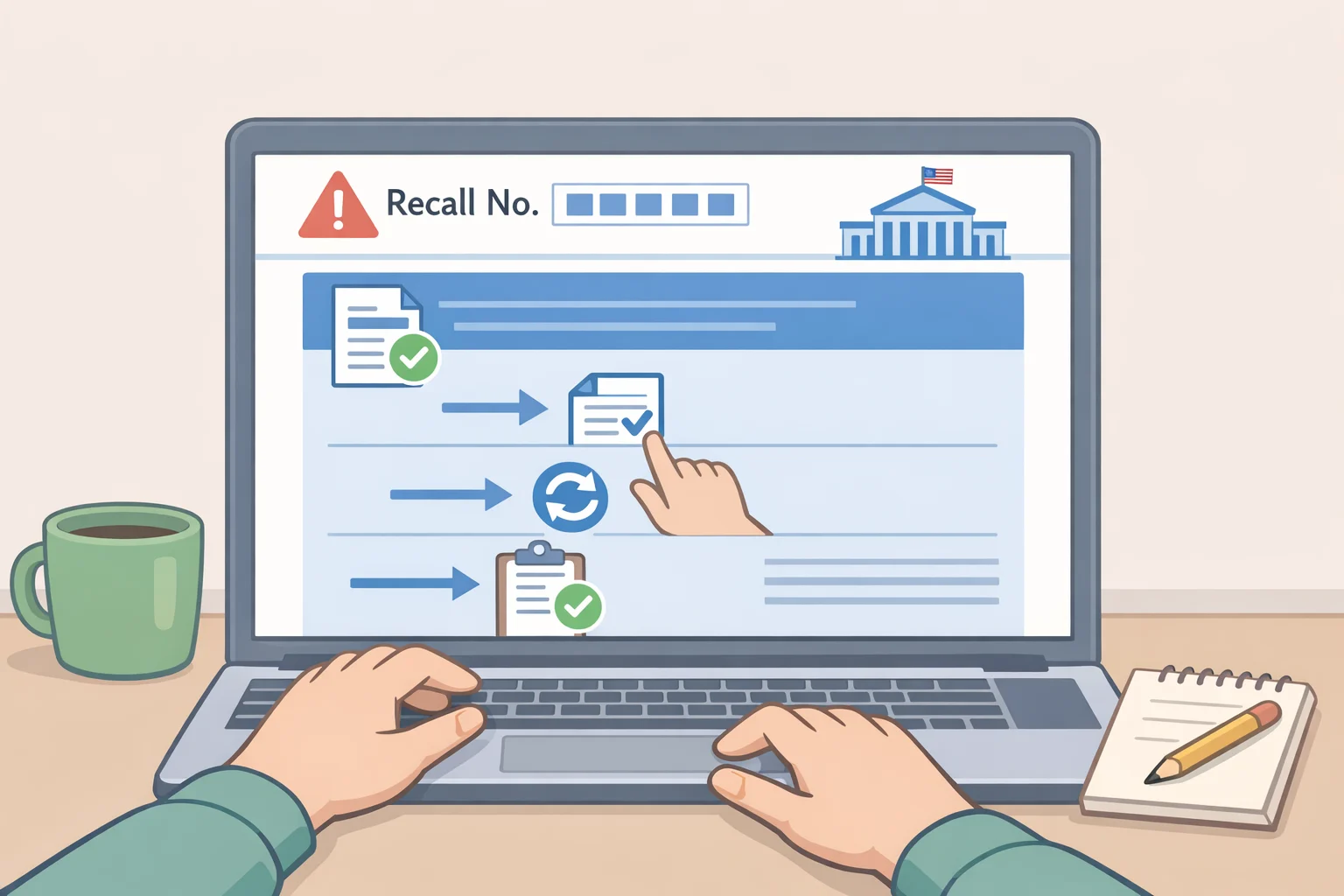
All official information for the Flaunt recall is available through the CPSC recall page (recall number 26-610). That page is the authoritative source for refund submission, any updates to the recall scope, and direct contact information for Flaunt.
Five reported fires across roughly 1,400 units is a significant incident rate for a small-run product. No deadline is listed for this recall, but waiting does not reduce the risk. The three steps are sequential: stop using it, file the refund claim, then get it to a household hazardous waste facility. What happens to the battery after the refund is processed depends entirely on the owner completing all three not just the one that puts money back in the account.