Switch 2 OLED Rumor: Why the Sharp Panel Points to LCD, Not OLED
A bare LCD panel purportedly destined for the Nintendo Switch 2 surfaced on a Chinese resale site two weeks ago, and the Switch 2 OLED rumor mill immediately went to work misreading it. The component is unambiguously LCD. What the leak suggests is a possible supplier change or quiet display revision not a path to OLED and the distinction matters for anyone trying to make a purchasing decision right now.
Nintendo Patents Watch posted images of the component on Bluesky. The panel carries model designation LS079T1SX10P, measures 7.9 inches, and runs at 1920x1080 identical on paper to the Innolux screen shipping in current units, according to HotHardware. What's different is the internal layout. Nintendo Patents Watch noted the Sharp unit's exposed circuit, connector, and cable configuration differ significantly from the Innolux launch model, as both HotHardware and Nintendo Life reported two weeks ago. The source described it as "an updated design not merely a minor revision."
What the Sharp panel leak shows and what it doesn't
Video of the Day
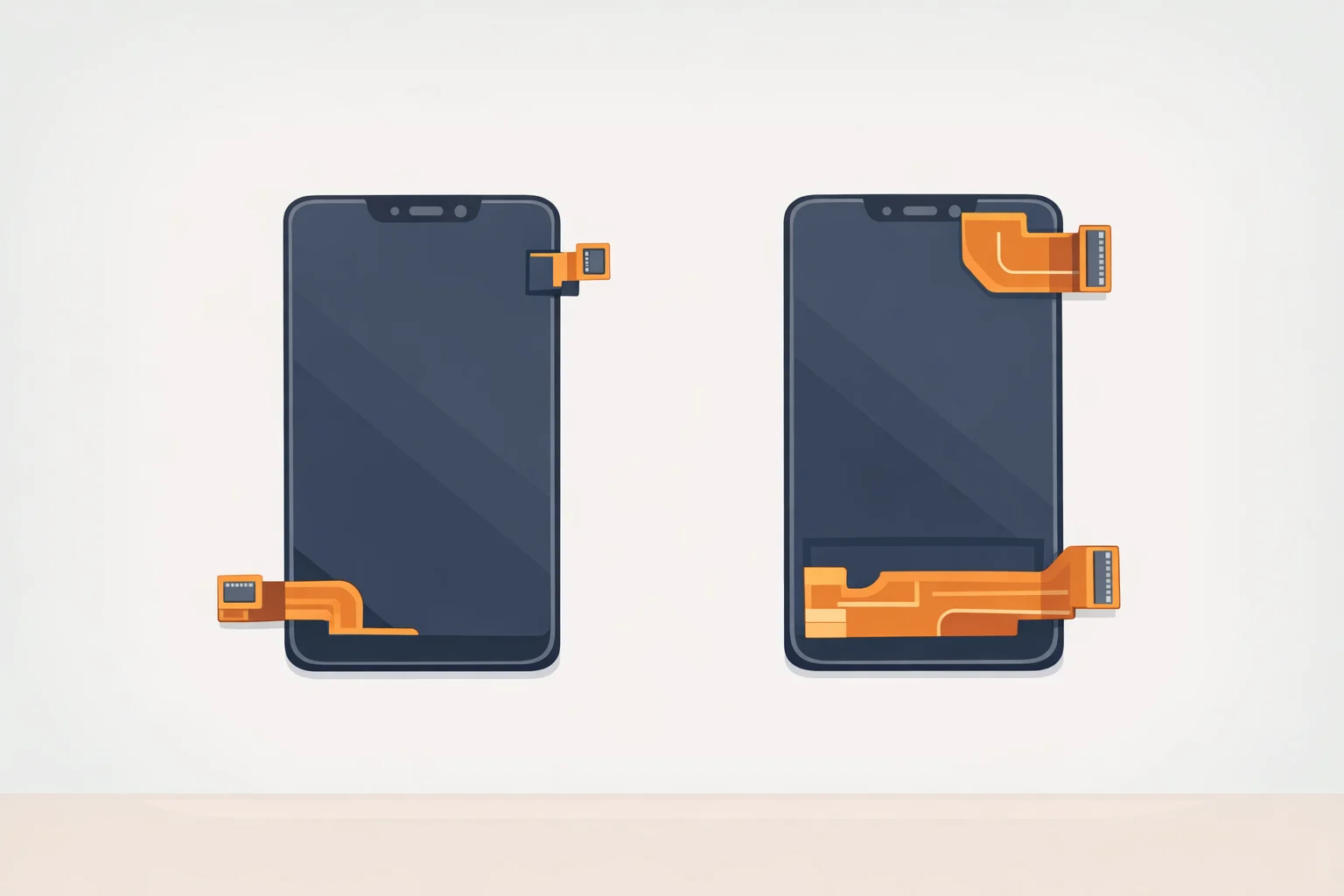
Matching specs on paper don't guarantee a matching experience. Different LCD manufacturers produce panels with different response times and pixel persistence even when size and resolution are identical. That gap is where the Switch 2 display revision story gets interesting.
Ghosting has been the one consistent complaint about the Switch 2 screen since the console launched in June 2025. Nintendo Life noted at launch that the display was "decent" and "enough of a size and refresh-rate upgrade to not feel like a massive downstep from the OLED model," but reports of motion blur in fast-moving games circulated alongside those qualified endorsements. Nintendo Patents Watch raised the possibility that the Sharp panel could address exactly that problem, per HotHardware though no brightness, contrast, or response-time measurements have accompanied the component images. The Switch 2 ghosting fix argument is plausible, not confirmed.
Two separate explanations fit what the leak shows. Nintendo could be dual-sourcing panels from Sharp alongside Innolux to protect production capacity, a standard practice at this manufacturing scale. Or it could be transitioning away from Innolux entirely. Those are meaningfully different situations. Dual-sourcing changes nothing for consumers. A full transition might produce measurably different units over time without any public announcement Nintendo has swapped components across production runs before without changing SKU names, HotHardware noted. Which scenario this is remains unclear.
One piece of circumstantial detail is worth noting. Sharp's Hakusan plant recently reported expanded sales in mobile display applications, which Nintendo Life cited alongside the component images. It keeps the rumor credible without constituting proof of anything specific.
Nintendo is also already making production changes to the Switch 2. The company has confirmed a hardware revision planned for Europe to comply with battery replacement regulations, per HotHardware. Whether the Sharp panel swap is connected to that effort or a separate track is unknown.
Video of the Day
Why the Switch 2 OLED rumor doesn't fit this evidence
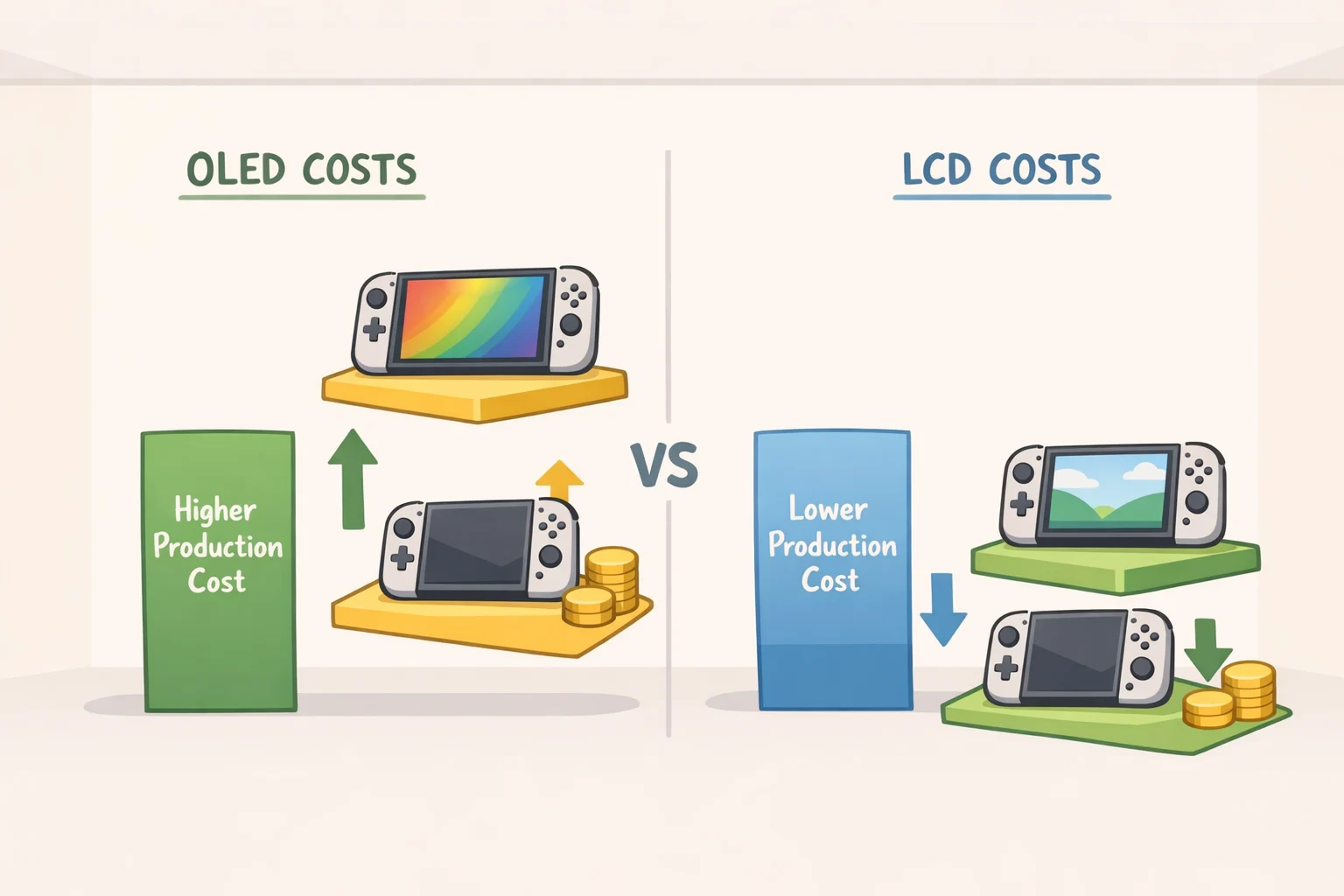
Nothing about the Sharp component points to OLED. The panel is LCD. The speculation connecting this leak to an OLED upgrade appears to be pattern-matching rather than evidence-following, and the patterns are weaker than they look.
The OLED narrative draws on precedent: Nintendo upgraded the original Switch to an OLED model roughly four years after launch, so the thinking goes that the Switch 2 will follow the same arc. But there's no leaked OLED panel, no supply-chain reporting confirming an OLED order, and nothing in Nintendo's public documentation pointing that direction, as HotHardware observed. The Sharp LCD story has an actual alleged component behind it. The OLED story has inference.
The economics push further against it. Nintendo cited soaring semiconductor memory costs and deteriorating profits as the reasons it is raising Switch 2 prices across Japan, North America, and Europe, according to Nikkei Asia two months ago. The US price rises from $449.99 to $499.99 in September 2026, less than 18 months after launch. OLED panels cost more than LCD to produce. HotHardware put it plainly: an OLED model is "probably not in the immediate cards" with a price hike already coming.
Nintendo's R&D spending did jump 23.7% to ¥177.8 billion in FY2026, a figure some outlets flagged as evidence of a hardware refresh, per LavX News two months ago. The number is real; the interpretation is a stretch. As LavX News acknowledged, that budget spans software development, patent filings, mobile titles, cloud services, and AI tooling. A line item that broad can't confirm any specific display SKU. It's the kind of number that feeds forum threads, not the kind that indicates a product.
What buyers should watch and what real confirmation looks like
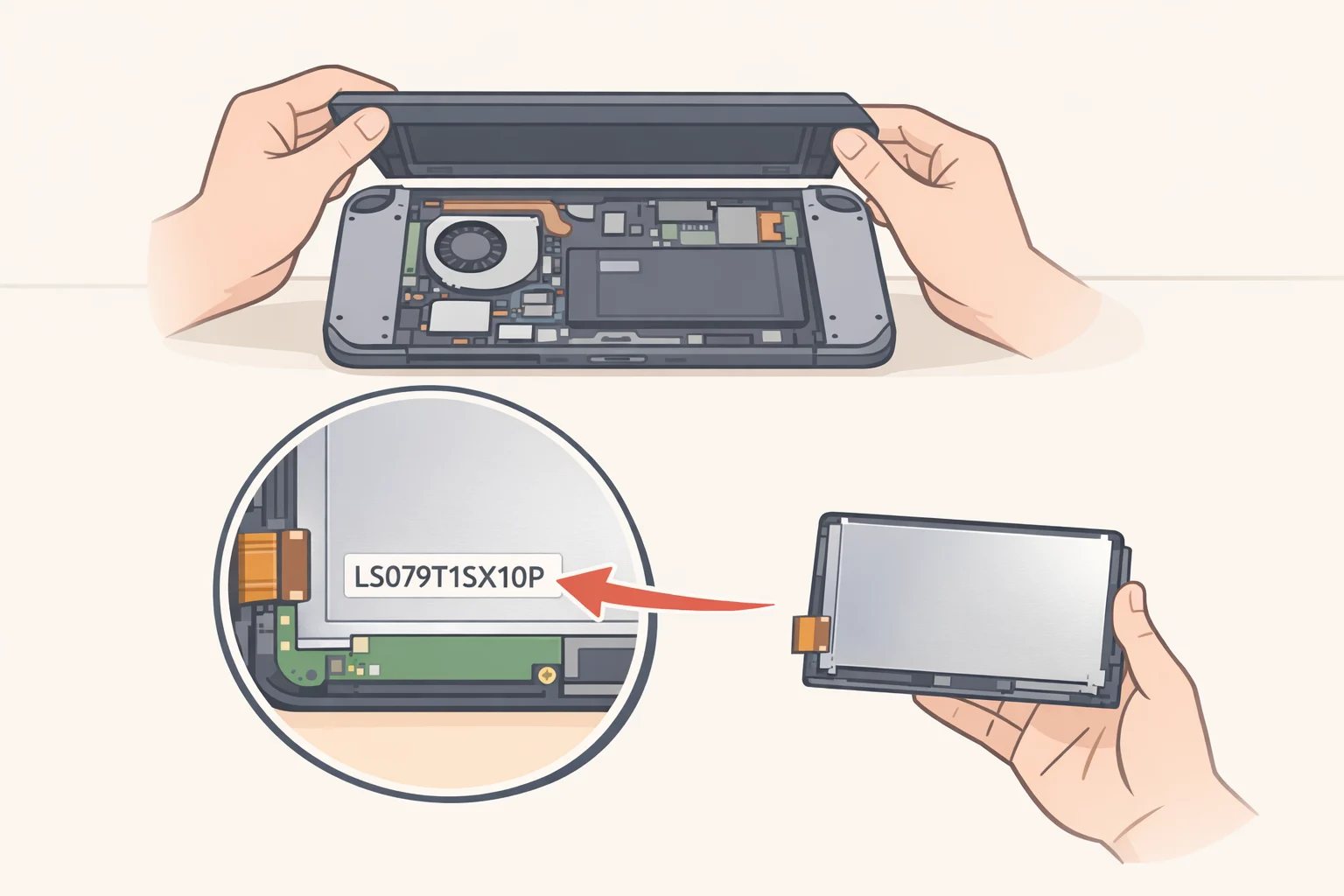
For current Switch 2 owners, any improvement from a Sharp panel revision would arrive without announcement. Production units would simply start shipping with the different display over time, no new model name, no box change. Verifying which panel a given unit contains would require a physical teardown or model-number check nothing visible at retail.
For prospective buyers weighing whether to hold out for an OLED model, the current evidence offers no credible reason to wait. No supply-chain reporting supports an OLED version in the near term, Nintendo is raising prices on the existing hardware rather than repositioning the product line, and the one actual component that surfaced is unambiguously LCD. The original Switch followed a patient hardware cadence: a battery revision two years in, a Lite variant, then an OLED four years after the original launch, per NotebookCheck. If the Switch 2 tracks something similar, an OLED variant is a conversation for later in the decade and only if memory costs stabilize enough to make it viable.
What genuine confirmation of the Sharp LCD revision would look like is specific. A teardown of a retail unit revealing the LS079T1SX10P model number. Independent display testing showing lower response times or reduced pixel persistence compared to the Innolux original. A new panel identifier appearing in Switch 2 system firmware. Those are concrete signals, according to HotHardware and Nintendo Life. Anything short of that is context, not confirmation.
The firmware angle is the one worth watching. A new panel identifier in a system update would be the clearest early signal that revised units are entering the supply chain and it would surface well before any teardown could confirm it at retail.