Pinwheel Home landline phone for kids launches at $68 with parent controls
Pinwheel launched its Pinwheel Home landline phone for kids yesterday, a screen-free, voice-only device targeting children ages 5 to 10, priced from $68. The phone runs over Wi-Fi through a hub that plugs into any standard wall outlet no phone jack, no cable provider, no wall work required, according to Pinwheel's launch announcement.
The launch extends Pinwheel's existing line of kid-focused smartphones and a smartwatch into a new category: a home phone designed as a child's first communications device, managed entirely by parents through the company's Caregiver Portal. Pinwheel's stated goal is to let children call friends and family independently without borrowing a parent's phone, per the announcement.
The timing tracks a real gap in most households. A 2024 government survey found that 87% of American children lived in wireless-only homes, per CPR News, leaving many families without a shared phone a young child can actually use. More parents are looking for ways to delay smartphone adoption while still giving younger children some independence, TechCrunch reported yesterday.
What the Pinwheel Home landline phone for kids actually does
Video of the Day
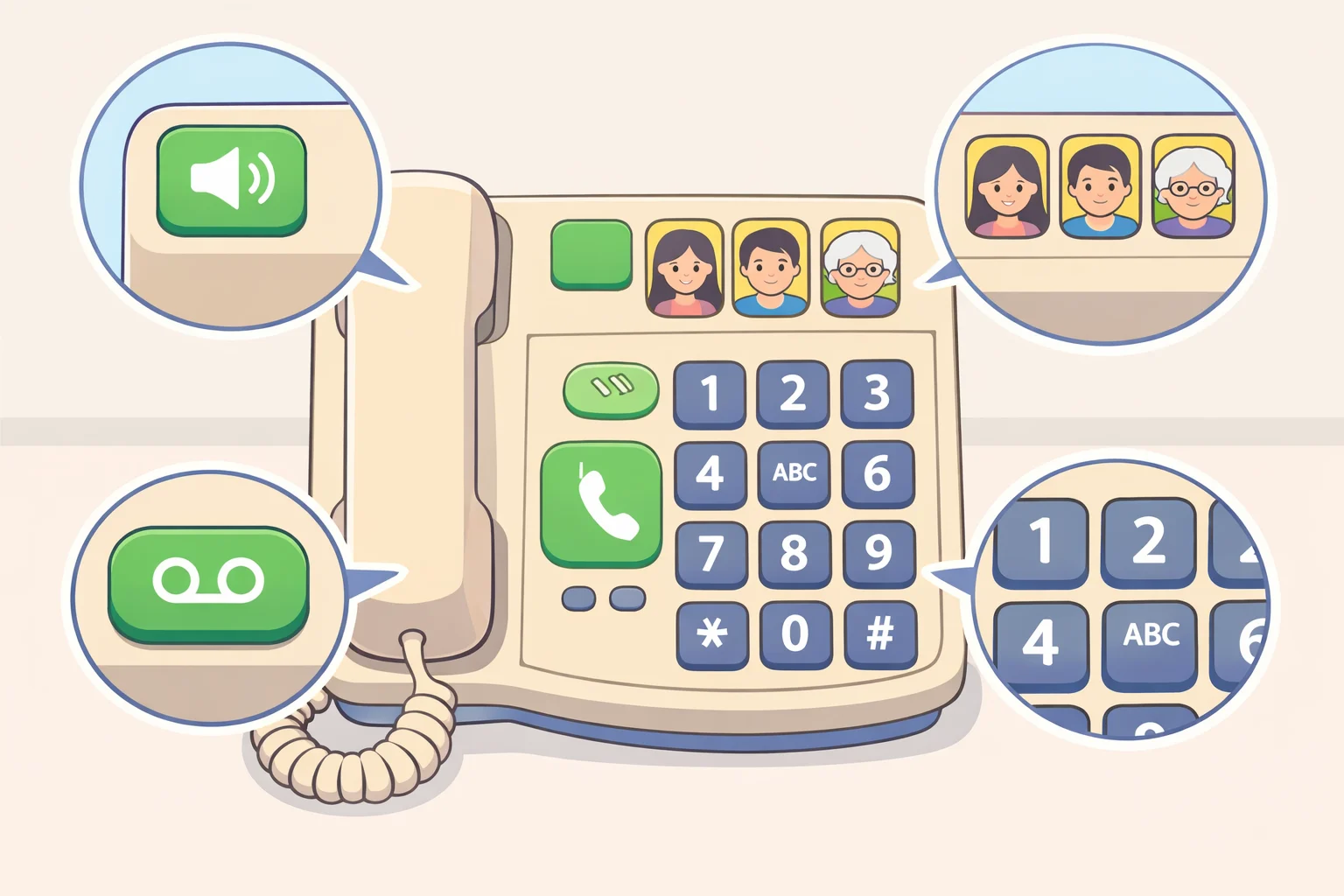
The device looks like something pulled from a 1990s bedroom. The retro form factor is intentional: it signals, to kids and parents both, that this is not a smartphone, Digital Trends reported yesterday. Social media, texting, internet access, and games are not filtered or locked behind parental controls. They are simply not built in. Speed dial and voicemail are included.
Two models are available at launch. The Spark starts at $68 and comes in white, black, blue, or purple. The Classic runs $79, adds a chunkier retro handset and customizable stickers, and comes in pink, black, or white, per TechCrunch and Digital Trends.
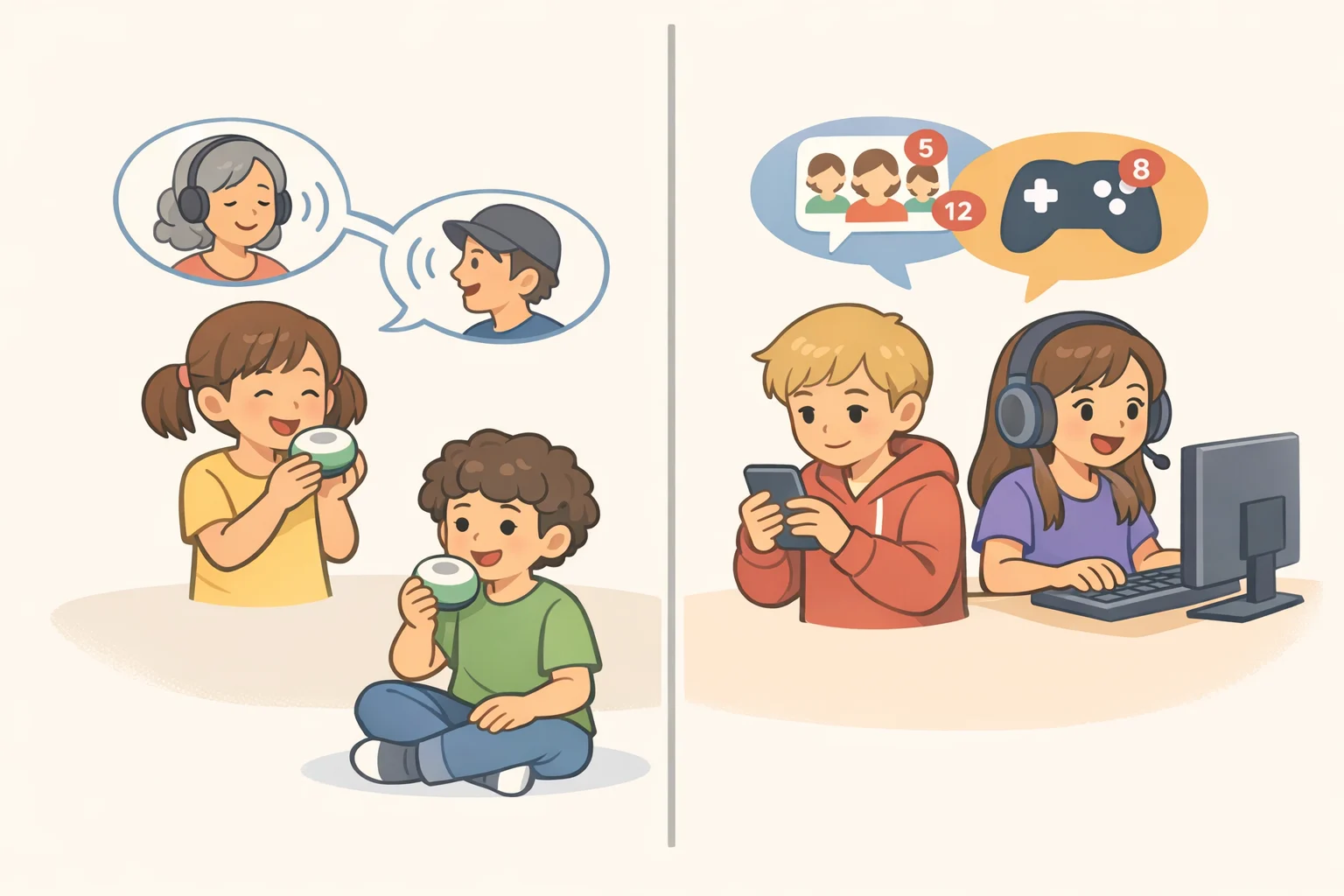
Pinwheel positions the home phone as an introduction to independent communication before children are ready for a smartphone, TechCrunch reported. The company's smartphone products are designed for ages 7 to 14, according to a Helping Parents Win review of those devices, placing the home phone squarely in the years before that range begins. Worth naming plainly: this is not a fit for any child whose social life runs through iMessage group chats or gaming platforms. Voice calls only, by design.
Video of the Day
How the Pinwheel Home subscription model actually works
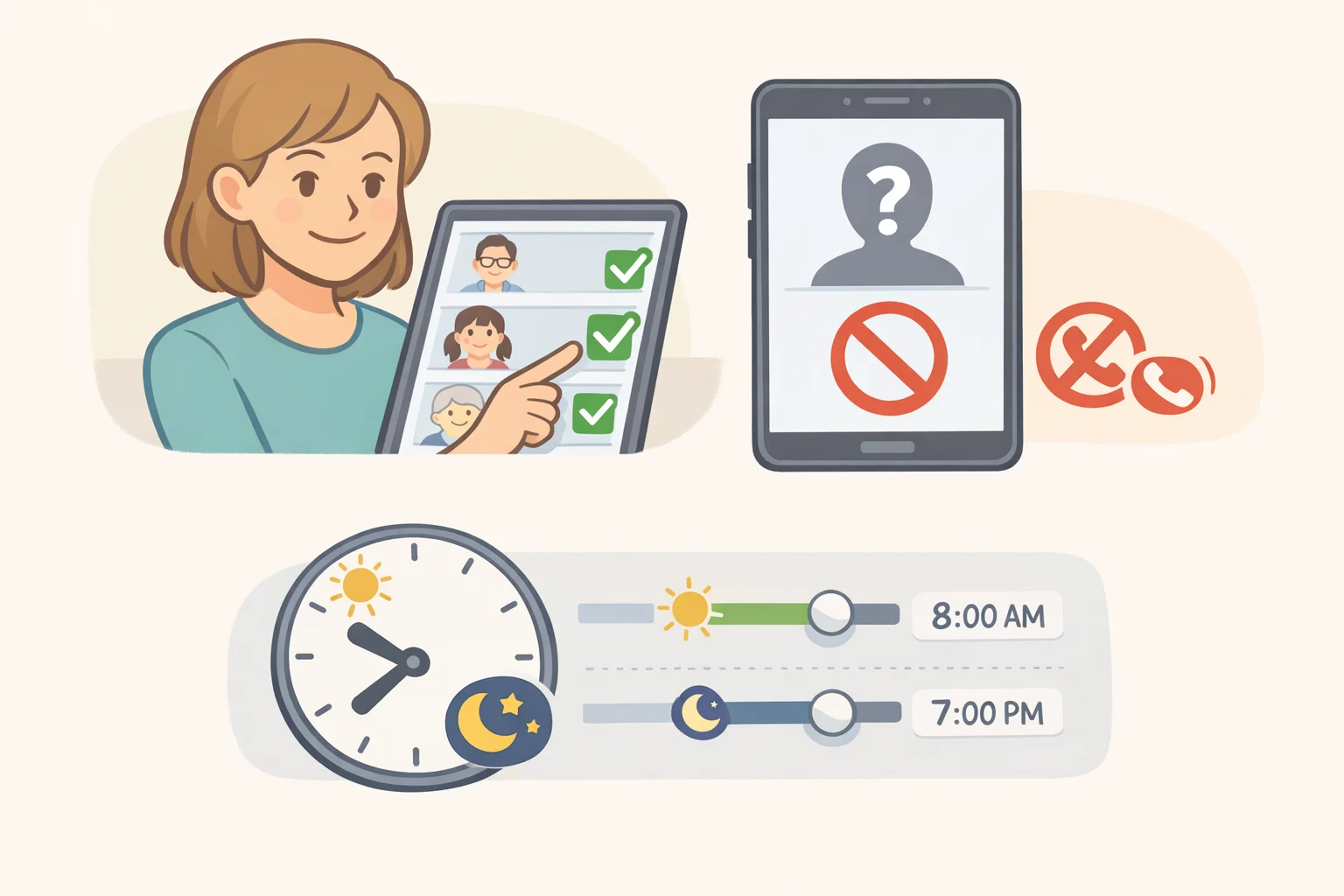
Parents manage everything through Pinwheel's Caregiver Portal. All contacts require approval before a child can call or receive a call from them. Unknown numbers, spam, and robocalls are blocked automatically. Parents can also set calling hours, time limits, and review call history, according to Pinwheel's announcement and TechCrunch. Emergency 911 access is built into all plans, paid or free, per Digital Trends.
The hardware price is straightforward. Ongoing costs are more layered. Calls between Pinwheel Home devices are free through Pinwheel Circle, which uses a shorter Pinwheel Code rather than a standard 10-digit number, Digital Trends reported. Reaching anyone outside that network a parent's cell phone, a grandparent, a friend without Pinwheel requires a paid plan.
Two subscription tiers cover outside-network calls. The Friends and Family plan runs $6.99 per month and provides a full 10-digit number with up to five approved external contacts. The Unlimited plan runs $9.99 per month and removes the five-contact ceiling, per TechCrunch. Every contact at either tier has been pre-approved by a parent.
One cost question launch coverage left unresolved: whether Pinwheel Home carries the separate Caregiver Portal subscription fee that applies to Pinwheel's smartphone products. That fee runs roughly $14.99 per month for smartphone users, per the Helping Parents Win review, but it is unclear whether Home users face it. Families should confirm the full monthly cost directly with Pinwheel before purchasing.
The free in-network tier also has a practical constraint. It only helps if other families in a child's social circle own Pinwheel Home devices. Otherwise, parents are paying a monthly subscription for a phone that reaches five contacts at most on the base plan. Competitor Tin Can runs on a near-identical structure free calls within its own network, $10 per month for outside numbers, per CPR News which suggests the free/paid split is a deliberate category-wide design, not something specific to Pinwheel.
Pinwheel's product ecosystem and what comes next
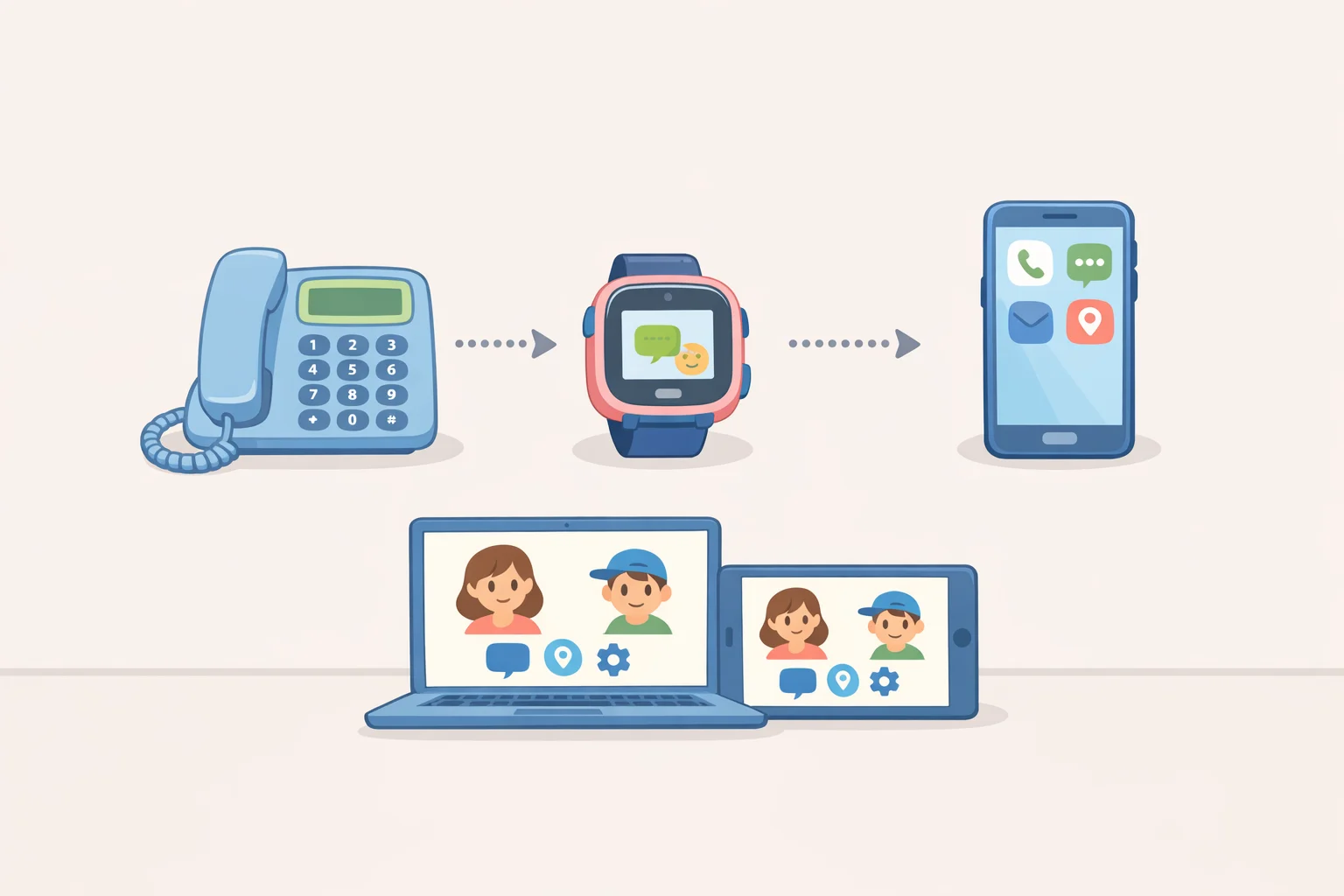
Pinwheel Home is the entry point of a wider device lineup. The company already sells kid-oriented smartphones and launched a smartwatch last year, TechCrunch reported. Pinwheel's own launch materials describe the home phone as a starting point, with families able to transition to a Pinwheel Watch or Pinwheel Phone as children grow, all managed within the same Caregiver Portal, per the announcement.
Planned software updates could deepen that integration considerably. Three-way calling is on the roadmap, and future updates may allow a child to carry the same approved contacts and phone number from a Pinwheel Home to a Pinwheel Watch to a Pinwheel smartphone, per Digital Trends and TechCrunch. That cross-device continuity, if delivered, could make switching away from Pinwheel's platform more difficult as children age.
The hardware pricing across the line reflects that structure. The Pinwheel Watch runs roughly $159; the company's smartphones range from approximately $249 to $299, per the Helping Parents Win review. At $68, the home phone sits well below both. Low entry cost, recurring subscription revenue, a product ladder that keeps families inside one platform for potentially a decade the business logic is not subtle.
What the category still has to prove
Demand for screen-free home phones for children appears real. Tin Can, Pinwheel's closest competitor in the space, saw Christmas Day activations jump 100 times over the prior day's volume, CPR News reported earlier this year. But a source quoted in that same report voiced the central doubt plainly: that devices like these could turn out to be seasonal novelties, toys kids receive in December and ignore by summer.
Pinwheel Home is available now at pinwheel.com, with an Amazon listing expected by fall 2026, per the launch announcement. The harder question is whether children will keep using a voice-only home phone once their friends have moved to iMessage group chats and gaming platforms channels this device cannot reach by design. Pinwheel's implicit answer is that families who start here will follow the product ladder upward. Whether the home phone becomes a habit or just a stepping stone is what the market will decide over the next year.