Honda Prologue Discontinued Fears Grow as Sales Fall 74% in 2026
Honda canceled three planned US electric vehicles earlier this year, scrapping the only models it had designed to replace the Prologue. The Honda Prologue discontinued question is now live: the car survives for now, but it stands alone in a lineup that was supposed to look very different by this point.
In March, Honda axed the Honda 0 SUV, Honda 0 Saloon, and Acura RSX before any of them reached showrooms, per its corporate statement. All three were scheduled to enter production at Honda's new EV facility in Ohio, running on Honda's own in-house platform and software, Electrek reported. The Prologue, which shares GM's Ultium platform with the Chevy Equinox EV, was always meant to be a stopgap, not the endgame. With those replacements gone, it's now the whole show.
Honda warned the restructuring costs tied to the cancellations could reach 2.5 trillion yen, roughly $15.7 billion, according to its corporate statement. That would mark its first annual loss as a listed company in nearly 70 years, Reuters reported in March.
Is the Honda Prologue discontinued? What Honda says and what the sales data shows
Video of the Day
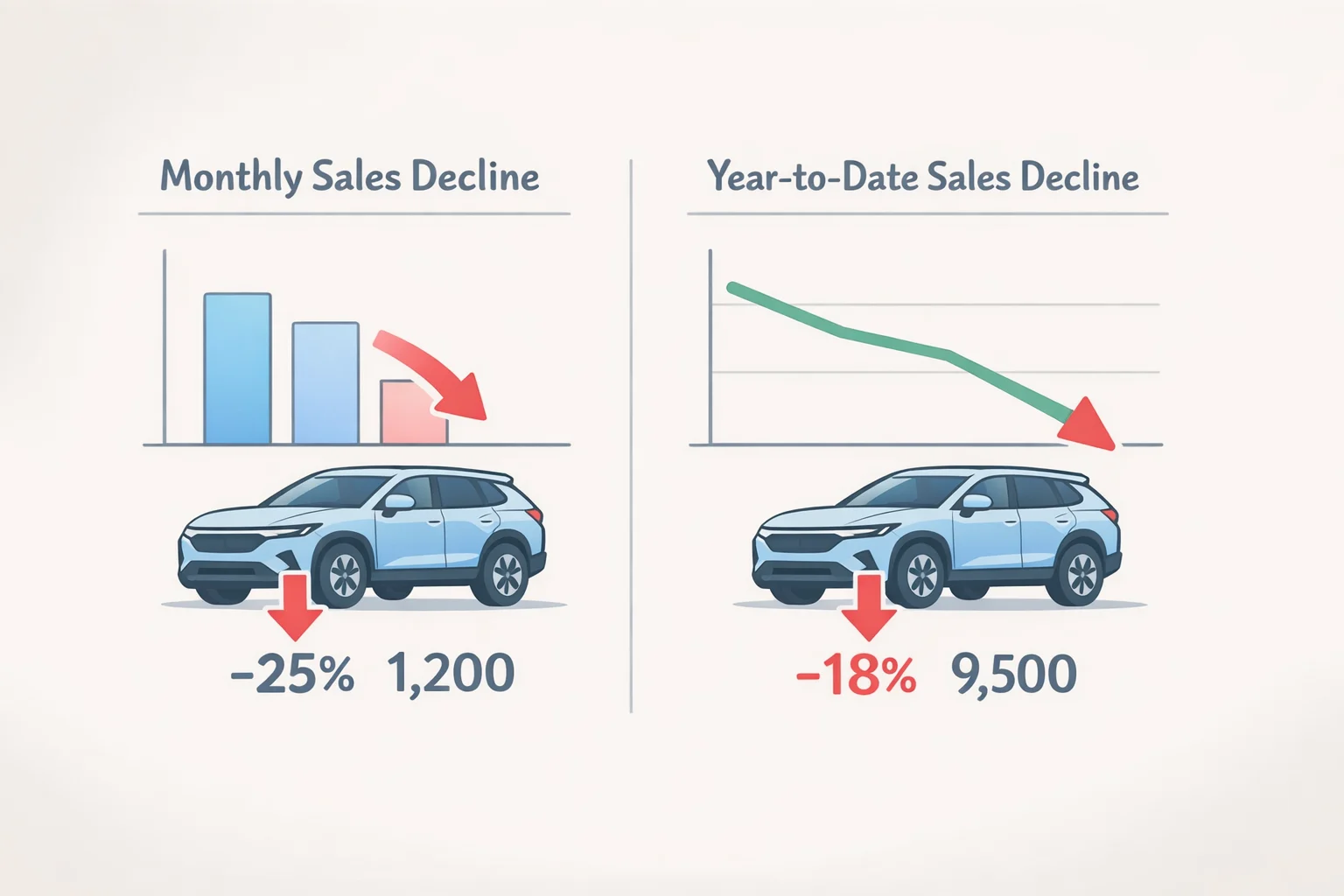
Industry forecaster AutoForecast Solutions, cited by Automotive News, expected Prologue production to wrap up in December. Honda pushed back immediately. A spokesperson called the Automotive News report "based purely on speculation" and stated that "the Prologue remains in our lineup," Electrek noted. The denial was direct. The sales data, however, tells a different story.
The Prologue launched in 2024 and sold 39,194 units in its first full year on sale in 2025, ranking sixth among all US EVs, Electrek reported. The models ahead of it were the Tesla Model Y, Model 3, Chevy Equinox EV, Ford Mustang Mach-E, and Hyundai IONIQ 5. Sixth place among EVs isn't a bad result for a first full year. What happened next was.
By February 2026, monthly volume had fallen to 1,067 units, down 63% from the same month a year earlier, according to Electrek. Year-to-date through February, Honda had moved only 1,731 Prologues, a decline of 74.6% from the same period in 2025, Electrek reported. For context: the Hyundai IONIQ 5 sold 3,329 units in February alone, up 33% year-over-year. The Prologue was being outsold by a single competitor by a factor of three in a single month.
Honda has since revised its Prologue volume target down to approximately 17,900 units for the year, roughly half of what was originally planned, Automotive News reported. That number reflects what Honda actually expects to move. The Acura ZDX, which shared the same Ultium platform, was discontinued in September 2025 with similar "market conditions" language and similarly little warning before production ended, Electrek noted.
Video of the Day
Honda 0 Series canceled: why the EV retreat happened
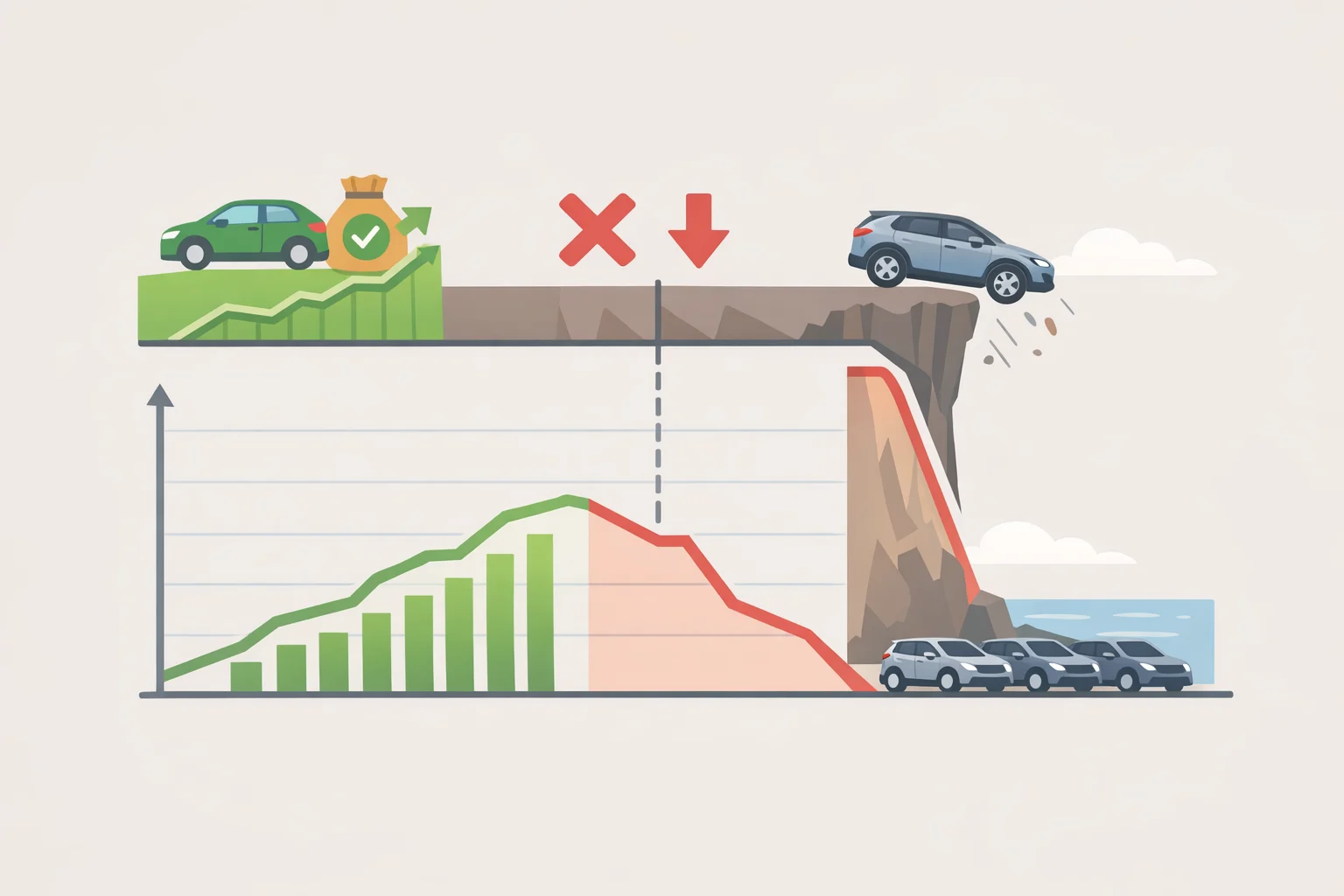
Honda cited the easing of fossil fuel regulations and revisions to EV purchasing incentives by the Trump administration as direct causes of its strategic reversal, Electrek reported. The federal government ended EV incentives in September 2025, triggering a near-immediate sales decline across the segment, Electrek noted. The Prologue's sales cliff corresponds almost exactly to that timeline.
What made Honda's March corporate statement unusual was how candid it was about competitive failure. The company acknowledged it was operating in "a current business environment where the demand for EVs is declining significantly" and admitted it was "unable to deliver products that offer value for money better than that of newer EV manufacturers," pointing to US tariff pressure and intensifying Asian competition as compounding factors. That's not standard hedging language. It's a documented acknowledgment that the cars Honda built to compete on its own terms couldn't clear the bar.
The canceled models, all running on Honda's proprietary platform, were supposed to be the answer to exactly that competitive gap. With them gone, Honda said in March it planned to announce a revised mid- to long-term auto strategy at a press conference in May, per its corporate statement. That announcement has since passed. No replacement for the canceled models has been publicly identified.
Honda Prologue lease deals: what the incentives signal
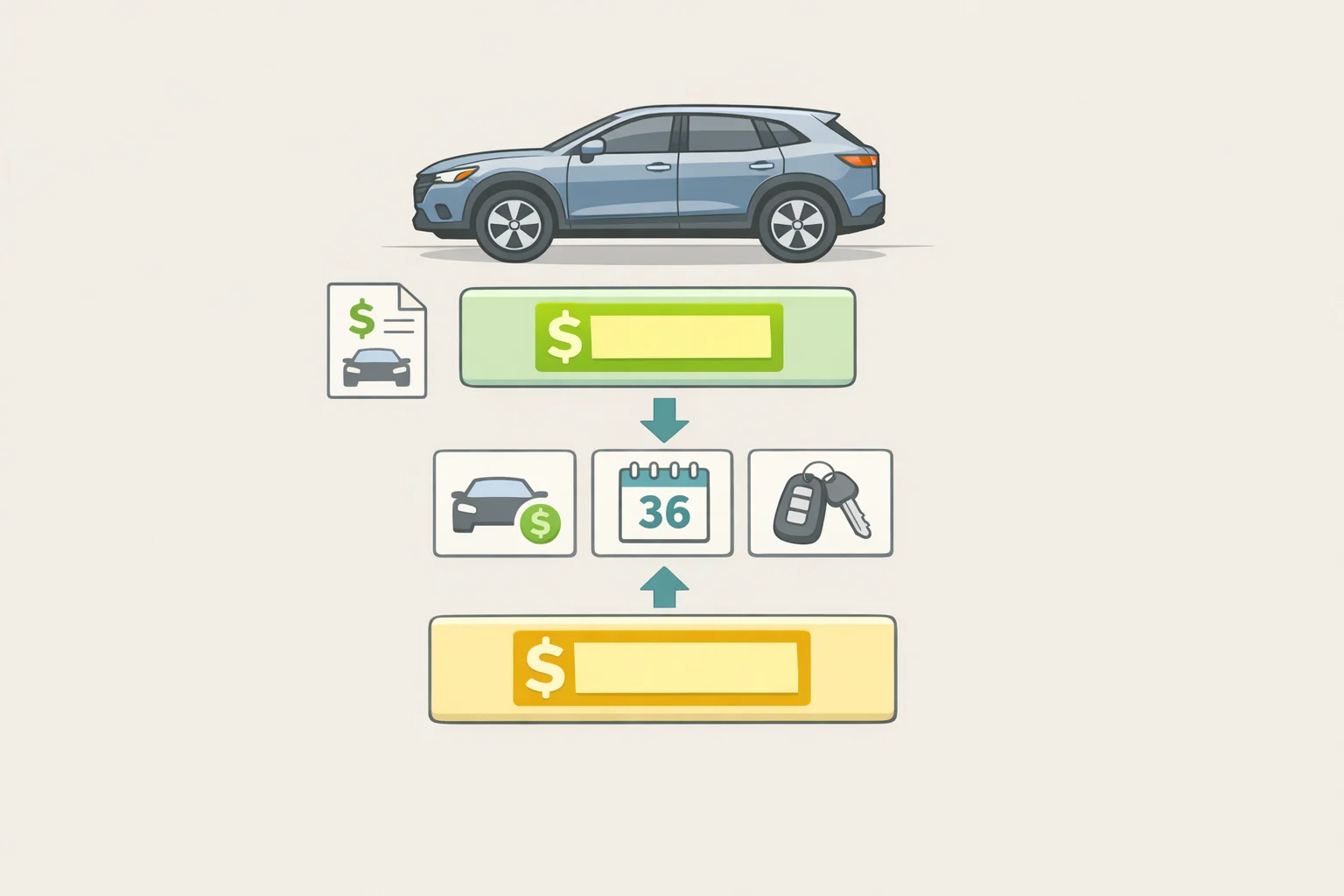
With sales down sharply and production cut nearly in half, Honda is offering up to $8,000 in sales credits on 2026 Prologue models, with leases starting at $269 per month, according to Electrek. Those incentives arrived alongside the sales deterioration, not before it. Numbers like those reflect what Honda needs to charge to move cars in a market that has largely moved on.
The Prologue's situation has a few specific characteristics worth understanding. It runs on GM's Ultium platform, which means software updates, parts supply, and long-term service decisions sit partly outside Honda's control. The Acura ZDX, its Ultium sibling, was discontinued nine months ago. The Prologue's revised annual production target is roughly 17,900 units, per Automotive News, and there is no confirmed successor in Honda's US lineup. Resale values will price in all of that uncertainty.
A two- or three-year lease sidesteps most of those questions. The car gets returned before the longer-term platform and support questions become a practical problem, and the current incentive structure makes the monthly cost genuinely competitive with other EVs in the segment. Buying outright is a different proposition. A buyer absorbs the full weight of a model with no product path, a platform dependency, and a resale market that will reflect exactly the situation described above.
The incentive pressure driving these lease rates is tied directly to inventory. As production trends toward Honda's own revised ceiling of 17,900 units for the year, the supply that creates urgency to discount shrinks with it. The $8,000 credit exists because Honda has cars to move. When the inventory thins, the math changes.
What's left of the Honda US EV lineup
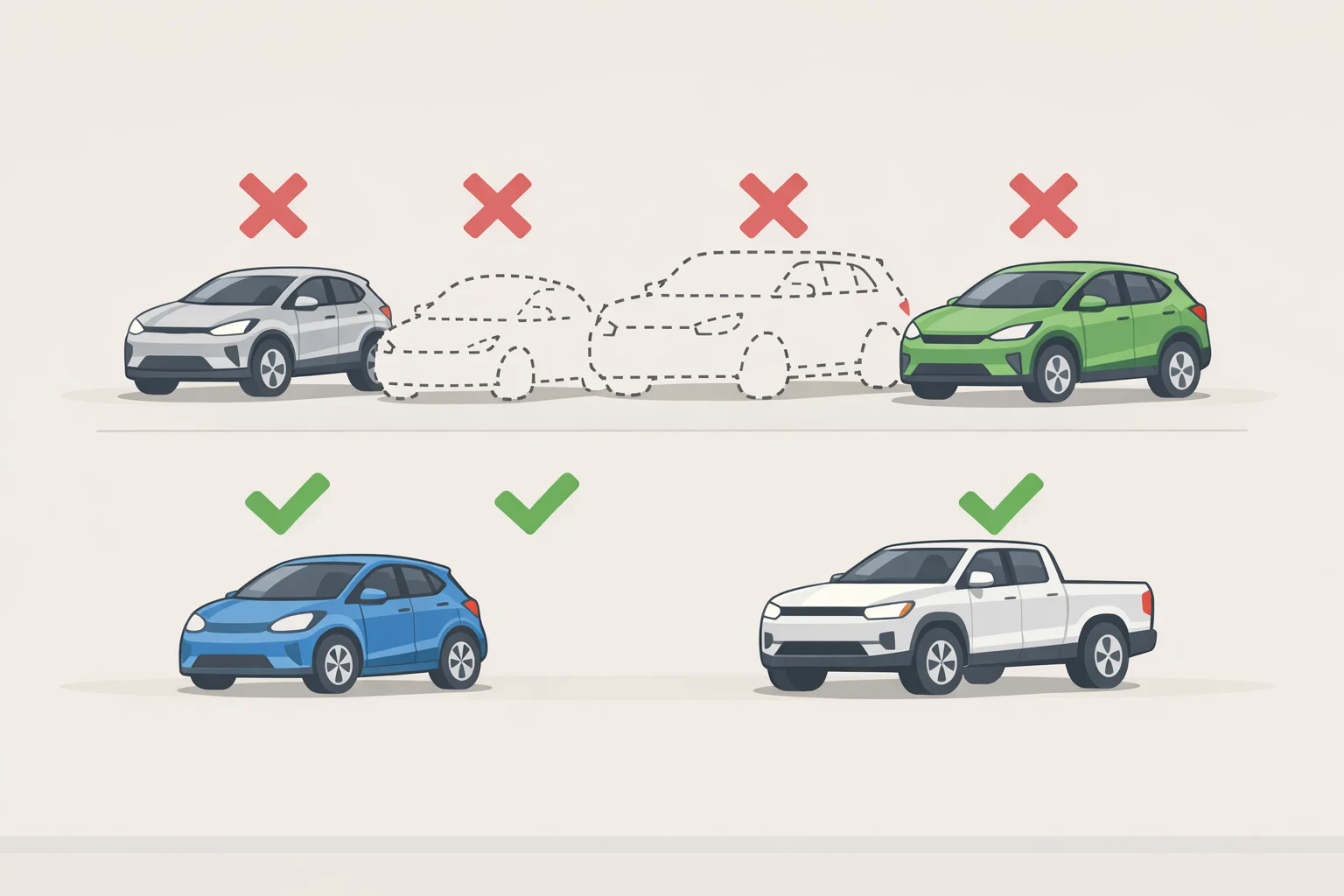
The Honda US EV lineup is currently the Prologue, and nothing beyond it that Honda has confirmed. The three models built to succeed it, all designed on Honda's own platform and slated for domestic production, were canceled in March before a single one reached a US dealership.
Honda's March statement framed those cancellations as a response to a shifting regulatory environment and its own acknowledged competitive shortcomings. The Prologue remains on sale, discounted, with a production forecast that is roughly half of what Honda originally planned and a platform partner whose own version of the same car was discontinued last fall.
Whether the Prologue itself follows the ZDX out of the lineup before year's end, as AutoForecast Solutions projected, or extends further as Honda sorts out its revised strategy remains uncertain. Honda says it stays. The trajectory of sales, production cuts, canceled successors, and a potential $15.7 billion restructuring charge, per Honda's own statement, all describe a company that has stepped back from the US EV market in a significant way. The Prologue is what remains of the plan that was supposed to carry Honda into that market on its own terms.