PSN Not Available in 122 Countries: The Digital-Only PS6 Problem
The PlayStation Store is blocked in 62% of countries worldwide, leaving buyers across roughly 122 nations unable to create PSN accounts, which makes physical discs the practical route to PlayStation games in those markets, Notebookcheck reported this week. In those markets, a disc isn't a format preference. It's the only option.
The timing matters. If PS6 pushes further toward digital-only distribution, that physical fallback disappears. Players in unsupported countries wouldn't lose a convenience; they'd lose the platform entirely. And as the situations in India and Europe both illustrate, the weaknesses in Sony's digital infrastructure run deep enough that even "supported" markets face serious friction.
Sony draws roughly 70% of its revenue from North America and Europe, per Notebookcheck. The commercial logic for leaving 122 countries underserved is plain. Whether it holds up in a generation where discs are no longer part of the equation is a different question.
PSN not available in 122 countries: who gets cut off first
Video of the Day
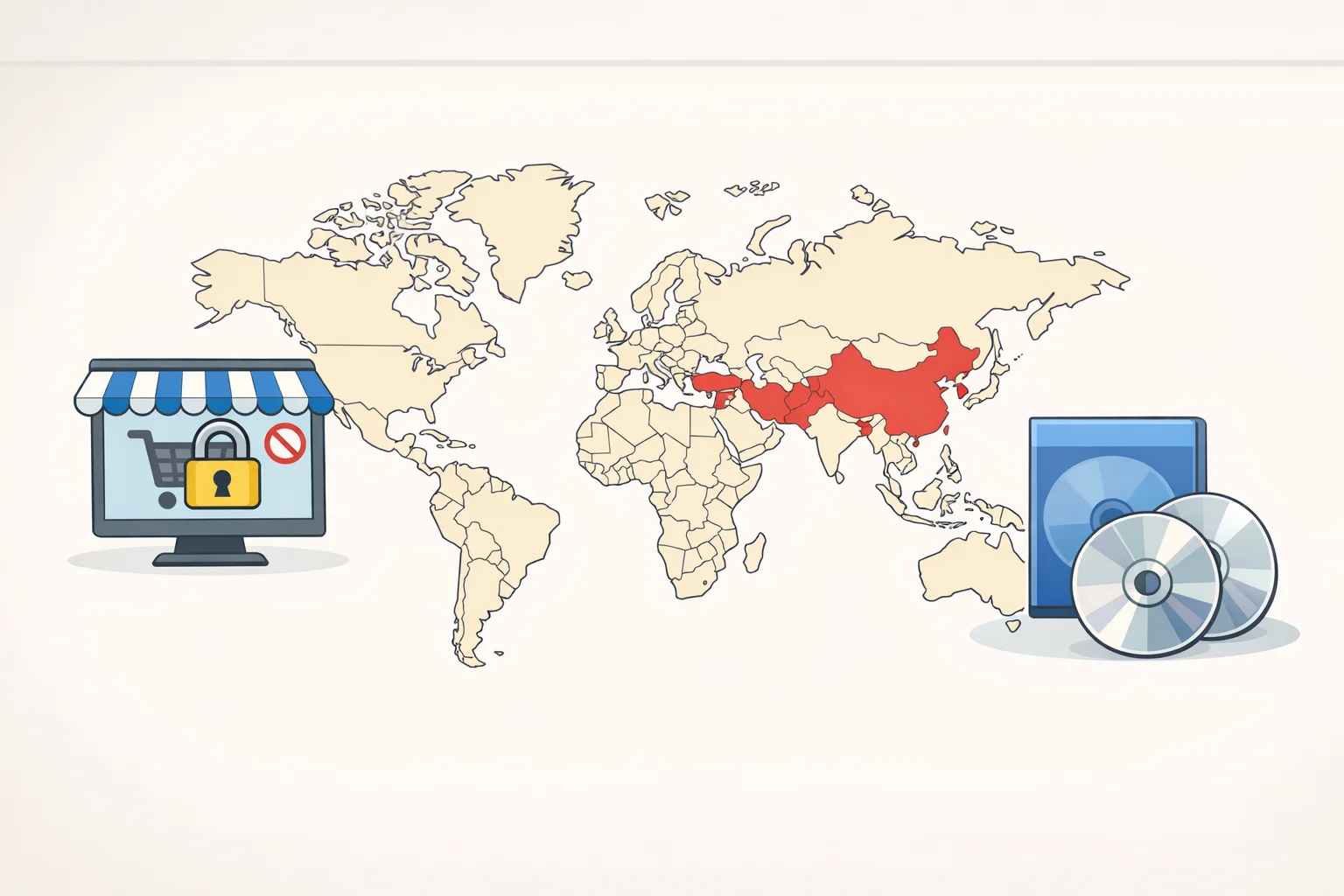
For players in PSN-blocked markets, the current situation is workable, barely. No account creation means no digital storefront, no online services, no PlayStation ecosystem. But a disc-based PS5 still gets you the game, and physical retail fills the gap that Sony's network doesn't reach, per Notebookcheck.
Remove discs and that workaround disappears. A player in Georgia, one of the 122 affected nations, who cannot create a PSN account would have no mechanism to buy or download games on a digital-only console. The hardware becomes inert.
PS5 Digital Edition owners in supported markets are already fully committed to Sony's storefront with no physical alternative available, according to KBL Roche. For the 122 unsupported countries, a more digital-first PS6 generation wouldn't replicate that condition so much as impose it, without even the infrastructure to back it up.
Access is one problem. Functioning commerce is another.
Video of the Day
India: inside the PSN footprint, but the payment rails are broken
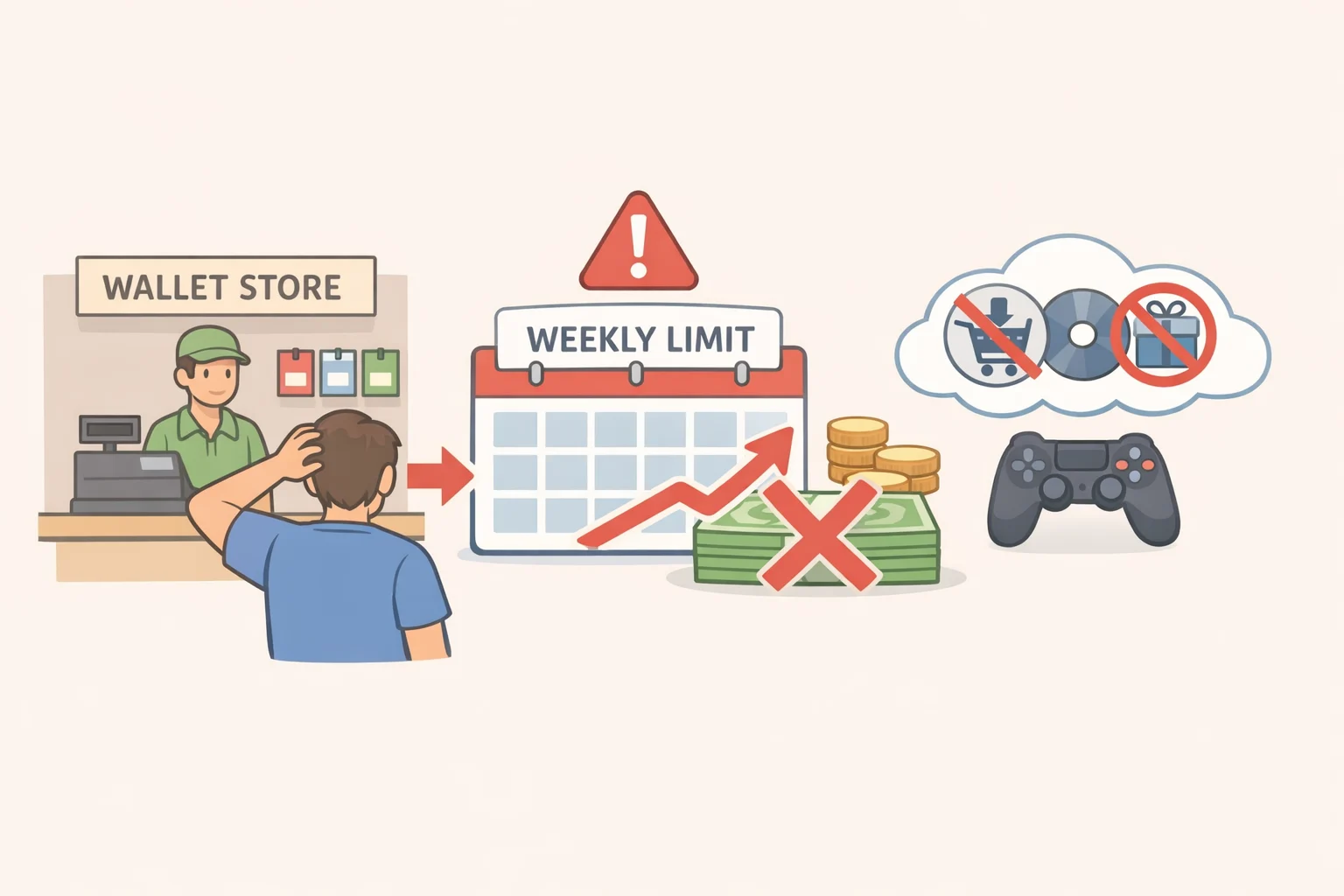
Being inside Sony's PSN footprint doesn't mean the digital infrastructure works. India is the clearest case, and the gap between Sony's ambitions there and its actual readiness is striking.
India got the PlayStation Store in 2010. Wallet top-up functionality, the basic mechanism players use to fund purchases, didn't arrive until 2018, a full eight years later, per 0451games. Sources familiar with Sony's plans told 0451games that UPI and other local payment integrations are technically feasible; the install base simply wasn't large enough to justify the investment. Thin payment options constrain adoption, and limited adoption becomes the reason to delay better payment options. The logic feeds itself.
The commerce constraints aren't historical. Major Indian retailers are currently capped at selling no more than INR 500,000 worth of PlayStation wallet top-ups per week, a ceiling reportedly introduced after high-value transactions were flagged for potential fraud, per 0451games. Some of those same stores process over INR 80 million per quarter in digital wallet top-ups across platforms, with PlayStation consistently ranking in the top three. The weekly cap is a real bottleneck, not a minor inconvenience.
The retail picture compounds it. Over half of all PS5 hardware and software in India moves through independent and specialist stores, per 0451games. Those retailers were reportedly not informed about Sony's disc-less direction, and their margins on digital wallet top-ups run at just 2-3%. Physical game sales are what make the economics work. Sony reportedly aims to move 300,000 to 350,000 PS5 units in India this year, according to sources familiar with its plans. Those are serious numbers for a market where the payment infrastructure is throttled and the retail network that shifts the hardware depends on physical software to survive.
Where Sony's system is fully built out, the complaint changes from access to price.
Europe's pricing problem: full access, one store, nowhere else to go
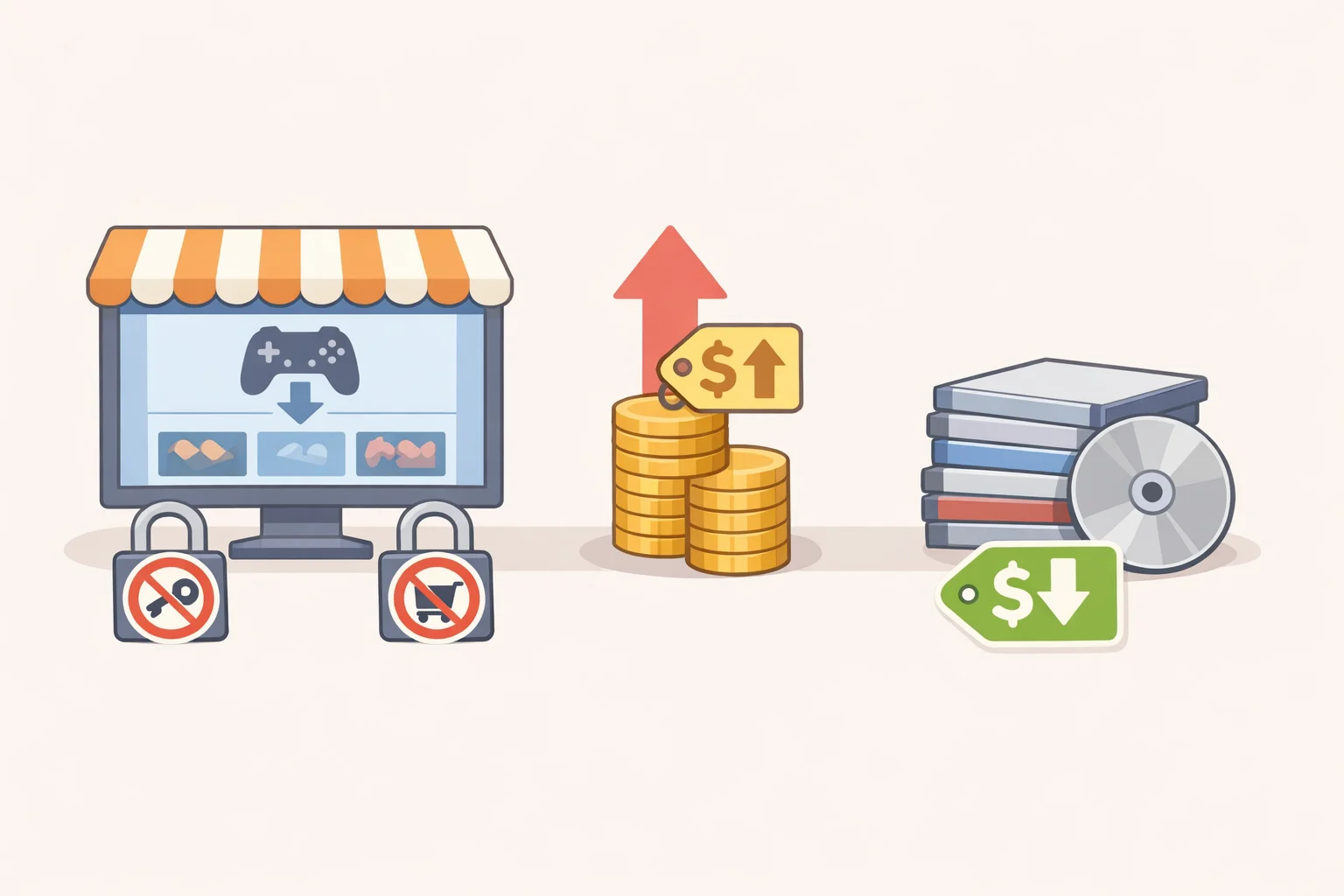
Since 2019, Sony has banned third-party retailers from selling digital PlayStation game codes, making the PlayStation Store the only legal channel for digital purchases and collecting a standard 30% commission on every transaction, according to KBL Roche. No competing storefront, no price comparison, no alternative for buyers who own digital-only hardware.
A more dominant PlayStation Store could produce less competition regardless of where a buyer lives, Notebookcheck noted. The European litigation makes that observation concrete. An independent economic analysis by BRG, cited in Dutch proceedings representing 1.7 million PlayStation users, found that digital PlayStation games cost an average of 47% more than physical copies of the same titles, per Milberg Amsterdam. Similar pricing patterns have been documented in Portugal and the UK, per Milberg Amsterdam. A UK collective action, which the Competition Appeal Tribunal allowed to proceed in 2024, estimates consumer losses from Sony's sole-distribution model at between £600 million and £5 billion, per vLex UK. These are active legal claims, not court findings, and none of the underlying facts about the distribution structure are disputed.
The Dutch case alleges Sony controls around 80% of the console market in the Netherlands and has abused that position by locking developers and resellers out of digital distribution entirely, per KBL Roche. A first hearing is expected later this year. If a more digital-first PS6 extends this structure into additional markets, the European situation is the preview: full access, one store, prices to match.
What Sony's digital gap looks like without discs to bridge it
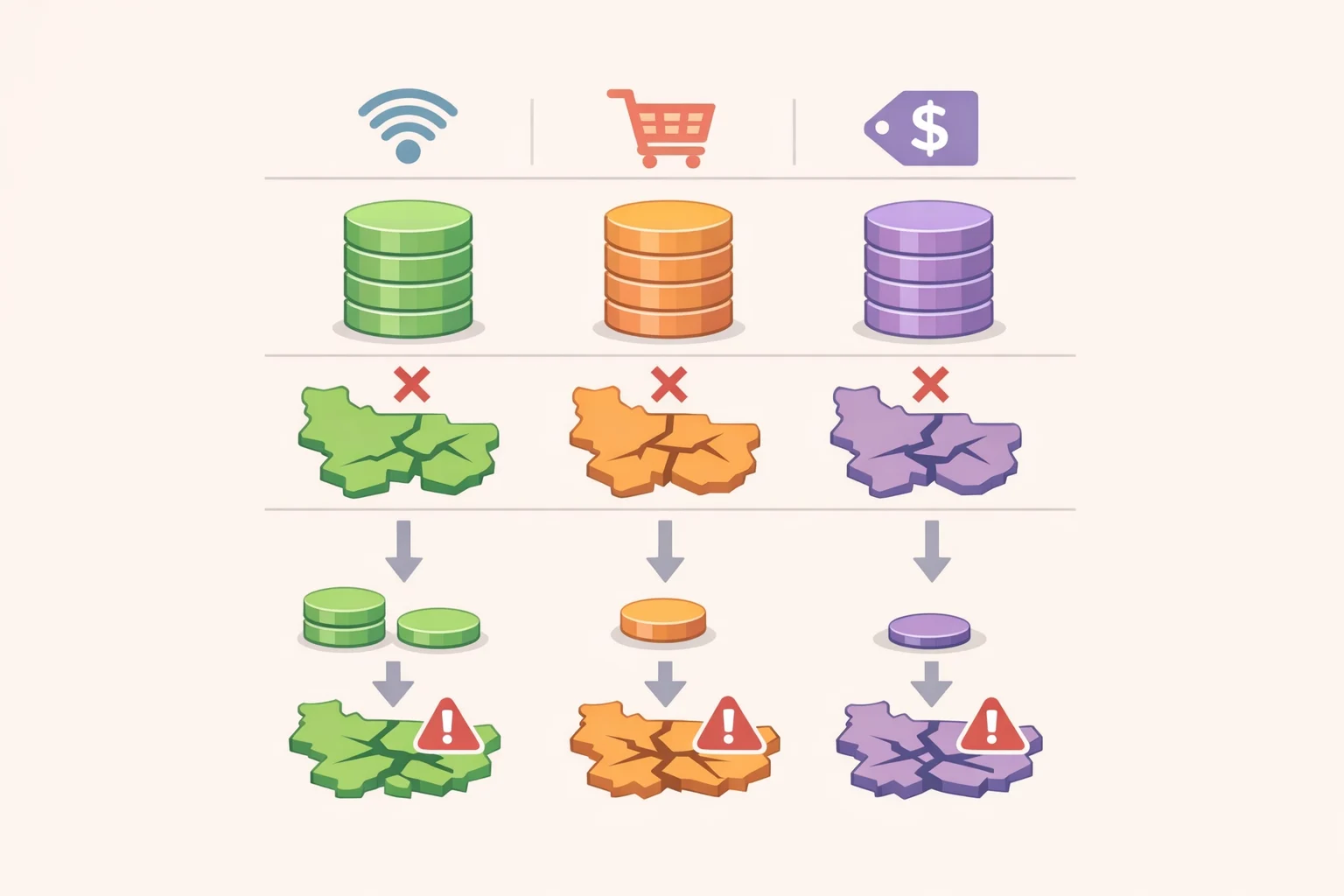
The three conditions above aren't isolated complaints. They describe a single infrastructure problem at different stages of severity.
In 122 countries, PSN doesn't exist, and physical media is currently the only access route. In growth markets like India, PSN exists but the commerce layer is constrained by spending caps, missing payment integrations, and a retail network whose economics require physical software sales to function. In mature markets like the Netherlands and the UK, the digital system is complete but closed, with prices alleged to run an average of 47% above physical equivalents.
A more digital-first PS6 doesn't create these problems. It removes the physical release valve that currently keeps them from becoming crises. For Sony, that means selling hardware into markets where the supporting infrastructure isn't ready. For retailers in those markets, it means a business model that no longer works. For regulators already scrutinizing Sony's distribution practices in Europe, it gives the antitrust arguments more weight, not less. And for players in the 122 unsupported countries, it means the question stops being "how do I work around this?" and starts being "can I play at all?"
Sony's digital ambitions and its actual global infrastructure are currently misaligned. Physical media is what makes that gap manageable. The moment discs are no longer part of the equation, the gap becomes the story.