Twitch parental controls for teens: new Family Center explained
Twitch has launched its first parental controls since its 2011 launch, and the most significant change is concrete: parents can now block a teen from broadcasting a livestream. That capability did not exist before this week. The Twitch parental controls for teens work through a Family Center dashboard, are entirely optional, and only apply to accounts that a parent has linked. A 13-year-old with an unlinked account can still go live by default.
The controls cover users aged 13 to 17. Through Account Settings, guardians link their account to their teen's, unlocking toggles for broadcasting, messaging, time limits, and content recommendations, plus a weekly email summarizing which channels the teen watched and for how long, according to The Verge. The key limitation sits right at the top: these are tools families have to choose to use. Twitch's defaults for teen accounts don't change unless a parent links up and configures them.
Twitch has allowed users as young as 13 to go live since its launch, a lower threshold than TikTok, which explicitly bars users under 18 from hosting livestreams, as documented in a December 2024 trust and safety analysis. The new controls don't change that platform policy. They give parents the means to change it for their own child's account.
What Twitch's new parental controls actually let you do
Video of the Day
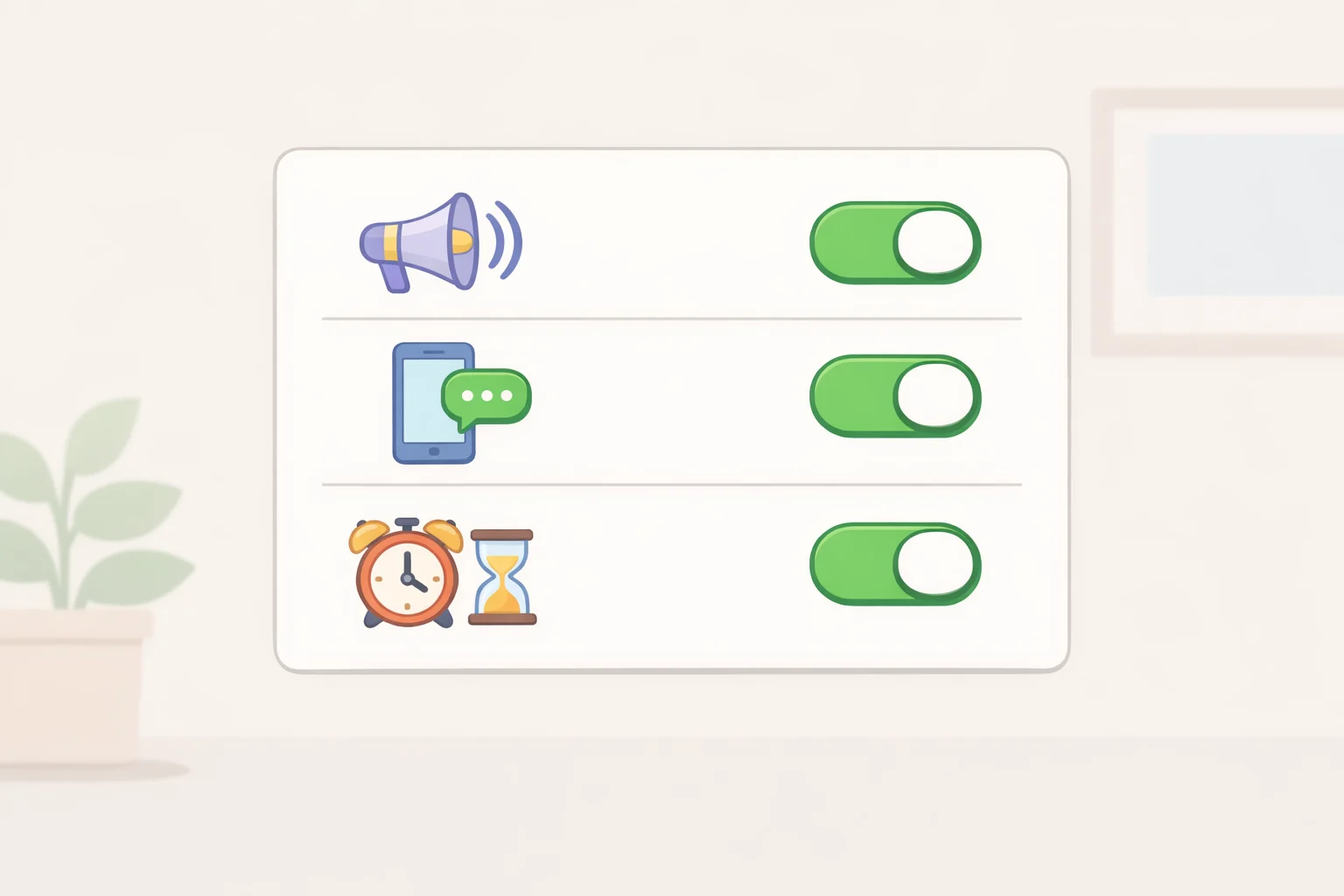
From the Family Center dashboard, parents can block a teen from broadcasting entirely, disable Whispers (Twitch's private messaging feature), block their teen from sending or receiving direct messages, and set daily time limits that apply across all of the teen's devices. Content carrying certain classification labels, including Gambling, Mature-Rated Games, and Sexual Themes, can also be filtered from search results and recommended feeds, per The Verge and MediaPost.
The weekly activity email works differently from the other controls. It lets parents see which channels a teen watched and how many hours they spent, without blocking anything. It's visibility without management, and it belongs to a distinct category. A January 2025 comparative study examining parental controls across major social platforms identified this kind of "Transparency" setting as an emerging type, separate from the account-limiting controls that make up most parental dashboards, notable precisely because it gives parents information rather than authority.
These new options sit on top of protections Twitch already applied to teen accounts before this launch. Content classification labels and baseline safety settings were already active by default, MediaPost noted. The Family Center extends what parents can govern on top of that existing floor.
The system works through linked parent and teen accounts, and participation is optional on both sides. Twitch says it is contemplating additional controls but has not specified what they will cover or when they will arrive, according to The Verge. At 18, the teen's account unlinks automatically.
Video of the Day
How parents can stop Twitch streaming, and why that toggle matters most
Not all the new controls carry equal weight. The ability to block a teen from going live is the one that changes the most, and the reason comes down to what livestreaming actually is.
Ofcom identified livestreaming as high-risk functionality for children in its illegal harms register, citing its real-time nature specifically: no editing window, no delay, and limited opportunity to intervene before content or interactions occur, per Ofcom's guidance on children who create and view livestreams. That's a different risk category from watching recorded video. A pre-recorded clip can be reviewed, flagged, taken down. A live broadcast is already happening.
The gap between Twitch and TikTok on this point is worth stating plainly. TikTok bars users under 18 from hosting livestreams at all. Twitch allows it from age 13. That difference in default policy is documented in the December 2024 trust and safety analysis, and it reflects a platform-level choice about where to set the default. Twitch's new parental controls don't change that platform default; they give individual families the option to apply a stricter standard to their own child's account.
Twitch has previously used predictive modelling to flag accounts it suspects belong to users under 13, and required some of those accounts to complete mandatory phone verification before being permitted to stream, the same analysis found. That approach is reactive: the platform acts after detecting a signal. The new Family Center controls are proactive, letting parents restrict livestream access before a stream ever starts.
The design choice is worth being clear about. Twitch built this as an opt-in system rather than changing its defaults for teen accounts. Families who link accounts and configure the settings gain real controls. Families who don't link accounts see no change at all.
What these controls don't resolve
Several questions aren't answered by what's been reported.
How time limits are technically enforced across multiple devices isn't specified in the available reporting. Whether a teen can circumvent controls by creating a second, unlinked account is similarly unaddressed. And Twitch's defaults for teen accounts that are never connected to a parent remain exactly as they were before this launch: a 13-year-old with a standalone account can still go live, message other users, and access content within whatever Twitch's existing classifications allow.
The broader context: research comparing parental controls across major social platforms concluded they are collectively "a concept in disarray," with no consistent standard across the industry for what parents can and cannot govern, per the January 2025 comparative study. Twitch's new system enters an inconsistent field rather than establishing a common baseline.
On the regulatory side, Ofcom wrote to major technology platforms in March 2026 requiring them to enforce minimum age policies using what it called "highly effective age assurance," with action plans due by April 30 of that year. The EU Commission announced in April 2026 that its own age verification tool was technically ready and would soon be available, declaring that platforms had "no more excuses," according to Lewis Silkin. Age assurance means verifying a user's age before they're granted an account, not managing what they do after the fact. That's a distinct problem from what the Family Center addresses, and Twitch has made no public statement connecting this launch to either regulatory deadline.
Twitch acknowledged these new tools are optional "at this time" and said it plans to explore additional controls, without specifying what they will cover, The Verge reported.
What this means for families
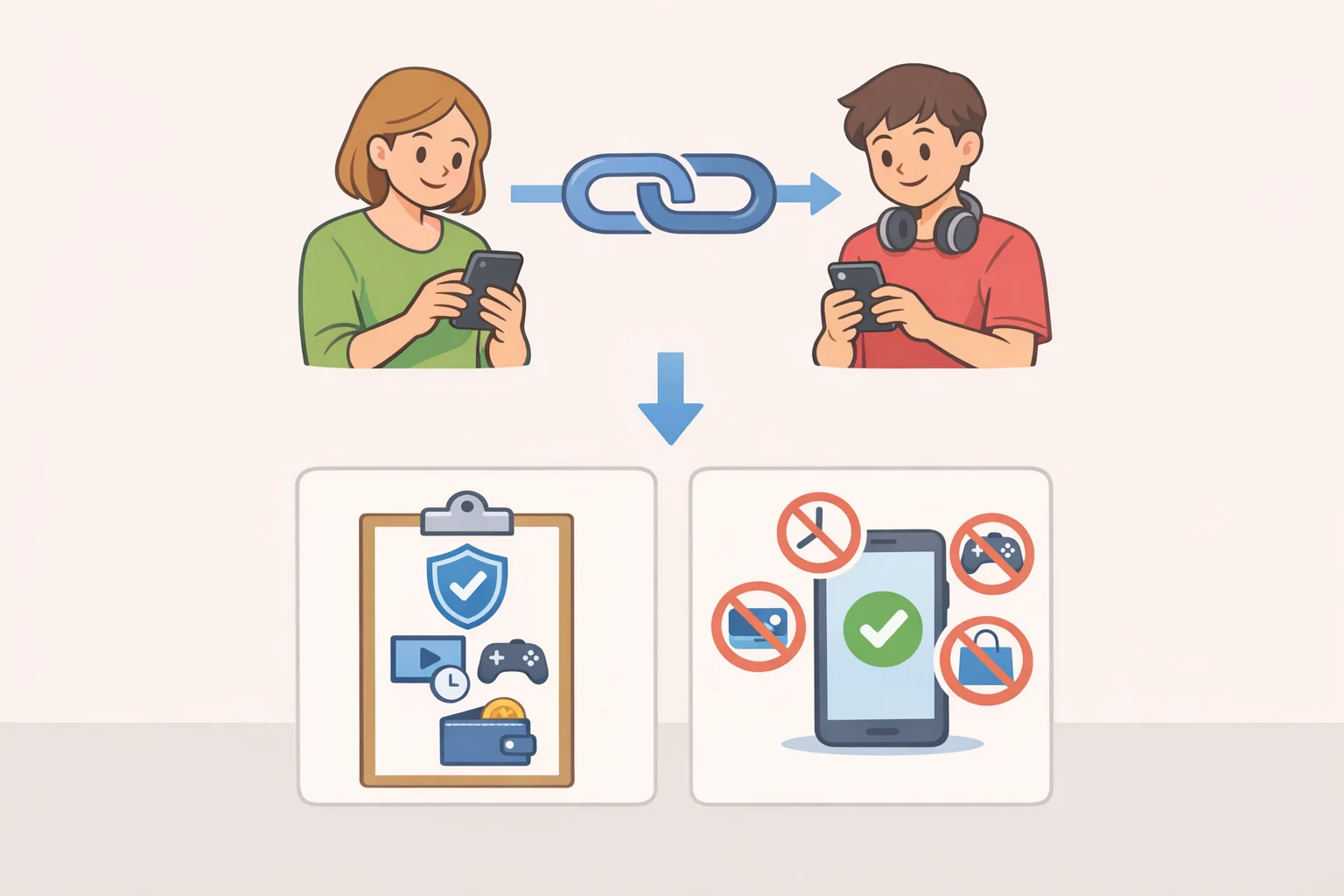
For families who use the new tools, the improvement is real. Blocking a teen from going live on Twitch wasn't possible before this week. Add time limits, messaging controls, and content filtering, and parents now have a meaningful set of options they didn't have before, as both The Verge and MediaPost confirmed.
The constraint is structural. The system is opt-in, requires account linking, and leaves Twitch's defaults for unlinked teen accounts unchanged. Its practical impact will depend entirely on how many families actually link accounts and configure the settings. A feature that exists on paper but goes unused by most of the parents it's aimed at doesn't move the needle on platform safety.
Regulatory pressure to verify young users' ages before granting them accounts, rather than managing those accounts afterward, is building across both the UK and the EU, per Ofcom's children and livestreaming guidance and the Lewis Silkin analysis. Twitch has answered the question of what parents can control once a teen account exists. The harder question is how Twitch verifies age before that account is granted in the first place. Watch for whether the platform tightens defaults for teen accounts, announces stronger age verification at signup, or responds publicly to Ofcom's requirements. The Family Center is a start; whether it's the foundation of something more substantive is not yet clear.