RingConn Gen 3 Smart Ring: What the Haptic Motor Can and Cannot Do Yet
The RingConn Gen 3 smart ring shipped May 29 as the first smart ring to include a built-in haptic vibration motor, a hardware feature absent from both the Oura Ring 4 and Samsung Galaxy Ring, according to AllThingsGeek. The catch is immediate: the haptic use case most buyers picture a silent alarm triggered during a light sleep phase isn't functional yet. For buyers deciding whether to purchase now or wait, that gap matters.
Where Gen 3 already delivers without qualification is battery life, offline data storage, and full app access without a subscription fee. The vibration motor is real hardware. It's just operating well below its eventual capability.
What the vibration alerts actually do right now
Video of the Day
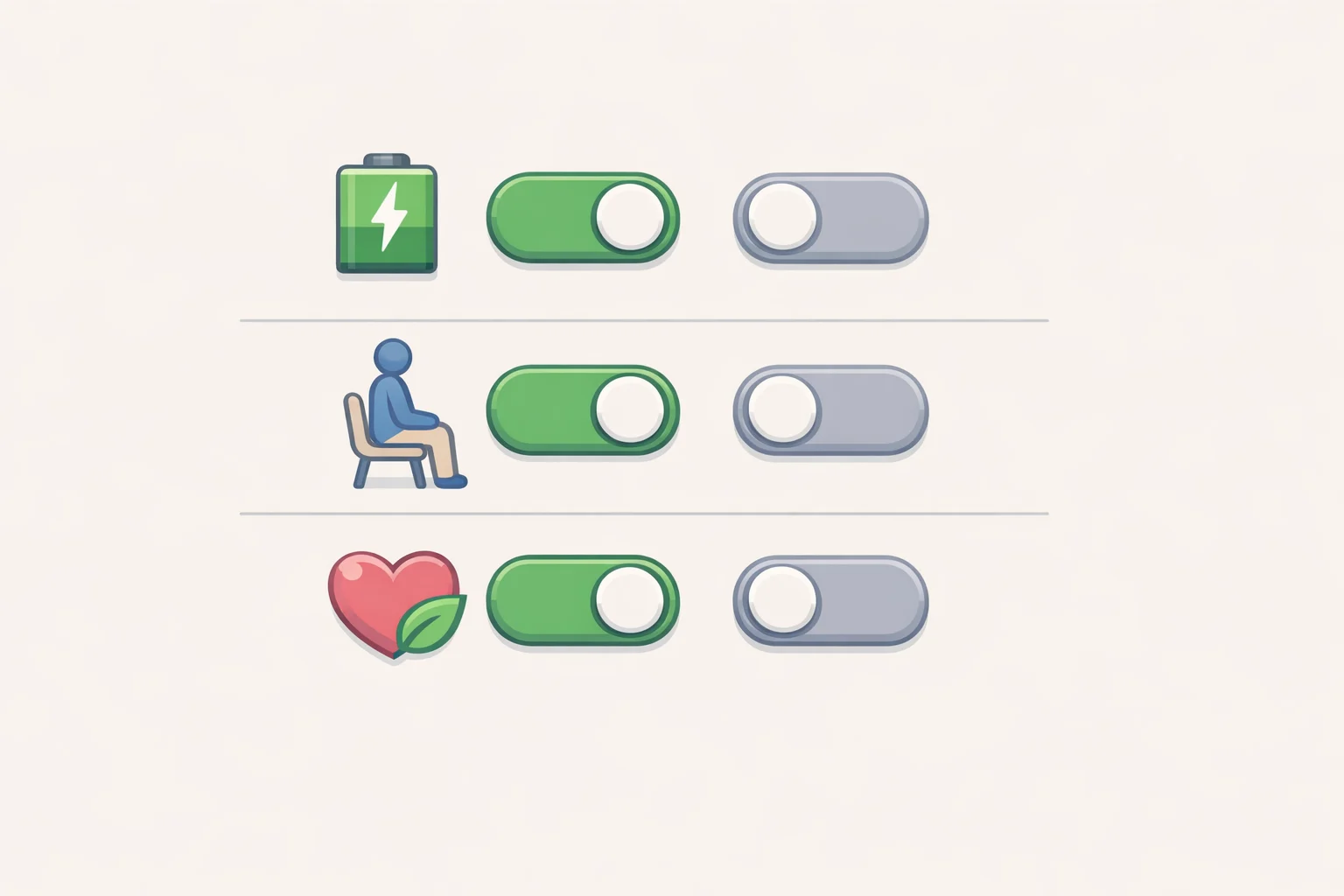
Three alert types currently support haptic feedback: battery reminders, sedentary reminders, and wellness notifications. Users can toggle each on or off through the app, Gadgets & Wearables found in hands-on testing. That's genuinely useful when a phone is across the room or a meeting is underway. It's also a narrower trigger set than pre-launch coverage implied.
Before launch, AllThingsGeek described a sleep-based smart alarm as an active feature. Post-launch hands-on testing by Gadgets & Wearables found it missing. Where those accounts conflict, the post-launch review carries more weight. Wake-up alarms and custom timed vibration reminders are not currently supported.
RingConn has indicated those features are planned via over-the-air updates in Q3 to Q4 2026, per Gadgets & Wearables. Until they arrive and independent testers confirm they work, the haptic motor handles nudges well enough it just can't anchor a morning routine yet.
For buyers whose interest in the ring starts and ends with a silent alarm, waiting for the software update is the cleaner path. For everyone else, the hardware is ready.
Video of the Day
RingConn Gen 3 battery life, offline storage, and no-subscription value
This is where the Gen 3's case is clearest.
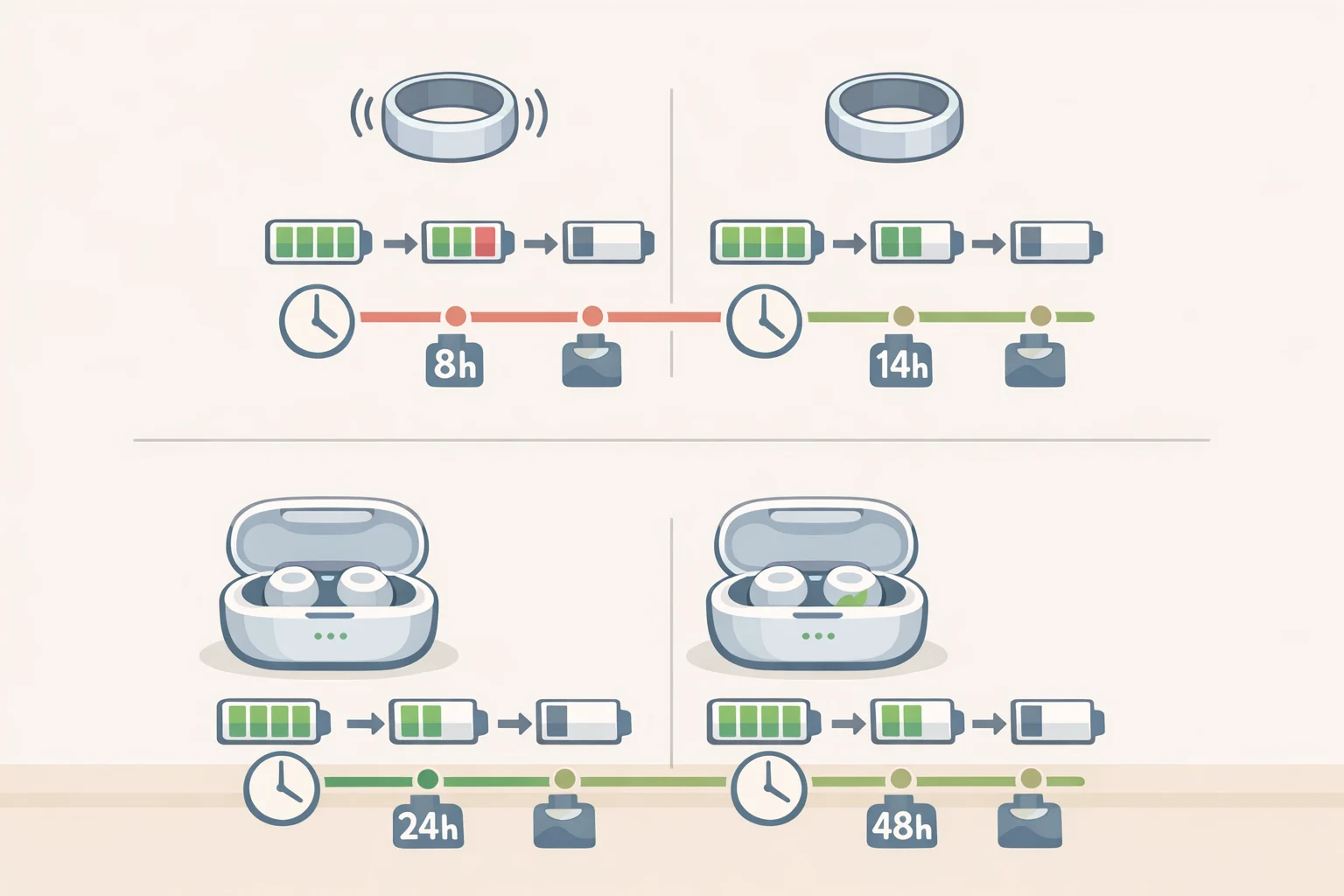
Battery life is rated at up to 14 days with vibration switched off, dropping to roughly 10.5 to 13 days with it active, according to Gadgets & Wearables. The wireless charging case extends total runtime to around 150 days between case recharges, per AllThingsGeek. Two weeks on the ring, then months before the case needs a wall outlet.
Offline data storage also improved, from 7 days on the Gen 2 to 10 days on the Gen 3, Gadgets & Wearables confirmed. For travelers or anyone who doesn't carry their phone constantly, the ring keeps logging health data without interruption.
No subscription is required to access any health feature or insight in the app. Both Gadgets & Wearables and AllThingsGeek flag this as a genuine differentiator. Full access from day one, no monthly fee, no features gated behind a paywall after purchase.
On the hardware side: the ring is 2.3mm thick and weighs between 2.5 and 3.5 grams depending on size, fractionally bulkier than the Gen 2's 2.0mm profile, per Gadgets & Wearables. It carries an IP68/ATM10 rating, so showers and swimming aren't a concern. Sizing spans 10 options from size 6 to 15, and RingConn includes a free sizing kit, AllThingsGeek noted.
How Gen 3 performs on passive health tracking
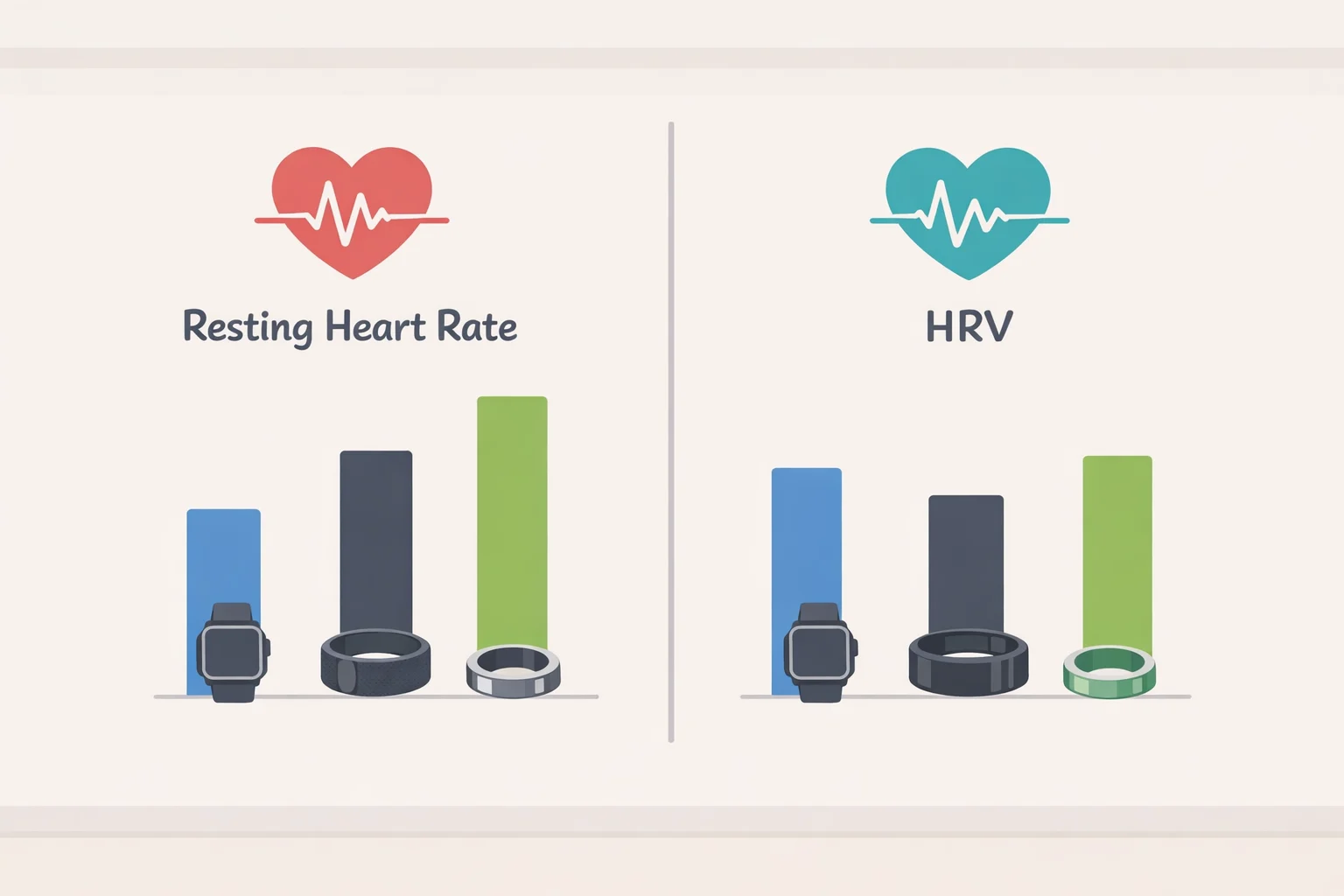
The numbers from 14 nights of comparison testing are the strongest part of the Gen 3's story. Resting heart rate averaged 48 bpm, one beat from Garmin's 47 bpm and closer than Whoop's 51 bpm. HRV averaged 36 ms, sitting between Whoop at 33 ms and Garmin at 38 ms. Sleep duration correlated at 94% with Whoop and 91% with Garmin. Step counts came within 3 to 4% of manual counts and reference devices, Gadgets & Wearables reported. For a ring worn overnight, those figures hold up well enough to track meaningful trends over time.
Workout accuracy is less consistent. On one run, Gen 3 averaged 136 bpm against Garmin's 135 essentially the same. On another, it read 141 bpm where Garmin showed 134, with peak readings diverging by 11 bpm, Gadgets & Wearables found. That kind of inconsistency is common in optical ring sensors. Gen 3 is a passive tracking device; it's not a substitute for a fitness watch if consistent real-time heart rate during exercise matters.
The Gen 3 also introduces Vascular Health Insights, sampling cardiovascular-related signals roughly every 15 to 20 minutes during day and night use, Gadgets & Wearables found. RingConn is explicit in its own launch materials that this is a trend-awareness feature, not a blood pressure measurement or medical diagnostic tool, per PR Newswire. A long-term signal, not a clinical reading.
RingConn Gen 3 vs Gen 2: what changed and who should buy which
Hands-on testing found Gen 3 best suited to buyers who want thorough passive health tracking sleep, recovery, HRV, resting heart rate with up to two weeks of battery life and no subscription fee, Gadgets & Wearables concluded. That profile fits the ring as it exists today.
Those primarily interested in the haptic side should calibrate expectations. The motor works, and the current alert set sedentary reminders, battery warnings, wellness nudges keeps users connected to the ring without reaching for a phone. But buyers whose main interest is a silent morning alarm are looking at a feature that was described as active before launch, contradicted by post-launch hands-on testing, and is now slated for a software update later this year. That's a feature worth tracking, not paying for yet.
For buyers who prioritize a trimmer, lighter profile above all else, Gen 2 remains the thinner option. RingConn's own materials acknowledge that Gen 2 still has a case for users who care most about minimal physical presence, per the RingConn blog. Gen 3 wins on overall capability; Gen 2 wins on feel.
What to watch for next
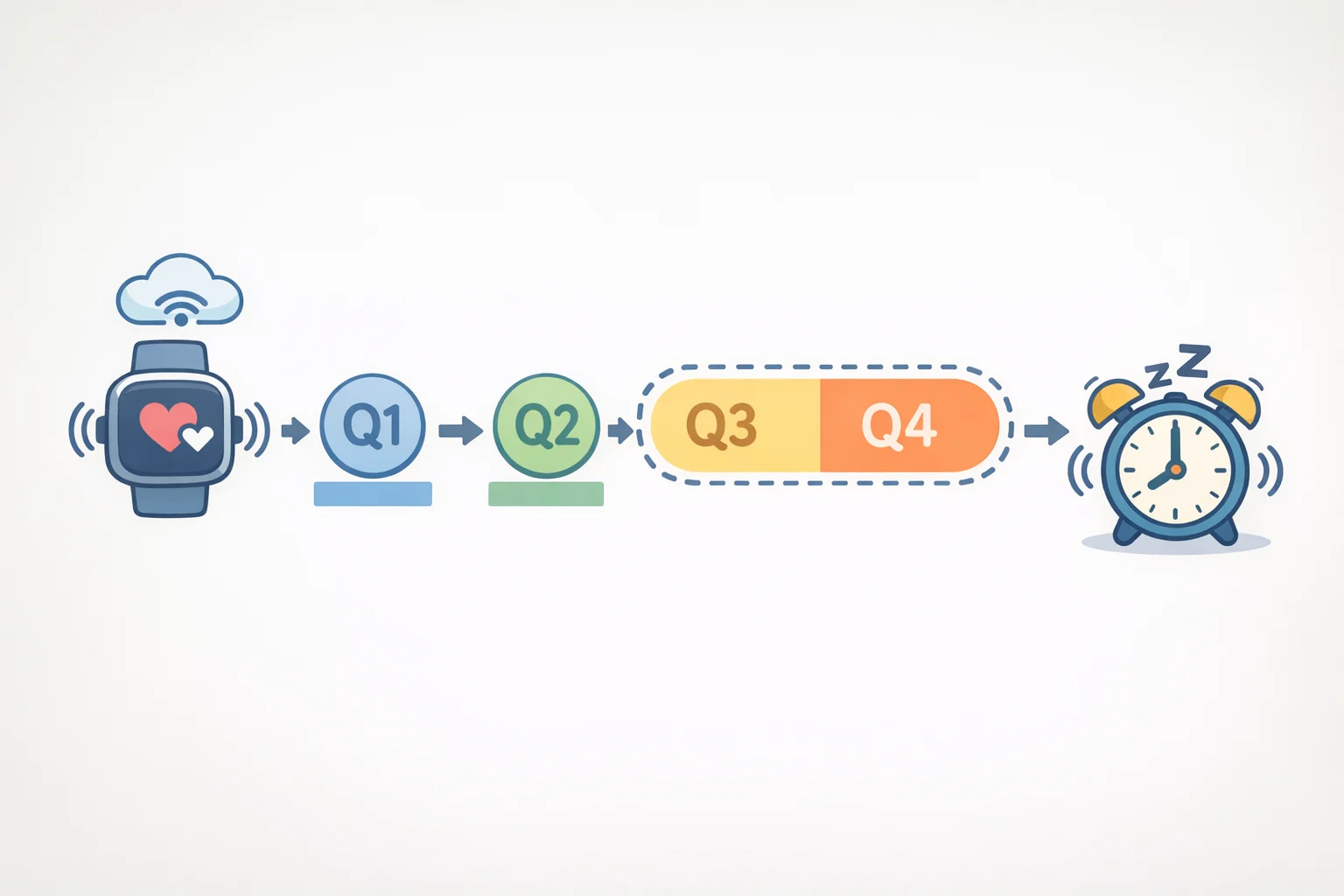
The OTA update window RingConn has committed to for Q3 to Q4 2026 is the test that determines how much of the haptics pitch holds up. If silent alarms and custom timed reminders ship and survive independent testing, the vibration motor becomes a complete product advantage rather than a partial one. That's not a small if the feature was described as functional before launch, then found missing post-launch. Confirmation from hands-on reviewers after the update ships will matter.
Until then, the case for Gen 3 rests on exactly what the testing showed: up to 14 days of battery, passive tracking that aligns closely with Garmin and Whoop on sleep and recovery metrics, and full app access without a monthly fee, per Gadgets & Wearables. The hardware is ahead of the software. When and if the software catches up, the picture changes considerably.