Next Xbox Backward Compatibility: Publisher Deals Explained
A leaked internal memo obtained by The Verge lays out Microsoft's next Xbox backward compatibility ambitions for the console codenamed Project Helix, describing a machine that could run games from every generation the company has ever released: the original 2001 Xbox, the 2005 Xbox 360, the 2013 Xbox One, and the 2020 Xbox Series, alongside PC titles and new Helix releases (The Verge, yesterday). Five generations of games under one roof, in other words, is the pitch.
If that Project Helix backward compatibility plan holds up, the console could end up with the largest game library ever assembled for a home system, according to Digital Trends, which cites the same document. But the memo doesn't describe one feature. It describes two separate arrangements with publishers: a program that converts Xbox One and Series discs into portable digital licenses, and a stricter, title-by-title approval process for original Xbox and 360 games (The Verge, yesterday).
Next Xbox backward compatibility has different rules for discs and older games
Video of the Day
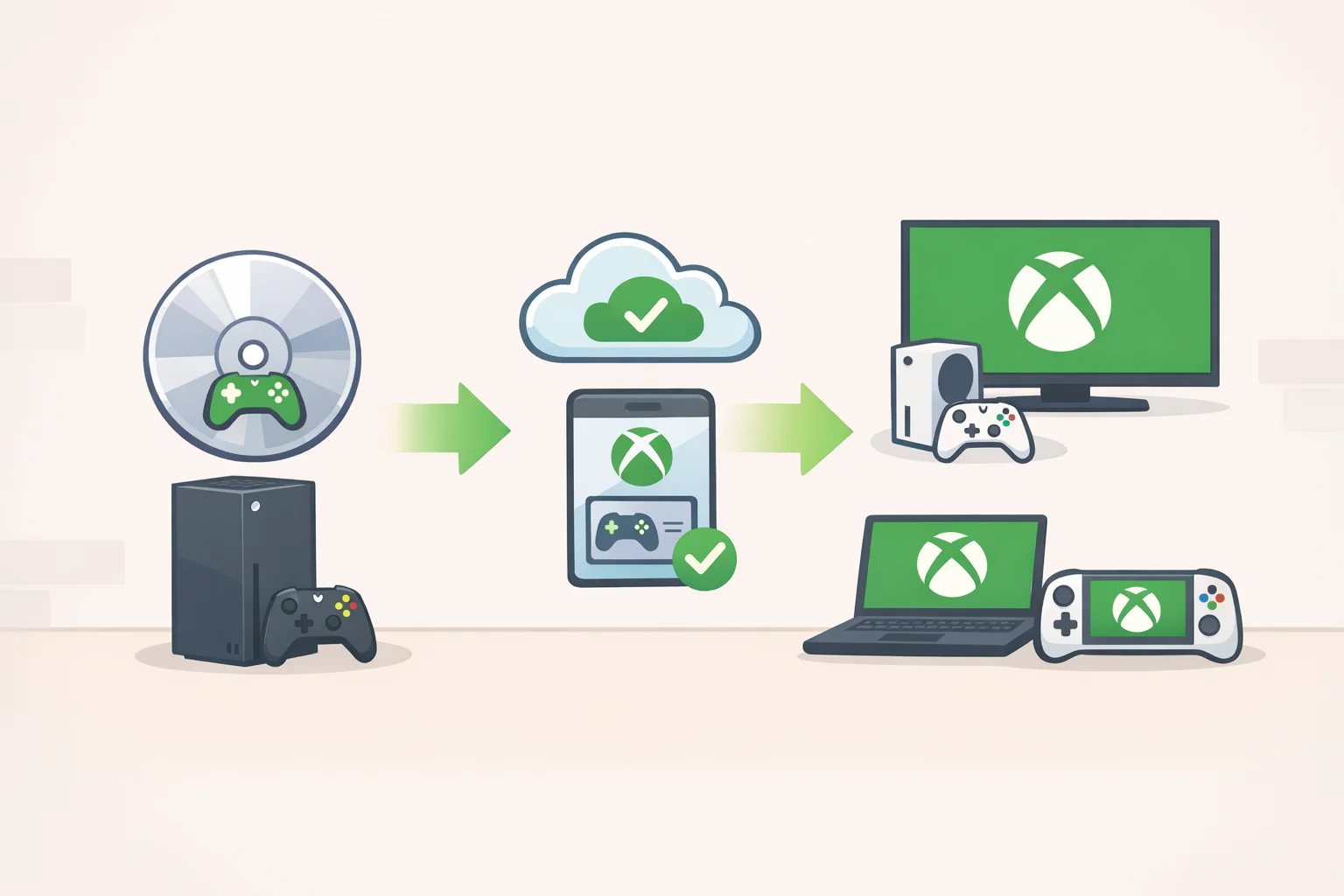
For Xbox One and Series discs, the memo reportedly outlines a Disc-to-Digital program that converts physical discs into licenses usable on "any Xbox device," Helix included (The Verge, yesterday). Microsoft's pitch to publishers here is blunt: the program exists to "turn physical disc owners into digital customers," according to the memo (The Verge, yesterday).
Source reporting conflicts on how much publisher involvement that requires. The Verge's copy of the memo reportedly states "Publisher action: none required" for this specific program, though the same document notes elsewhere that Microsoft's new preservation programs generally require publishers to opt in (The Verge, yesterday). HotHardware, citing the same leak, reports that publishers will need to opt in to both the backward-compatibility and Disc-to-Digital programs (HotHardware, yesterday). Those two accounts don't line up, and nothing in the reporting so far settles which is accurate.
A separate leaked roadmap points to general availability for Disc-to-Digital later this month (Digital Trends, yesterday; HotHardware, yesterday). Even so, none of that guarantees a disc will actually play on Helix. Microsoft reportedly still hasn't decided whether the console will include an optical drive, and the Disc-to-Digital program is described as a way to turn eligible discs into digital entitlements rather than a plan for disc playback itself (Digital Trends, yesterday; Gizmodo, yesterday). That limitation is also narrow in scope: the reported program covers Xbox One and Series discs specifically, not original Xbox or 360 discs, which fall under the separate, tougher approval process below.
Video of the Day
Original Xbox and 360 games need publisher approval, one title at a time
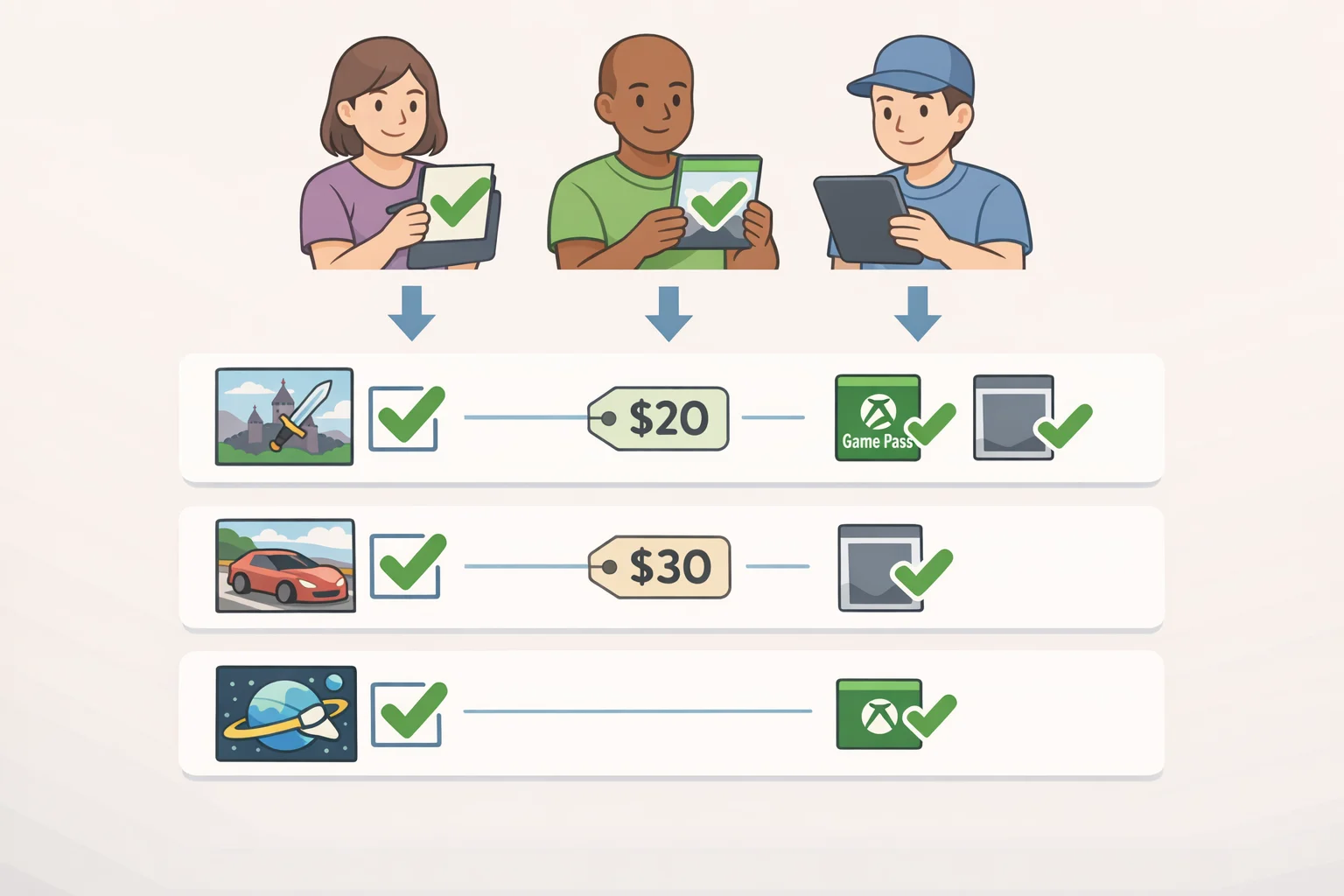
For original Xbox and 360 games, the memo is reportedly more demanding. Publishers must approve each title individually, set its price, and decide whether it lands in Game Pass or gets sold standalone (The Verge, yesterday; The Verge, earlier this week).
The document frames this less as preservation and more as a resale opportunity. A section titled "Why publishers win" centers on the chance to sell decades-old titles again, and promises publishers will keep "full control over rights, pricing, and brand" (The Verge, yesterday).
History suggests that control has been a real bottleneck before. Between 2015 and 2021, Microsoft only got about a quarter of the Xbox 360 library and roughly 6% of the original Xbox library running on newer hardware, according to The Verge. If Xbox backward compatibility across all generations now depends on publishers repeating that same approval process for Helix, there's no clear reason the pace would be faster this time.
Approval isn't permanent, either. Multiple Forza Horizon games, including a backward-compatible version of the original title, were delisted after licensed vehicle and music rights expired (The Verge, yesterday). The episode illustrates how licensing can still limit availability even after a game clears publisher sign-off and reaches a newer platform.
Xbox 360 games on next Xbox: PC, handhelds, and a timeline still taking shape
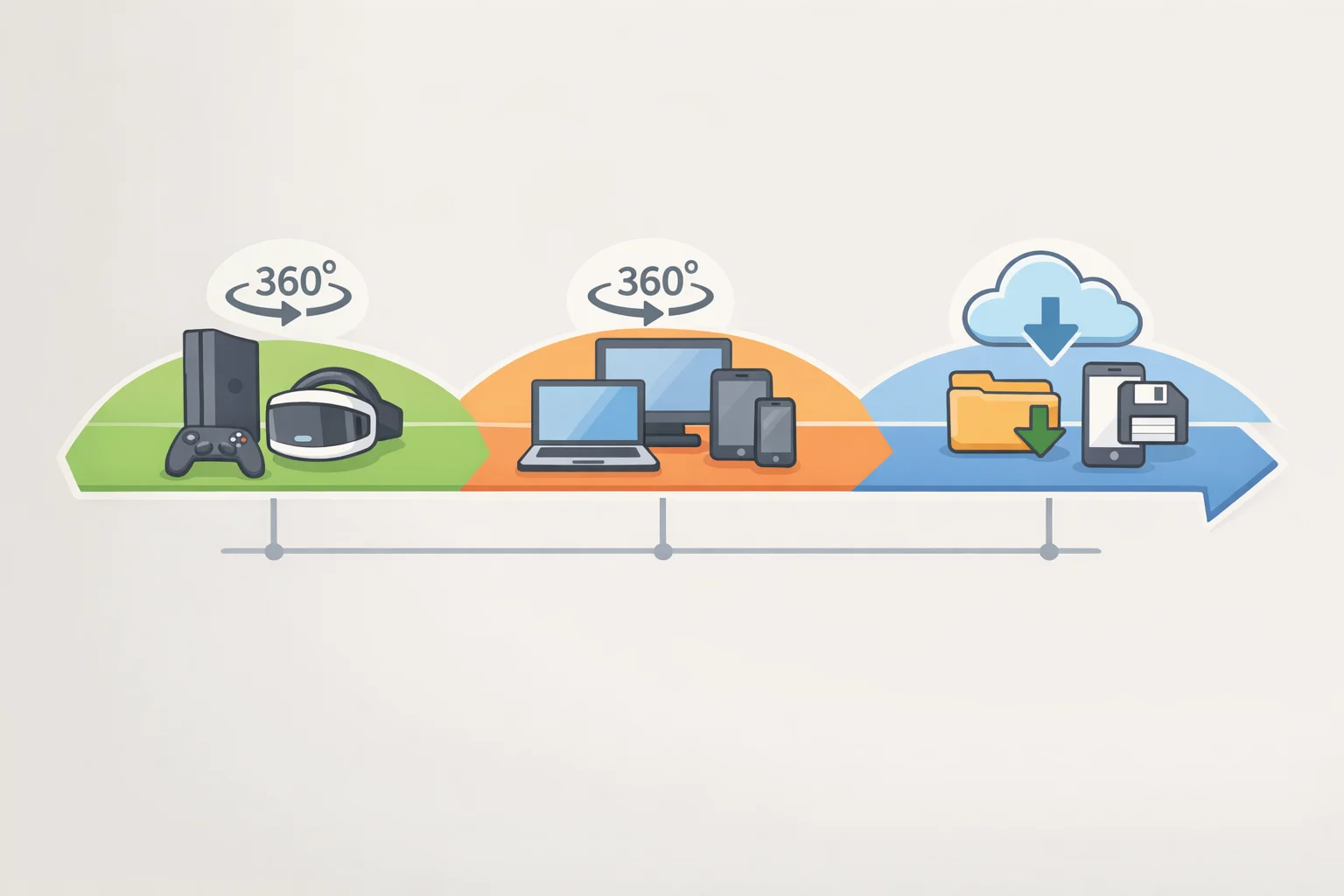
The plan extends well beyond Helix hardware itself. Xbox 360 games are reportedly set to run on "Xbox PCs" and handheld devices too, building on an existing Xbox-to-PC emulator that already supports 360 titles (The Verge, earlier this week; HotHardware, yesterday). Microsoft could have kept these backward-compatible titles exclusive to its next-gen console; instead, the leaked plan has them reaching every Windows PC (Gizmodo, yesterday).
None of it has shipped yet. Original Xbox games on PC are reportedly set for a "full launch" in October 2026, following a program announced last month that included four games (The Verge, earlier this week; Digital Trends, yesterday). Xbox 360 games on next Xbox devices, meanwhile, are expected to roll out gradually between 2027 and 2028 (The Verge, earlier this week; Digital Trends, yesterday).
Cloud saves for 360 games are reportedly planned to arrive as part of that 2027 rollout, one of the few concrete player-facing additions named in the leak (The Verge, yesterday).
What this means for next-gen Xbox old game support
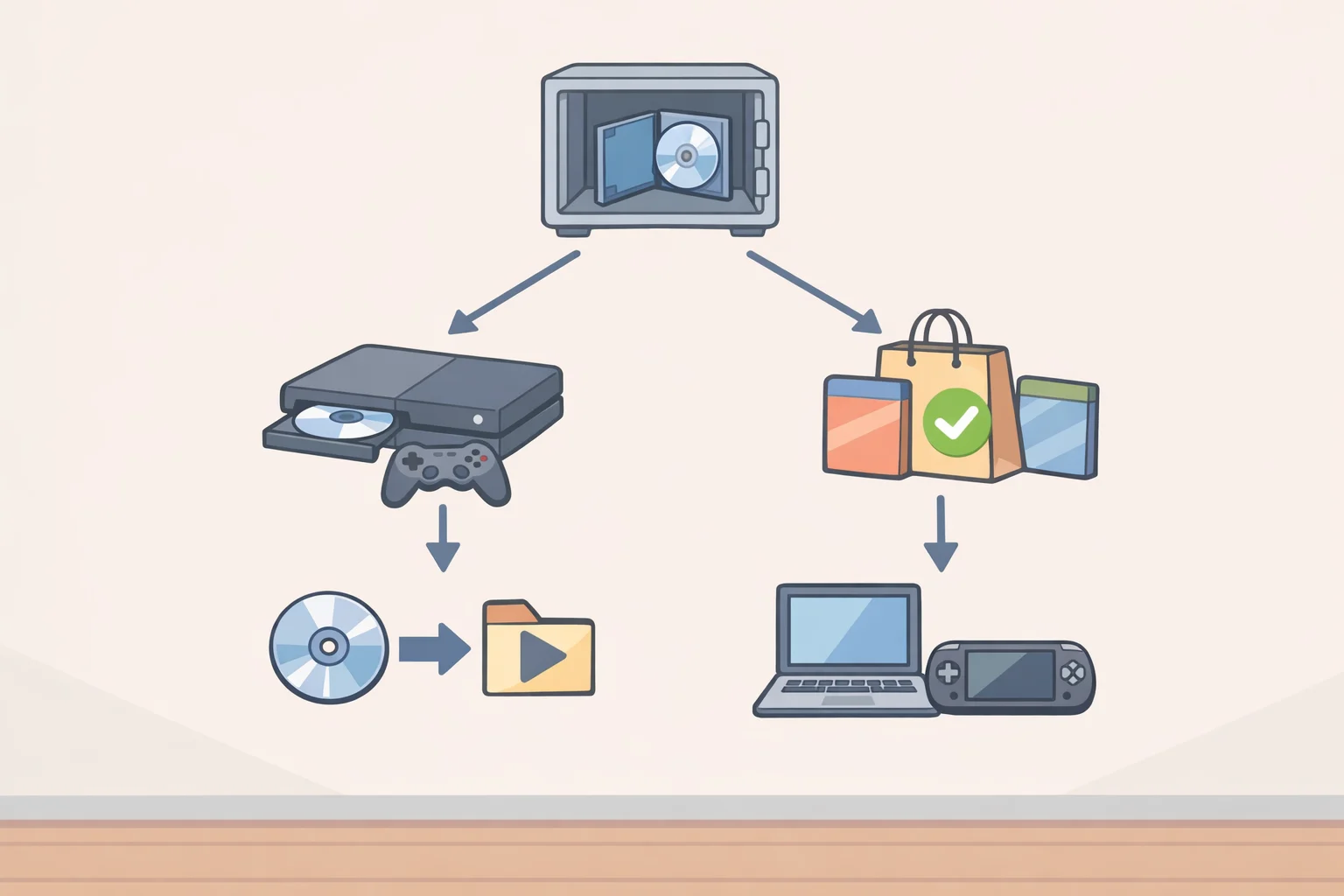
Set against that timeline, next-gen Xbox old game support breaks into four distinct outcomes depending on what someone actually owns.
- Playing a disc directly on Helix: unresolved. Microsoft reportedly hasn't confirmed whether the console will have an optical drive (Digital Trends, yesterday).
- Converting an owned Xbox One or Series disc into a digital license: planned, targeted for later this month, though whether it requires publisher opt-in per title is disputed between The Verge and HotHardware.
- Buying a publisher-approved original Xbox or 360 title: dependent entirely on individual sign-off, with price and Game Pass status set case by case, and no guarantee the title stays available once approved (The Verge, yesterday).
- Playing on PC or handheld instead of Helix: the reported direction for both older generations, phased through 2026 and 2028, not yet live (The Verge, earlier this week).
What comes next
The memo reads as a pitch aimed at winning publisher buy-in, not a record of deals already signed. It's addressed directly to publishers, and nothing in the reporting so far names a single publisher that has committed to either program (The Verge, yesterday).
That leaves two verifiable tests ahead. The first arrives this month: whether Disc-to-Digital launches with the "no publisher action required" terms The Verge described, or the opt-in requirement HotHardware reported. The second, slower test is which publishers, if any, actually bring original Xbox and 360 titles into the approval program once it opens, given how few cleared the same bar the last time Microsoft tried this.
Those two answers, not the leaked slide deck itself, will determine whether Project Helix's backward compatibility promise turns into something players can use.